
5 Hand Wash Sink Mistakes That Could Shut Down Your Kitchen
2025-12-17
A fully functional and compliant hand wash sink is a critical control point in food safety, yet its failure remains a leading cause of health code violations. Non-compliance can trigger hefty fines, operational shutdowns, or worse, foodborne illness outbreaks. Many kitchen failures stem not from the equipment itself, but from compliance oversights, poor maintenance, and inconsistent staff practices. Understanding the core risks is the first step to prevention:
| Health Risk | Description |
|---|---|
| Cross-contamination | Using the sink for washing food or tools spreads germs to hands, and then to everything you touch. |
| Bacterial growth | Water, soap scum, and dirt left in the sink create a perfect place for germs to multiply. |
| Non-compliance | Health inspectors will write tickets for wrong sink type, bad location, or missing supplies, costing you money. |
| Human error | If the sink is hard to reach or lacks soap, busy staff will skip washing hands, breaking the rules. |
Investing in the right design and management practices for your hand washing stations is not just about passing an inspection—it’s about operational integrity. Durable, well-designed sinks, such as those crafted from commercial-grade stainless steel for their non-porous, easy-to-clean properties, form the reliable foundation of an effective hand hygiene program.

Hand Wash Sink Compliance Essentials
Key Health Code Requirements
Health codes mandate specific, non-negotiable standards for hand wash sinks to break the chain of contamination. While the FDA Food Code provides the benchmark, local health departments (like those in Houston, Dallas, Austin, San Antonio, El Paso, and Galveston) often enforce additional or more stringent amendments, especially for mobile units and temporary events.
The core requirements every operator must know include:
| Requirement Type | Details |
|---|---|
| NSF/ANSI Certification | Most health departments require NSF-certified equipment for sanitation compliance. |
| ADA Compliance | Sinks must meet height and accessibility standards, with a rim no higher than 34 inches. |
| Local Health Codes | Local regulations dictate the number and placement of hand sinks, which can vary widely. |
| Sink Placement | Hand sinks should be located within 25 feet of food preparation areas to ensure accessibility. |
| Dedicated Handwashing Sinks | Regulations require separate sinks for handwashing, distinct from warewashing and food prep. |
Most kitchens must provide dedicated sinks for handwashing. These sinks need hot water, soap, and a way to dry hands. They must sit close to prep and cooking zones so staff can reach them quickly. Some cities, like El Paso and Galveston, add extra rules for environmental protection or wastewater disposal. Houston and Austin have special guidelines for food trucks and outdoor events. Dallas and San Antonio focus on temporary structures and large gatherings.
A kitchen manager should always check local codes before installing or upgrading a hand wash sink. Rules can change from city to city, so what works in one place may not pass inspection in another.
Tip: Always verify requirements with your local health authority before installation or renovation, as codes for food trucks, outdoor events, and permanent facilities can differ significantly.
Common Compliance Mistakes
Even with the best intentions, kitchens often falter on these key points:
- The “Multi-Tasker” Mistake: Using the hand sink for rinsing produce, thawing food, or dumping coffee grounds. This is a critical violation.
- The “Out of Sight, Out of Mind” Error: Placing the sink in an inconvenient location, leading to infrequent use. Compliance requires convenientaccess.
- The “Almost Good Enough” Sink: Installing a sink that doesn’t meet size or material standards, or lacks a proper air gap or vented overflow.
- The “Missing Supplies” Oversight: Empty soap dispensers, lack of paper towels, or broken hand dryers are common violations during busy periods.
- Neglecting the “Hands-Free” Ideal: While not always explicitlyrequired everywhere, manual faucets are a high-touch point. Inspectors increasingly view hands-free or wrist-blade operations as a best practice for minimizing cross-contact.
Simple Fix: To avoid these, pick a sink that’s easy to keep clean (with rounded corners), deep enough to stop splashes, and tough enough for daily use.
Tip: Always train staff to use the hand wash sink only for handwashing. Post clear signs above each sink to remind everyone of its purpose.
Placement & Accessibility: A Practical Checklist
Proper placement matters as much as the sink itself. Health inspectors look for sinks that are easy to reach and ready to use. Here’s a checklist to help managers get it right:
- Proximity: Is a sink within 25 feet of every food prep, cooking, and dishwashing station?
- Accessibility: Is the path to the sink always clear of equipment, cart traffic, or stored goods?
- ADA Compliance: Is the rim height at or below 34 inches with adequate clear floor space?
- Supplies Stocked: Are soap and single-use towels (or a working dryer) always available?
- Hot Water: Does water reach at least 100°F within 30 seconds?
- Clear Signage: Is there a “Handwashing Only” sign in clear view?
- Drainage: Does the sink drain quickly without pooling water?
Following this checklist ensures your hand wash sink meets all placement and accessibility requirements, making it easy for staff to maintain proper hygiene throughout their shifts.
Note: Before buying or installing a new hand wash sink, review your city’s health code and talk to a professional supplier. This step can save time and prevent costly mistakes.
Selecting the Right Hand Wash Sink
Types and Applications
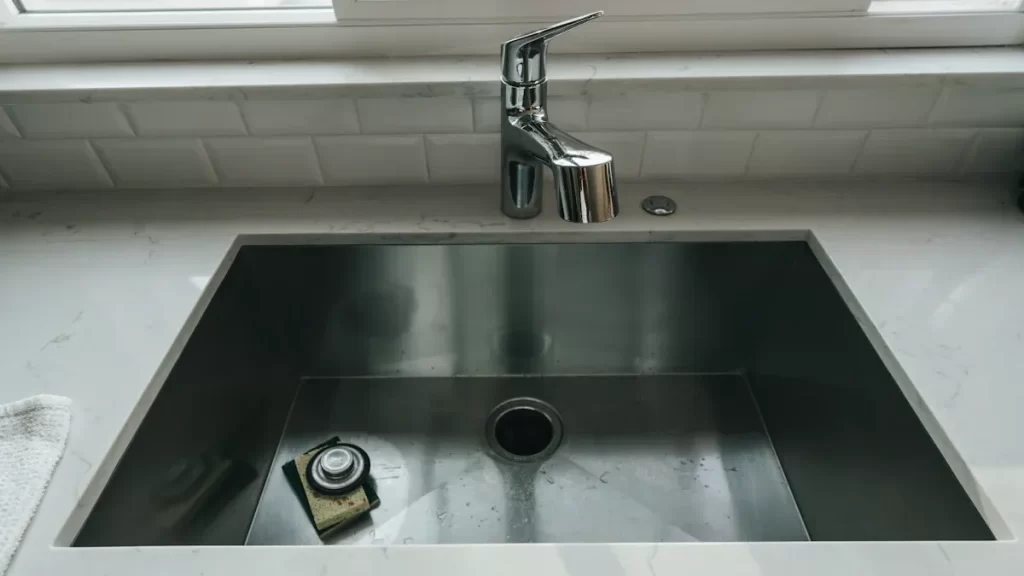
Choosing the right hand wash sink starts with understanding the different types available. Each style fits a unique kitchen layout or workflow. Here’s a quick comparison:
| Sink Type | Description | Typical Applications |
|---|---|---|
| Wall-Mounted Sinks | Space-saving sinks attached to the wall, ideal for tight kitchen spaces. | Next to deep fryers or service areas for easy access. |
| Drop-In Sinks | Sinks that fit into a countertop cutout, providing a seamless look. | Open kitchens or service areas for aesthetic appeal. |
| Pedestal Sinks | Freestanding sinks that do not require counter space for installation. | High-traffic areas to separate handwashing from food prep. |
| Portable Sinks | Self-contained units that can be moved easily, ideal for temporary setups. | Food trucks, catering events, or outdoor markets. |
Selecting the right type of hand wash sink for your specific needs ensures optimal functionality and compliance with health codes.
Material and Durability Factors
Material choice impacts hygiene, durability, and maintenance. Stainless steel stands out for commercial kitchens. It resists corrosion, cleans easily, and meets health codes. The non-porous surface keeps bacteria from sticking. Here’s a quick look at how materials compare:
| Factor | Stainless Steel | Other Materials |
|---|---|---|
| Durability | Highly durable and long-lasting | Varies, often less durable |
| Hygiene | Non-porous, easy to clean, resists bacteria | May be porous, harder to maintain |
| Compliance | Meets health codes | May not meet all health regulations |
| Cost | Affordable and budget-friendly | Can be more expensive |
| Maintenance | Low maintenance required | Higher maintenance needs |
High-quality commercial stainless steel sinks feature seamless welds, radiused corners, and a satin finish that balances durability with ease of cleaning—a critical factor for maintaining a compliant hand washing station.
Features for Compliance
When selecting a sink, ensure it includes or can accommodate these features:
- Adequate Basin Size: Minimum dimensions to allow for thorough scrubbing (typically 9″ deep x 12″ wide).
- Hands-Free Operation: Sensor or foot-pedal faucets are the gold standard. Wrist-blade valves are a good manual alternative.
- Proper Drainage: A large, unobstructed drain with a removable strainer basket.
- Integrated Backflow Prevention: An air gap or vacuum breaker is essential to protect potable water lines.
- Adequate Accessories: Pre-drilled decks or surfaces for easy mounting of soap and towel dispensers.
Ensuring your hand wash sink includes these essential features not only helps pass inspections but also promotes proper hand hygiene among staff.
Tip: Kitchens should check local health codes before purchasing. The right features help pass inspections and keep staff safe.
Installation Best Practices
Avoiding Installation Errors
Many commercial kitchens run into trouble during installation. Improper setup or missing features can lead to non-compliance and penalties. Managers often see issues like sinks placed too far from prep areas or installed in hard-to-reach spots. These mistakes make it hard for staff to wash hands when needed. Sometimes, the installation blocks drainage or causes leaks, which can disrupt kitchen operations.
Here’s a quick look at common installation errors:
| Common Installation Errors | Description |
|---|---|
| Wrong Location | Sinks too far from prep areas or in awkward spots reduce use and break health codes. |
| Improper Installation | Blocked drains or leaks from poor installation hurt function and compliance. |
Other frequent problems include missing hands-free faucets, lack of splash guards, or not meeting specific installation requirements. Xinhe’s team often helps clients avoid these pitfalls by offering expert guidance and custom solutions.
Installation Checklist
A clear checklist helps managers get installation right the first time. Here are the key steps:
- Place the sink where staff can reach it easily.
- Check that the sink meets ADA standards for accessibility.
- Install backflow prevention devices to protect water quality.
- Connect the sink directly to the main drainage system.
- Provide both hot and cold water lines.
- Position sinks near food prep, cooking, and dishwashing zones.
Following this installation checklist ensures your hand wash sink is properly positioned and connected, reducing the risk of compliance issues and operational disruptions.
When to Hire a Professional
Some projects need a professional touch. Licensed plumbers know local health and plumbing codes. They make sure the hand wash sink connects directly to the main drainage system, which prevents contamination risks. Professional installation also stops future problems like leaks or drainage issues. For tricky setups or if you’re unsure about the rules, it’s smart to talk to your equipment supplier or a plumber who knows kitchen codes.
Tip: Investing in expert installation saves money and stress in the long run.
Maintenance and Cleaning Routines
Scheduled Maintenance Tasks
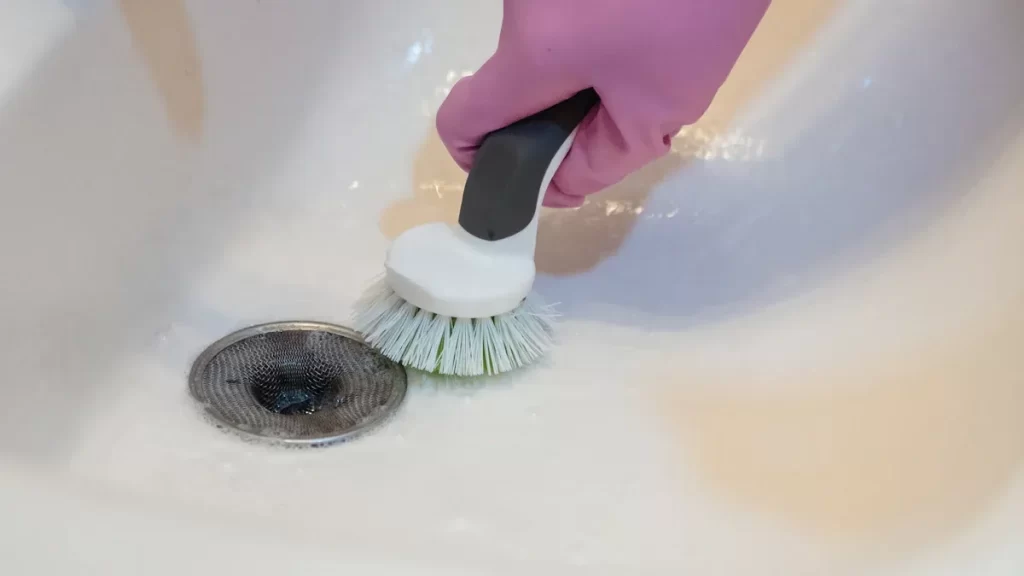
Regular upkeep keeps a kitchen running smoothly and helps avoid health code violations. Staff should follow a daily cleaning routine for sinks, faucets, and drain covers. They can use non-abrasive cleaners and soft cloths to protect stainless steel surfaces. Plumbing checks should happen often to catch leaks or loose connections early. Teams need to make sure backflow prevention devices work as intended. Soap and paper towel dispensers must stay stocked, and clear signage should always be visible. Good lighting around the sink area helps staff spot issues quickly.
- Clean sinks, faucets, and drain covers daily
- Inspect plumbing for leaks or loose fittings
- Test water temperature and pressure
- Restock soap and towels
- Check signage and lighting
Tip: Assign one person each shift (like the closing manager) to be in charge of checking the sink area. A quick 30-second check at opening, after rush hours, and at closing can catch problems early.
Troubleshooting Common Issues
Problems can pop up even in well-maintained kitchens. Sometimes, sinks sit too far from workstations, making them less likely to get used. Water temperature or pressure may drop below safe levels, which can lead to compliance problems. Blocked drains create unsanitary conditions and slow down workflow. Missing supplies like soap or towels can cause inspection failures. Dirty sinks often signal a lack of routine cleaning.
When issues arise, staff should:
- Move supplies closer to workstations if possible
- Adjust water heaters or call for repairs if water is too cold
- Clear blocked drains right away
- Restock soap and towels before each shift
- Clean sinks thoroughly at the end of every day
Inspection and Recordkeeping
Routine inspections help catch small problems before they become big ones. Managers should use a checklist to review sink assemblies, plumbing, and supplies. Cleaning logs can track when and how each task gets done. Staff should scrub away grime, mineral deposits, and food particles using cleaners made for stainless steel. Keeping records shows inspectors that the kitchen takes hygiene seriously and follows health codes.
- Inspect sinks and plumbing regularly
- Use a cleaning log for accountability
- Remove buildup with proper cleaning agents
- Keep dispensers full and signage clear
Note: Consistent recordkeeping supports compliance and makes passing inspections much easier.
Staff Training and Compliance Culture
Training for Proper Use
Staff training shapes the foundation of a safe kitchen. When employees know how to use a hand wash sink correctly, they help stop the spread of germs and keep the kitchen running smoothly. Managers often use a mix of training methods to keep everyone sharp and engaged. Some of the most effective approaches include:
- Practical drills that let staff practice real-life scenarios.
- Regular refresher sessions to keep handwashing top of mind.
- Monthly safety meetings focused on hygiene topics.
- Hands-on demonstrations each quarter to show proper use of sinks and safety equipment.
- Annual certification renewals to reinforce standards.
- Weekly safety briefings before shifts begin.
- Video-based learning modules for visual learners.
- Interactive workshops that encourage questions and discussion.
- Peer-to-peer mentoring, where experienced staff guide new hires.
- Fun safety challenge competitions to boost motivation.
These methods help staff remember the right steps and make handwashing a habit, not just a rule.
Building Accountability
Accountability keeps standards high in a busy kitchen. Managers set the tone by making hand hygiene a team priority. They use several strategies to build a culture where everyone takes responsibility:
- Train staff on proper handwashing, including using soap, warm water, and scrubbing for at least 20 seconds.
- Keep sinks clean and easy to reach so staff use them often.
- Post clear signs above every sink as a reminder.
- Hold regular training sessions to reinforce good habits and show commitment to food safety.
When everyone knows what to do and why it matters, they feel more invested in keeping the kitchen safe.
Handling Inspections and Violations
Health inspections can feel stressful, but preparation makes a big difference. Managers should encourage staff to treat every day like inspection day. They can use checklists to review sink cleanliness, supplies, and signage. If a violation happens, quick action helps protect the business. Managers should fix problems right away, retrain staff if needed, and update procedures to prevent repeat issues. Open communication builds trust and shows inspectors that the team takes compliance seriously.
Tip: Celebrate inspection successes with the team. Recognition boosts morale and keeps everyone focused on high standards.
Commercial kitchens can prevent hand wash sink failures by following a few key steps. Regular audits, ongoing staff training, and proactive maintenance help keep operations safe and compliant. The table below shows how often teams should review their setup:
| Audit Frequency | Responsibility |
|---|---|
| Weekly | Self-audit or mock inspection |
| Monthly | PIC reviews logs and updates |
| Quarterly | Refresher training |
| Annually | Training and recertification |
Managers should consider consulting stainless steel experts like Xinhe for tailored solutions. They can also review recommended products and features to improve hygiene. Teams benefit from routine checks and clear accountability.
FAQ
What makes a hand wash sink compliant with health codes?
It must have three things: 1) Hot and cold running water, 2) Soap, and 3) A way to dry hands (like paper towels). It also has to be only used for washing hands and easy for everyone to reach.
How often should staff clean a hand wash sink?
At least once a day. In very busy kitchens, clean it even more often. A dirty sink can fail an inspection.
Can a hand wash sink double as a prep or dish sink?
No, never. Health codes are very clear: a hand wash sink is for hands only. Using it for anything else can spread germs and get you fined.
What features help a hand wash sink pass inspections?
Inspectors like to see: Hands-free faucets (sensor or foot pedal), splash guards, a clear “Handwashing Only” sign, and good, fast drainage with no standing water.
When should a kitchen manager call a professional for sink installation?
For any new sink being put in. A plumber knows the local rules about pipes and drains. Getting it wrong can cause leaks or even health hazards, and fixing it later costs more.