
How a Prison Toilet Manufacturer Boosts Safety in Jails
2026-01-06
Running a correctional facility means dealing with tough safety issues every day—like preventing self-harm, stopping fights, or fixing costly vandalism. That’s where a specialist prison toilet manufacturer steps in, turning everyday fixtures into reliable safety tools. We’ll dive into the key features, how they’re made, and smart ways to pick a partner.
Security Features Decoded: The Anatomy of a Secure Prison Toilet
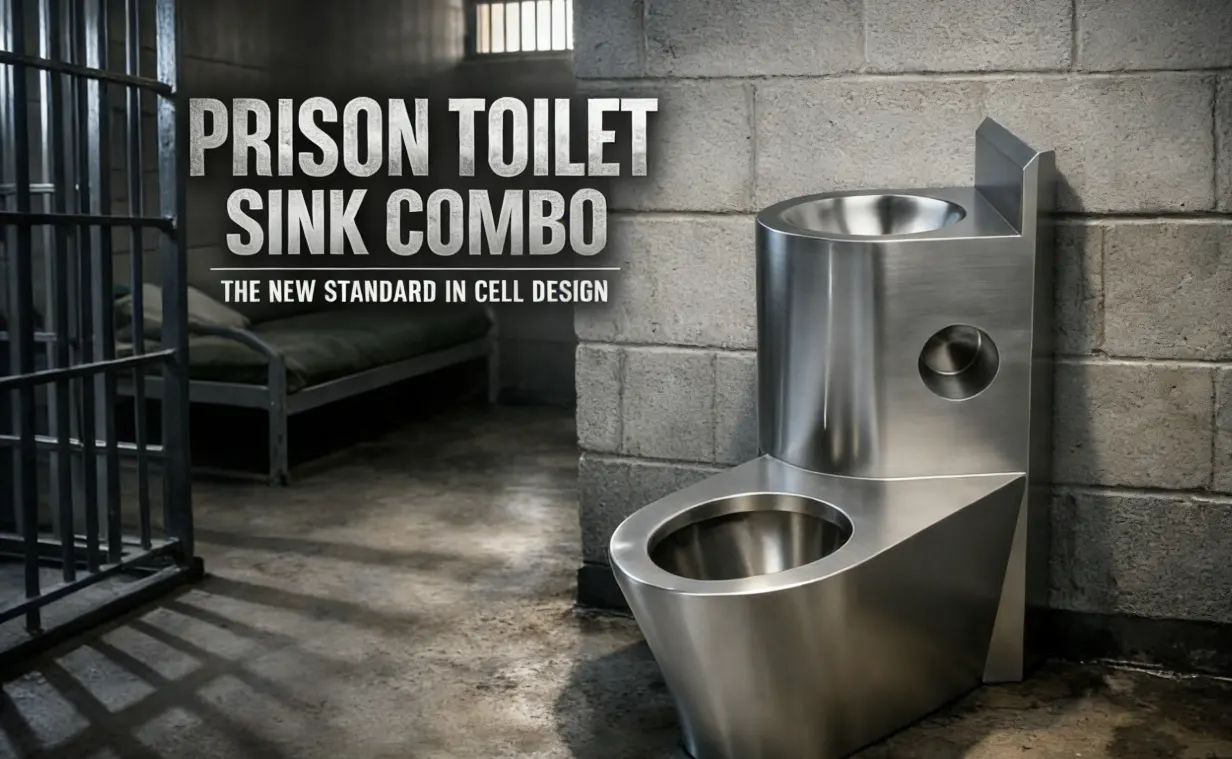
A good prison toilet manufacturer builds these with safety in mind, blending smart design to handle the unique pressures of jails. From stopping tampering to removing hidden dangers, these features make a real difference.
What Makes a Prison Toilet Hard to Tamper With
Tamper-resistant design is like building a fortress around something as simple as a toilet. Imagine no loose screws or parts that inmates could pull off and turn into tools or weapons—that’s the goal. Prison toilet manufacturers achieve this with smooth, fastener-free outer surfaces, where everything is welded tight without visible joins. Inside, the water tanks are beefed up with thick stainless steel walls, making them tough to break into.
This setup isn’t just clever; it’s practical. In busy jails, it means fewer emergencies from damaged fixtures, which can flood cells or create hazards. For B2B buyers, like project contractors sourcing secure jail sanitary ware, this translates to products that last longer and reduce callbacks. Facilities using these report drops in vandalism by as much as 30%, based on industry feedback. It’s a win for traders too, as reliable tamper-proof prison plumbing boosts your reputation in the correctional facility fixtures market.
- Key Benefits for Safety: Eliminates weapon-making risks by removing grabable parts.
- Business Angle: Lowers total ownership costs through fewer repairs, appealing to importers of durable correctional plumbing solutions.
The Anti-Ligature Approach: Removing Hidden Dangers
Anti-ligature construction is all about making sure there’s no spot where someone could tie something harmful—like a rope or sheet. It’s a thoughtful philosophy: every edge is rounded like a smooth pebble, so nothing catches. Flush buttons are tucked away behind seamless panels, and pipes are angled just right, with narrow diameters that don’t allow secure loops.
Picture it like designing a room with no sharp corners—everything flows safely. This ligature-free design follows best practices in mental health and security guidelines, helping prevent tragedies in high-risk areas. For wholesalers dealing in anti-ligature prison fixtures, it’s a selling point that meets global standards, like those for suicide prevention in custody. Contractors see the payoff in smoother inspections and fewer liability worries.
In real terms, these features have cut self-harm incidents in upgraded facilities, offering peace of mind. Importers can market them as essential for modern jail upgrades, where safety isn’t optional—it’s core to operations.
Why Grade-304 Stainless Steel Stands Up to the Test
Grade-304 stainless steel is the tough guy of materials, like a reliable workhorse that doesn’t rust or break easily. It fights off harsh chemicals from cleaners and resists dents from impacts, unlike fragile ceramic that shatters like glass under pressure or iron that corrodes over time. This shatter-proof quality means no sharp pieces from breakage, keeping everyone safer.
In a prison setting, where fixtures get heavy use, this durability shines—lasting 20 to 50 years without major issues. Contrast that with cheaper options that need replacing every few years, which is a key reason why most correctional facilities choose stainless steel toilets over porcelain. A prison toilet manufacturer using 304 steel ensures indestructible builds, perfect for vandal-resistant correctional plumbing.
For B2B pros, this means stocking products with high resale value, as clients in public environments demand long-lasting stainless steel prison sanitary ware. It’s eco-friendly too, reducing waste from frequent swaps.
| Material Comparison | Ceramic/Iron | Grade-304 Stainless Steel |
|---|---|---|
| Durability | Prone to cracking and rust | High strength, shatter-proof |
| Maintenance | Frequent replacements | Low, easy to clean |
| Safety Impact | Risk of sharp debris | No breakage hazards |
| Lifespan | 5-10 years | 20-50 years |
How a Reputable Manufacturer Ensures Safety
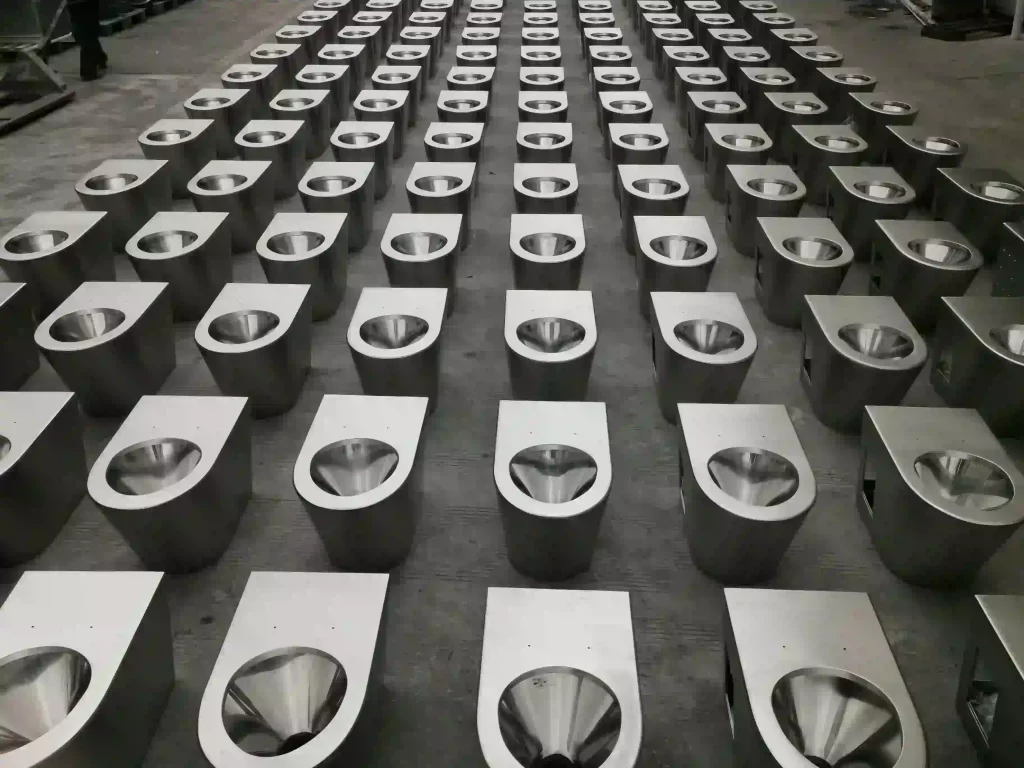
Safety doesn’t happen by accident—it’s engineered from the start. A solid prison toilet manufacturer weaves security into every step, working with experts to create fixtures that stand up to real jail life. This process goes beyond basics, delivering products that exceed expectations. Here’s how it unfolds, with insights for your supply chain decisions.
Engineering with Safety at the Heart
Start with a mindset where security comes first, like planning a building to withstand storms. Prison toilet manufacturers team up with correctional pros and consultants to brainstorm designs that tackle everyday threats—think hidden spots for contraband or weak points that invite trouble.
For example, they might create one-piece units, like the integrated stainless steel toilets used in projects such as Stanley Prison in Hong Kong, where concealed plumbing and rounded edges keep things secure. This approach was central to our work providing prison-grade fixtures for Stanley Prison in Hong Kong, where safety and hygiene were the top priorities.
From a business view, this innovative jail fixture engineering gives wholesalers cutting-edge options, like custom anti-vandal stainless steel prison toilets. Traders can highlight how these adapt to different security levels, making your offerings stand out in the market for secure correctional facility plumbing.
Testing That Goes the Extra Mile
Testing is where ideas prove their worth, like putting a car through crash simulations. Dynamic load tests check if the toilet can handle heavy slams without buckling—often holding over 500 pounds. Chemical resistance trials expose it to tough cleaners, ensuring no wear, while cyclic pressure tests mimic years of flushing to spot leaks early.
These exceed basic compliance, referencing standards like ASTM for strength and ISO for quality. A committed manufacturer provides proof, like reports showing no failures after thousands of cycles.
For importers, this rigorous testing for prison sanitary ware builds trust, reducing risks in big buys. Contractors use it in proposals to show how these durable prison plumbing fixtures minimize downtime and claims.
Common Tests Explained:
- Load Testing: Simulates rough handling, ensuring stability.
- Pressure Cycles: Checks plumbing endurance, preventing floods.
- Chemical Exposure: Confirms resistance to daily cleaning, extending life.
Meeting Global Standards and Beyond
Compliance isn’t the end goal—it’s the starting line. Designs align with international rules, from U.S. correctional guidelines to European norms, including ASTM for materials and ISO for processes. Many go further with certifications for anti-ligature features, answering what security badges a prison toilet manufacturer needs.
This ensures fit for diverse markets, like CE-marked models for exports. Frame it as a foundation: baseline checks plus extras for real-world toughness.
B2B buyers benefit from seamless global trade in certified vandal-resistant jail fixtures, easing approvals and boosting sales.
Choosing a Partner: Key Criteria for Evaluating a Prison Toilet Manufacturer
Picking the right prison toilet manufacturer is like choosing a long-term business ally—focus on value over price. Key factors include cost savings over time, flexibility in designs, and dependable support. Use this guide to evaluate options in the correctional plumbing supply chain.
Calculating Long-Term Safety Returns
Don’t chase the cheapest bid; think total cost of ownership, like buying a car that rarely needs fixes. Premium stainless steel prison toilets cut incidents—less vandalism means fewer repairs, and anti-ligature designs reduce medical calls.
Link this to ROI: facilities save on water damage prevention and maintenance, with units running stably for decades. In high-security spots, the typical lifespan hits 30+ years, far outpacing alternatives.
For traders, promote this as smart economics—clients see 40% lower TCO. Analyze with a simple framework:
- Initial Investment: Higher upfront for quality.
- Ongoing Savings: Reduced breakdowns and risks.
- Payback Period: Often within 2-3 years via fewer issues.
| ROI Breakdown | Budget Option | Specialist Manufacturer |
|---|---|---|
| Upfront Cost | Low | Moderate |
| Annual Maintenance | High (repairs every 1-2 years) | Low (checks only) |
| Incident Savings | Minimal | Up to 30% reduction |
| Overall ROI | Breaks even slow | Quick returns, long value |
Customization and Teamwork on Projects
Every jail is different, so customization is key—like tailoring a suit to fit perfectly. A good manufacturer offers tweaks for layouts, like wall-mounted vs. floor-mounted options, or adding accessibility for ADA compliance.
They collaborate closely: reviewing drawings, advising on security tiers, and timing deliveries. This answers if prison toilets can be customized—yes, for needs like stainless steel jail toilet with integrated sink in compact cells, as seen in Stanley Prison’s one-piece units.
Contractors gain from this partnership in prison fixture projects, ensuring smooth installs and happy clients. Importers appreciate scalable custom vandal-resistant prison sanitary ware for varied markets.
Decision Checklist for Customization:
- Does it fit your space? (e.g., modular designs)
- Security level match? (high vs. medium)
- Accessibility options? (for inclusive facilities)
Supply Chain Reliability and Ongoing Support
A strong supply chain is your backbone, scaling for big jobs without delays. Look for manufacturers with global reach, offering full guides, manuals, and quick spare parts.
After-sales shines in large projects: dedicated teams troubleshoot, as in how support works for correctional setups—on-call experts and warranties. Reference successes like Stanley Prison, where custom fixtures enhanced hygiene and control.
For wholesalers, this reliable prison toilet supply means steady stock and client loyalty in the durable correctional plumbing niche.
Conclusion
In correctional facilities, small choices like fixtures have big impacts on safety. With careful engineering, tough materials like 304 stainless steel, and a focus on real needs, a prison toilet manufacturer like Xinhe turns risks into reliability. These aren’t just products—they’re partners in safer operations.
Teaming up with Xinhe helps cut risks, boost safety, and lock in long-term value. Explore our full range of stainless steel toilets or grab detailed spec sheets and whitepapers. Grab detailed spec sheets and whitepapers. Check out global case studies, like the Stanley Prison project. Reach out to our B2B team for tailored advice or a product demo.
FAQs
What security certifications should a prison toilet manufacturer have?
Aim for ASTM, ISO, and anti-ligature approvals to cover global standards.
How does Xinhe ensure its prison toilets meet international safety standards?
By teaming with experts and running tests that beat baselines.
Can prison toilets be customized for different facility needs?
Absolutely, with options for mounts, sinks, and security tweaks.
What is the typical lifespan of a stainless steel prison toilet in high-security environments?
20-50 years, thanks to rugged builds.
How does after-sales support work for large correctional facility projects?
Through expert teams, guides, and easy parts access.