
Home > Blog > Public Products >
Is Your Scrub Sink Up to Medical Standards
2025-11-11
Ever wondered if the scrub sink in your healthcare facility is truly pulling its weight in the fight against infections? In high-stakes environments like hospitals and clinics, a subpar scrub sink isn’t just an inconvenience—it’s a potential gateway for risks that could compromise patient safety and operational flow.
As a trusted provider of medical-grade stainless steel solutions, Xinhe is here to guide you through what makes a scrub sink compliant and effective. We’ll dive into key standards, common pitfalls, innovative designs, and practical tips, all aimed at helping B2B professionals like architects, procurement managers, and facility planners make informed choices that prioritize hygiene without sacrificing usability.
Scrub Sink Compliance in Healthcare
Overview of Key Medical Standards
When it comes to scrub sinks, compliance isn’t optional—it’s the foundation of safe healthcare practices. Standards like WS/T 512-2016, which focuses on cleaning and disinfecting environmental surfaces in medical settings, set clear rules for how scrub sinks should be maintained to keep germs at bay. This means regular wipes with approved agents to tackle high-touch spots that could harbor bacteria.
Then there’s GB 15982-2012, the hygienic standard for hospital disinfection, which spells out requirements for hand hygiene stations. It calls for scrub sinks to be positioned close to patient areas—think no farther than a quick walk from beds—to cut down on unnecessary movement and exposure. Features like splash-proof edges and hands-free operation are non-negotiables here.
Globally, insights from bodies like the CDC and WHO echo these, pushing for scrub sinks with materials that resist microbes and are a breeze to clean. Meeting these can slash healthcare-associated infections (HAIs) by as much as 30%, based on studies linking better hand hygiene setups to fewer outbreaks. For B2B buyers, this translates to facilities that not only pass inspections but also run smoother, with less downtime from health scares.
Most Common Compliance Issues and Associated Risks
It’s easy for scrub sinks to fall short, and the consequences can ripple through an entire facility. One frequent issue is missing or inadequate splash barriers, leading to water everywhere and potential slip hazards—not to mention breeding grounds for bacteria if not dried properly.
Manual faucets are another culprit; they invite unnecessary touches, upping the chance of germ spread, which directly contradicts guidelines in GB 15982-2012. And if the materials aren’t up to snuff, like using lower-grade metals that corrode over time, you’re looking at cracks and crevices where pathogens love to hide, defying WS/T 512-2016’s call for seamless, easy-clean surfaces.
These slip-ups don’t just risk infections—they can lead to failed audits, hefty fines, and even temporary shutdowns. In busy hospitals, this means disrupted workflows, with staff spending extra time on workarounds. Research shows non-compliant setups can boost maintenance costs by 15-25% over time, while also eroding trust in the facility’s overall safety. By spotting these early, B2B decision-makers can avoid headaches and focus on what matters: reliable, efficient operations.
What Defines an Infection-Control Compliant Scrub Sink
Definition and Core Functions
Picture a scrub sink as the unsung hero of hand hygiene—it’s that dedicated spot where medical pros scrub up thoroughly before procedures, using soaps or rubs to zap germs. To be truly compliant with infection control, it needs to support sessions of 3-5 minutes without any hitches, like water splashing out or awkward reaches.
Standards such as GB 15982-2012 dictate specifics: basins deep enough (around 12-16 inches) for full arm immersion, ensuring no mess on the floor. It’s all part of a bigger picture in environmental hygiene, as outlined in WS/T 512-2016, where scrub sinks act as key players in stopping germ chains.
For those in procurement or planning, this means selecting scrub sinks that blend seamlessly into daily routines, boosting efficiency and giving teams confidence that their tools are top-notch.
Primary Types of Scrub Sinks
Scrub sinks aren’t one-size-fits-all; they come in varieties tailored to different needs:
- Single-station scrub sinks: Perfect for compact spaces like outpatient clinics, where one user at a time keeps things simple and focused.
- Dual-station scrub sinks: A go-to for operating rooms, letting two people prep side by side to speed up team workflows.
- Multi-station scrub sinks: Built for high-traffic zones in large hospitals, with three or more bays to handle rushes without bottlenecks.
- Wall-mounted scrub sinks: Great for saving floor space and meeting accessibility standards, with room underneath for wheelchairs.
- Freestanding scrub sinks: Flexible for retrofits or temporary setups, easy to move as facility needs evolve.
No matter the type, the emphasis is on sturdy, hygienic materials that stand up to daily disinfection while keeping infection risks low.
Integrating Infection Control into Scrub Sink Design
Design Features to Prevent Cross-Contamination
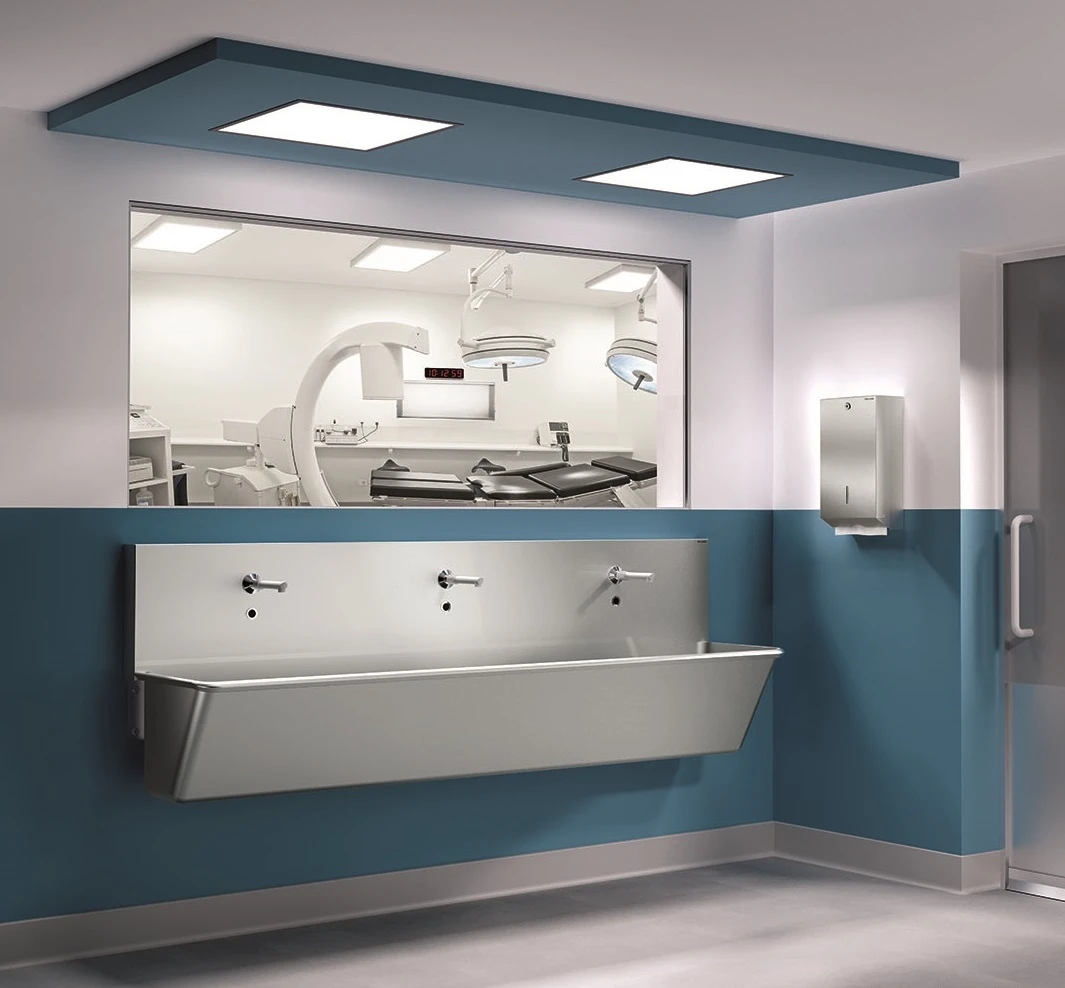
Smart design is what turns a basic sink into a infection-fighting powerhouse. Take hands-free faucets—options like sensor-activated or knee-push models mean no touching grubby handles, aligning perfectly with CDC advice to minimize contact points.
Smooth, seamless basins avoid those sneaky spots where water and grime collect, making cleaning straightforward and effective against bacteria. Anti-splash rims and gently sloped interiors guide water right where it should go, preventing puddles that could spread contaminants.
High-touch areas, as highlighted in WS/T 512-2016, get special attention with materials that shrug off chlorine disinfectants. Add-ons like built-in timers ensure scrubs last the full recommended time, weaving infection control right into the daily grind.
ADA Compliance and Enhanced Hygiene Features
Making scrub sinks accessible doesn’t mean skimping on hygiene—it’s about smart inclusivity. ADA guidelines require installs at user-friendly heights (up to 34 inches) with ample knee clearance (at least 27 inches), so everyone from standing staff to those in wheelchairs can use them comfortably.
Boost hygiene further with antimicrobial finishes on stainless steel, which help fend off germs between cleanings and complement standards like GB 15982-2012. For B2B folks, this combo means facilities that welcome all users, cut legal risks, and keep morale high by showing care for the team.
Xinhe Scrub Sink Features and Advantages
Medical-Grade Materials and Robust Construction
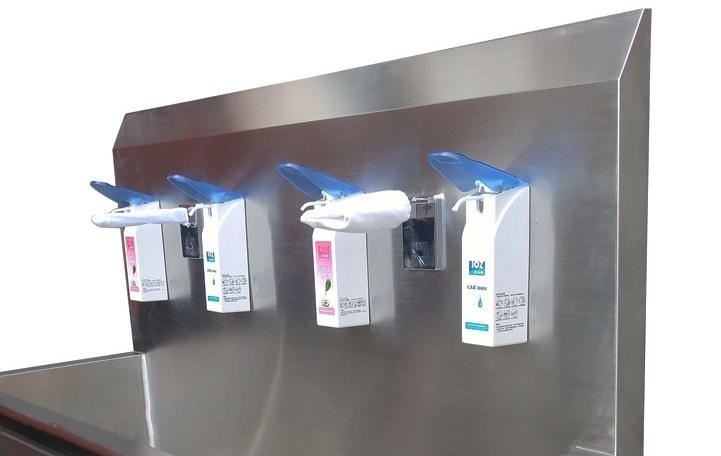
At Xinhe, we build scrub sinks from top-tier medical-grade stainless steel—think 304 or 316 varieties that laugh off corrosion and last for years. These materials handle tough disinfectants without breaking a sweat, staying true to WS/T 512-2016’s cleaning demands.
Our construction skips the weak spots: seamless welds and reinforced edges mean no hiding places for bacteria. This durability pays off in the long run, handling heavy use in bustling medical settings and sparing you frequent replacements. It’s a smart pick for B2B buyers eyeing cost savings and reliability.
Flexible Installation Options and Customization Services
We get that every space is unique, so Xinhe offers scrub sinks in wall-mounted, pedestal, or modular styles to fit right in. Customization lets you tweak sizes, add extras like soap holders, or integrate eyewash features for all-in-one stations.
This adaptability shines in new builds or upgrades, solving puzzles like tight corners or special regs. Procurement teams love how it simplifies ordering and cuts install time, keeping projects on track.
Value Proposition for B2B Buyers
Xinhe’s scrub sinks aren’t just products—they’re investments in better outcomes. They help drop infection rates with thoughtful designs, trim ongoing costs thanks to tough builds, and deliver compliance confidence that lets you sleep easy.
In B2B terms, expect smoother ops, happier clients, and standout results, all from sinks that support your team’s best work in healthcare hubs.
Proper Care and Compliance for Scrub Sinks
Daily Cleaning and Disinfection Protocols
Keeping scrub sinks spotless is straightforward but crucial. Per WS/T 512-2016, hit high-touch zones with chlorine-based wipes after shifts or as needed—think faucets, edges, and drains to wipe out residue.
Stick to gentle, pH-balanced cleaners to avoid scratches; rinse well to prevent buildup. GB 15982-2012 suggests routine checks, like swabbing for microbes, to confirm your routine’s working.
Key Points for Staff Training
Training turns guidelines into habits. Cover basics like scrubbing from nails to elbows, using timers for full coverage. Teach spotting issues, such as drips or wear, and how to flag them fast.
Use hands-on demos or quick refreshers to build confidence, ensuring everyone plays their part in keeping infections low.
Checklist for Ensuring Ongoing Compliance
Here’s a handy checklist to stay on top:
- Weekly inspections: Look for leaks, rust, or loose parts.
- Function checks: Test sensors and water temps (aim for 100-110°F for comfort and effectiveness).
- Quarterly tests: Run microbe swabs as per standards.
- Log everything: Keep records for audits and tweaks.
- Annual updates: Refresh training on any new regs.
This keeps things running smooth and compliant.
Conclusion
A solid scrub sink is more than equipment—it’s a safeguard for lives in medical spaces. Embracing standards like WS/T 512-2016 and GB 15982-2012 can curb infections and streamline care.
Take a moment to check your setup against these insights. Ready for an upgrade? Reach out to Xinhe for custom medical-grade stainless steel scrub sinks that fit your needs. Head to our site or drop a line to start the conversation today.