
Prison Cell Toilet: How Do They Differ Around the World
2026-01-21
Prison cell toilets look very different from country to country, shaping how inmates experience daily life. In Norway, a prison cell toilet might sit in a private, spotless corner with modern plumbing, while in India, inmates could face a basic hole in the floor with little privacy or sanitation. These differences touch everything from personal dignity to health. People rarely think about how much a simple fixture can affect comfort, safety, and even hope inside a cell.
Types of Prison Cell Toilets
Prison cell toilets come in many shapes and styles. The type of toilet inside a cell can say a lot about the country’s approach to inmate welfare and facility design. Let’s break down the most common types found around the world.
Flush Toilets
Flush toilets are the standard in many developed countries. They use water to remove waste and keep the area clean. In places like Norway, the United States, and Bermuda, most prison cells feature flush toilets made from durable materials. Stainless steel is a popular choice because it resists rust, stands up to heavy use, and is easy to clean. Many facilities now look for products that combine smart design with strong materials. One standout example is the integrated prison cell toilet and sink combo solution from xinhe.
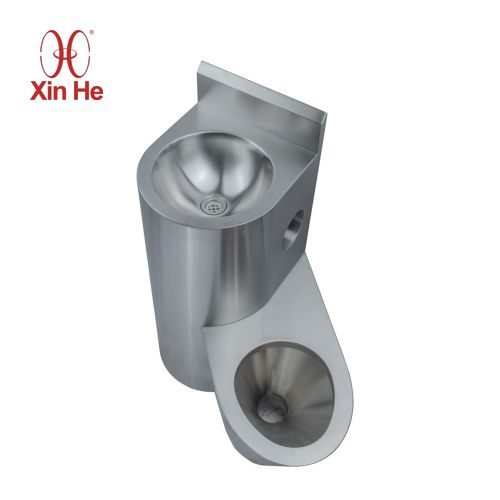
This unit brings together a toilet and a sink in one compact design. It saves space and makes cleaning easier for staff. The stainless steel shell resists rust and damage, even in tough environments. Facility managers can choose from several finishes and colors to match different settings. The seamless structure helps prevent bacteria from building up, which keeps the area more sanitary.
Note: The integrated design means inmates can wash their hands right after using the toilet, which supports better hygiene every day.
Flush toilets often appear in single cells or small shared units. They provide a sense of dignity and privacy for inmates. Modern designs also include anti-ligature features to improve safety.
Squat Toilets and Floor Holes
Squat toilets and floor holes are common in many developing countries. In India, Syria, and parts of Southeast Asia, prison cell toilets may be simple holes in the ground or squat pans made from ceramic or metal. These toilets require users to squat rather than sit. The design is basic, and privacy is often limited.
| Region | Common Toilet Type | Material Used | Hygiene Level |
|---|---|---|---|
| India | Squat/Floor Hole | Ceramic/Metal | Low to Medium |
| Syria | Floor Hole | Concrete/Metal | Low |
| China (rural) | Squat/Floor Hole | Stainless Steel | Medium |
| Norway | Flush Toilet | Stainless Steel | High |
| US | Flush Toilet | Stainless Steel | High |
Squat toilets can be easier to clean but may pose challenges for older or disabled inmates. Facilities with limited budgets often choose these designs because they cost less to install and maintain.
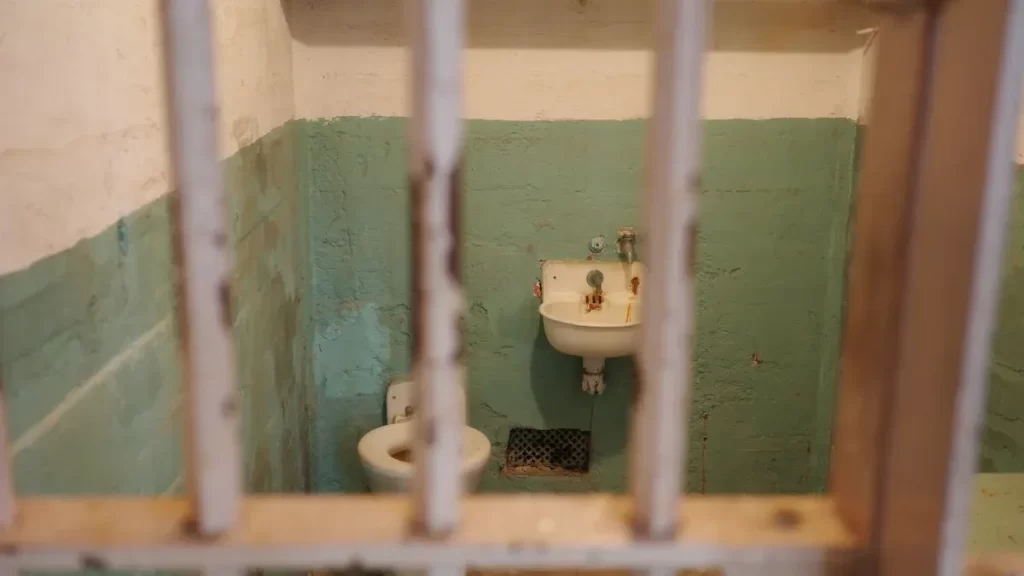
The placement of prison cell toilets varies widely. Some prisons offer private toilets in single cells, while others use shared units for groups of inmates.
- Private Units: Found in modern prisons in Norway, the US, and Western Europe. Each cell has its own toilet, often with a partition or door for privacy. These units usually feature flush toilets made from stainless steel.
- Shared Units: Common in older facilities or overcrowded prisons. Several inmates share one toilet, which may be a flush or squat type. Privacy is minimal, and hygiene can suffer if cleaning is infrequent.
Note: The choice between shared and private units affects inmate dignity and daily comfort. Stainless steel solutions help maintain hygiene even in high-traffic shared environments.
Facility designers pay close attention to the material and layout of prison cell toilets. Stainless steel stands out for its durability and ease of cleaning, making it a smart choice for both flush and squat designs. Brands like xinhe focus on creating vandal-resistant fixtures that meet the needs of high-security settings.
Privacy and Placement in Prison Cell Toilets
Privacy in a prison cell toilet can shape how inmates feel about themselves and their surroundings. The level of privacy often depends on the country, the age of the facility, and the prison’s philosophy about rehabilitation and dignity.
Many older or overcrowded prisons use open toilets in shared cells. In these settings, the toilet sits in the corner of a room with no walls or screens. Inmates may have to use the toilet in full view of others. This setup is common in some prisons in India and parts of the United States. Open toilets can make daily life stressful. Inmates lose privacy, which can lead to embarrassment and tension among cellmates. Some people even avoid using the toilet when others are present, which can cause health problems.
Note: Open toilets often signal a lack of resources or outdated design. They can affect an inmate’s sense of dignity and personal space.
Partitioned and Screened Toilets
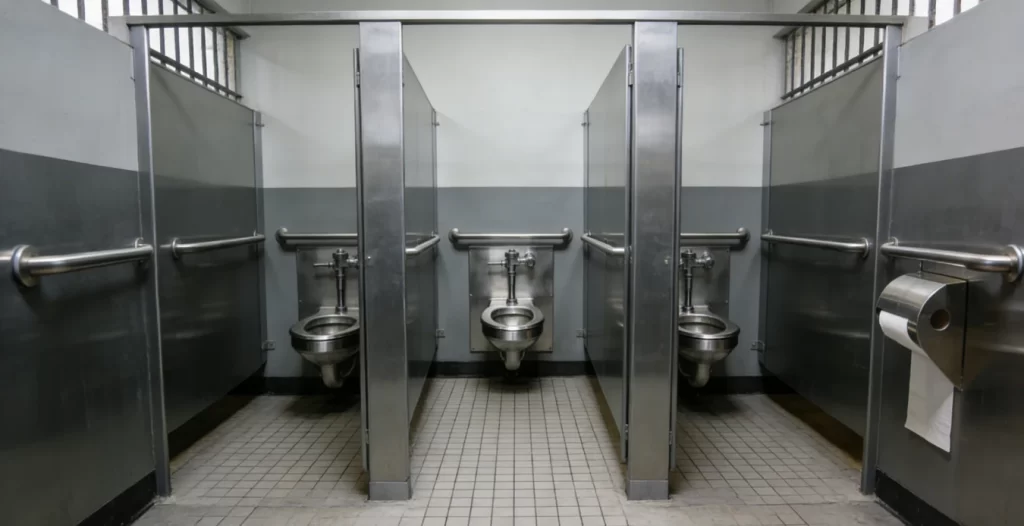
Some prisons try to improve privacy by adding partitions or screens around the toilet. These barriers might be half-walls, curtains, or metal panels. In the US and parts of Europe, newer facilities often use this approach. Partitions do not offer full privacy, but they help reduce discomfort. Inmates can use the toilet with less fear of being watched. This small change can make a big difference in daily life, helping people feel more respected.
| Privacy Level | Example Countries | Common Features |
|---|---|---|
| Low | India, US (older) | Open, no barriers |
| Medium | US, UK, Germany | Partitions, screens |
| High | Norway, Sweden | Private, enclosed |
Private Toilets in Single Cells
The highest level of privacy comes with private toilets in single cells. Norway leads the way here. Each inmate gets a personal space with a fully enclosed toilet, often with a door or full partition. The US also has some modern facilities with this setup. Private toilets support dignity and mental health. Inmates can use the toilet without fear or shame. This approach shows respect for basic human needs and can help with rehabilitation.
A prison cell toilet with good privacy can change how inmates feel about their environment. Countries that invest in privacy often see better outcomes for health and morale.
Hygiene and Maintenance Standards
Cleaning Protocols and Supplies
Cleanliness in prisons can vary a lot from country to country. Some facilities in Norway and Germany follow strict cleaning schedules. Staff or inmates clean toilets daily using disinfectants and brushes. Supplies like gloves, mops, and cleaning agents are always available. In contrast, prisons in developing countries may struggle with limited cleaning supplies. Sometimes, inmates must clean toilets with only water or basic soap. This can lead to poor hygiene and health risks.
Tip: Regular cleaning and access to proper supplies help prevent the spread of disease and keep the prison cell toilet area safe for everyone.
Odor and Sanitation Issues
Odor control is a big challenge in many prisons. In older facilities or places with squat toilets, poor ventilation and infrequent cleaning can cause strong smells. This affects the comfort and well-being of inmates. Some modern prisons use ventilation systems and odor-blocking cleaning products. Stainless steel toilets help because they do not absorb odors and are easy to wipe down. Good sanitation also depends on working plumbing and regular waste removal.
Durable Materials and Vandal Resistance
Prison toilets face heavy use and sometimes intentional damage. Facilities choose materials that last and resist vandalism. Stainless steel stands out for its strength, rust resistance, and easy cleaning. It also helps prevent bacteria buildup. Many prisons now use anti-ligature and anti-tamper designs to improve safety. Xinhe’s expertise in stainless steel fixtures supports these needs, offering products that combine durability with easy maintenance. A well-designed prison cell toilet made from quality materials can reduce repair costs and improve hygiene for years.
Innovative Prison Cell Toilet Solutions
Anti-Ligature and Safety Features
Safety is a top concern in any prison cell toilet. Modern units use anti-ligature features to reduce the risk of self-harm. The xinhe model has rounded edges and no exposed parts that could be used for tying or tampering. The thick stainless steel shell stands up to impact and vandalism. Maintenance teams can access plumbing through a secure panel, which keeps the unit safe and easy to service.
| Feature | Benefit |
|---|---|
| Anti-ligature design | Reduces self-harm risks |
| Vandal-resistant shell | Withstands heavy use |
| Seamless construction | Improves hygiene, easy clean |
Customization and Global Applications
Prison cell toilets differ greatly around the world. These differences shape inmate dignity, health, and chances for rehabilitation. Facilities with modern, hygienic toilets help people feel respected and safe. Innovative solutions, such as xinhe’s stainless steel jail toilet, raise standards for safety and cleanliness.
Every facility has unique needs. Xinhe offers customization options for size, color, and installation type. This flexibility means the product fits prisons, detention centers, and even hospitals worldwide. Want to learn more? Visit xinhe or contact an expert for advice.
FAQ
What materials work best for prison cell toilets?
Stainless steel stands out as the top choice. It resists rust, handles heavy use, and cleans easily. Many modern prisons use stainless steel toilets for their durability and hygiene benefits.
How do anti-ligature features improve prison toilet safety?
Anti-ligature designs remove points where someone could tie objects. Rounded edges and seamless construction help prevent self-harm. These features create a safer environment for everyone in the facility.
Why do some prisons use toilets with integrated sinks?
Integrated sink-toilet units save space and simplify cleaning. Inmates can wash hands right after using the toilet, which supports better hygiene. Facilities also find these units easier to maintain.
How often do prisons clean cell toilets?
Cleaning schedules vary by country and facility. Some prisons clean toilets daily with disinfectants. Others may clean less often due to limited resources. Regular cleaning helps control odors and disease.
Can prison cell toilets be customized for different needs?
Yes! Manufacturers like xinhe offer customization for size, color, and installation type. Facilities can choose features that fit their security level and space requirements.