
Top 3 Commercial Kitchen Layout Trends for Stainless Steel Lovers
2025-12-19
Stainless steel kitchens are transforming how chefs and managers plan their commercial kitchen layout. Xinhe is a leading company in stainless steel solutions, assisting other businesses with tailored designs that meet the specific needs of each kitchen. Modern kitchens now feature open spaces, movable stations, and storage solutions that promote cleanliness and safety. This design approach enhances efficiency and supports a healthy work environment.
- Modular designs allow workers to rearrange stations for new menus or peak times.
- Smooth surfaces and touchless sinks facilitate quick and easy cleaning.“We now finish prep in under 30 minutes because of the new layout.” — Head Chef Jamie Wu
Commercial Kitchen Layout Fundamentals & Workflow Zones
Key Zones for Efficient Stainless Steel Kitchens
A good commercial kitchen layout has clear zones. These zones help teams work faster and stay safe. Stainless steel tables are important in food prep areas. They give a strong, clean place to chop, mix, and plate food. Prep stations stop germs from spreading and make food safer. Stainless steel is tough and easy to clean, so kitchens work well even when busy.
- Food prep zone: Chefs chop, mix, and put together ingredients here.
- Cooking zone: Stoves, ovens, and fryers are used to make hot food.
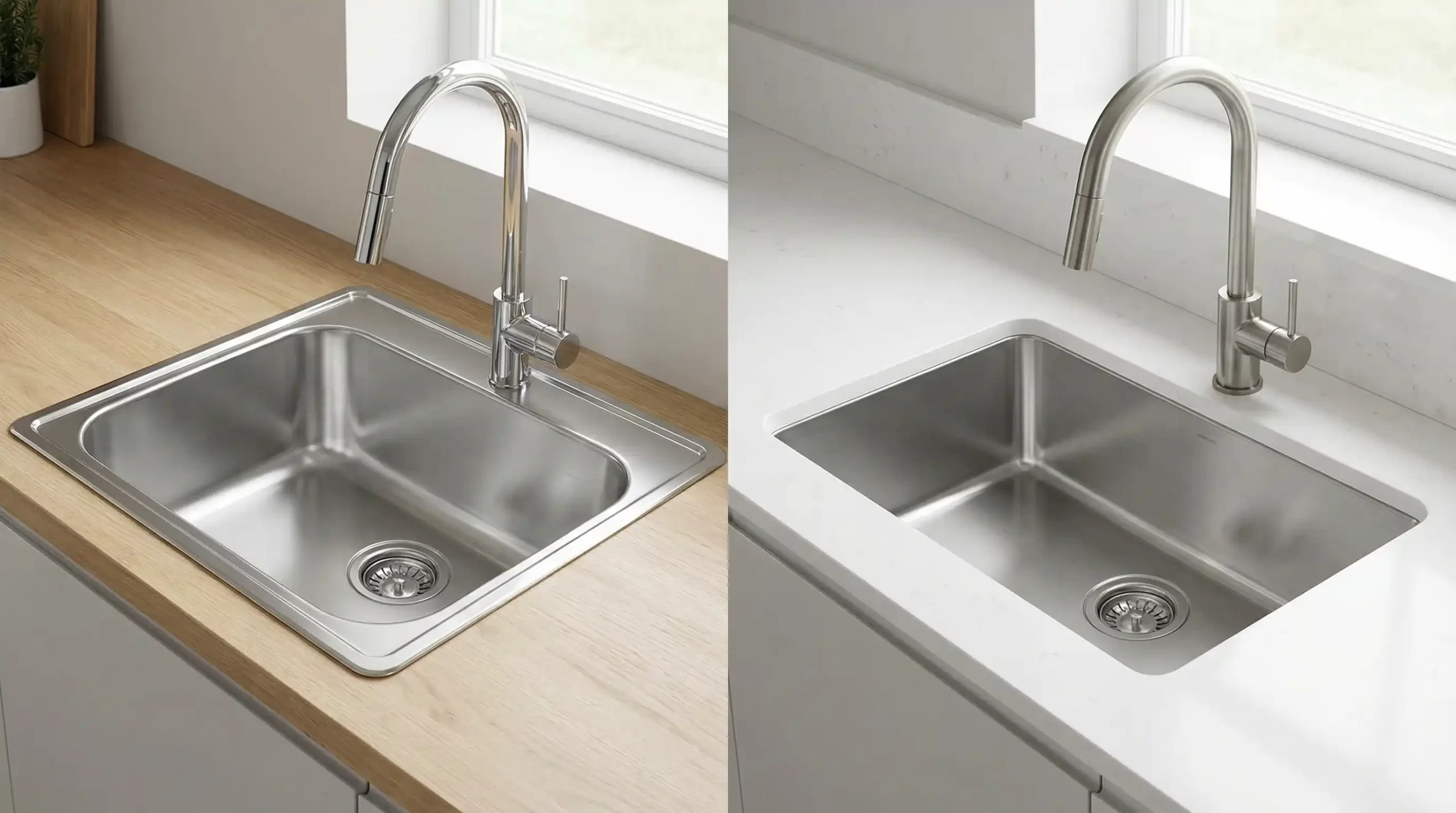
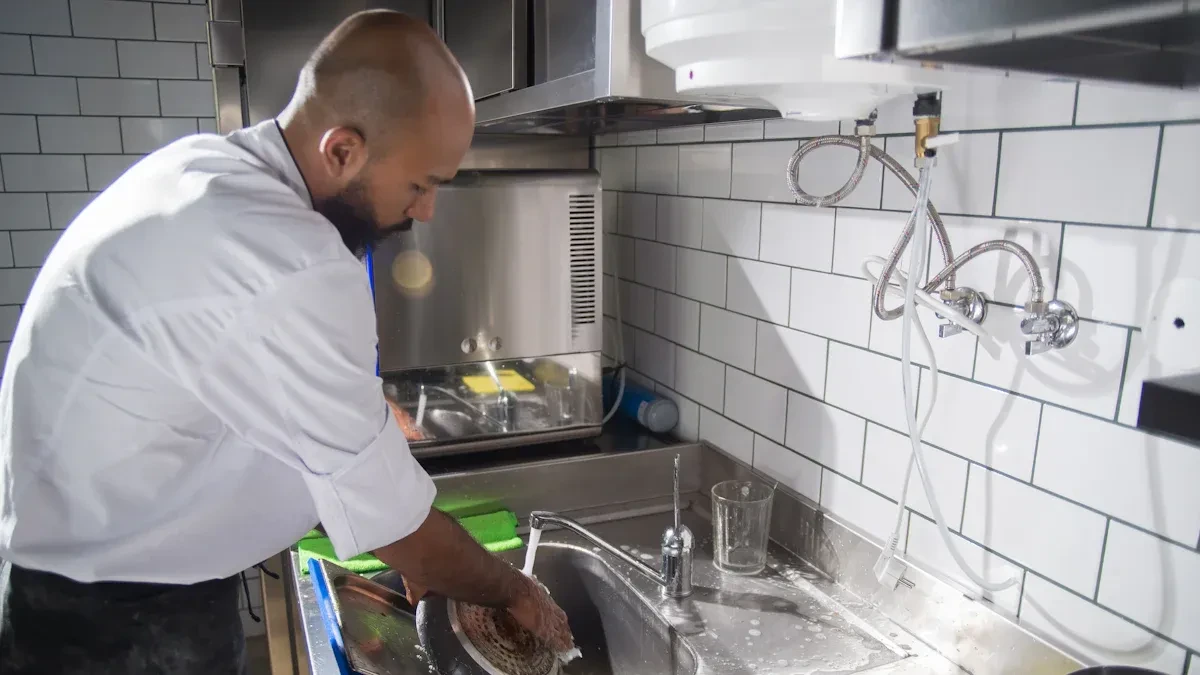
- Cleaning zone: Sinks and dishwashers are for washing dishes and tools.
- Storage zone: Shelves and cabinets hold dry food, cold items, and equipment.
Xinhe makes special stainless steel products for each zone. Their products help businesses build kitchens that are clean and work well.
Common Layout Types for Commercial Kitchens
Picking the best kitchen layout depends on space, staff, and menu. Here are three common choices:
| Layout Type | Description |
|---|---|
| Assembly Line Layout | Food moves in a straight line from prep to serving. This is great for fast-food and catering places. |
| Island Layout | A big island in the middle is for prep or cooking. It helps teams work together and is good for big kitchens. |
| Zone Style Layout | The kitchen is split into different work areas. Teams can do their jobs at the same time without getting in each other’s way. |
Each layout helps with different ways of working and business needs. Stainless steel equipment fits well in all these layouts.
Menu-Driven Design Considerations
The menu affects how the kitchen is set up. Hard menus need island layouts for better teamwork. Zone-style layouts are good for kitchens with many ways to cook. Clear lines between zones keep teams organized and food safe.
- Menu items show which zones matter most.
- Each zone should fit the jobs needed for the menu.
- One-way movement helps staff go from prep to cooking to cleaning easily.
A smart layout makes work easier and helps kitchens follow health rules.
Tip: Set up your kitchen zones for your busiest menu items. This keeps staff on track and cuts down on mistakes.

Open Concept Workflows with Stainless Steel Equipment
Benefits of Open Layouts in Commercial Kitchens
Open concept kitchens change how teams work together. Chefs and staff can move around without trouble. Diners watch the kitchen and feel included. Owners save money and see happier workers. These benefits are more than just looks. Here is what new studies found:
| Benefit | Description |
|---|---|
| Increased Transparency | Open kitchens let diners see food being made. This builds trust and makes customers feel good. |
| Chef Motivation | Chefs work harder when they see people enjoy their food. This helps them do a better job. |
| Cost Savings | Open kitchens need less space. Owners pay less for rent and repairs. |
Open layouts help many places like restaurants and cafeterias. They make it simple to keep things neat and clean. Stainless steel surfaces look nice and are easy to wipe. They do not stain and are simple to wash. Xinhe’s worktables, sinks, and cabinets fit well in open kitchens. Managers pick these because they last long and are easy to care for.
Arranging Stainless Steel Workstations for Flow
How you set up stations is important. Good setups keep the kitchen working well. Staff grab tools and food without bumping into each other. Stainless steel workstations can be moved around. Teams shift tables and sinks for what they need that day.
- Undershelves use space under tables for storage. Cooks get what they need fast and stay focused.
- Putting tools and supplies in set spots keeps things tidy. Staff find items quickly, even when busy.
- Backsplashes stop spills from spreading. Workers feel safe and sure.
Xinhe’s worktables come in many sizes. Sinks have deep bowls and splash guards for cleaning. Cabinets store supplies and keep paths open. In restaurants, prep stations are close to cooking lines. In food factories, big tables line up for making food. Cafeterias use carts to move food from prep to serving. Each place picks a setup that works best for them.
Tip: Put prep tables near cooking stations. This saves steps and makes service faster.
Space Efficiency and Safety Tips
Space is important in every kitchen. Smart designs help teams work fast and safe. Open kitchens use all space well. Stainless steel and modular tools make cleaning quick and let you change things easily.
A good kitchen design helps people work better. Staff move easily from prep to cooking to serving. This keeps things running smooth and cuts down on mistakes. Open kitchens also let air move better. Workers feel good and stay focused.
- Open kitchens help teams work together and talk more.
- Stainless steel stops germs and is easy to clean fast.
- Modular stations let managers change the setup for new menus or busy times.
- Good traffic flow stops crowding and keeps everyone safe.
Here are three steps for better space use:
- Make sure staff can move easily between stations.
- Put prep tables close to cooking lines for easy handoff.
- Set up workstations to stop crowding and help teams work together.
Xinhe’s modular stainless steel products help planners make flexible kitchens. Managers choose these because they can change layouts and keep kitchens safe.
Note: Always keep walkways clear. This helps stop accidents and lets staff move fast.
Modular & Flexible Stainless Steel Stations
Advantages of Modular Equipment in Commercial Kitchens
Modular stainless steel stations have changed how kitchen teams work. These stations give many good things to owners and managers. Stainless steel lasts a long time and stays shiny. It does not get rusty or break down easily. The surface does not let germs grow, so cleaning is fast. Xinhe’s modular products help planners design kitchens that fit their needs.
- Durability and Longevity: Stainless steel does not rust or corrode. Kitchens with water need strong equipment.
- Hygiene and Easy Maintenance: The smooth surface does not hold bacteria. Staff can wipe stations quickly to keep things safe.
- Sleek and Versatile Designs: Modular stations look modern. Owners pick shapes and sizes that fit their kitchen.
- Environmentally Friendly and Sustainable: Stainless steel can be recycled. This helps businesses make less waste.
Xinhe’s OEM and ODM services let B2B clients order custom stations. They can pick features that match their work and space.
Tip: Modular stations help teams change the kitchen for new menus or busy times. This keeps work moving and lowers mistakes.
Designing for Expansion and Menu Changes
Kitchens need to grow and change as business needs change. Modular stainless steel stations make this simple. Owners do not need to spend money on big changes. They can add or move stations when the menu changes or more staff join.
| Benefit | Description |
|---|---|
| Flexibility | Teams can add or move stations fast. No need for building work. |
| Operational Efficiency | Good layouts help staff work faster and save time. |
| Maintenance | Staff can fix or swap one station without stopping the kitchen. |
| Energy Efficiency | New equipment uses less power and water. This saves money and helps the planet. |
| Hygiene Management | Easy-to-clean surfaces and good air flow keep the kitchen safe. |
| Cost Control | Owners know when to replace parts, so costs stay the same. |
| Installation Speed | Modular stations set up fast. Kitchens open sooner and serve customers right away. |
Xinhe’s modular solutions help planners design kitchens that grow with the business. Owners can swap stations for new menu items or add more prep space when it gets busy.
Note: When planning a commercial kitchen layout, think about future changes. Modular stations make it easy to change things without slowing down service.
Real-World Applications and Layout Ideas
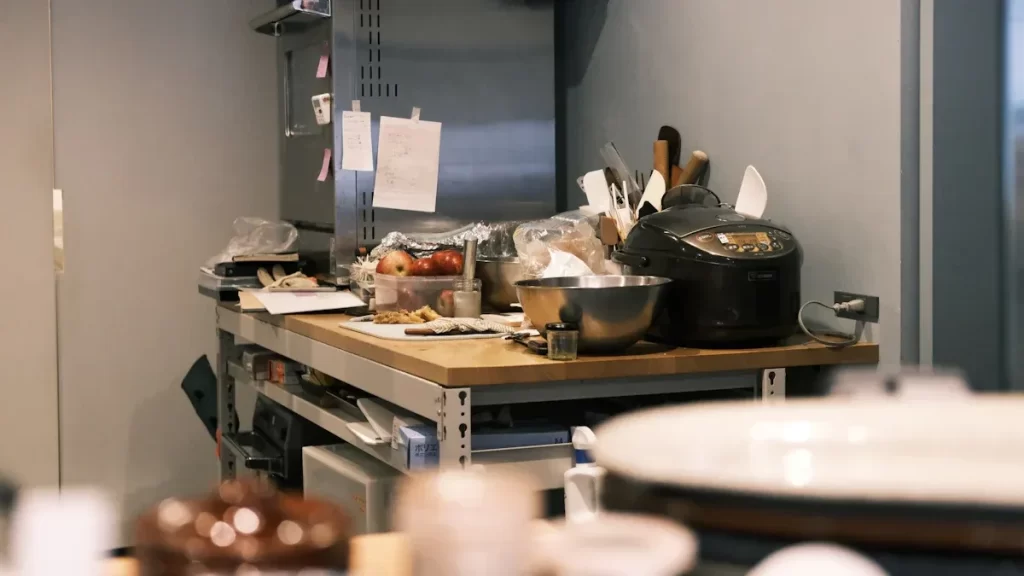
Many businesses use modular stainless steel stations to fix daily problems. Fast-food restaurants set up prep stations that staff can move. Universities use modular kitchens in cafeterias to follow safety rules and serve more students. Big bakeries use modular stations for dough prep and packing. This helps them work faster and fix problems quickly.
| Sector | Example Description | Benefits |
|---|---|---|
| Restaurants | Fast-food chains use modular units for prep stations. | Faster service, fewer health problems, lower repair costs. |
| Education | Universities switch old setups for modular kitchens in cafeterias. | Better workflow, improved hygiene, and safety. |
| Food Processing | Large bakeries use modular kitchens for dough prep and packing. | More work done, less downtime, easier repairs in busy kitchens. |
Other places like stadiums, schools, and shops also use modular stainless steel stations. Stadiums have over 90 food stands with strong prep stations. Schools like Armadale Senior High School use modular kitchens for cooking classes and tuckshops. Stores like Deli Italia need strong tables for lots of fresh food.
When picking modular equipment, B2B clients should look for high-quality stainless steel, like Grade 304. Custom metal work helps design stations that fit the kitchen’s shape and work style. Owners should talk with suppliers about their needs to get the right solutions. It is important to check that equipment is non-porous, easy to clean, and meets hygiene rules. Checking warranty details gives peace of mind and shows the maker stands by their products.
Checklist for Selecting Modular Stainless Steel Equipment:
- Make sure the equipment uses non-porous materials.
- Check that it is easy to clean and sterilize.
- Ask about hygiene and safety rules.
- Look at warranty terms and after-sales help.
Xinhe’s team works with planners and managers to design modular stations for each project. Their OEM/ODM services help clients build kitchens that work now and in the future.
Tip: Modular stations make it easy to add new menu items or grow your kitchen. Owners save time and money while keeping the kitchen safe and working well.
Integrated Storage & Sanitation Solutions
Stainless Steel Shelving and Storage Strategies
Stainless steel shelving helps keep kitchens neat and safe. Type 304 stainless steel is best for wet areas because it does not rust. Type 430 is good for dry storage and saves money. Kitchen managers put heavy things on the bottom shelves to stop them from falling. They spread out the weight so shelves do not bend. Tall shelves get fixed to walls, especially where earthquakes can happen. Staff look at shelves every day for damage or loose parts. They clean shelves with gentle cleaners and do not use rough tools. This keeps the shelves smooth and safe. These steps help kitchens stay safe and follow food safety rules.
- Put heavy things on lower shelves to keep them steady.
- Fix tall shelves to walls so they do not fall.
- Check shelves often for damage or loose parts.
- Clean with soft cleaners to stop scratches.
Layout Planning for Hygiene and Compliance
A smart kitchen layout uses storage that helps keep things clean. Many kitchens use the First-In, First-Out system to stop food waste. The six-inch rule keeps food off the floor and makes cleaning easy. NSF-certified equipment is non-porous and simple to clean. These rules keep customers safe and help people trust the brand. More kitchens want better storage as safety becomes more important.
| Practice | Benefit |
|---|---|
| First-In, First-Out (FIFO) | Cuts food waste and keeps food fresh. |
| 6-Inch Rule | Stops pests and makes cleaning simple. |
| NSF-Certified Equipment | Lowers germs and makes cleaning easy. |
| Compliance Impact | Keeps customers safe and helps the brand. |
| Market Growth | More kitchens buy storage to follow safety rules. |
Best Practices for Commercial Kitchen Layouts
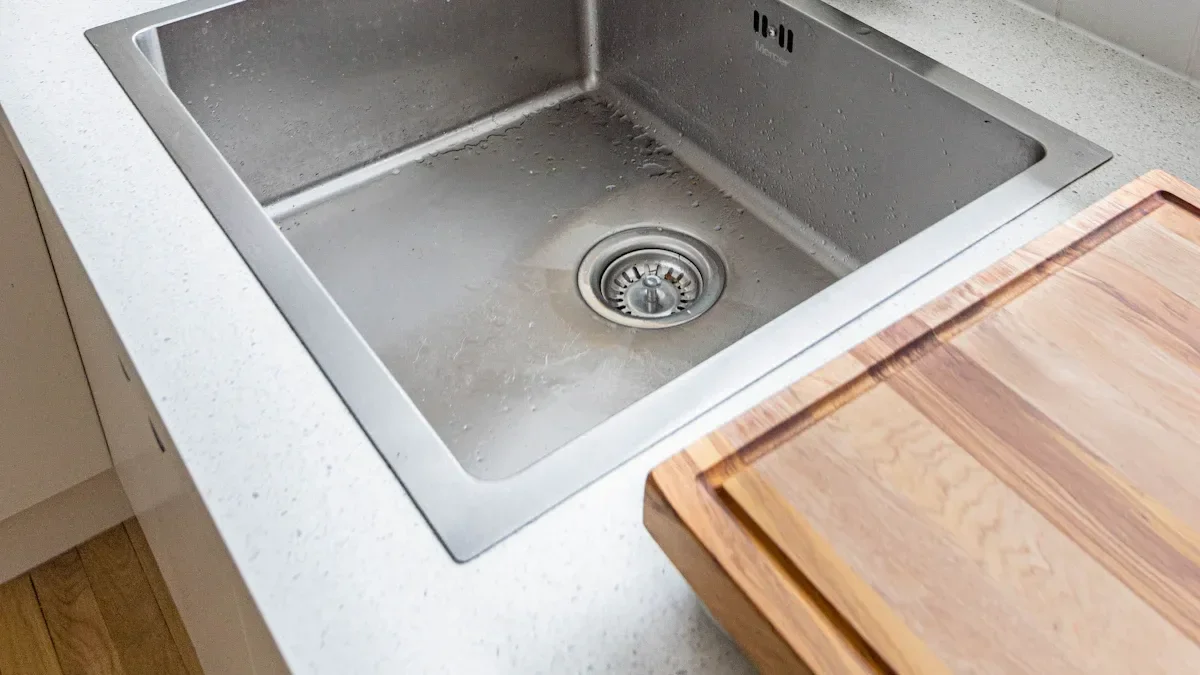
Clutter and bad dishwashing setups cause cleaning problems. Stainless steel sinks and tables help fix these issues. Splash-proof hand sinks and hot water sinks keep hands clean and stop germs. Dish tables and dishwasher stands made of stainless steel help staff move dishes from dirty to clean fast. Surfaces that resist germs make cleaning simple and keep bacteria away.
Busy places like hospitals and schools need smart layouts. Mobile carts in busy spots help staff save time. Under-counter carts use space that is often wasted and help people move around. Cabinets that can be changed make supply rooms safer and neater. Modular stainless steel cabinets are good for labs, break rooms, and kitchens. Schools use flexible storage to meet new needs.
Tip: Clean and check stainless steel storage and sinks often to keep them working well.
Xinhe has many stainless steel shelves, sinks, and cleaning fixtures. Their products help planners build kitchens that are clean and work well in busy places.
Product Selection Guide for Stainless Steel Commercial Kitchens
Choosing the Right Stainless Steel Equipment
Picking the right stainless steel equipment is very important. It can help a commercial kitchen work well or cause problems. Facility planners and procurement managers should think about a few main things:
- Exposure to Corrosive Elements: Kitchens with lots of acidic foods or strong cleaners need better stainless steel, like Grade 316.
- Budget Considerations: Grade 430 is cheaper but does not fight rust as well as Grade 304 or 316.
- Maintenance Needs: Grade 304 is easier to clean and take care of than Grade 430.
- Durability and Performance: Busy kitchens need equipment that is strong and lasts a long time.
Different jobs in the kitchen need different grades of stainless steel. Deep fryers must handle heat and grease. Shelves need to be strong and easy to clean.
Corrosion is a big problem in busy kitchens. Water, acids, and cleaning chemicals can hurt equipment. Type 304 stainless steel is strong against these things and helps kitchens keep working.
Comparing Product Lines and Customization Options
Xinhe has many stainless steel products for every kitchen area. Their B2B catalog has worktables, sinks, cabinets, and more. Facility planners can pick standard models or ask for custom sizes and features.
| Aspect | Details |
|---|---|
| Durability | Stainless steel stands up to heat, rust, and daily use. |
| Customization | Xinhe’s OEM/ODM services let buyers order special shapes, sizes, and finishes. |
| Cost | Stainless steel costs more at first but lasts longer and needs fewer repairs. |
Many types of equipment can be made special for each kitchen. Food-prep stations can use 304 or 316 stainless steel for extra strength and easy cleaning. Custom-made pieces fit the kitchen just right.
- Durable 304 series stainless steel
- Extra protection for tough kitchen jobs
Application Case Studies
Real-life stories show how good equipment choices help kitchens do better.
| Case Study | Description |
|---|---|
| Arby’s | Switched to energy-saving equipment and lowered utility bills. |
| Red Robin Gourmet Burgers | Used certified equipment to save energy at all locations. |
| Austin Public Schools | Got better menu choices and saved energy with new kitchen tools. |
| Shari’s Café & Pies | Made customers happy and saved money with efficient stainless steel equipment. |
Facility planners should look for certification marks like NSF, UL, ETL, and CSA. These marks mean the equipment is safe and strong. Cleaning and taking care of equipment helps it last longer and keeps kitchens safe.
Tip: Work with trusted suppliers like Xinhe to make sure your kitchen equipment is high quality and arrives on time.
Stainless steel kitchens look great with open layouts, modular stations, and smart storage. These new ideas help kitchens work faster, stay clean, and change easily. Xinhe is a trusted company for business clients. They use new technology, have many products, and care about their customers:
| Feature | Description |
|---|---|
| Product Range | Sinks, tables, cabinets, shelves |
| Certifications | ISO9001, CUPC, CE, Watermark |
| R&D Team | Nearly 20 senior engineers |
Before you start planning, kitchen teams should do a few things. They need to measure the space and check how work gets done. They should pick equipment that fits daily jobs. It is important to think about safety and make cleaning simple.
Want to make your kitchen better? Go to Xinhe’s website for layout ideas and get a free checklist for planning.
FAQ
What makes stainless steel the best choice for commercial kitchen layouts?
Stainless steel resists rust and stains. It cleans up fast and looks professional. Many chefs trust stainless steel for food safety and durability. Facility managers like how it lasts for years.
Modular stations move or swap out easily. Teams add new prep areas or cooking zones for new menu items. Owners save time and money by avoiding big renovations.
What layout tips help kitchens meet hygiene standards?
Managers use stainless steel sinks and shelves. They keep food off the floor and follow the six-inch rule. Staff clean surfaces often. These steps help kitchens pass health inspections.
Can Xinhe customize stainless steel equipment for unique projects?
Xinhe offers OEM and ODM services. Planners share their needs, and Xinhe designs equipment to fit any space or workflow. Custom solutions help businesses work smarter.
Which stainless steel grade works best for high-traffic kitchens?
Grade 304 stainless steel stands up to heavy use and frequent cleaning. It resists corrosion and keeps kitchens safe. Many restaurants and schools choose Grade 304 for busy areas.