
What Is Driving Stainless Steel Sink Price Changes This Year
2025-12-23
B2B buyers often have a hard time keeping up with stainless steel sink price changes. The market changes quickly. There are a few main reasons for these changes:
- Buyers want more sinks that are built into kitchens and are easy to keep clean.
- More people want high-quality sinks made from 316 stainless steel.
- The price of raw materials goes up and down, so it is harder to plan budgets.
Stainless Steel Sink Price Trends In 2026
Raw Material Cost Impact
In 2026, making stainless steel sinks costs more because of raw materials. Nickel and chromium are very important for these sinks. Nickel now costs over $15,000 for each ton. Experts think this price will not change much soon. Chromium prices went up in August 2025. But the market still feels shaky. There is a lot of chromium, but not enough stainless steel is being made. This makes it hard for companies to know what their costs will be. When raw material prices go up, the stainless steel sink price usually goes up too. Buyers should pay attention to these changes.
Key points:
- Nickel and chromium prices change a lot.
- Unstable markets make it hard for companies to plan.
- Higher raw material costs mean higher stainless steel sink price.
- B2B buyers should watch these costs to plan budgets.
Supply Chain And Tariff Factors
Supply chain problems make things harder in 2026. Many companies have to wait longer for materials. Prices for materials also change a lot. Some companies cannot keep their prices steady. This is a big problem in places where buyers care about cost. Small companies sometimes cannot handle these changes. This can cause delays or less money for them. Tariffs are also important.
Stainless analyst Katie Benchina Olsen says, “The U.S. flat-rolled stainless steel market always needs imports to meet demand. Some years, imports were over 30%, but usually it is about 18%. Because of this, a fast 50% tariff is causing big problems for the stainless steel industry. This will also affect the stainless steel price.”
Xinhe is a good example. Their factory in Vietnam does not have tariffs. This helps them keep prices steady and fair, even when others pay high tariffs.
Key points:
- Supply chain problems cause price changes and delays.
- Tariffs can make imported sinks cost more.
- Companies with factories in places like Vietnam can keep prices steady.
- B2B buyers should ask about supply chain and tariff plans.
Market Growth And Demand
The market for stainless steel sinks is getting bigger in 2026. Experts think it will grow by 5.1%. More people want sinks for homes and businesses. Built-in stainless steel sinks are very popular. They are expected to grow by 4.8% each year from 2026 to 2032. Cities are growing and more buildings are being made. This makes more people want stainless steel sinks. Many buyers pick these sinks because they look nice and last long. When more people want sinks, the stainless steel sink price can go up, especially if there are not enough sinks.
Key points:
- The market is growing by 5.1% in 2026.
- Both homes and businesses want more sinks.
- Built-in sinks are getting more popular.
- Cities and new buildings make demand go up.
- More demand can make the stainless steel sink price rise.
Demand Drivers And Application Trends
Residential And Commercial Demand
People want stainless steel sinks for many reasons. Homeowners like sinks that last and are easy to clean. They also want sinks that look nice in their kitchens. Builders get more requests for special shapes and colors. In restaurants and hotels, sinks must be strong and safe for heavy use.
- More people want kitchen products that last and stay clean.
- The number of new homes keeps going up.
- People care more about being eco-friendly.
At home, people pick sinks based on style and what they like. In businesses, sinks need to be tough and do many jobs. Hotels and restaurants want sinks that help them work faster and keep things clean.
Industrial And Public Sector Needs
Factories, schools, and hospitals have special needs for sinks. They pick stainless steel because germs cannot grow on it. The surface does not let in liquids or bacteria. This helps keep food and people safe. These sinks last long and are simple to clean. Many public places need sinks that are strong and follow safety rules.
- Stainless steel is one of the cleanest materials.
- It works well in busy places like hospitals and schools.
- Sinks must be strong, hard to break, and meet safety rules.
- Custom sinks help different jobs get what they need.
When factories and public places buy more sinks, prices can go up or down. It depends on how many sinks are available.
Product Innovation And Customization
New ideas are changing how sinks are made. Companies use AI and special coatings that fight germs. These changes make sinks better and sometimes cheaper. People also want sinks that are good for the planet and made just for them. They ask for special sizes, shapes, and colors.
| Aspect | Description |
|---|---|
| Flexible Size/Material | Custom sizes, high-durability 316 stainless steel |
| Design Innovation | 3D shapes, OEM optimization |
| Surface/Features | Nano-coating, anti-slip, color options |
| Cost Control | Tiered pricing, contract discounts |
| Quality & Compliance | Third-party certification, 20+ years durability |
These trends help buyers get what they want. They also change how companies set their prices.
Regional Influences On Stainless Steel Sink Price
Asia-Pacific Market Dynamics
The Asia-Pacific area is growing fast in stainless steel sinks. Many people buy sinks from here because they are cheap and good quality. China and Vietnam are very important in this market. Xinhe has factories in both places. This helps them keep prices low and always have sinks to sell.
- The Asia-Pacific market is getting bigger every year. It should grow by 4.53% each year from 2026 to 2033.
- Kitchen sink sales will go up from USD 1201.39 million in 2024 to USD 1789.42 million by 2033.
- China makes half of the world’s steel. This means factories can get materials easily.
- There are more than 1,000 stainless steel factories in China. This makes companies compete and offer better prices.
- Factories in Guangdong and Fujian send out products quickly.
- Vietnam can ship sinks without tariffs. This helps brands like Xinhe keep prices steady for buyers everywhere.
Tip: If you buy from Asia-Pacific, you might pay less and get your sinks faster.
North America And Europe Trends
North America and Europe are still big markets for stainless steel sinks. These places care about new ideas, technology, and being green. Local rules and what buyers want change the market and prices.
- The market was worth USD 4.5 billion in 2024. It should reach USD 7.10 billion by 2033.
- The market should grow by 5.2% each year from 2026 to 2033.
- North America spends money on new technology and smart kitchens.
- Europe wants eco-friendly sinks and strong rules for being green.
- Buyers here want special sinks that are good for the planet.
- Rules in Canada and Europe make people want sinks that last and help the environment.
Note: Local rules and what buyers like can make stainless steel sink prices higher in these places.
Global Supply Chain Shifts
How companies get and move sinks is always changing. Makers try to stop delays and keep costs down. Xinhe’s factories in China and Vietnam help them stay ready for changes.
- China’s supply chain is close together. This means fast making and shipping.
- Southeast Asian makers have trouble getting parts from far away.
- Brands with factories in places like Vietnam can keep prices steady.
- Buyers around the world want sinks that come on time and cost what they expect.
- Changing supply chain plans helps companies keep up with the market and offer good prices.
Buyers should ask where sinks come from so they do not get surprised by price or delivery changes.
Industry Developments
Technological Advancements
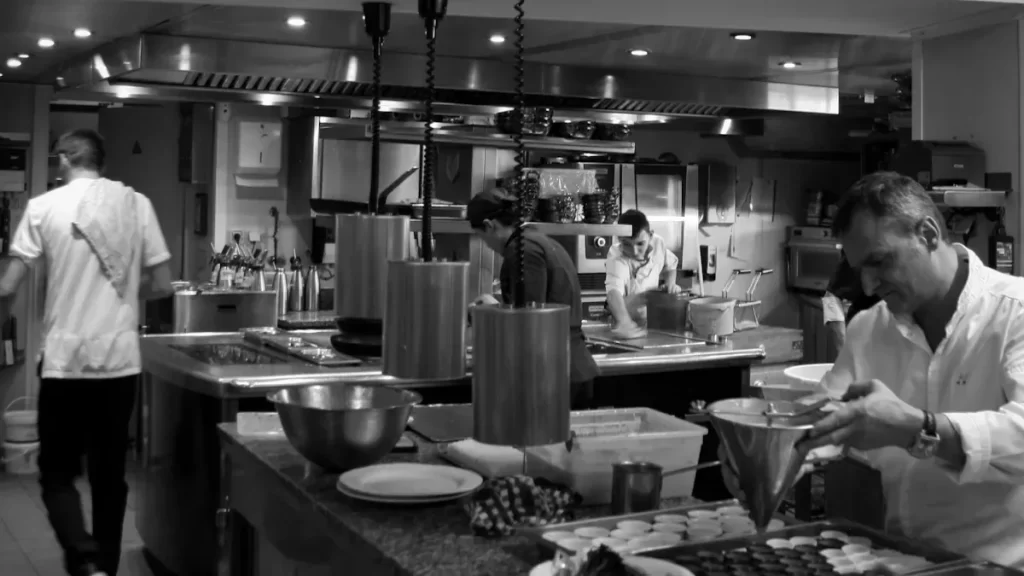
Technology is changing how sinks are made. New machines help factories make sinks faster. Smart tools help workers waste less material. This helps lower costs and makes sinks better.
New technology can cut costs by about 8% each year. Brands use stronger materials and special coatings. This helps sinks last longer. Some sinks have features like less noise and easy cleaning. Companies let buyers pick custom sizes, colors, and shapes.
When technology gets better, buyers get more choices. Sinks can cost less or stay the same, even if other costs go up.
Regulatory And Environmental Factors
Rules and green standards affect the market. Governments want products to be safe and clean. Companies must follow these rules. This can change how much sinks cost.
| Regulation Type | Impact on Prices |
|---|---|
| Building Codes | Increased compliance costs for manufacturers |
| Environmental Standards | Necessitated innovation, affecting pricing |
| Material Safety Regulations | Influenced material sourcing and costs |
New building codes mean companies spend more to meet rules. Green standards make brands use eco-friendly materials. Safety rules change where companies get their materials.
Buyers should check if sinks follow local rules. This helps avoid problems with cost or delivery.
Challenges And Restraints In Price Changes
Economic Uncertainty And Inflation
Economic uncertainty and inflation affect stainless steel sink price changes. Prices for nickel and chromium go up and down often. Shipping delays and trade rules make things harder for makers. In 2025, stainless steel sink price was different in each country. The USA had prices at $3,584 per metric ton. Germany had prices at $3,198. China had prices at $1,890. These numbers show how local supply and demand change costs.
| Factor | Impact on Prices |
|---|---|
| Raw Material Costs | Nickel prices between $15,000–$20,000 per tonne affect pricing. |
| Supply Chain Disruptions | Shipping delays and shortages change inventory and delivery times. |
| Trade Policies and Tariffs | Import and export rules change supply chains and prices. |
| Demand Fluctuations | Different demand in each area makes prices change. |
Key Points:
- Raw material costs and inflation make prices go up.
- Shipping delays and tariffs add more problems.
- Local markets create price differences.
Supply Shortages And Inventory Risks
Factories have problems when they cannot get enough steel. Natural disasters and worker strikes slow down the supply chain. When factories do not get materials, orders are late. Steel price changes make it hard to plan budgets. Many factories try to fix their supply chains after the pandemic. But shortages still happen.
- Not enough materials means higher demand and empty shelves.
- Steel factories work hard to fill orders.
- Inventory risks get worse when prices change fast.
Tip: Buyers should ask suppliers about inventory plans to avoid delays.
Buyer Sensitivity And Competition
Buyers care a lot about price, especially in growing countries. Many pick cheaper sinks instead of expensive ones. A survey in India showed 49% of kitchen remodelers choose by budget. More companies in the market make competition stronger. Makers must offer new styles and better features to stand out.
- Price-sensitive buyers stop suppliers from raising prices too much.
- More brands and new materials make competition tough.
- Companies must balance quality and cost to keep customers.
Note: Brands like Xinhe use smart supply chain plans to keep prices steady and help buyers.
Stainless steel sink price changes in 2026 come from raw material costs, supply chain shifts, and growing demand. Nickel and chromium prices lead the way. Tariffs and shipping delays also play a big role. Many buyers look for sinks that last and fit new trends. The market may see more price changes as the year goes on. For the latest updates and expert advice, B2B buyers can visit Xinhe’s website or talk with industry specialists.
FAQ
What affects stainless steel sink price the most?
Raw material costs matter a lot. Supply chain problems also change prices. Demand trends are important too. Nickel and chromium prices go up and down. Shipping delays and tariffs make prices change.
How can buyers get stable stainless steel sink prices?
Buyers should ask suppliers for long-term contracts. Picking brands with factories in tariff-free places helps.
Are custom stainless steel sinks more expensive?
Custom sinks cost more than regular ones. Price depends on size and material grade. Special features can make sinks cost more. Buying many sinks at once can lower the price per sink.
What should B2B buyers check before ordering?
- Check product certifications and quality standards
- Look at delivery times and inventory plans
- See if the supplier has experience with big projects
- Ask about warranty and after-sales support
Can stainless steel sink prices drop in the future?
Prices can drop if raw material costs go down. Better supply chains may help prices fall. Market demand and new technology can also change prices later.