
Why Choose a 16 Gauge Stainless Steel Sink Over 18 Gauge
2025-12-22
Choosing the right sink is important for a busy kitchen. Many buyers have hard choices when they want durability, less noise, and good style. A 16 gauge stainless steel sink is special for a few reasons:
- Thicker build helps stop dents and strong hits.
- More material makes the sink quieter to use.
- Nice look makes any kitchen feel more fancy.
What Makes 16 Gauge Stainless Steel Sinks Superior
Understanding Gauge and Thickness
- Gauge tells us how thick the stainless steel is in sinks. A lower gauge number means the steel is thicker and stronger.
- Picking the right gauge helps sinks last longer, stay quieter, and be a better value for busy kitchens.
Have you ever noticed some sinks feel stronger? That is because of the gauge. Gauge is a way to measure how thick the steel is. A 16 gauge stainless steel sink has steel that is 0.063 inches (1.59 mm) thick. An 18 gauge sink has steel that is 0.047 inches (1.2 mm) thick. The smaller the gauge number, the thicker and tougher the sink will be.
Here’s a quick comparison:
| Gauge | Thickness (inches) | Thickness (mm) |
|---|---|---|
| 16 | 0.063 | 1.59 |
| 18 | 0.047 | 1.2 |
A thicker sink does not dent or get damaged as easily. This is important for busy homes and commercial kitchens. Some people think all stainless steel sinks are alike, but the gauge really matters for how well the sink works over time.
Xinhe uses strict rules when making sinks, like ISO 9001 for quality and NSF/ANSI for food safety. These rules make sure every 16 gauge stainless steel sink is thick and strong.
Impact of Thickness on Performance
- Thicker sinks are stronger, do not dent easily, and are quieter. This means your kitchen is less noisy and your sink lasts longer.
- Picking between 16 and 18 gauge changes how you use, clean, and enjoy your sink at home or work.
A thicker sink is not just about looks. It can handle heavy pots and pans every day. A 16 gauge stainless steel sink is harder to dent or scratch, even in busy kitchens. Thicker steel also makes less noise, so washing dishes is quieter and nicer.
Let’s see how thickness changes what a sink can do:
| Gauge | Thickness | Durability | Sound Insulation | Use Cases |
|---|---|---|---|---|
| 16 | Thicker | More durable, less likely to dent or scratch | Better sound insulation, quieter operation | Premium sinks, countertops |
| 18 | Thinner | Less resilient under heavy use | Less effective sound insulation | Multitasking in the kitchen, panels, covers |
Some people think an 18 gauge sink is just as strong, but it is not. The thicker steel in a 16 gauge stainless steel sink keeps noise down and handles tough jobs. This is why restaurants, hospitals, and homes that need strong sinks pick 16 gauge.
Tip: Stainless steel can be recycled, so picking a thicker sink helps the planet and cuts down on waste.
Facility managers and people who buy sinks for work often pick 16 gauge sinks. They are strong, quiet, and last a long time, even with lots of use.
Durability and Strength of 16 Gauge Stainless Steel Sink
Resistance to Dents and Damage
Kitchen sinks get used a lot every day. People put heavy pots and sharp tools in them. Cleaning products can also cause damage over time. Thinner sinks often get dents or scratches after a short time. A 16 gauge stainless steel sink is much tougher. The thicker steel helps stop dents and damage, even in busy kitchens.
Facility managers want sinks that last a long time. They need sinks that can handle lots of use without getting ruined. The strong design of a 16 gauge stainless steel sink makes it great for busy places. It keeps its shape and looks nice, even when used all day.
Here’s why these sinks are so strong:
| Feature | Description |
|---|---|
| Material | Made from 304 stainless steel, which fights rust and corrosion. |
| Thickness | 16 gauge steel (1.5 mm) resists bending and denting. |
| Design | Reinforced ribs help the sink hold heavy items without warping. |
| Finish | Smooth, burr-free edges protect hands and keep the sink looking new. |
Tip: Sinks with thicker steel do not get damaged as easily by dropped pans or cleaning chemicals.
Longevity in Commercial and Residential Settings
People want sinks that last for many years. In restaurants, hospitals, and schools, sinks get used all the time. A 16 gauge stainless steel sink gives good value for a long time.
- Stainless steel sinks can last for years with little care.
- Most mid-quality stainless steel sinks last 15 to 20 years.
- They do not get stained or damaged by heat, so they stay nice.
Commercial sinks must survive tough jobs. Many home sinks would not last in a busy restaurant or bakery. Good commercial sinks, like those from Xinhe, can last 15 to 20 years, even with lots of use.
Facility managers and buyers pick these sinks for many reasons:
- Stainless steel sinks help meet health code rules.
- The smooth surface makes cleaning and sanitizing easy.
- Meeting health standards helps avoid fines and keeps kitchens safe.
| Gauge | Application | Durability |
|---|---|---|
| 16 | Industrial spaces, bakeries, labs | High durability for wear and tear |
| 18 | Residential kitchens | Lower durability, lighter use |
Noise Reduction and User Comfort
Sound Dampening Benefits
Kitchens can get loud very quickly. Pots make noise, water splashes, and dishes hit the sink. Some sinks make these sounds even louder. A 16 gauge stainless steel sink helps with this problem. The thicker steel soaks up more sound, so the kitchen is quieter. People who use these sinks say they hear less banging and echoing.
Take a look at how thickness changes sound dampening:
| Gauge | Thickness | Sound Dampening |
|---|---|---|
| 16 | Thicker | Better |
| 18 | Thinner | Less |
The thick material in a 16 gauge sink works like a shield. It blocks noise from pots, pans, and running water. This makes the kitchen a calmer place to work or relax. Some sinks also have special pads or coatings for soundproofing. These features help even more with keeping things quiet.
Enhanced Comfort in Daily Use
Comfort is important when using a sink every day. The design of a 16 gauge stainless steel sink makes it easier and nicer to use. Many models have features that help with daily chores.
Here are some features that make things more comfortable:
| Feature | Benefit |
|---|---|
| Integrated Ledge System | Lets users put accessories over the sink, making work faster and easier. |
| Soundproofing | Special pads or coatings keep things quiet, even during heavy use. |
| Drainage Design | Off-set drains and sloped bottoms stop water from pooling, so cleaning is simple. |
| Durability | Strong steel resists dents and rust, so the sink feels sturdy and safe to use. |
| Rust-resistant Finish | Keeps the sink looking clean and new, which makes users feel good about their workspace. |
Appearance, Finish, and Customization Options
Premium Look and Feel
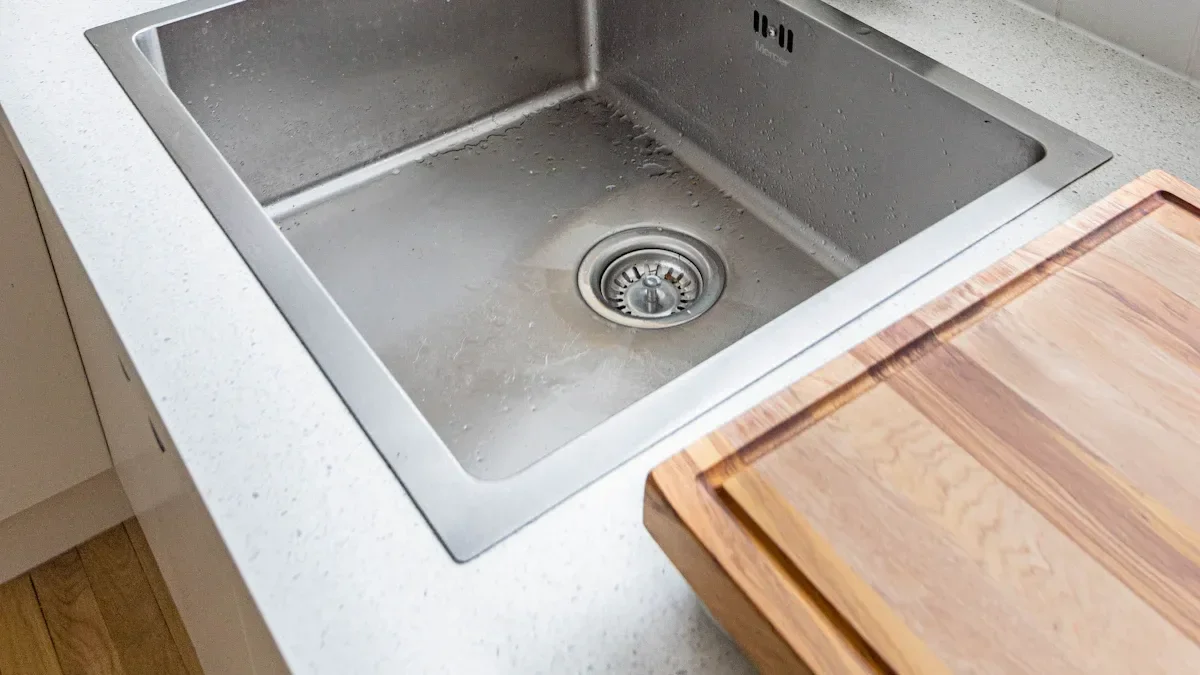
A kitchen sink is more than just a place for water. It helps set the style and feel of the kitchen. Many people see the smooth shape and shiny look of a 16 gauge stainless steel sink right away. The thicker steel makes the sink feel strong and fancy. It does not dent easily and keeps its shape, so it always looks nice. The finish stays bright and is simple to clean, even after many years. Some sinks have brushed or satin finishes that hide water spots and fingerprints. This keeps the kitchen looking neat and professional.
Facility managers and designers like these sinks for their modern look. The straight edges and deep bowls work well in both busy kitchens and stylish homes. A good sink can even make a property worth more.
Note: A nice finish looks great and also makes cleaning easier.
Customization for Diverse Needs
Every kitchen is not the same. Some need deeper bowls, and others want special extras. Xinhe gives many ways to customize sinks for different needs. People can choose the size, finish, and even put their own logo on the sink. This helps businesses make their kitchen look special or match their brand.
Here is a quick look at the customization options available:
| Customization Aspect | Details |
|---|---|
| Dimensions | Custom sizes for any project |
| Materials | Different stainless steel types and finishes |
| Finishing | Multiple finish options for style and function |
| OEM Products | Custom designs from client drawings or samples |
| Custom Logos | Add company logos for branding |
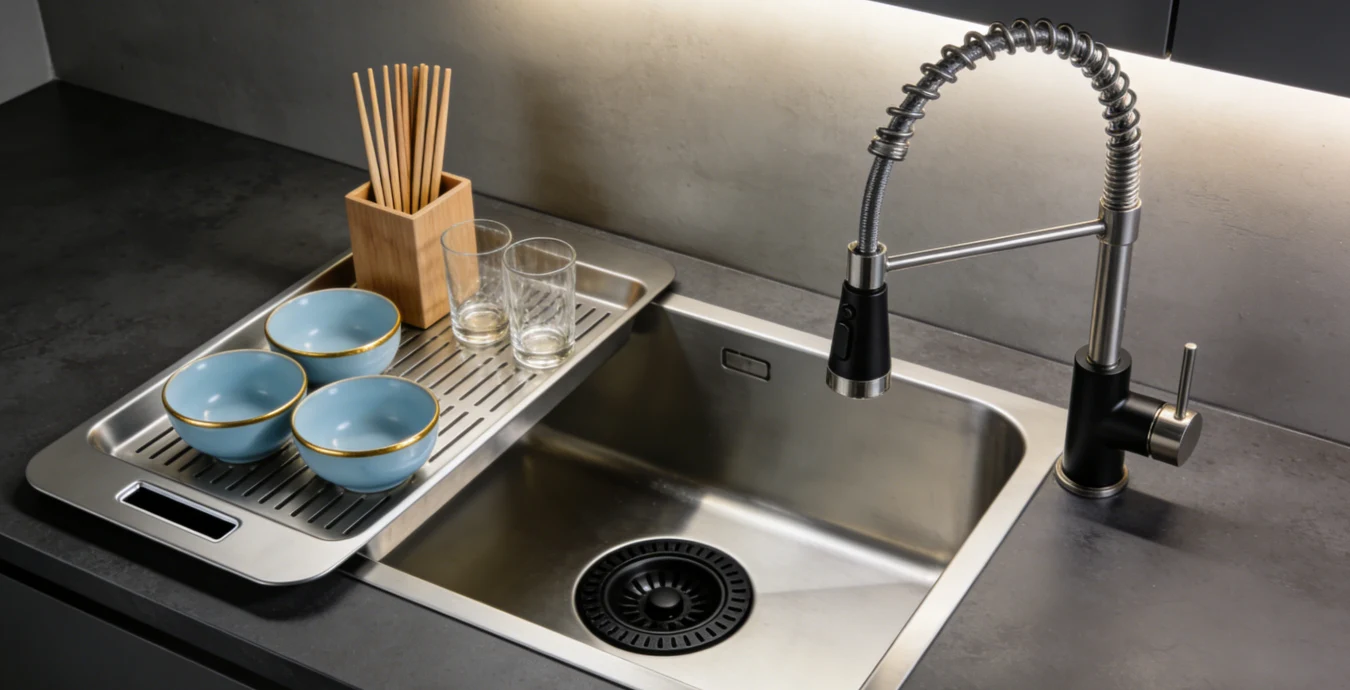
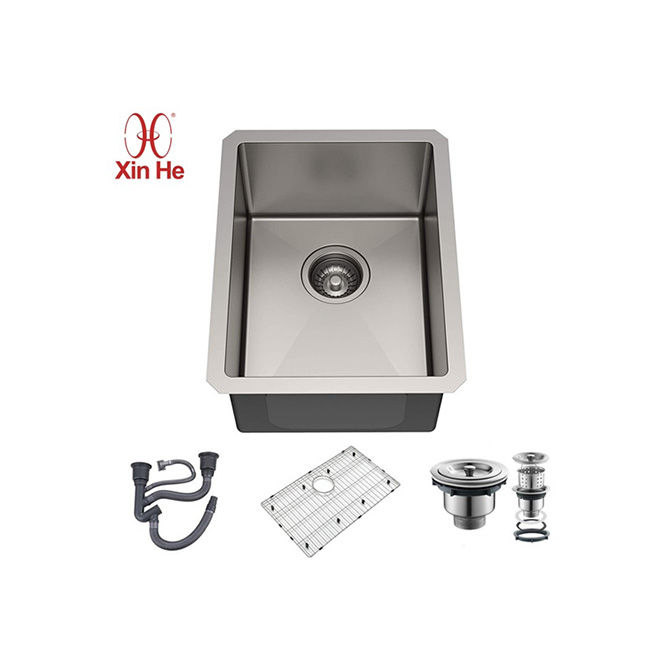
| Accessories | Sound pads, strainers, grids, drain pipes, cutting boards, drying racks |
Xinhe works with many clients around the world. Some important facts are:
- They always deliver orders on time, even big ones
- 38% of clients order again, which means they are happy
These choices help buyers fix real problems. They can get sinks that fit what they need, whether for a busy restaurant, a hospital, or a new apartment building.
Cost, Value, and Trade-Offs
Price Comparison and Long-Term Value
Many buyers look at price first. They want to know if thicker sinks are worth more money. A 16 gauge stainless steel sink costs more than an 18 gauge sink. This is because it uses more steel and is built stronger. Over time, thicker sinks save money. They do not dent or break as easily. Fewer repairs mean less work for facility managers.
Xinhe helps customers save in other ways. Their factory in Vietnam has a 0 tariff advantage. This lowers the total cost for buyers. Buyers pay less in hidden fees. The company also helps with paperwork. This makes buying from other countries easier. Good quality means fewer problems and returns. This keeps costs low.
Here is what buyers should think about:
| Factor | Description |
|---|---|
| Total Landed Cost | Includes tariffs, shipping, and hidden fees |
| Quality Consistency | Fewer defects, less need for replacements |
| Competitive Pricing | Lower upfront cost with long-term savings |
| Customization Options | Tailored sinks for specific projects |
| Documentation Support | Easier international purchasing |
Tip: Buyers should check the total cost, not just the price. Sinks that last longer help save money over time.
When 18 Gauge May Be Sufficient
Not every kitchen needs the thickest sink. Some kitchens do not get used much. In these places, an 18 gauge stainless steel sink works fine. Small kitchens or places with less use do not need extra strength. These sinks are good for washing dishes and making food. They cost less, so buyers can save money.
Facility managers should think about what they need. If the kitchen has heavy pots or gets used a lot, a thicker sink is better. For normal use, an 18 gauge sink is a smart and cheap choice.
Here are times when 18 gauge sinks are best:
- Regular kitchen use at home or in small offices
- Small spaces with little counter room
- Projects with tight budgets
- Jobs that do not need strong sinks
B2B buyers should balance quality, budget, and needs. They can check how much the sink will be used. They should measure the space and look for needed features. The steel grade matters too. Grade 304 stainless steel does not rust easily and works well in most kitchens.
Conclusion
A 16 gauge stainless steel sink is strong and lasts a long time. It is also quieter and looks fancy in the kitchen. The table below shows how 16 gauge and 18 gauge sinks are different:
| Feature | 16 Gauge | 18 Gauge |
|---|---|---|
| Durability | Less likely to dent or scratch | More prone to damage |
| Sound Absorption | Quieter | Louder |
Xinhe can help buyers pick the right sink for their needs. They also offer custom choices for any project. If you want more details or help, you can contact here.
FAQ
What is the main difference between 16 gauge and 18 gauge stainless steel sinks?
A 16 gauge sink uses thicker steel than an 18 gauge sink. Thicker steel means more durability, better noise reduction, and a premium feel. Many commercial kitchens prefer 16 gauge for heavy use.
Does a 16 gauge stainless steel sink resist dents better?
Yes, thicker steel resists dents and damage from heavy pots or daily use. Facility managers often choose 16 gauge sinks for busy kitchens, hospitals, and schools because they last longer.
Are 16 gauge sinks harder to install than 18 gauge sinks?
No, both gauges install in similar ways. The main difference is weight. A 16 gauge sink feels heavier, so installers should check countertop support and use strong mounting clips.
How do I keep my stainless steel sink looking new?
Rinse the sink after each use. Wipe with a soft cloth. Use mild soap or baking soda for tough stains. Always clean along the grain. Regular care helps the sink stay shiny and rust-free.
Can Xinhe customize stainless steel sinks for special projects?
Xinhe offers OEM and ODM services for custom sinks. Buyers can choose sizes, finishes, and accessories. Custom logos and features help meet unique project needs in commercial and residential spaces.