
3-Compartment Sink Temperature: What Health Inspectors Require
2025-11-07
Every kitchen team needs to know the right temperatures for cleaning equipment in a 3-Compartment Sink. Health inspectors check if staff keep water hot enough to kill germs and follow the proper steps. The first and second sinks should reach at least 110°F, while the third sanitizing sink must hit 171°F or higher. Here’s a quick look:
| Compartment | Required Temperature |
|---|---|
| First Sink | Minimum 110°F |
| Second Sink | Minimum 110°F |
| Third Sanitizing Sink | 171°F or hotter |
Staying on top of these standards helps every business keep food safe and pass inspections.
3-Compartment Sink Temperature Standards
Wash and Rinse Temperatures
The first two compartments are for washing and rinsing. Staff fill them with hot water. The water must be at least 110°F. This hot water helps get food and grease off dishes. It also helps detergents work better. Cleaning is easier when the water is hot enough.
Tip: Always use a waterproof thermometer to check the water. Health inspectors may want to see proof that the water is hot.
Why is temperature important for washing and rinsing? Hot water breaks down stuck-on food. It also gets rid of soap and dirt before sanitizing. If the water is cooler than 110°F, cleaning does not work as well. Germs might stay on the dishes.
Here is a simple checklist for washing and rinsing:
- Fill both sinks with fresh water at 110°F or more.
- Put the right amount of detergent in the first sink.
- Scrub dishes in the wash sink. Move them to the rinse sink.
- Rinse well to get rid of all soap.
Sanitizing Temperatures
The third compartment is for sanitizing. This step needs even hotter water—at least 171°F. Water this hot kills most germs fast. The FDA and health departments require this to keep people safe.
Studies show higher temperatures kill more germs. For example, E. coli and Listeria need more time to die in cooler water. At 171°F, these germs die much faster.
- Heat is a proven way to lower germs in food service.
- Both temperature and time matter for killing germs.
- New safety rules use time and temperature to set safe zones for germs.
Note: Let items soak in the sanitizing sink for at least 30 seconds. This gives the hot water time to kill bad germs.
Keeping the sanitizing sink hot enough helps pass inspections. It also keeps food safe. Staff should check the water with a thermometer. They should write down the temperature every shift. This easy step can stop outbreaks and keep everyone safe.
Health Inspector Requirements
Inspection Checklist
Health inspectors want kitchens to clean things the right way. They check if staff use the correct water temperatures. They also make sure staff do each step in the right order. Inspectors can show up without warning, so teams must always be ready.
Here are some things inspectors look for during a visit:
- Staff use a thermometer to check water temperatures.
- The wash sink has water at 110°F or hotter.
- The sanitizing sink is at least 171°F.
- Dishes go through wash, rinse, and sanitize steps in order.
- Staff let dishes soak in the sanitizing sink for 30 seconds.
- The sinks look clean and have no food scraps.
- Staff know the right steps and can explain them.
Inspectors also watch for mistakes with temperature. These mistakes can cause problems and even fines. Some common problems are:
- Frozen meats or fish left out on counters to thaw
- Foods or ingredients left out when not being used
- Foods that need time labels but do not have them
- Hot foods not cooled the right way
Inspectors use a checklist to see if every step is done right. They may ask staff to show how they check temperatures. Sometimes, they test the water themselves.
Here is a quick table showing what inspectors check at each stage:
| Stage | Recommended Temperature | Purpose |
|---|---|---|
| Washing | At least 110°F (43°C) | To remove food bits and oils |
| Sanitizing | At least 171°F (77°C) | To kill germs that cause sickness |
Tip: Staff should check and write down water temperatures at the start of each shift. This habit helps everyone be ready for inspections.
Signage and Documentation
Clear signs and good records help kitchens pass inspections. Health inspectors want to see that staff know and follow the rules every day.
Signs above each sink remind staff about the right steps and temperatures. These signs should be easy to read and in a spot everyone can see. For example, a sign might say, “Wash at 110°F, Sanitize at 171°F.” Simple signs help stop mistakes.
Keeping records is just as important. Inspectors often ask to see logs that show when staff checked water temperatures. These logs should include:
- The date and time of each check
- The temperature of each sink
- The name or initials of the person who checked
Keeping these records up to date shows the team cares about food safety. It also makes inspections faster and easier.
Note: Many kitchens use a 3-Compartment Sink log sheet. Staff fill it out every shift. This sheet proves the team checks temperatures and follows the right steps.
Good signs and careful records help everyone stay on track. They also show inspectors that the kitchen puts safety first.
3-Compartment Sink Purpose and Safety
Compartment Functions
A 3-Compartment Sink helps kitchens keep dishes clean and safe. Each compartment does something different:
- Sink 1: Wash
- Sink 2: Rinse
- Sink 3: Sanitize
The first sink has warm water and soap. Staff scrub dishes here to get rid of food and grease. The second sink has clean water. Staff rinse off soap and any leftover bits. The third sink uses very hot water or a chemical solution. This step kills bacteria so dishes are safe to use.
Tip: Staff must always wash, rinse, then sanitize. If they skip a step, germs can stay on dishes.
Following these steps helps stop cross-contamination. It also keeps surfaces clean for every meal.
Why Temperature Matters
Water temperature is important for cleaning and safety. Studies show hotter water, like 110°F or 156°F, removes up to 98% of food left on dishes. Hotter water breaks down grease and stuck food faster. Clean dishes have fewer germs and are safer to use.
Health codes say what temperatures each step needs. Warm water in the wash and rinse sinks helps soap work better. The sanitizing sink needs very hot water to kill bacteria. If the water is too cool, germs can live and spread.
| Step | Temperature Needed | Why It Matters |
|---|---|---|
| Wash | 110°F or higher | Removes food and grease |
| Rinse | 110°F or higher | Clears away soap and debris |
| Sanitize | 171°F or higher | Destroys bacteria and viruses |
A 3-Compartment Sink keeps kitchens safe if staff use the right temperatures. Teams who check water often protect customers and follow health rules.
Using a 3-Compartment Sink Correctly
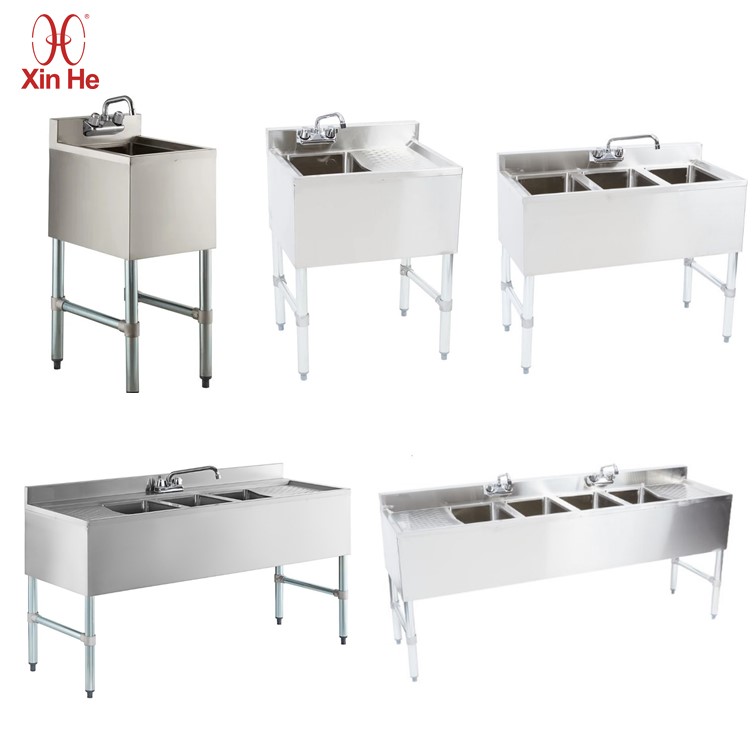
A 3-Compartment Sink helps teams keep dishes safe. It also helps them follow health rules. Many places use stainless steel sinks, like ones from Xinhe. These sinks are strong and last a long time. They meet industry standards. People who buy kitchen equipment want tools that make work easier. They also want to follow the rules.
Washing Steps
Staff start by filling the first sink with warm, soapy water. The water must be at least 110°F. They check the temperature with a waterproof thermometer. Scrubbing dishes in this sink gets rid of food and grease. Teams change the water when it looks dirty or cloudy. This step helps make sure dishes get clean.
Step-by-step washing process:
- Fill the wash sink with water at 110°F or more.
- Add the right amount of detergent.
- Scrub each dish to remove food bits.
- Change the water if it gets dirty.
Tip: Stainless steel sinks, like those from Xinhe, do not rust. They are easy for staff to clean.
Rinsing Steps
The second sink has clean, warm water. Staff rinse each dish to wash off soap and food bits. The rinse water should also be at least 110°F. Teams use a thermometer to check the temperature. They change the water every few hours or sooner if it gets dirty.
Rinsing checklist:
- Put dishes all the way under the water.
- Check the water temperature before each shift.
- Change the rinse water every 2–4 hours.
| Best Practice | Description |
|---|---|
| Maintain Proper Water Temperatures | Use hot wash water and the right sanitizer strength. Write down temperatures and sanitizer levels with test strips. |
| Change Water & Solutions Frequently | Change wash water when it looks cloudy. Change rinse and sanitizer water every 2–4 hours, or sooner if very dirty. |
| Document Your Process | Keep a cleaning log near the sink. Write down water changes, temperature checks, sanitizer levels, and daily cleaning. |
Sanitizing Steps
The third sink is for sanitizing. Staff fill it with hot water at 171°F or more. Sometimes they use a chemical sanitizer. Dishes must soak for at least 30 seconds. This step kills germs and viruses. Teams use test strips to check sanitizer strength. They write down each temperature check.
Sanitizing process:
- Fill the sanitizing sink with water at 171°F or more.
- Use a thermometer to check the temperature.
- Soak dishes for at least 30 seconds.
- Write down each temperature check in the cleaning log.
Note: Following FDA rules and keeping good records helps places pass inspections and keep people safe.
A 3-Compartment Sink made from stainless steel helps keep food safe. Teams who follow these steps and check water temperatures are ready for health inspections. They also help keep customers safe.
Common Compliance Mistakes
Kitchen teams want to pass inspections and keep food safe. But some mistakes can cause problems. Knowing these mistakes helps staff avoid them and keep things running well.
Temperature Errors
Temperature mistakes happen a lot in busy kitchens. Sometimes staff forget to check the water or use a thermometer. If the water is too cool, it will not clean or sanitize dishes well. Health inspectors notice these problems fast.
Some common temperature mistakes are:
- Staff fill the wash or rinse sinks with water under 110°F.
- The sanitizing sink does not get to 171°F or higher.
- Thermometers are missing or not used.
- Teams do not write down water temperatures during shifts.
Keeping the right water temperature is important for safety. The wash area should be between 110°F and 120°F. The rinse area needs to be about 110°F. For sanitizing, hot water must be over 171°F. If using chemicals, staff must use the right amount for chlorine, iodine, or quaternary ammonium.
| Area | Water Temperature (°F) | Sanitizer Requirements |
|---|---|---|
| Wash Area | 110°F to 120°F | – |
| Rinse Area | Around 110°F | – |
| Sanitizing Area | Above 171°F (hot water) | Chlorine: 50-100ppm, 75°F-120°F; Iodine: 12.5-25ppm, 75°F-120°F; Quaternary ammonium: 200-400ppm |
Tip: Teams should check and write down temperatures at the start of every shift. This habit helps find problems early.
Procedure Mistakes
Procedure mistakes can also cause problems with following the rules. Staff may skip steps or rush through the process. These mistakes let germs stay on dishes and can cause failed inspections.
Some common procedure mistakes are:
- Skipping the rinse step and moving dishes from wash to sanitize.
- Not soaking dishes in the sanitizing sink for 30 seconds.
- Using dirty water in any sink.
- Forgetting to change water when it looks cloudy or dirty.
- Not following the right order: wash, rinse, then sanitize.
Teams should always do the same steps every time. Clear signs above the sink help remind staff of the right way. Training and regular checks keep everyone doing things right.
Remember: Doing things the same way with temperature and steps keeps kitchens safe and ready for any inspection.
3-Compartment Sink Compliance Checklist
A strong compliance checklist helps every kitchen team stay ready for health inspections. It also keeps food safe for everyone. Here’s a quick-reference guide that covers the most important daily checks and inspection tips.
Daily Checks
Teams should follow these steps every day to keep the 3-Compartment Sink in top shape:
- Remove food: Scrape leftover food off all dishes before washing.
- Scrub: Wash dishes in the first sink with soapy water at 110°F or hotter. Use a thermometer to check the temperature.
- Rinse: Move dishes to the second sink. Rinse them in clean water, also at 110°F or above.
- Sanitize: Place dishes in the third sink. Use hot water at 171°F or higher for at least 30 seconds, or use a chemical sanitizer and follow the correct soak time.
- Dry: Air-dry all dishes. Never use towels, as they can spread germs.
- Change water: Replace water in each sink when it looks dirty or after four hours.
- Record temperatures: Write down water temperatures and sanitizer levels at the start of each shift.
Tip: Keep a cleaning log near the sink. This makes it easy for staff to record checks and for managers to review them.
Passing Inspections
Health inspectors look for clear signs that teams follow the right steps. Here’s what helps kitchens pass:
- Post easy-to-read signs above each sink with temperature and procedure reminders.
- Keep cleaning logs up to date and ready for review.
- Make sure staff can explain each step and show how to check temperatures.
- Use only air-drying for dishes.
- Always follow the wash, rinse, and sanitize order.
| Step | What Inspectors Check |
|---|---|
| Wash | Water at 110°F+, proper scrubbing |
| Rinse | Clean water at 110°F+ |
| Sanitize | Water at 171°F+ or correct sanitizer |
| Dry | Air-drying only, no towels |
| Records | Complete and current cleaning logs |
A daily checklist and good records help every kitchen stay inspection-ready and keep food safe.
Food service teams keep dishes safe by using the right temperatures.
| Compartment | Purpose | Temperature Standard |
|---|---|---|
| Wash | Washing | 110°F or hotter |
| Rinse | Rinsing | 110°F or hotter |
| Sanitize | Sanitizing | 171°F or hotter |
Health inspectors want to see these steps done right:
- Wash dishes in hot, soapy water.
- Rinse them in clean, hot water.
- Sanitize with very hot water or safe chemicals.
- Let every dish air-dry.
Staff learn these steps with training and checklists. Doing this every day helps keep everyone healthy.