
How to Choose the Right Stainless Steel Toilet for Public Spaces
2026-01-08
Public restrooms are the ultimate testing ground for building materials. In high-traffic environments like airports, hospitals, and transit hubs, traditional fixtures often fail under the weight of “relentless demand” and vandalism. For the B2B professional, selecting a stainless steel toilet isn’t just a design choice—it’s a high-stakes investment in operational efficiency and long-term asset protection.
Why Public Spaces Must Rethink Toilet Selection
The Invisible Crisis of High-Traffic Restrooms
Restrooms in public venues face a level of “relentless demand” that residential or even standard commercial fixtures were never designed to endure. In a bustling train station or a municipal park, a public restroom toilet might handle hundreds of uses daily. This translates to constant mechanical stress, exposure to diverse chemical cleaning agents, and the ever-present risks of vandalism.
Traditional ceramic or porcelain fixtures, while visually appealing in a domestic setting, are inherently brittle. A single impact from a heavy bag or a deliberate act of destruction can cause hairline fractures that lead to catastrophic leaks. In the B2B world, a “Closed for Maintenance” sign is more than an inconvenience; it represents a failure in the facility’s duty of care and a direct hit to the operator’s bottom line.
The True Cost of a “Budget” Choice
Many procurement teams fall into the trap of prioritizing the upfront acquisition cost over the life-cycle value. Choosing a lower-grade fixture might save 30% on day one, but the hidden costs escalate rapidly. Frequent repairs, the need for specialized cleaning crews to handle porous surfaces, and the inevitable replacement of cracked units result in a financial drain.
For instance, urban transit hubs that have historically relied on plastic or thin-gauge materials often report annual maintenance budgets that exceed the original installation cost. This is why the industry is shifting toward a more sophisticated procurement model—one centered on the stainless steel value proposition. By investing in a heavy duty toilet, facility managers can divert funds from emergency repairs to proactive facility upgrades.
Pillar 1: Durability & Vandal Resistance – The Science of Material
In unsupervised public zones, durability is the primary metric of success. This is where material science meets engineering. When we talk about a stainless steel toilet, we are discussing a fixture designed to outlast the building itself.
Grades Explained (304 vs. 316)
Not all stainless steel is created equal. The distinction between Grade 304 and Grade 316 is critical for B2B buyers:
- Grade 304 (The Industry Standard): Containing 18% chromium and 8% nickel, it offers excellent corrosion resistant stainless steel properties for most indoor applications. It is the go-to for schools, office buildings, and shopping malls. A 304 stainless steel toilet provides the perfect balance of cost and performance for temperate, indoor climates.
- Grade 316 (The Coastal/Chemical Choice): By adding 2-3% molybdenum, 316 steel becomes resistant to chlorides and saline environments. If your project is near the coast, an outdoor park, or a chemical processing plant, a 316 stainless steel toilet is non-negotiable to prevent “pitting” and premature failure caused by salt air or aggressive chemicals.
Structural Integrity: Gauge Thickness and Welding
The strength of a vandal-proof stainless steel toilet is determined by its “gauge.” In the world of metal fabrication, a lower gauge number indicates a thicker, stronger material.
- 14-16 Gauge Steel: This is the “Goldilocks zone” for durable bathroom equipment. It provides enough mass to resist heavy impacts (up to 5,000 lbs of load) without adding excessive weight to the building’s floor structure. A heavy-duty stainless steel toilet bowl must utilize this thickness to ensure it cannot be dented or deformed by brute force.
- Seamless Welding: High-quality units utilize TIG (Tungsten Inert Gas) welding. This ensures the seams are as strong as the steel itself, eliminating the weak points where leaks or rust usually begin. This is particularly vital for a stainless steel prison toilet, where the fixture must also serve as a high-security element.
Surface Finishes and Scratch Resistance
A toilet’s finish isn’t just for show. A brushed finish is particularly popular in high-traffic areas because it naturally masks fingerprints and minor scratches caused by abrasive cleaning or user contact. Some projects opt for electropolished finishes in hygiene-critical settings, as this process smooths the metal at a microscopic level, leaving no place for dirt to cling.
Pillar 2: Hygiene & Maintenance Efficiency – Lowering Your OPEX
Maintenance labor is often the largest single expense in facility management. A stainless steel toilet that is easier to clean is a fixture that pays for itself through reduced labor hours.
The Power of Non-Porous Surfaces
Ceramic is naturally porous. Over time, the glaze wears down, allowing bacteria and odors to seep into the material itself. Stainless steel, however, is non-porous. This innate bacterial resistance means pathogens like E. coli or MRSA cannot find a “foothold.”
Expert Insight: Studies show that cleaning a seamless stainless steel toilet bowl can take up to 30% less time than a traditional ceramic equivalent. In a 50-stall facility, this equates to hundreds of labor hours saved annually, directly impacting your low maintenance toilet strategy.
Service-Friendly Engineering
For project contractors, downtime is the enemy. Modern industrial grade toilet fixtures often feature:
- Quick-Access Panels: Allowing plumbers to service flush valves without dismantling the entire stall.
- Tamper-Proof Fasteners: Ensuring that while the unit is easy for a pro to fix, it’s impossible for a vandal to disassemble.
- Anti-Clog Technology: Many stainless steel toilets are engineered with larger trapways to prevent the frequent blockages common in public spaces.
Pillar 3: Design, Compliance, and Customization
Meeting legal standards while maintaining a modern aesthetic is the hallmark of a professional B2B project.
ADA and Universal Accessibility
In 2026, accessibility is a global mandate. An ADA-compliant water-saving stainless steel toilet must adhere to specific height requirements (typically 17-19 inches) and incorporate elongated bowls to facilitate ease of use for people with disabilities. Sourcing ADA compliant sanitary products that are pre-certified saves architects and contractors from the headache of regulatory rejection.
The Aesthetic Shift: From Prison to Penthouse
The “industrial” look is now a design choice. Architects are increasingly using the sleek, reflective surface of a modern stainless steel toilet to complement minimalist or high-tech restroom designs. Specialized manufacturers can even provide custom PVD (Physical Vapor Deposition) coatings to offer finishes in bronze, gold, or matte black. This flexibility allows the toilet bowl to disappear into the room’s design theme rather than sticking out like an institutional eyesore.
Customization for Niche Markets
Not every restroom is a standard square room. B2B suppliers must often provide specialized solutions:
- Compact Models: A mini wall hung bathroom toilet is essential for tight spaces like trains or small public kiosks.
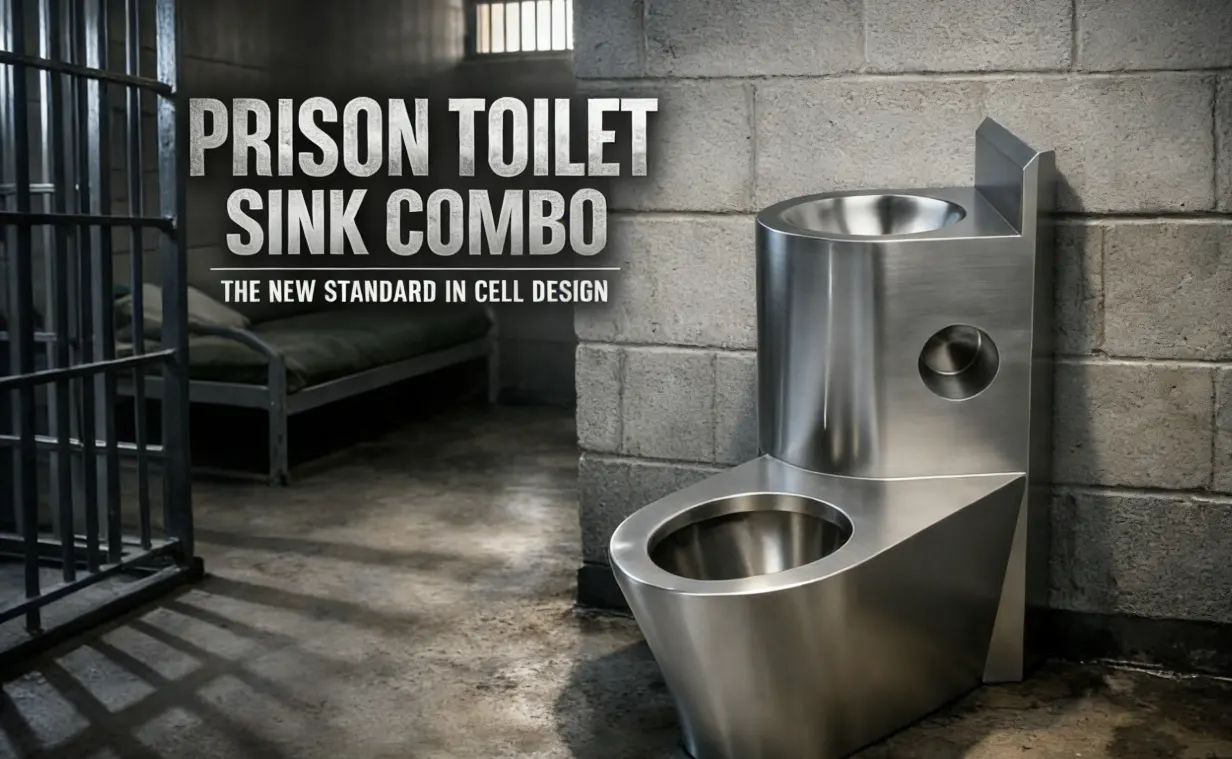
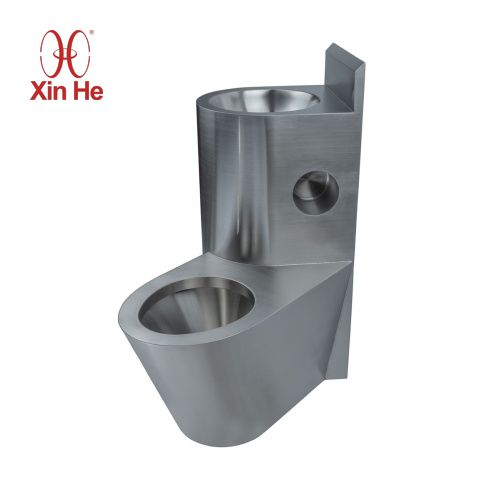
- Integrated Units: For high-security or space-saving needs, a stainless steel jail toilet with integrated sink provides a multi-functional solution in a single, vandal-resistant footprint.
- Squat Toilets: In many international markets, a stainless steel anti-slip squat toilet is the cultural and hygienic preference for high-traffic outdoor areas.
Pillar 4: Water Efficiency & Environmental Responsibility
Environmental stewardship is no longer an option—it is often a requirement for government and high-profile corporate contracts.
Advanced Water-Saving Tech
With global water scarcity concerns, water saving flush systems are essential. Modern stainless steel toilets can operate on ultra-low-flow volumes (as low as 1.28 gallons per flush) without sacrificing clearing power.
- Dual-Flush Capabilities: Allow the user to select the water volume needed, significantly reducing utility bills.
- Vacuum Systems: Often used in transport hubs, these systems use minimal water by utilizing air pressure.
Recyclability and LEED Credits
Stainless steel is 100% recyclable. Most fixtures are made from a high percentage of recycled content to begin with. This makes them a cornerstone of sustainable restroom solutions, helping projects earn valuable LEED (Leadership in Energy and Environmental Design) points. Choosing a 304 stainless steel toilet isn’t just a durability choice; it’s a green choice.
Pillar 5: Total Cost of Ownership (TCO) Analysis
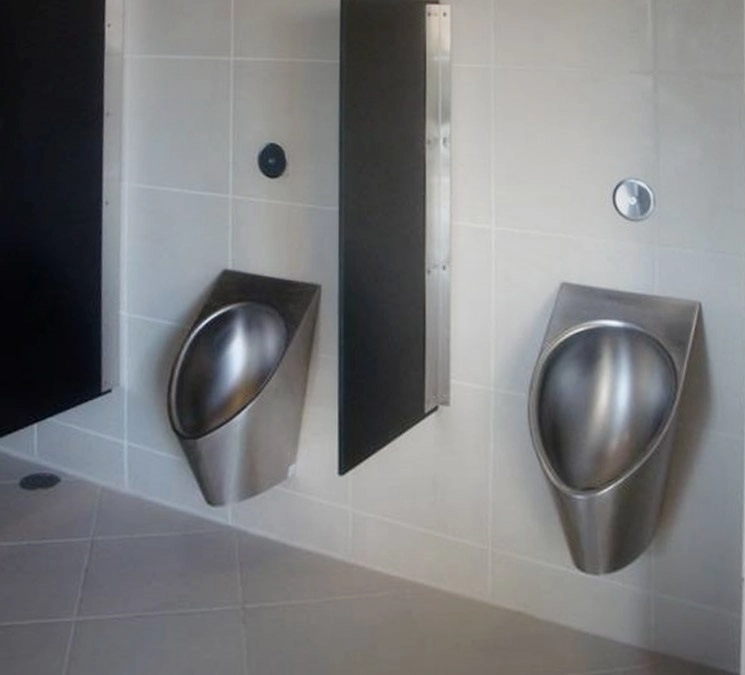
To understand why metal is superior, one must look at the “Total Cost of Ownership” (TCO) over a 10-year period. This is the ultimate argument for the stainless steel toilet in B2B negotiations.
The 10-Year Reality Check
| Cost Category | Ceramic/Porcelain | Stainless Steel Toilet (Xinhe Standard) |
|---|---|---|
| Initial Acquisition | $300 – $500 | $800 – $1,200 |
| Installation Labor | Moderate | Moderate/Low |
| Repair Frequency | High (Chipping/Cracking) | Negligible |
| Cleaning Labor (10 yrs) | ~$8,500 (Aggressive scrubbing) | ~$5,000 (Rapid wipe-down) |
| Replacement (10 yrs) | 1-2 Units (Fragility) | 0 Units (Indestructible) |
| TOTAL 10-YEAR TCO | ~$11,000+ | ~$7,000 |
This data explains why prison facilities choose stainless steel toilets over porcelain. While the initial investment is higher, the ROI is realized through the elimination of replacement costs and the drastic reduction in maintenance man-hours. In a facility with 50 toilets, the savings can exceed $200,000 over a decade.
Matching Solutions to Specific Public Environments
1. Ultra-High Traffic: Airports & Transit Hubs
In these settings, reliability is king. We recommend a floor mounted toilet with concealed flush valves. The goal is a “monolithic” installation where nothing can be broken off. Grade 304 is usually sufficient unless the facility is in a coastal city like Dubai or Singapore, where salt air is a factor.
2. Hygiene-Critical: Hospitals & Labs
In medical settings, the focus shifts to infection control. Grade 316 is preferred due to the use of heavy-duty sterilizing chemicals. A commercial stainless steel toilet for hospitals should feature a seamless design to ensure it remains truly sterile.
3. High-Security: Prisons & Detention Centers
In these environments, a prison toilet must be “anti-ligature,” meaning it has no points where a person could harm themselves. A vandal resistant stainless steel prison toilet is essential here, often combined with an integrated sink to maximize security and minimize hidden spaces.
The Procurement Checklist
Before placing an order for a major project, ensure your supplier meets the following criteria:
1. Technical Specifications
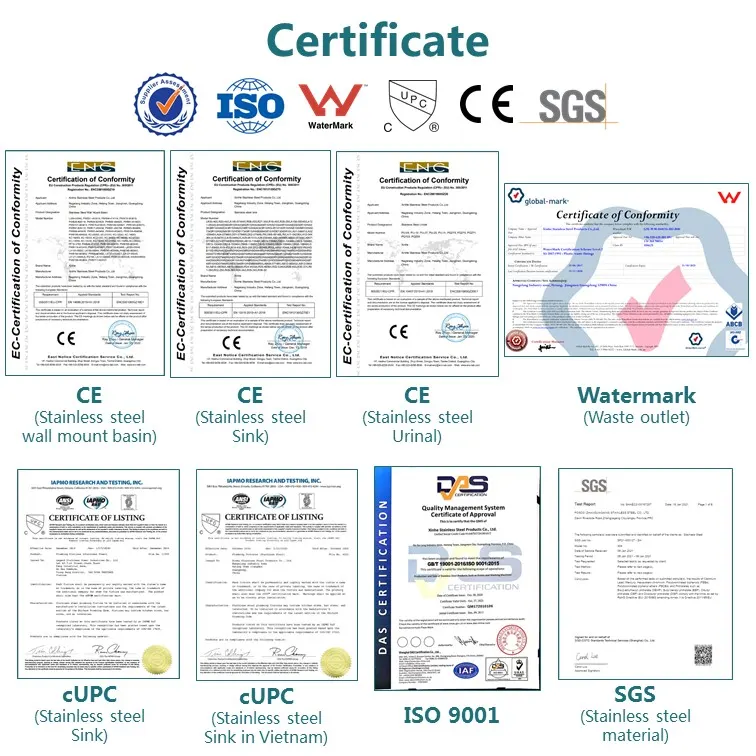
- Steel Certification: Does the manufacturer provide mill test certificates to prove the grade?
- Gauge Verification: Is the toilet bowl truly 14-gauge, or is it a thinner 18-gauge masquerading as heavy duty?
- Certifications: Are the units cUPC, or CE certified?
2. Manufacturing Prowess
- Customization Capability: Can they adapt the size for a mini wall hung bathroom urinal or a custom squat toilet?
- Welding Quality: Are the joints TIG-welded and polished for a seamless look?
- Sound Deadening: Does the stainless steel toilet have acoustic coating to prevent the “tinny” sound?
Conclusion
Selecting the right stainless steel toilet is about more than just picking a fixture; it’s about choosing a long-term partner for your facility’s infrastructure. By focusing on the 5-Pillar Framework—Durability, Hygiene, Compliance, Sustainability, and TCO—professionals can ensure that their projects remain functional, safe, and cost-effective for decades.
Stainless steel toilets address the harsh realities of public use while offering a sleek, modern aesthetic that aligns with design trends. Whether you are outfitting a new stadium, a metropolitan hospital, or a high-security detention center, the metal “throne” is the only choice that offers a guaranteed return on investment.
Your Next Step
Streamline your decision-making process today.
- Consultation: Speak with a technical specialist at Xinhe for a project-specific audit.
- Samples: Request a material sample kit to verify the gauge and finish quality of our stainless steel toilet bowl.
- Portfolio Review: Visit our Product Catalog to see our fixtures in action across airports and municipal projects worldwide.
FAQs
What are the main advantages of using stainless steel toilets in high-traffic public facilities? Durability, low maintenance, and hygiene benefits reduce costs and enhance user satisfaction.
How do stainless steel toilets perform in specialized environments such as prisons or hospitals? They offer vandal resistance and bacterial resistance, ideal for secure and sterile settings.
Are stainless steel toilets easy to maintain compared to traditional ceramic toilets? Yes, with seamless designs and non-porous surfaces slashing cleaning time.
Can stainless steel toilets be customized to fit unique architectural or user requirements? Absolutely, with options for size, shape, and function adaptations.
What factors should facility managers consider when choosing stainless steel toilets for different public settings? Traffic levels, environmental exposure, compliance, and TCO.