


How to Clean Kitchen Sink and Protect Stainless Steel
How to Clean Kitchen Sink and Protect Stainless Steel
2025-12-10
A common question is: how to clean kitchen sink and protect stainless steel? Many people make easy mistakes, such as using steel wool or bleach. These can scratch or hurt the sink. Picking the right products and methods is important for maintaining your sink safe and shiny. This guide shows how to avoid damage. It helps you keep your kitchen sink looking new.
Products and Tools for Kitchen Sink Cleaning
Best Cleaners for Stainless Steel
Picking the right cleaner is the first step. Experts recommend using cleaners made for stainless steel. These effectively get rid of dirt but do not hurt the surface.
The study shows all stainless steel surfaces are easy to clean with alkaline detergents. The finish does not change how well you can clean it, even if the surface feels different. Electropolished stainless steel is the cleanest because it is very smooth.
Essential Cleaning Tools
Professional cleaners use special tools for the best results. These tools clean dirt and stains but do not scratch the sink.
- Non-Abrasive Scrub Brush (with replaceable head): For tackling stuck-on debris gently.
- Microfiber Cloths: Perfect for drying and buffing to a streak-free shine.
- Cellulose Sponges: Effective for general washing and rinsing.
- Soft-bristled Brush: Ideal for corners and around the drain.
- Vacuum with a HEPA Filter: Useful for keeping the surrounding area dust-free.
Xinhe says to use soft brushes and microfiber cloths for stainless steel sinks. These tools help the sink stay smooth and shiny.
What to Avoid
Some products and tools can hurt stainless steel. Avoid the following if you want your sink to look new:
- Undiluted Vinegar: It is acidic and can damage the protective layer.
- Abrasive Scrub Pads: These can scratch and dull the surface.
- Bleach or Chlorine-Based Products: These may cause rust or pitting.
- Glass Cleaner (like Windex): This has ammonia and can leave streaks.
- Oils like Olive or Baby Oil: These attract dust and leave grease.
Using rough pads or metal scrapers can break the oxide layer on stainless steel. This can cause big problems, so be careful and use approved cleaning tools.
Xinhe’s stainless steel sinks do not rust or stain if cleaned with the right products. Buyers who want to know how to clean kitchen sink and protect their investment should follow these tips.
How to Clean Kitchen Sink: Step-by-Step Guide
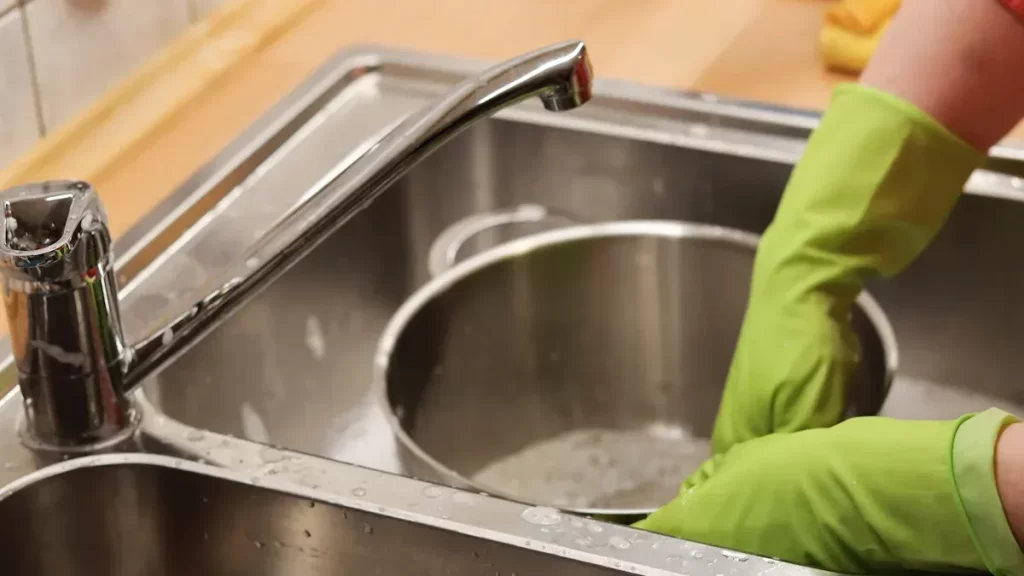
It is not hard to keep a kitchen sink clean. Stainless steel sinks from Xinhe stay shiny if you clean them right. This guide will show you how to clean kitchen sink surfaces safely. These steps follow USDA and industry rules.
Step 1: Clear and Rinse
First, take out all dishes and food from the sink. This stops scratches and makes cleaning simple. Rinse the sink with warm water to wash away dirt and crumbs.
Tip: Use warm water every time. Hot water helps break up grease and food. This makes cleaning easier.
Step 2: Apply Cleaner and Scrub
Clean the sink before you sanitize it. The USDA says to use warm, soapy water first. Scrub the sink with a soft sponge or microfiber cloth. Focus on the corners and around the drain. Dirt can build up in these spots.
- Baking soda, white vinegar, lemon juice, and dish soap kill germs. These help fight bacteria like E. coli and salmonella.
- Sprinkle baking soda in the sink for gentle scrubbing. Add some vinegar for more cleaning power. The fizzing helps remove stains and smells.
- For tough spots, use a soft brush. Do not use steel wool or rough pads. These can scratch stainless steel.
| Precaution | Description |
|---|---|
| Avoid bleach | Bleach can harm stainless steel if left too long. Rinse well if you use it. |
| Avoid abrasive cleaners | Rough cleaners can damage the sink’s surface. |
| Avoid leaving wet items | Wet sponges or cloths can cause stains. |
Note: Never use bleach or chlorine cleaners on stainless steel sinks. If you need to sanitize, mix 1 tablespoon of liquid chlorine bleach with 1 gallon of water. Rinse the sink well after using this mix.
Step 3: Rinse and Dry
After scrubbing, rinse the sink with warm water. Make sure all soap, baking soda, and vinegar are gone. Leftover cleaner can leave streaks or make the sink look dull.
Dry the sink with a clean microfiber cloth. This stops water spots and keeps the sink shiny. Drying also helps prevent stains and rust.
- Cleaning often keeps germs and smells away.
- Drying the sink after each use keeps it clean.
Pro Tip: For extra shine, buff the sink with a dry microfiber cloth. This step protects the surface and keeps it looking new.
If you follow these steps, you can learn how to clean kitchen sink surfaces and protect stainless steel. Cleaning often keeps your sink looking nice and your kitchen safe.
Stain Removal and Deep Cleaning
Xinhe’s stainless steel sinks stand out for their exceptional rust resistance and long-lasting durability. These sinks use high-grade 304 and 316 stainless steel, which resists corrosion better than ceramic or composite materials. Buyers who want to know how to clean kitchen sink surfaces and remove tough stains can trust Xinhe’s products to maintain their shine.
Hard Water and Mineral Deposits
Hard water leaves white spots and chalky buildup on sink surfaces. These stains can make a kitchen look messy. Xinhe’s stainless steel finish helps prevent deep staining, but regular cleaning is still important. Here are some top methods for removing hard water stains:
| Method | Description |
|---|---|
| Vinegar | Mix equal parts vinegar and water. Spray on sink. Let soak for 10-15 minutes. Scrub and rinse. |
| Lemon Juice | Use pure lemon juice like vinegar. It removes stains and leaves a fresh scent. |
| Baking Soda | Sprinkle on sink. Scrub with a non-abrasive sponge. Rinse to remove tough stains. |
| Combination | Mix baking soda with vinegar or lemon juice. The fizz lifts stains. |
| Club Soda | Pour club soda on sink. Let bubbles work. Wipe with microfiber cloth for a sparkling finish. |
| Bar Keepers Friend | Use this commercial cleaner for stubborn stains. Follow manufacturer’s directions. |
Tip: Always use a soft cloth or sponge. Avoid rough pads that can scratch the surface.
Rust and Discoloration
Xinhe’s sinks resist rust, but sometimes discoloration can happen if cleaning routines slip. High-grade stainless steel like 304 and 316 stands up to moisture and salt, making it a top choice for busy kitchens. If rust spots appear, try these steps:
- Apply a paste of baking soda and water to the spot.
- Gently rub with a soft sponge.
- Rinse well and dry with a microfiber cloth.
- For stubborn spots, use a stainless steel cleaner designed for rust removal.
Note: Never use steel wool or harsh chemicals. These can damage the protective layer and cause more rust.
Food and Grease Residue
Grease and food stains build up quickly in kitchen sinks. Xinhe’s smooth finish makes cleaning easier, but regular care is key. Natural remedies work well for everyday messes:
- Baking soda removes old grease without scratching.
- Vinegar boosts cleaning power and tackles sticky residue.
- Dish soap loosens grease in pots and pans before scrubbing.
Mix three tablespoons of baking soda with one cup of water for a gentle scrub. Use vinegar alone or with baking soda for tough spots. Rinse and dry after cleaning to keep the sink looking new.
Pro Tip: Clean up spills right away. This keeps the sink fresh and prevents stains from setting.
Xinhe’s commitment to quality, customization, and compliance means their sinks stay beautiful with simple cleaning routines. Buyers who follow these steps will see lasting results and enjoy a kitchen that looks professional.
Maintenance and Protection Tips
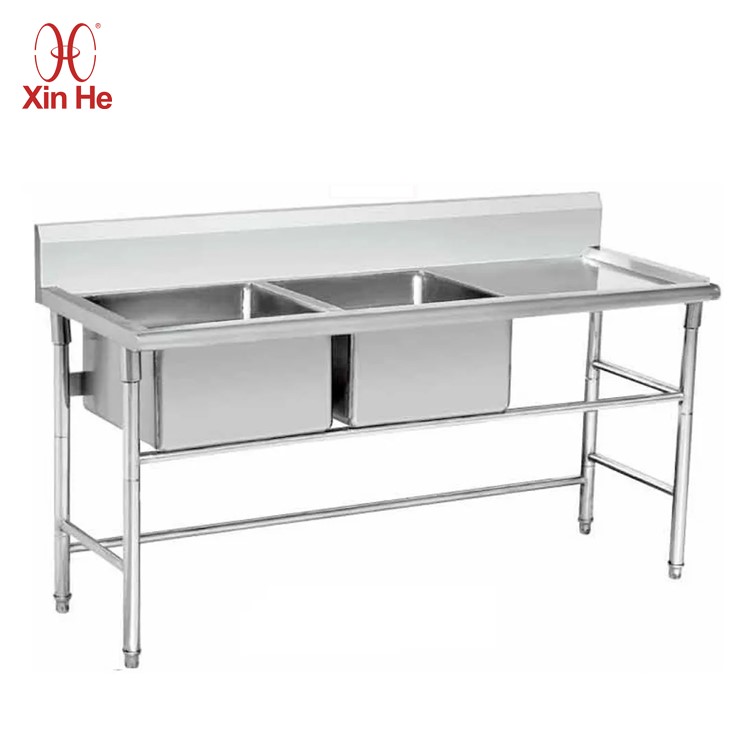
Xinhe stands out for its commitment to quality and durability in stainless steel products. Their sinks meet strict industry standards, including ANSI and NSF certifications, which means buyers can trust their performance in both home and commercial kitchens. Proper maintenance keeps these sinks looking new and performing well for years.
Daily and Weekly Care
A simple routine helps stainless steel sinks stay spotless and free from damage.
- Daily Cleaning Routine
- Add a few drops of mild dish soap to a soft sponge.
- Scrub the sink, following the direction of the steel grain.
- Rinse with warm water to remove soap and food particles.
- Wipe the sink dry with a clean microfiber cloth to stop hard water spots.
- Clean around the sink strainer and check the drain seals for any residue.
- Weekly Deep-Clean Routine
- Lightly dust the sink with baking soda and add a few drops of dish soap.
- Gently scrub the surface.
- Spray white vinegar across the basin and let it sit for 2-3 minutes. This helps dissolve mineral residue.
- Rinse with warm water and dry with a microfiber cloth.
- Buff the sink with a drop of baby oil or olive oil for extra shine and to prevent streaks.
Tip: In commercial kitchens, staff should also clean grease traps and sanitize all surfaces daily. Weekly tasks include de-liming sinks and cleaning ovens. Monthly, deep cleaning and equipment inspections help maintain hygiene and performance.
| Frequency | Maintenance Tasks |
|---|---|
| Weekly | Clean grease filters, deep clean ovens, wash sinks, wipe coolers, de-gunk floor drains. |
| Monthly | De-lime systems, deep clean drain lines, scrub burners, wash freezers and ice machines. |
| Semiannual | Service vent hood and ducts, inspect automatic extinguishing systems. |
| Annual | Check fire extinguishers, clean pilot lights, inspect deep fat fryers, prepare for health inspections. |
Long-Term Protection
Protecting a stainless steel sink from scratches and stains is easy with the right accessories and habits.
- Choose Pre-Brushed or Finely Brushed Sinks These sinks resist scratches thanks to their special surface finish.
- Use PVC Sink Mats and Liners Mats provide a soft cushion for dishes and prevent slips and scratches.
- Install Sink Grids Grids protect the bottom of the sink and can be selected based on specific needs.
- Try Roller Mats Roller mats help with draining and can hold hot pots and pans safely.
- Add Foldmat Protectors Place these at the bottom of the sink for extra protection and a decorative touch.
Note: Regularly inspect the sink for any signs of rust or discoloration. Early action prevents long-term damage.
Xinhe’s stainless steel sinks, including their commercial and outdoor models, benefit from these protective measures. Their high-grade 304 and 316 stainless steel construction ensures exceptional rust resistance and long-lasting durability.
Common Mistakes
Many people make simple mistakes that can damage stainless steel sinks. Avoid these to keep the sink in top shape:
- Using harsh chemicals for cleaning. Strong cleaners can ruin the finish. Stick to gentle agents like dish soap or vinegar.
- Overloading the sink with dishes. Too many items can cause scratches and blockages. Wash dishes promptly or use a sink mat.
- Not checking for rust. Regular inspections help catch rust spots early. A baking soda paste removes minor rust.
- Improper waste disposal. Treating the sink as a garbage can leads to clogs. Dispose of waste properly to avoid plumbing issues.
Pro Tip: Always follow the manufacturer’s care instructions. Xinhe designs its sinks for easy maintenance, but good habits make a big difference.
Industry standards from ANSI and NSF ensure that stainless steel sinks meet strict requirements for safety, quality, and health. Xinhe’s products comply with these standards, giving buyers peace of mind whether they manage a home kitchen or a busy commercial space.
If you want to know how to clean kitchen sink surfaces and keep them protected, follow these tips. Consistent care and the right accessories will help your stainless steel sink stay beautiful and functional for years.
Commercial and Outdoor Sink Care
Commercial vs. Home Sinks
Commercial kitchen sinks have harder cleaning jobs than home sinks. The CDC says about 1 in 6 Americans get sick from dirty food each year. This shows why cleaning commercial sinks is very important. Restaurant and cafeteria workers fight germs like E. coli, Listeria, and Hepatitis A every day. They use baking soda and vinegar to clean stainless steel sinks without scratching them. These ways help stop bacteria from hiding in tiny scratches.
Commercial sinks need cleaning often and strict routines. Workers rinse, scrub, and sanitize sinks after each shift. They look for food bits and grease. They also follow food safety rules to stop sickness. Home sinks do not get used as much, so cleaning is easier. People clean them every day or every week, depending on how much they use them.
Tip: Cleaning often and following food safety rules keeps both commercial and home sinks safe and clean.
Outdoor Stainless Steel Sinks
Outdoor sinks, like Xinhe’s Heavy Duty Outdoor Drinking Fountain, face tough weather and lots of use. They stand up to rain, dust, and heavy use. Xinhe uses 304 and 316 stainless steel for extra rust resistance and strength. Outdoor sinks need cleaning more often because they get dirty from dust, debris, and chemicals.
| Factor | Outdoor Sinks | Indoor Sinks |
|---|---|---|
| Contaminants | More dust, debris, and chemicals touch outdoor sinks. | Indoor sinks have less dirt. |
| Cleaning Frequency | Outdoor sinks need cleaning more often. | Indoor sinks need less cleaning. |
| Physical Damage Risk | Outdoor sinks can get damaged by hits or vandalism. | Indoor sinks have less risk. |
| Maintenance Challenges | Outdoor sinks are harder to clean because of their location. | Indoor sinks are easier to clean. |
Xinhe says to rinse outdoor sinks after each use, dry them, and clean with mild soap. Deep cleaning each season keeps the sink shiny. Owners should cover sinks when not using them and check for damage after storms or heavy use.
Adapting for Different Materials
Not all sinks are stainless steel. Some kitchens have composite, ceramic, or porcelain sinks. Each type needs special care.
| Sink Material | Cleaning Recommendations |
|---|---|
| Composite (Quartz/Granite) | Use pH-balanced cleaners. Do not use bleach or ammonia. These can damage the sink. |
| Ceramic/Porcelain | Clean with mild soap and soft sponges. Do not use rough cleaners. This protects the glaze. |
Xinhe’s stainless steel sinks are easy to clean, stay shiny, and resist rust. Other sink types may need softer cleaners or special steps. Owners should always read the manufacturer’s cleaning instructions.
Note: Picking the right cleaning method keeps the sink safe and looking new. Xinhe’s sinks are easy to care for in both commercial and outdoor places.
Conclusion
Taking care of kitchen sinks helps keep kitchens safe and nice. Stainless steel sinks need hot water, soap, and soft tools. Do not use strong chemicals and always dry the sink after you use it. Cleaning often stops stains and rust from forming.
Xinhe sinks are strong and simple to clean. For personalized advice, consult Xinhe’s team or explore their recommended products.
FAQ
How often should someone clean a stainless steel kitchen sink?
People should clean a stainless steel kitchen sink daily. Wipe it down after each use. Weekly deep cleaning helps prevent stains and keeps the surface shiny.
What is the safest way to remove hard water spots?
Mix equal parts vinegar and water. Spray the solution on the sink. Let it sit for 10 minutes. Wipe with a soft cloth. Rinse and dry the sink.
Can someone use bleach to clean a stainless steel sink?
Bleach can damage stainless steel. If needed, dilute one tablespoon of bleach in a gallon of water. Rinse the sink well after using bleach. Dry the surface completely.
Why choose Xinhe’s stainless steel sinks for outdoor or commercial use?
Xinhe uses 304 and 316 stainless steel for superior rust resistance and durability. Their sinks meet ANSI and NSF standards. These features make them ideal for heavy use in outdoor and commercial settings.
What tools work best for cleaning stainless steel sinks?
Soft sponges, microfiber cloths, and non-abrasive brushes work best. These tools protect the sink’s finish. Avoid steel wool or rough pads to keep the surface smooth and shiny.