
Polish Stainless Steel Sink vs Brushed Finish for High Traffic Areas
2025-12-31
When selecting a sink finish for high-use areas — like commercial kitchens, hospitals, or public restrooms — brushed stainless steel is often the top choice. Why? Because it hides daily wear and tear exceptionally well, and requires far less upkeep than shinier alternatives.
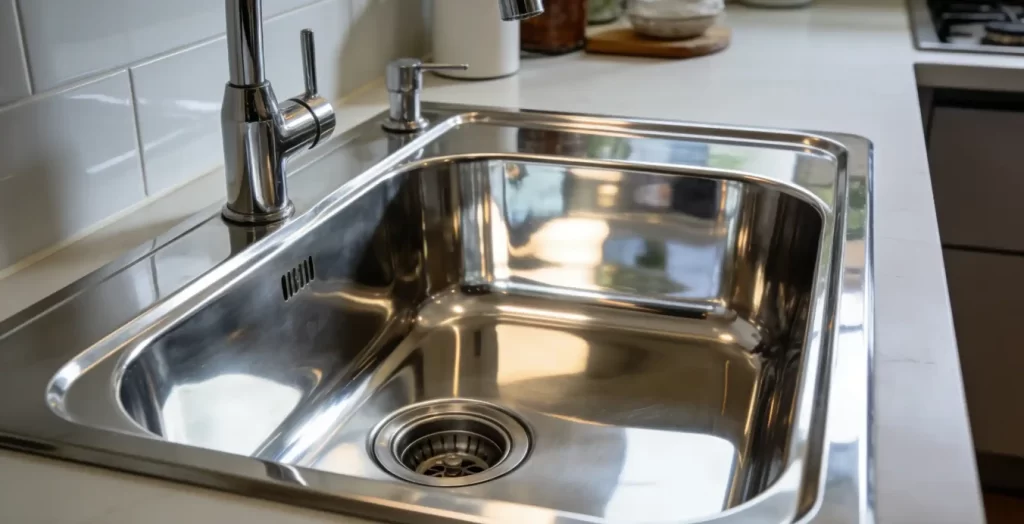
On the other hand, a polish stainless steel sink delivers brilliant reflectivity and a clean, upscale look. It can make smaller spaces feel more open and modern. However, this shine comes at a cost: scratches, fingerprints, and water spots show up quickly, and regular polishing is needed to maintain its luster.
Brushed finishes offer a contemporary, low-glare appearance that blends seamlessly into professional environments. More importantly, they stand up to constant use — whether it’s clanging pots in a busy café or hundreds of handwashes in a school restroom.
At Xinhe, we’ve spent over a decade engineering stainless steel solutions specifically for demanding settings — from restaurant chains to airport terminals and hospital wards. We understand that durability, hygiene, and ease of maintenance are non-negotiable for facility managers and procurement teams.
Quick Comparison: Brushed vs Polish Stainless Steel Sink
Choosing between brushed and polish stainless steel sink finishes doesn’t have to be confusing. Below is a clear, side-by-side breakdown to help you decide — especially if your priority is long-term performance in commercial or public spaces.
| Feature | Brushed Finish | Polish Stainless Steel Sink |
|---|---|---|
| Appearance | Modern, matte, soft texture; hides marks naturally | Mirror-like shine; brightens rooms and feels premium |
| Scratch Resistance | High — fine grain patterns mask light scratches | Lower — even minor scuffs stand out against the reflective surface |
| Stain & Water Spot Resistance | Good — water beads less visibly; spots fade faster | Moderate — requires frequent wiping to avoid streaks and spotting |
| Maintenance | Easy — quick daily wipe-down suffices | Higher effort — needs consistent cleaning and occasional polishing |
| Best For | Commercial kitchens, public restrooms, schools, hospitals | Upscale lobbies, executive washrooms, decorative bars, low-traffic lounges |
| Latest Innovations | Hairline finish, nano-coating (fingerprint & oil-resistant), antimicrobial layers | Mirror polish, integrated antibacterial coating (ideal for food/medical zones) |
Xinhe offers both finishes across our product lines — but we always start by asking: Where will this sink be used? How many people touch it per day? Who’s responsible for cleaning?
Our brushed stainless steel sinks use precision hairline finishing and advanced nano-coatings to repel grease and fingerprints — making post-shift cleanup faster for kitchen staff.
Meanwhile, our polish stainless steel sink options combine deep mirror polishing with optional silver-ion or copper-infused antibacterial coatings — a smart choice for healthcare prep areas or high-end food service where both appearance and germ control matter.
Pros and Cons
Brushed Finish
- Scratches and dents do not show much, so it is good for busy spots.
- You do not need to clean it often.
- The contemporary aesthetic complements most commercial settings.
- New coatings make cleaning even easier.
- Great for kitchens, hospitals, schools, and public restrooms.
Polish Stainless Steel Sink
- The bright shine makes rooms look bigger.
- It is nice for places where looks matter.
- If you clean it right, it stays shiny for a long time.
- Antibacterial coatings help keep food and medical places safe.
Some people think a polish stainless steel sink is always best, but brushed finishes are better for busy areas. Others think polished sinks are weak or hard to clean, but with the right care and coatings, they are easy to keep nice.
Common Misconceptions
- Polished sinks are not hard to care for if you clean them right.
- Brushed finishes are not just for factories—they look nice too.
- Stainless steel cleaners do not always kill germs, so you still need to clean often.
Xinhe’s technical team helps clients avoid these pitfalls. We don’t just sell sinks — we advise on total lifecycle fit: installation, training, warranty, and long-term care.
Durability in Busy Kitchens
Scratch & Dent Resistance
Brushed stainless steel excels here — and for good reason. Its directional grain (often called hairline finish) creates micro-grooves that camouflage light surface damage. Even after months of heavy use, minor scratches blend in rather than stand out.
Chefs and facilities managers consistently rate brushed sinks higher for “stress-free operation.” As one catering director told us: “I don’t panic when a stockpot drops — the sink still looks clean at closing time.”
By contrast, a polish stainless steel sink starts brilliant — but over weeks, cumulative micro-scratches create a “cloudy” halo around the drain or edges. While the steel remains structurally sound, the appearance ages faster, potentially affecting customer perception in open-kitchen concepts.
Tip: For prep sinks, dishwashing stations, or utility sinks in high-volume operations, brushed is the pragmatic — and often more cost-effective — choice long-term.
Stain & Water Spot Performance
Water quality, soap residue, and usage frequency all impact how “clean” a sink looks between shifts.
- Brushed finish: Its slightly textured, non-reflective surface hides water spots and dried-on soap far better. A quick rinse or wipe restores a uniform look — no streaking.
- Satin variants (a softer brushed style) offer similar benefits, with even smoother feel — ideal for touchpoints like handwashing stations.
- Polish stainless steel sink: Highly reflective = highly revealing. Hard water leaves visible mineral rings. Fingerprints show in seconds. In a rush-hour café, staff may need to wipe the sink 5–6 times per shift to keep it gleaming.
In short: Brushed supports realistic cleaning workflows. Polished demands idealized ones. Facility managers prioritizing labor efficiency often lean brushed — especially where staffing is tight.
Appearance Over Time
Aging & Wear
Sinks in high-traffic areas face a lot of challenges. People use them all day. Over time, both brushed and polish stainless steel sinks start to show signs of aging. The way each finish handles wear can make a big difference in how the sink looks after months or years.
Many things can cause visible wear on stainless steel sinks:
- Chemical Reactions: Some foods and cleaning agents can stain the surface if left too long.
- Heat Damage: Hot pots or pans can leave marks or discolor the steel.
- Residue Build-Up: Food and soap can build up and cause stains if not cleaned often.
Brushed finishes handle these challenges well. The matte surface does not show stains or marks as quickly. Even if the sink gets a little dull, it still looks neat and professional. Polish stainless steel sinks look bright and shiny at first. Over time, though, water spots, fingerprints, and scratches can make the surface look less perfect. Staff may need to clean and polish these sinks more often to keep them looking their best.
Note: Regular cleaning helps both finishes last longer and look better. Quick wipe-downs after each use can prevent most stains and spots.
Concealing Damage
In public or shared spaces, surface damage is inevitable. The real test? How well the finish conceals it to maintain a professional look.
- Brushed stainless steel sinks excel here. Light scratches align with the grain and virtually disappear. Small dents (e.g., from dropped cutlery) don’t catch the eye. This “self-healing” visual effect keeps restrooms and kitchens looking tidy — even during peak hours.
- Polish stainless steel sink surfaces, by nature, highlight contrast. A single scratch reflects differently than the surrounding area, drawing attention. In high-traffic zones, this can create a “patchwork” effect over time.
For facility planners, this isn’t just cosmetic — it’s about perceived cleanliness. A sink that looks worn may trigger guest complaints, even if it’s fully functional and sanitized.
Practicality & User Experience
Comfort & Safety
User comfort matters — especially for staff washing hands 50+ times/day.
- Brushed finish offers a slightly textured, non-slip surface. Wet hands grip faucet handles and basin edges more securely — reducing accidental slips or dropped items.
- Polished finish feels smooth and cool, which many users like — but it can become slick when soapy. Rounded corners and ergonomic drain placement help both types stay safe.
Most facility managers in schools, hospitals, and food plants prefer brushed for this reason: it supports habitual safety — no extra training needed.
Noise & Environment
Clanging dishes and rushing water create stress in open kitchens. Fortunately, modern sinks address this:
- Sound-dampening pads: Thick rubber or bitumen-backed sprays absorb vibration (standard on Xinhe commercial models).
- Reinforced basin design: Thicker steel and ribbed undersides reduce “ping” resonance.
- Noise source control: Aerated faucets and lower water pressure cut splash noise.
Interestingly, brushed finishes absorb slightly more sound than polished ones — giving them a subtle acoustic edge.
From an environmental view:
- Brushed needs fewer chemicals and less water for cleaning → lower operational footprint.
- Polished requires more frequent cleaning supplies — but both use 100% recyclable stainless steel (grade 304 or 316).
In short: Brushed = lower daily impact. Polished = higher upkeep, offset by aesthetic ROI.
Recommendations & Applications
The best finish isn’t “shiny” or “matte” — it’s the one that matches your real-world use case.
Best Choice for High-Traffic Projects
For commercial kitchens, transit hubs, schools, and healthcare — brushed stainless steel is the industry standard. Here’s why project managers keep choosing it:
- Hide scratches and fingerprints, so the sink stays fresh.
- Have a soft texture that helps you hold things and looks fancy.
- Are not too expensive and are easy to find for big jobs.
- Work well in many places, like kitchens or building designs.
Xinhe’s brushed sinks use precision hairline brushing and optional nano-oleophobic coating — repelling oils and speeding up sanitizing. Perfect for cafeterias, central kitchen prep lines, or hospital utility rooms.
When to Choose Polish Stainless Steel Sink
A polish stainless steel sink shines (literally) where first impressions drive value:
- Executive washrooms in corporate HQs
- Boutique hotel lobbies or spa suites
- Open-concept restaurant bars or display kitchens
- High-end retail fitting rooms
Key success factors:
- Low-to-moderate traffic volume
- Dedicated cleaning staff (or automated cleaning systems)
- Design intent prioritizes visual drama over maintenance ease
Example: A city renovated its downtown library restrooms with polish stainless steel sink units — but only in the quiet reading-floor restrooms, not the busy children’s wing. Strategic placement = lasting satisfaction.
Brushed Finish Applications: Where It Dominates
Brushed stainless steel isn’t just common in tough environments — it’s often required by health codes or operational standards:
| Setting | Why Brushed Wins |
|---|---|
| Foodservice (restaurants, commissaries) | Meets NSF standards; withstands hot water, degreasers, and constant scrubbing |
| Healthcare (hospitals, clinics, labs) | Supports infection control — smooth enough to sanitize, matte enough to hide wear |
| Janitorial/utility rooms | Resists bleach, ammonia, and acidic cleaners without discoloring |
| Public restrooms (airports, stadiums) | Handles 500+ daily uses with minimal visual degradation |
| Architectural features (countertops, cladding) | Provides consistent texture in large installations; hides panel seams |
Xinhe supports full customization — from 36″ triple-basin kitchen units to ADA-compliant restroom sinks with integrated drying ledges. We collaborate early to ensure structural, hygiene, and aesthetic alignment.
Final Verdict: Balancing Beauty and Business
In high-traffic commercial and public spaces, brushed stainless steel remains the top recommendation. It delivers:
- Longer visual lifespan — stays “clean-looking” between cleanings
- Faster daily maintenance — saves labor hours and supplies
- Proven performance — trusted by chains like Starbucks, Mayo Clinic, and Marriott
That said, a polish stainless steel sink has its place — when design and ambiance are primary goals, and cleaning resources are secure. With Xinhe’s antibacterial and fingerprint-resistant upgrades, polished can be both beautiful and functional.
Need help deciding? Contact Xinhe’s commercial solutions team. We’ll analyze your space, traffic volume, cleaning protocol, and budget — then recommend the optimal finish (and even provide sample swatches). No obligation. Just expertise.
FAQ
What is the main difference between brushed and polished stainless steel sinks?
Brushed sinks have a matte look and hide scratches well. Polished sinks shine and reflect light. People choose brushed for busy places and polished for style.
How often should staff clean a brushed stainless steel sink?
Staff can wipe a brushed sink daily with a soft cloth and mild cleaner. Quick cleaning keeps it looking neat. No need for heavy scrubbing.
Can a polished stainless steel sink work in a commercial kitchen?
Yes, but staff must clean it often. Polished sinks show fingerprints and water spots faster. Many managers pick brushed sinks for less upkeep.
Does Xinhe offer custom sink sizes and finishes?
Yes! Xinhe can make sinks in many sizes and finishes. They help buyers find the right fit for any project.
Which finish is better for hospitals or medical facilities?
Brushed stainless steel works best. It hides marks and cleans easily. Many hospitals use brushed sinks for safety and hygiene.