Home > Blog > Home Kitchen Products >
How Often to Replace a Stainless Steel Sink
There’s no expiry date stamped on the bottom of a sink. How long yours holds up really comes down to three things: what it’s made of, how hard you run it, and whether anyone bothers to wipe it down. That’s the honest answer to the question of lifespan.
Lifespan Varies by Use and Care
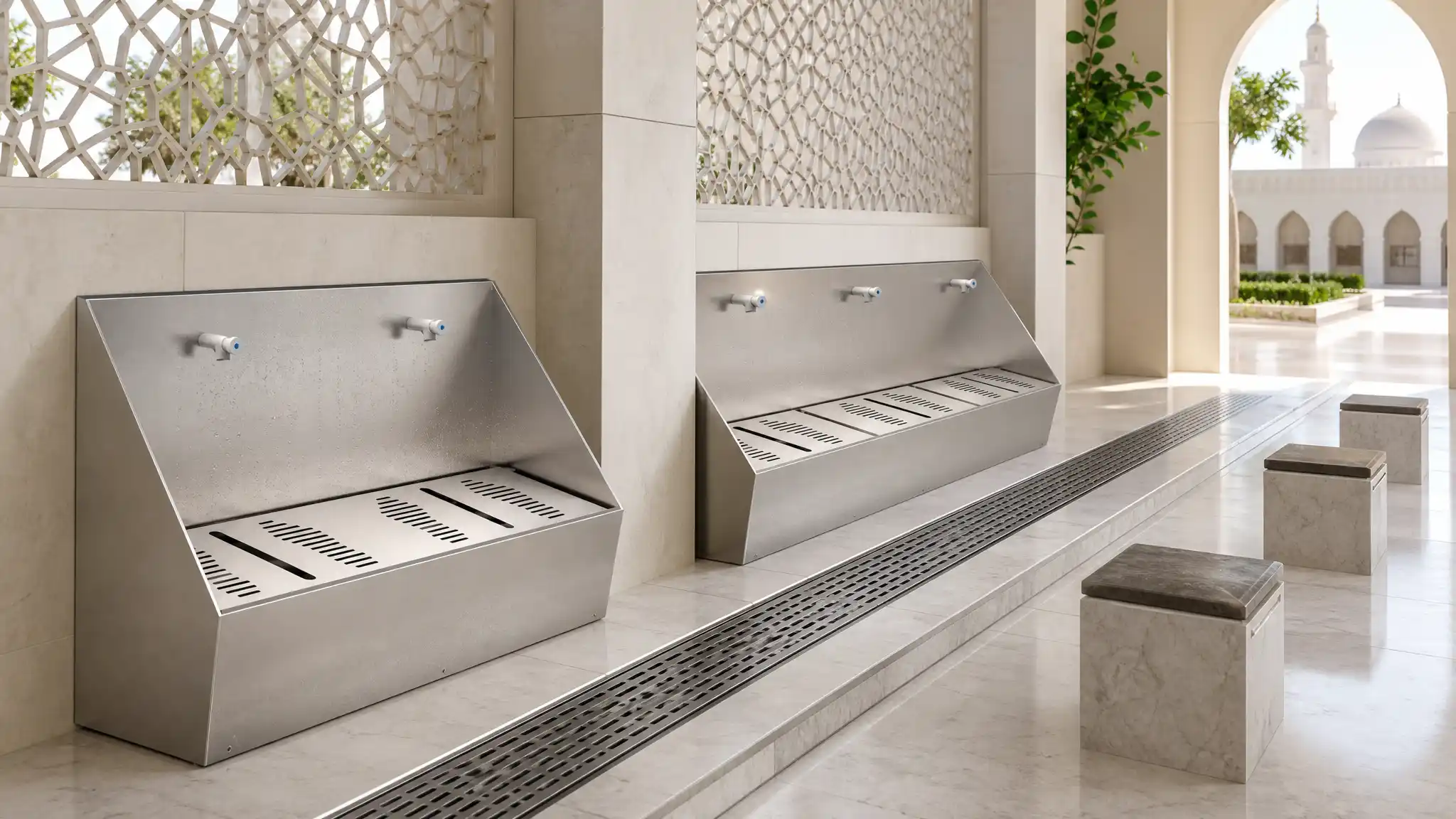
High-quality stainless steel 304 gets picked over and over for one reason — it shrugs off rust and resists scratches better than most alternatives. You’ll find it in commercial kitchen sink stations, laundry sink corners, and public flush sink rows. But hard water and the wrong cleaner? Those will leave their mark eventually, usually in the form of hard water stains or dull patches.
Look after it properly and a stainless steel sink — whether that’s a deep sink or a single bowl sink — can last a decade or more without complaint. A mild detergent, a soft cloth, and a sink grid sitting in the bottom go a long way.
What follows is a straight read on when to swap yours out, plus how to keep the next one alive longer.
1. When to Replace Your Sink
1.1 Looks Damaged
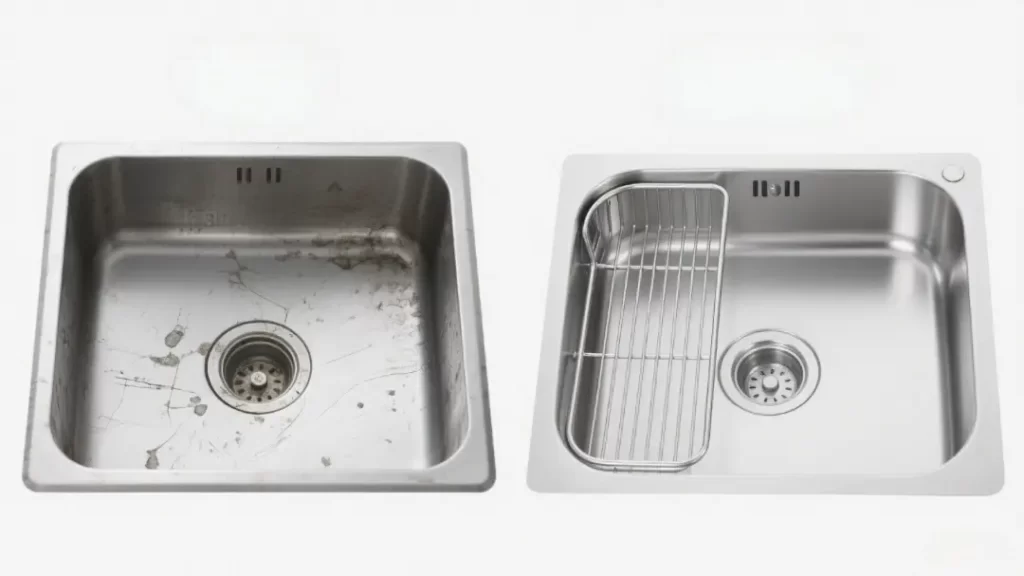
Scratches and Dents Pile Up
Once a brushed finish or satin finish basin is covered in deep gouges, no amount of polishing brings it back. In bar prep sinks or flush sinks, that visible wear works against hygienic sink standards — and frankly, it just looks rough.
Rust Spots Ruin Shine
Can a stainless steel sink rust? Yes — annoyingly, it can. Rust-resistant sinks resist corrosion, they don’t refuse it. Hard water and harsh cleaners chip away at the protective layer, and once the mirror finish dulls and rust won’t lift with normal sink cleaning tips, the surface is compromised.
1.2 Function Problems
Leaks or Seeping Edges
Undermount sinks and wall-mounted sinks tend to fail at the seal first. Water creeps into the cabinet, then the cabinet starts smelling like a basement. For stainless steel laundry sinks or three compartment sinks, a seamless sink seal isn’t optional.
Persistent Drain Clogs
Restaurant sinks and deep laundry sinks clog up — that’s just the job. But when you’ve snaked the line three times and it’s still backing up, the pipework itself is probably finished.
Worn-Out or Incompatible Parts
A broken strainer or soap dispenser swaps out easily enough. The trouble starts when nothing fits anymore. Older laundry sink faucets often won’t thread onto modern hardware, and at that point you’re better off replacing the whole basin.
1.3 Time for an Upgrade
A renovation has a way of exposing every tired thing in a room. An old basin next to new countertops looks worse than it did before. Switching to an apron-front sink, integrated sink, or modern sink style can pull the whole space together.
Newer models also come loaded:
- Noise-reducing sinks with sound dampening pads — quieter dishwashing, less echo
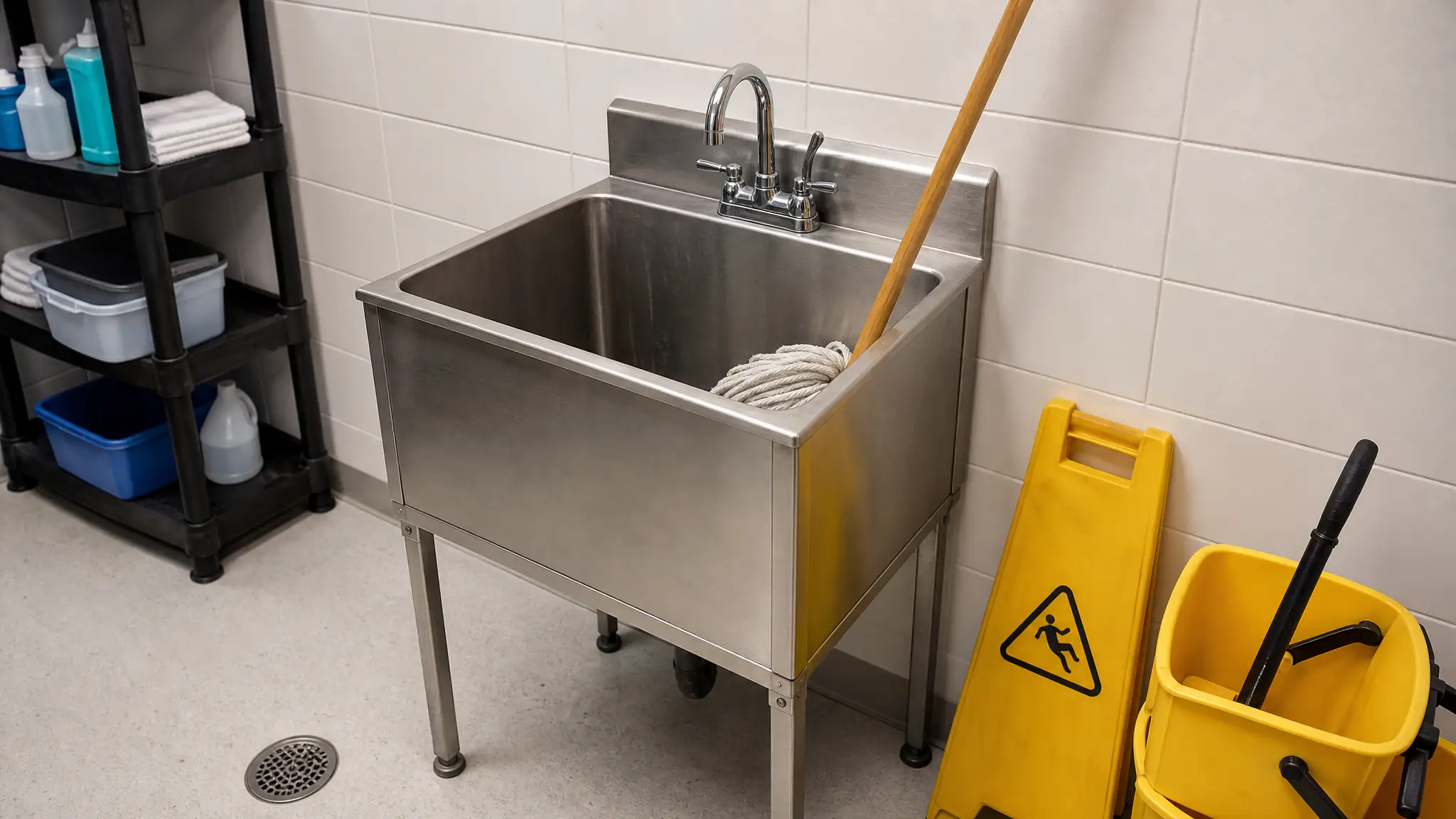
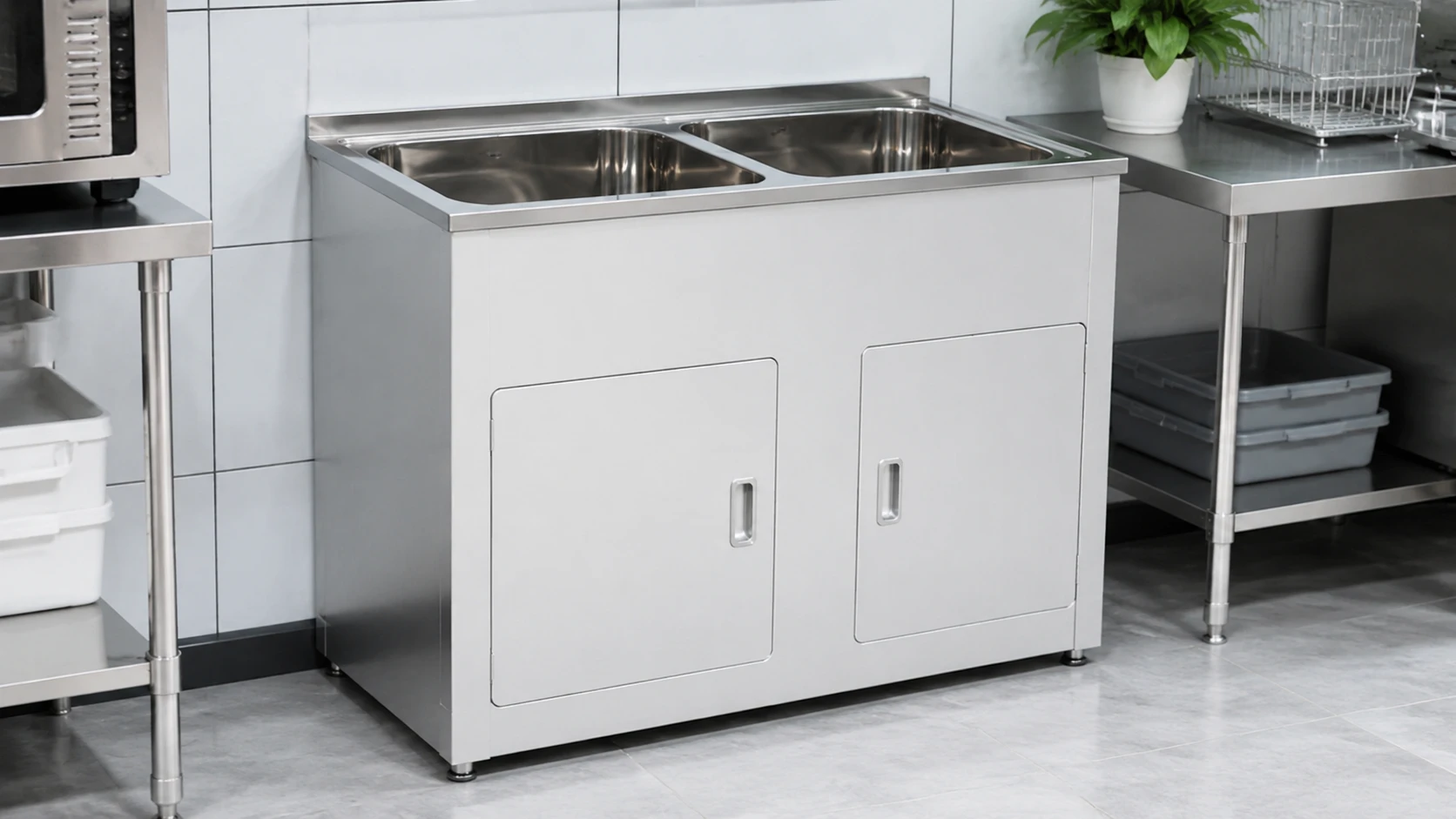
- Workstation sinks with a drainboard or bottom grid — useful in commercial stainless steel sinks or a laundry room sink with cabinet
2. How to Extend the Sink’s Lifespan
2.1 Clean Regularly
Prevent water spots. Wipe the basin dry after use. That single habit blocks most water spots and hard water stains and keeps the satin finish even. Once a week, run a deeper clean with white vinegar or stainless steel polish — works well on mop basins and home deep sinks alike.
Protect the surface. Soft sponge, mild soapy water. Skip steel wool. One pass with the wrong scrubber and you’ve ruined the scratch-resistant sink finish on a bar sink or utility sink.
2.2 Use It Right
Avoid heavy impacts. Set pots down, don’t drop them. A sink mat or bottom grid takes the abuse so the basin doesn’t have to — particularly worth it for commercial sinks that get hammered all day.
Steer clear of harsh chemicals. Bleach, strong acids, alkalis — they’ll pit the surface of even a rust-resistant sink. If something splashes, rinse it off and dry it. Lab sinks are especially unforgiving on this front.
2.3 Regular Maintenance
Once or twice a year, do a quick walk-around:
| Check Point | What to Look For |
|---|---|
| Topmount or undermount installation seals | Cracks, gaps, mildew |
| Utility faucet base | Drips, mineral crust |
| Laundry sink drain & sink drain connections | Slow flow, loose nuts |
Re-caulk what’s worn, tighten what’s loose. For sluggish drains, an eco-friendly drain cleaner or just clearing food debris from the opening usually does the job — common fix in multi-use sinks and laundry utility sinks.
3. How to Choose a Stainless Steel Sink
3.1 Pick Quality Material
Go for 304. Stainless steel 304 covers nearly every use case — residential sink, commercial stainless steel sink, flush sink. For medical sinks or anywhere chemicals fly around, step up to 316.
Check the gauge. Thickness reads backward in this world: lower gauge = thicker steel. A 16 gauge sink takes a beating better than an 18 gauge sink, which matters for any heavy-duty sink. Want it quieter? An insulated sink — ideal for a bar prep sink — kills most of the clatter.
3.2 Measure the Right Size
Three numbers to write down before you shop:
- Sink dimensions
- Sink depth
- Sink width
Single bowl sink, double bowl sink, farmhouse sink — none of it matters if the cabinet won’t take it. For a commercial three compartment sink or deep laundry utility sink, give yourself room to actually install the thing. Tight spot? A small laundry sink fits where others won’t, and a corner sink reclaims dead countertop. Need to wash big stuff? A deep sink for laundry room earns its keep.
3.3 Choose the Right Installation Type
Top-mount sink — Edge sits on top of the counter. Topmount installation is cheap, fast, easy to swap later.
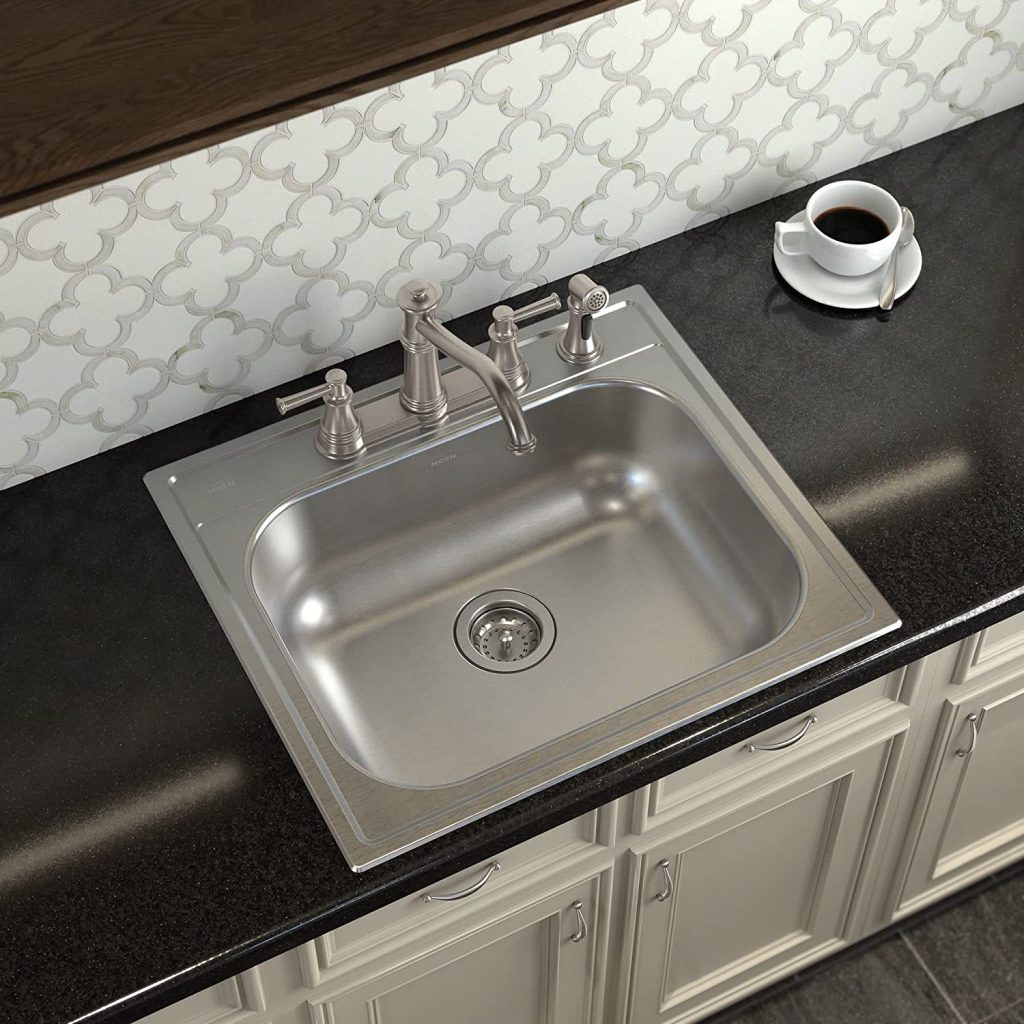
Undermount sink — Mounted below the counter. Crumbs sweep straight in. Suits upscale kitchens.
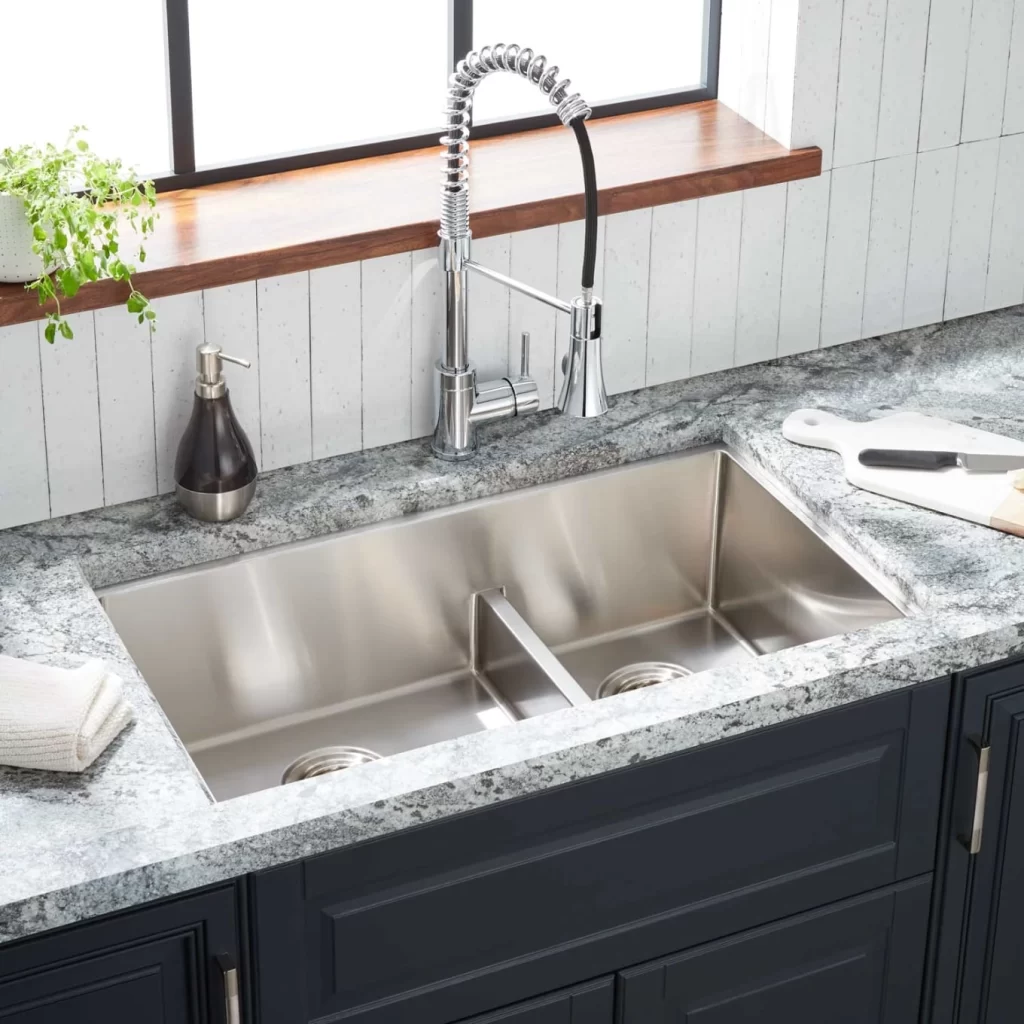
Flush mount sink — Edge level with the counter. Clean, seamless look.
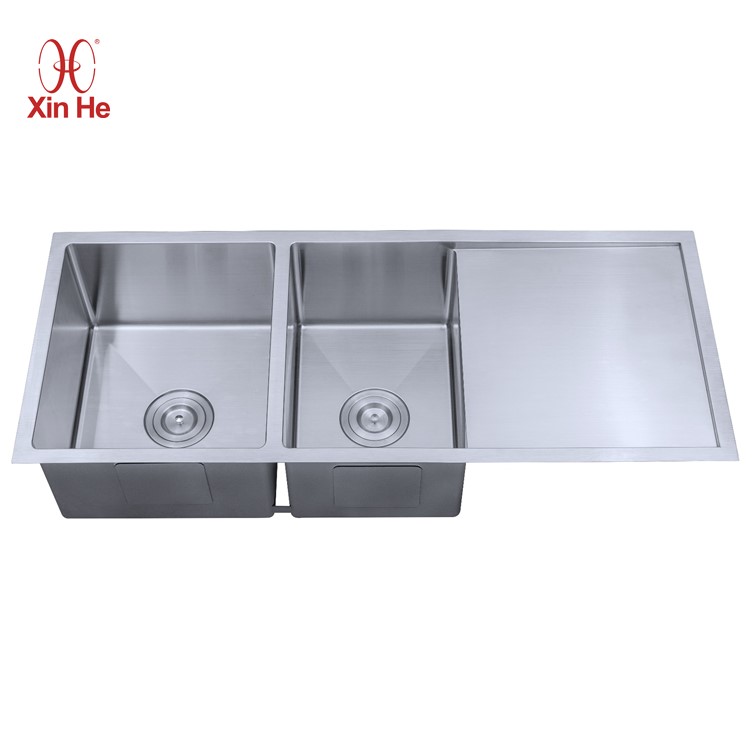
Wall-mounted sink — Frees up the floor. Standard for laundry room sink and commercial sink layouts.
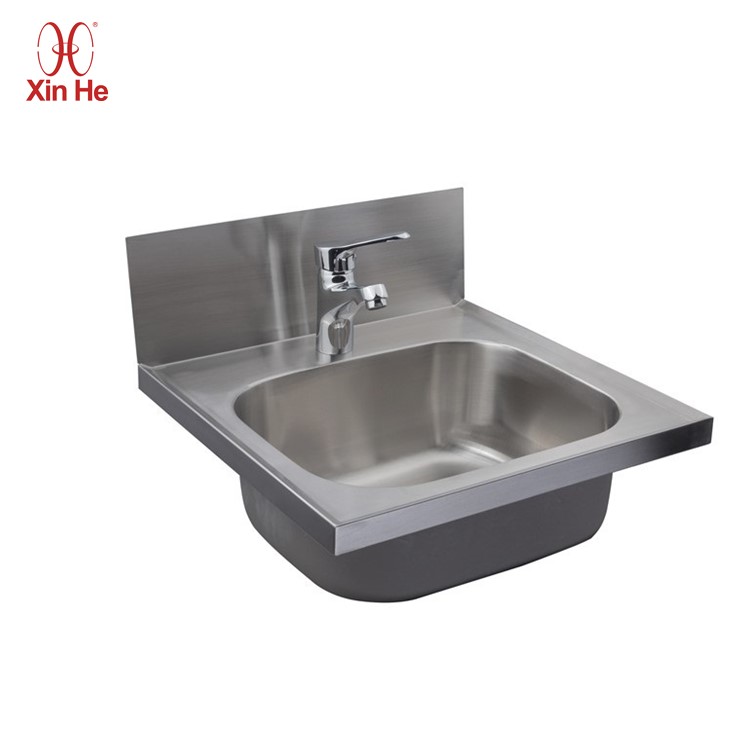
3.4 Hire a Pro for Installation
A wobbly basin is a leaking basin waiting to happen. A proper installer gets the seal tight, the brackets square, and the basin steady — which prevents the cabinet rot and mold that turn a small leak into a big bill.
In Summary
Persistent leaks, rust that won’t buff out, drains that refuse to cooperate — those are the signs your stainless steel sink has done its time. Until then, the boring stuff (regular wipe-downs, no bleach, a grid in the bottom) is what keeps the satin finish looking sharp year after year.