
Small Three Compartment Sink Choices for Food Trucks and Cafes
2026-01-12
In the high-stakes world of mobile gastronomy and boutique coffee culture, space is the ultimate currency. Whether you are designing a high-output food truck layout or a cozy corner café, every square inch represents a trade-off between culinary capability and operational necessity. Among these necessities, one fixture stands as the absolute gatekeeper of your business license: the small three compartment sink.
It is not just a plumbing fixture; it is the cornerstone of your sanitation protocol. Operators often view it as a necessary evil that eats up prep space, but seasoned professionals know better. A well-chosen, strategically placed commercial kitchen sink is the difference between a smooth workflow and an operational bottleneck—or worse, a failed health inspection. This guide breaks down how to choose the right compact unit to turn a regulatory requirement into a workflow win.
Why a Three-Compartment Sink Matters in Tight Spaces
The requirement for a three-basin system is not an arbitrary bureaucratic hurdle; it is rooted in the universal principles of food safety. Before you pull out the tape measure, you must understand the “Wash, Rinse, Sanitize” logic that dictates your layout.
For many owners, a three compartment sink is the primary line of defense against foodborne illness. In a mobile environment, trying to combine these steps or using a standard domestic basin is a direct violation of safety codes. To stay ahead of regulations, it is helpful to understand the 3 compartment sink rules, order and steps required by health departments. A dedicated stainless steel three compartment sink provides the necessary physical barriers to ensure that dirty, soapy water never compromises your sanitizing solution.
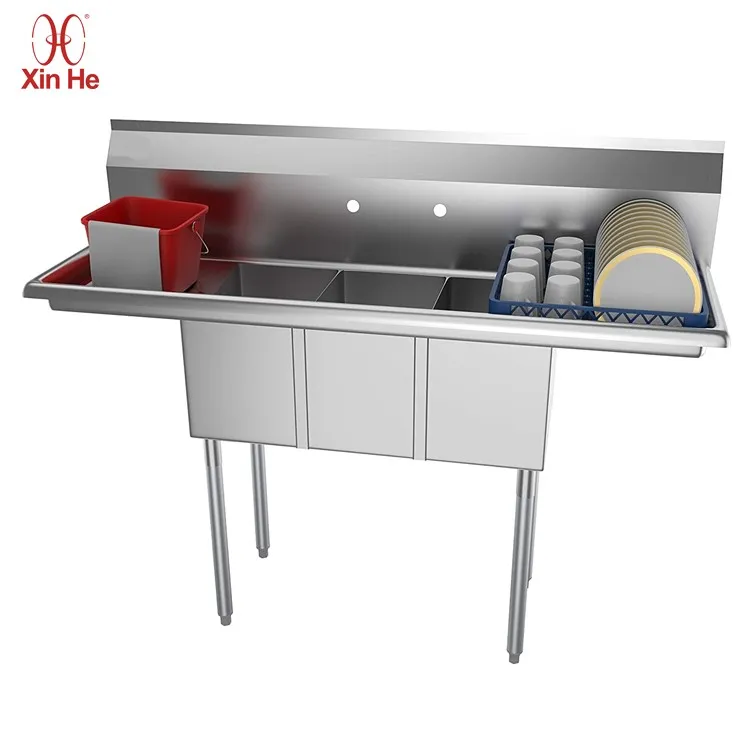
The “Wash, Rinse, Sanitize” Protocol
To maintain a safe environment, your three bay sink must support three distinct chemical and physical actions:
- Wash: Hot water and detergent to physically remove grease and debris.
- Rinse: Clean water to wash away soap residue that could neutralize sanitizers.
- Sanitize: A controlled chemical solution (or high-heat water) to kill remaining pathogens.
For space-constrained businesses, the three sink compartment method remains the gold standard because it is reliable, requires no electricity (unlike commercial dishwashers), and is easy for staff to master.
Understanding Health Department Rules for Mobile and Small Kitchens
Local regulations vary, but the fundamental expectation is that your small 3 compartment sink for food truck operations must be capable of handling your specific menu’s cleanup needs.
Compliance Must-Haves
When scouting for a commercial 3 compartment sink, keep these non-negotiables in mind:
- NSF Certification: This mark ensures the unit meets strict public health standards for design and materials.
- Submersion Depth: Most health codes require bowls deep enough to submerge your largest utensils. If you are unsure if your current setup meets these standards, check if your 3 compartment sink is actually compliant before your next audit.
- Proper Drainage: You must route your discharge through a grease interceptor to prevent clogs in the municipal or mobile waste system.
In particularly tight builds, some owners opt for a 3 compartment sink with handwashing sink integrated into a single unit. This “all-in-one” approach is a massive space-saver, fulfilling the requirement for a separate staff hygiene station without needing an extra foot of wall space.
The Space-Saving Paradox: Balancing Prep Area and Compliance
This brings us to the central conflict of small kitchen design: The Paradox of Space. You want maximum countertop area for revenue-generating activities like chopping and plating, yet the sink must be large enough to be legal.
Finding the “Goldilocks” Size
Finding the sweet spot for a small three compartment sink means analyzing your largest pot. If your sink is too small, you fail inspection. If it is too big, you lose the counter space needed for your espresso machine.
Many mobile operators find success with a small 3 compartment sink with drainboards that uses vertical depth rather than horizontal width. By choosing a deeper bowl (10 to 12 inches), you can meet the volume requirements of the health department while maintaining a compact footprint of 24 to 36 inches in total width.
Stainless Steel Grades: Why Material Choice Matters
In the B2B restaurant supply market, “stainless steel” covers a wide spectrum of alloys. For a sink facing daily abuse from acidic citrus, vinegars, and heavy cleaning chemicals, the metallurgy is your insurance policy.
304 Stainless Steel vs. 201
You will often see two main options: 304 and 201. For long-term ROI, 16 or 18 gauge 304 stainless steel is the undisputed winner. You might wonder, why choose a 16 gauge stainless steel sink over 18 gauge? The answer lies in durability; 16-gauge steel is thicker and resists denting when heavy pots are dropped into the basin, which is crucial for high-traffic food trucks.
- 304 Grade: Contains high levels of nickel and chromium, making it a true 3 compartment sink stainless steel solution that resists rust and pitting even in high-humidity food trucks.
- 201 Grade: A cheaper alternative that looks identical but lacks the nickel content needed to survive years of chemical exposure. It will eventually develop rust spots, which harbor bacteria.
In a mobile setup, replacements are expensive and disruptive. Investing in a high-quality small three compartment sink made from 304-grade steel prevents these future headaches.
Durability and Gauge
The “gauge” measures the thickness. A 16-gauge sink is thicker and more robust than an 18-gauge model. Thicker steel reduces the “clanging” noise in a small kitchen and resists denting when a heavy cast-iron skillet is dropped into the basin.
Choosing the Right Configuration for Your Workflow
How your sink attaches to your workspace affects both hygiene and structural stability.
Integration Styles
- Drop-in Sink: This “self-rimming” style has a lip that sits on top of the counter. A drop-in sink is the easiest to install for retrofits and adds structural rigidity to the countertop—a major plus for the vibration-heavy environment of a food truck.
- Undermount Sink: This mounts beneath the counter, creating a seamless edge. It allows you to wipe crumbs and spills directly into the basin, which is superior for countertop sanitation. If you are undecided on the best installation method for your cafe, reading a drop-in vs undermount sink full guide can help clarify which fits your aesthetic and cleaning needs.
- Corner Units: If you have an awkward layout, a 3 compartment corner sink with drainboards or a corner 3 compartment sink can utilize “dead space” that would otherwise be wasted. This is a pro-level move for tiny cafes with L-shaped counters.
Speciality Configurations
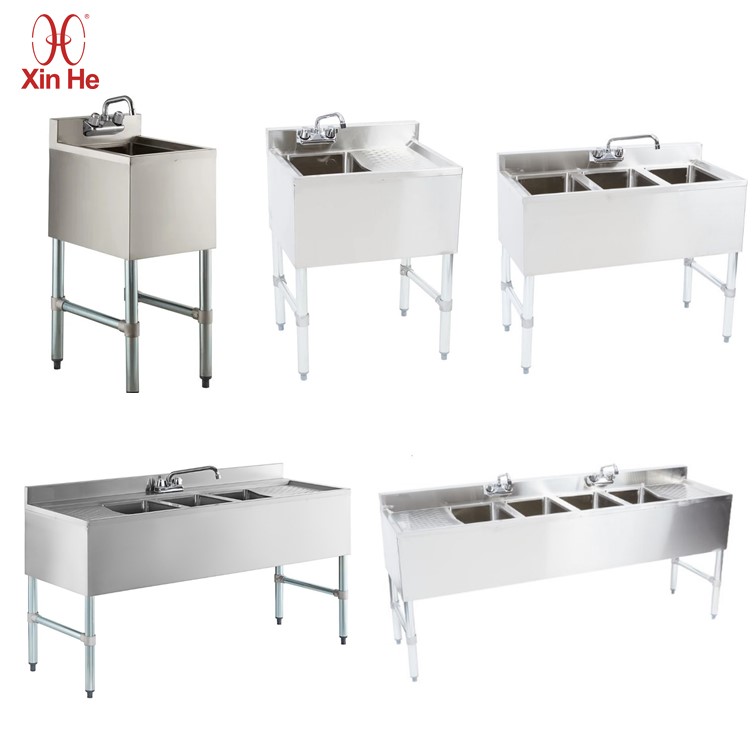
For coffee bars, the underbar sink is the specialized hero. These are typically shorter to fit under bar-height counters and are optimized for washing glassware and shaker tins. In rare cases where extreme sanitation is required for high-risk ingredients, some jurisdictions may even suggest a small 4 compartment sink (to include a dedicated vegetable prep or pre-rinse bay), though the 3-compartment remains the standard.
Key Sizing and Installation Tips for Mobile Environments
Installing a small three compartment sink in a vehicle is dynamic engineering. It involves managing vibration and limited water resources.
Water System Integration
Unlike a building, a food truck has a finite potable water system.
- Water Volume: Remember that larger sink bowls require more water to fill. If your fresh water tank is only 40 gallons, filling a massive sink could drain your supply before the lunch rush even starts.
- Drainage: Ensure your small three compartment sink is mounted higher than your waste tank to allow for gravity flow. Slow drainage leads to foul odors and is a red flag for health officials.
Mobile Plumbing Best Practices
- Flexible Connections: Use braided hoses rather than rigid PVC to prevent cracks caused by road vibration.
- Security: Bolt the unit firmly to the chassis or heavy-duty cabinetry.
- Faucet Reach: Use a high-arc swing faucet that can comfortably reach the center of all three bays.
Maintenance for Long-Lasting Performance
To keep your small three compartment sink compliant and looking professional, you must avoid harsh chlorides.
- Clean with the Grain: Always scrub in the direction of the polish lines.
- Avoid Bleach: Believe it or not, bleach can pit and ruin high-quality stainless steel over time. Use Quat-based or Iodine sanitizers instead.
- Dry it Out: At the end of a shift, wipe the basins dry. This prevents mineral buildup (scale) that makes the sink look dirty even when it’s sanitized.
Sourcing and Customization
For food truck builders and franchise owners, a standard catalog doesn’t always have the answer. This is where manufacturing expertise becomes a competitive advantage.
Companies that focus on the R&D and production of stainless steel products—from surgical sinks to urinals—understand the nuances of material durability. If your layout features a wheel well or a strange corner, you should look for a partner that provides OEM/ODM services.
At Xinhe, we specialize in providing these custom catering solutions. Whether you need a standard small three compartment sink or a bespoke unit notched to fit your specific blueprint, our manufacturing capabilities ensure you don’t have to compromise on your kitchen’s flow. Partnering with a dedicated manufacturer of stainless steel sinks ensures that you receive a product that is not only NSF compliant but built to endure the rigors of a high-volume business.
Final Thoughts
Choosing the right small three compartment sink turns a regulatory headache into a workflow win. By prioritizing 16 or 18 gauge 304 stainless steel, measuring for your largest pots, and considering specialized configurations like a corner 3 compartment sink, you build a foundation for success.
Ready to secure your compliance and optimize your space? Whether you need a standard compact unit or a fully customized fabrication, Xinhe offers professional-grade solutions designed for the rigors of the food service industry. Explore our range of commercial sinks and custom manufacturing services today to find the perfect fit for your business.