Commercial Stainless Sink: A Guide for Professional Chefs
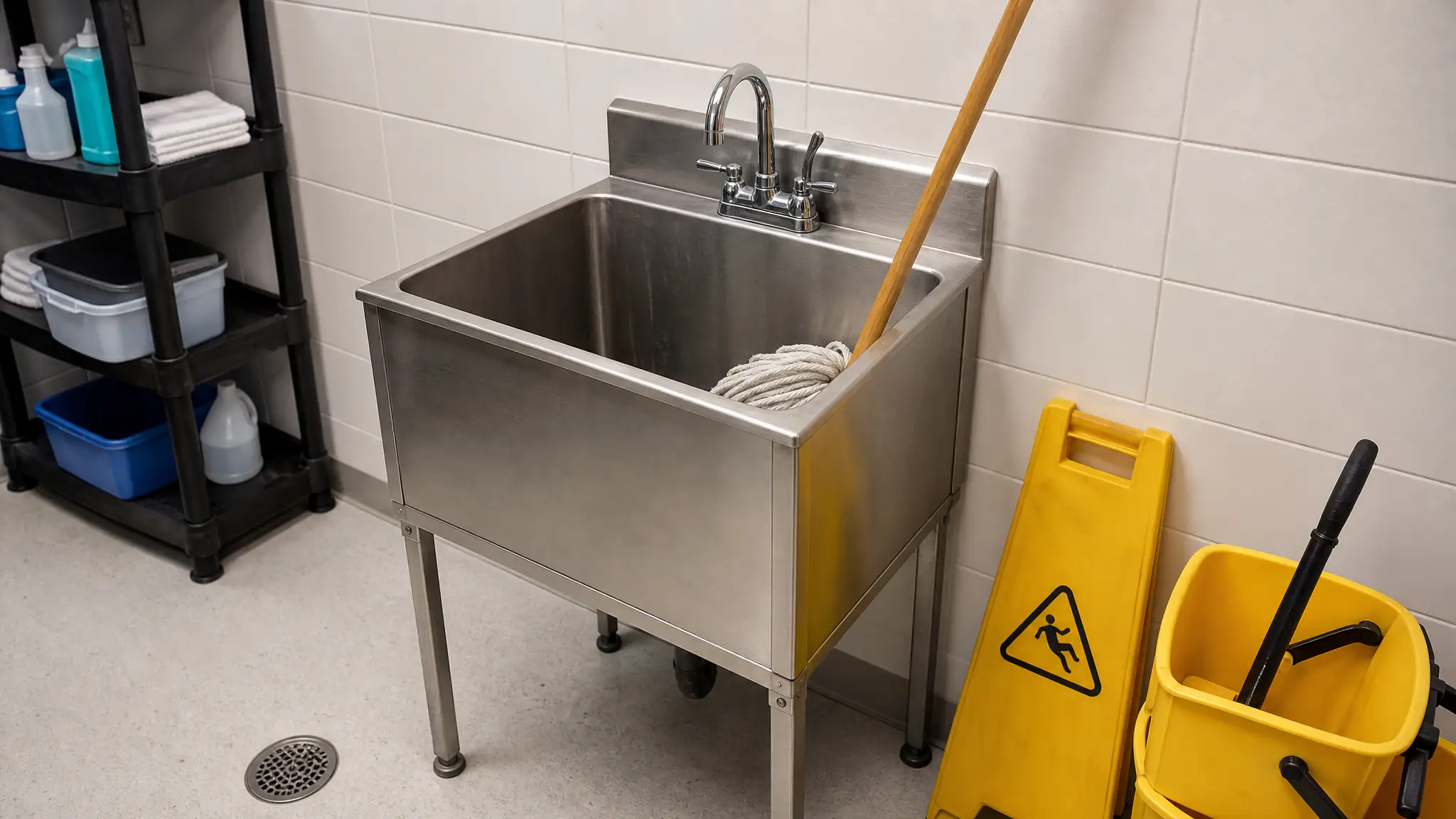
A commercial kitchen works best when it is efficient. At the center of this space is essential equipment that helps things run smoothly. One key piece is the commercial stainless sink. This sink is built to handle heavy use while keeping high hygiene standards. Quality stainless steel has great strength and lasts a long time. It allows for regular cleaning and resists rust and damage.
It is important for chefs and kitchen managers to know their choices. There are many types, like single or double bowl sinks. Each type must meet individual needs for the best food prep. This sets up our look at the important role of commercial stainless sinks in a busy kitchen space.
Understanding Commercial Stainless Sinks for Professional Kitchens
Commercial stainless steel sinks are the workhorses of any professional culinary environment. Unlike residential sinks, they are engineered to withstand the intense demands of daily kitchen operations, from constant food preparation to washing heavy pots and pans. Their design focuses on durability, sanitation, and resistance to corrosion, ensuring they can endure years of heavy use.
Choosing the right sink is a critical decision that influences your kitchen’s efficiency and cleanliness. The material, size, and configuration you select will directly affect how smoothly your team can perform tasks, maintain hygiene, and adhere to food safety standards. Let’s explore the standards, types, and materials that define these essential fixtures.
Defining Commercial Kitchen Sink Standards
When selecting a commercial sink, it’s essential to follow regulations designed to ensure food safety and public health. Sinks must be made from high-quality, non-porous stainless steel for easy sanitization and to prevent bacterial growth.
Strict hygiene standards require sinks to be free of cracks or crevices where food debris can collect, allowing for thorough cleaning and reducing cross-contamination risks.
Commercial sinks typically need NSF certification or similar proof of compliance to demonstrate suitability for food service. Adhering to these standards is crucial for operating a safe, compliant kitchen.
Types of Commercial Stainless Sinks
Commercial sinks come in various configurations, each suited for different tasks and kitchen layouts. Choosing the right type of sink is crucial for creating an efficient workflow. The most common types are distinguished by the number of basins they feature.
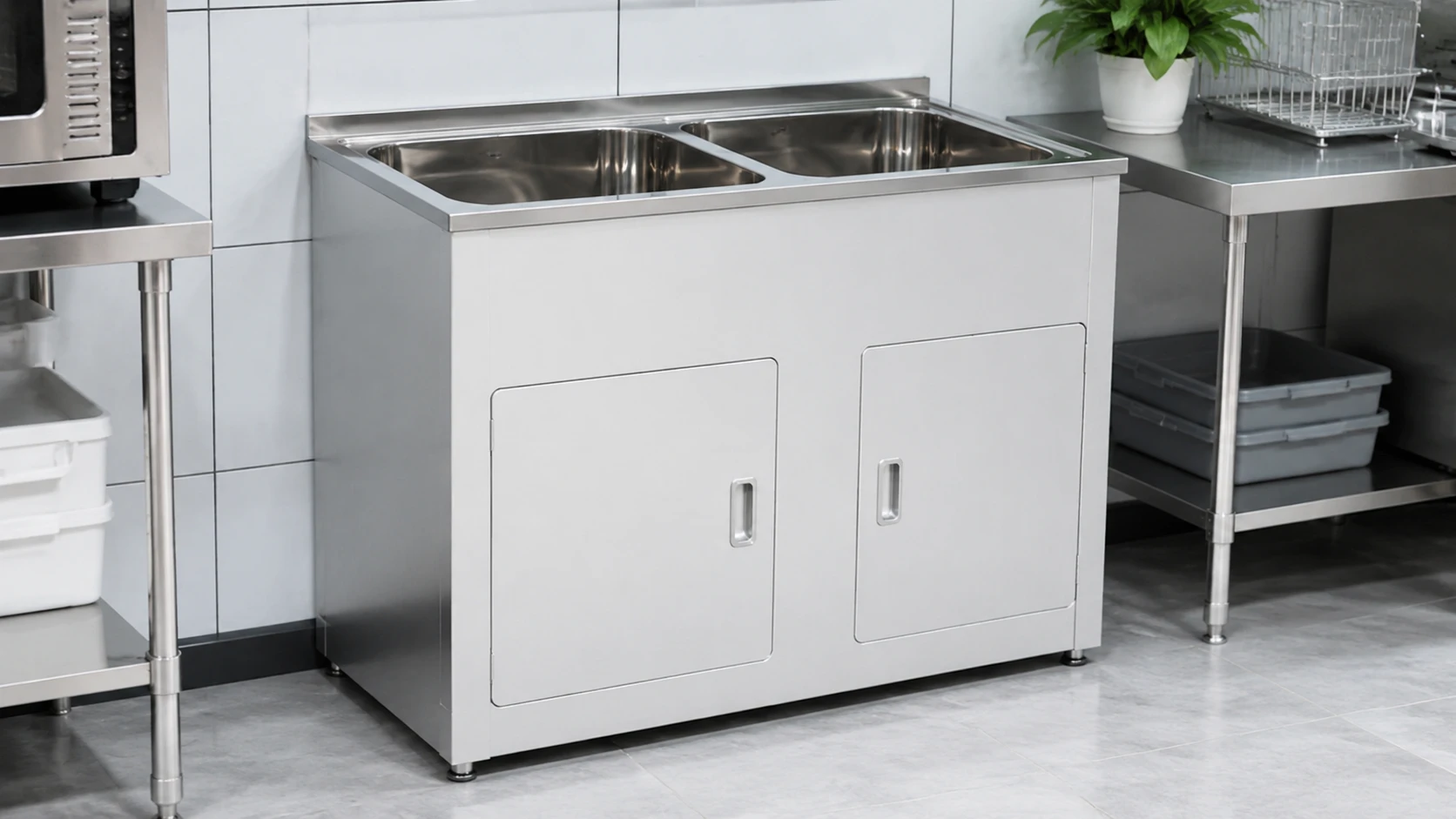
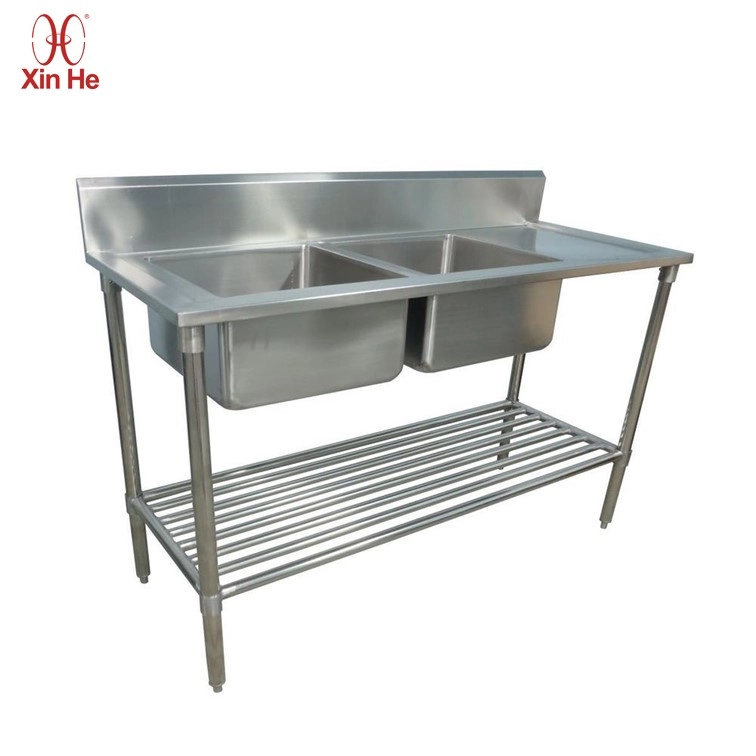
A single bowl sink is a compact, simple option ideal for small spaces or dedicated tasks like handwashing or basic food prep. For kitchens that need more versatility, a double bowl sink allows for multitasking, such as separating dirty dishes from produce rinsing. For full-scale dishwashing, a three-compartment sink is often required by health codes.
Here are the most common types:
- Single Bowl Sinks: Perfect for specific tasks in tight spaces.
- Double Bowl Sinks: Offer flexibility for separating tasks and improving workflow.
- Triple Bowl Sinks: The industry standard for the wash, rinse, and sanitize process required for manual dishwashing.
Material Grades and Durability in Stainless Commercial Sinks
The longevity of a commercial sink is directly tied to its material. While other materials like cast iron exist, they are not suitable for commercial kitchens as they can chip and are difficult to maintain. Stainless steel offers unmatched durability and is the industry standard for good reason. Its non-porous surface is easy to clean and sanitize, making it the ideal choice for food service.
The specific grade of stainless steel is a critical factor. Type 304 stainless steel, also known as 18/8, provides an excellent balance of corrosion resistance and strength, making it the top choice for most commercial applications. It stands up to harsh cleaning chemicals and food acids without showing signs of wear. Lower grades may be cheaper but are more prone to rust and damage.
Investing in a high-grade stainless steel sink ensures exceptional durability. This material is built to withstand the daily abuse of a bustling kitchen, offering years of reliable service and performance.
| Stainless Steel Grade | Common Use | Key Benefit |
|---|---|---|
| 304 Grade | Hospitality and commercial kitchens | Excellent balance of durability, cost, and corrosion resistance. |
| 316 Grade | Marine or highly corrosive environments | Exceptional corrosion resistance, often at a higher cost. |
| 430 Grade | Budget-friendly applications | Lower corrosion resistance, not ideal for heavy commercial use. |
Key Features to Look for in a Commercial Stainless Sink
When you’re ready to select a commercial sink, several key features will determine its performance and longevity. The gauge, or thickness, of the steel is a key factor in how well the sink will hold up to constant use. The finish not only affects appearance but also how easy the sink is to clean and maintain.
The type of sink configuration you choose—whether it’s a single basin or a multi-compartment unit—will depend on your kitchen’s specific needs. Stainless steel is the ideal material, but understanding these finer details will help you choose a sink that truly enhances your kitchen’s operations for years to come.
Choosing the Right Gauge and Finish
The gauge of stainless steel refers to its thickness, and it’s a critical indicator of durability. In this case, a lower number means a thicker gauge. For commercial kitchens, 16-gauge or 18-gauge steel is recommended. This thickness can withstand the impact of heavy pots and pans without denting and also helps reduce noise from clanging dishes.
The finish of the sink affects both its aesthetic appeal and ease of maintenance. While a shiny, mirrored finish might look impressive initially, it shows every scratch and water spot. A brushed or satin finish is far more practical for a commercial setting. This type of smooth surface has fine lines that help hide minor scratches and daily wear, maintaining a clean appearance with less effort.
Choosing a thicker gauge and a practical finish is an investment in long-term value. These features ensure your sink remains functional and professional-looking, even in a high-volume environment, contributing to its overall durability and simplifying daily cleaning routines.
Benefits of Three and Four Compartment Sink Configurations
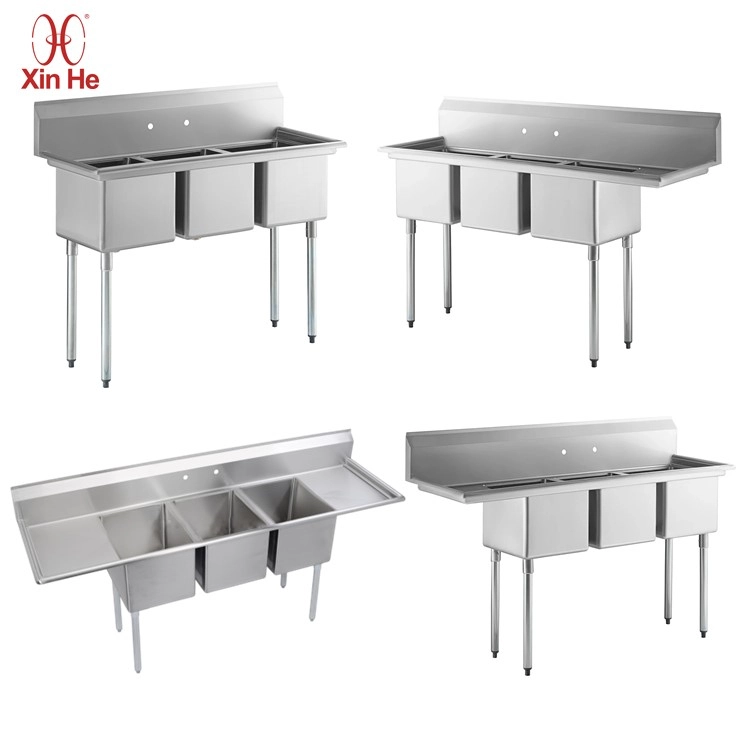
A three compartment sink is the cornerstone of manual dishwashing in most commercial kitchens and is often required by health departments. This setup is designed to follow the mandatory wash, rinse, and sanitize process, ensuring every item is hygienically cleaned. This systematic approach to the dishwashing process prevents cross-contamination and helps your staff adhere to food safety protocols efficiently.
For kitchens with more complex needs, a four compartment sink offers even greater flexibility. The additional basin can be used for tasks like pre-soaking heavily soiled items, scraping dishes, or as a dedicated space for food prep. This configuration is ideal for high-volume operations that need to streamline multiple processes simultaneously.
The benefits of these multi-compartment sinks are clear:
- Compliance: A three compartment sink is the standard for meeting health code requirements for manual dishwashing.
- Efficiency: Separating tasks into different basins creates a more organized and faster workflow.
- Versatility: A four compartment sink can be adapted to the unique needs of your kitchen, from dishwashing to food prep.
Essential Accessories: Faucets, Drains, and Prep Add-ons
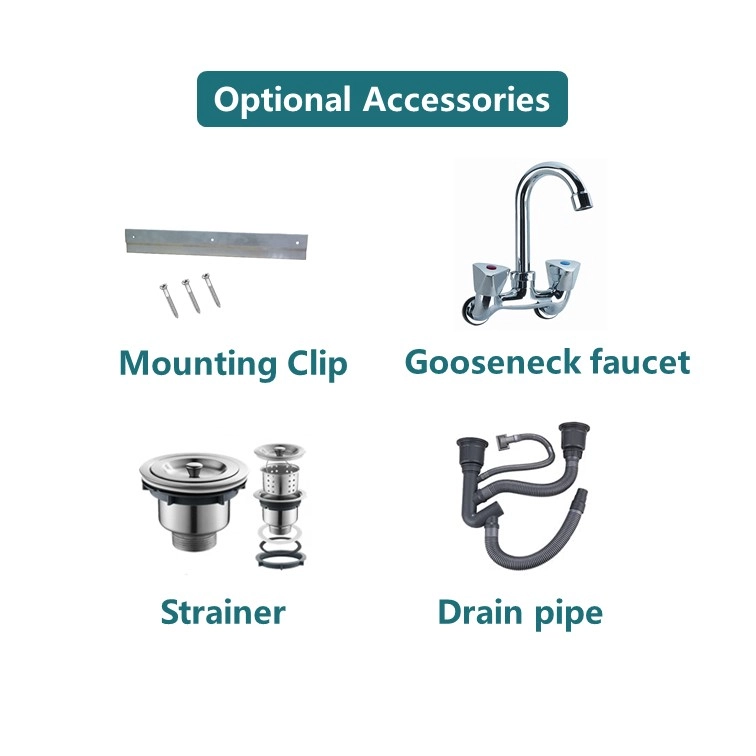
A sink’s functionality is greatly enhanced by the right accessories. High-quality faucets and drains are not just add-ons; they are essential components for a fully operational sink station. Pre-rinse sprayers are particularly valuable in a dishwashing area, using high-pressure water to blast away food residue before washing, which saves time and water.
Drain systems are equally important. Investing in durable drain strainers is crucial for preventing food scraps and other debris from clogging your plumbing, which can save you from costly repairs. Proper care of your drains is just as important as caring for the sink basin itself to ensure smooth operation.
You can also find various prep add-ons to transform your sink into a multi-functional workstation. A custom-fit cutting board or colander that sits over the sink basin can create extra space for food prep, which is especially useful in smaller kitchens.
- Faucets: Consider hands-free models or pre-rinse sprayers to improve hygiene and efficiency.
- Drains: High-quality strainers are a must-have to prevent clogs.
- Prep Add-ons: Over-the-sink cutting boards and colanders maximize your workspace.
Selecting the Proper Size and Setup for Your Kitchen
Choosing the right sink involves more than just picking a model you like; it’s about finding a solution that fits your specific operational needs. The size and configuration of your sink should be determined by your kitchen layout, the volume of dishes you process daily, and the types of tasks you’ll be performing.
A well-chosen sink can significantly improve the workflow in a busy commercial kitchen, while a poorly sized or placed one can create bottlenecks and inefficiency. Taking the time to assess your space and needs will ensure you select a sink that is an asset to your team. Let’s look at the factors that should guide your decision.
Factors Influencing Sink Size Selection
Several elements play a crucial role in determining the ideal size of a commercial stainless sink for your kitchen setup. One key factor is the volume of dishes generated during peak hours; larger restaurants or busy catering operations often require extensive wash stations to accommodate high throughput efficiently. Additionally, the type of sink configuration—whether a single bowl or a double bowl sink—offers different benefits based on workflow requirements such as food prep and dishwashing processes.
Another consideration is the kitchen layout, which significantly impacts ease of access and workflow efficiency. The availability of space dictates the dimensions of the sink while ensuring it meets hygiene standards and integrates seamlessly with other kitchen components. Ultimately, choosing the right size ensures that daily operations run smoothly while maintaining cleanliness and safety for staff and customers alike.
Workflow Optimization with Compartment Sinks
Compartment sinks streamline commercial kitchen workflows by assigning separate basins for washing, rinsing, and sanitizing. This organization improves dishwashing efficiency and helps prevent cross-contamination, supporting high food safety standards.
These sinks are versatile—one basin can thaw items while another handles food prep like rinsing produce. This multi-functionality lets staff perform several tasks at once, boosting efficiency and making the most of limited space.
Built to withstand heavy use, compartment sinks are a smart investment for any food service operation. Their durability supports rigorous hygiene and keeps up with fast-paced kitchen demands, improving productivity overall.
Comparing Commercial Sink Needs for Restaurants, Bars, and Cafeterias
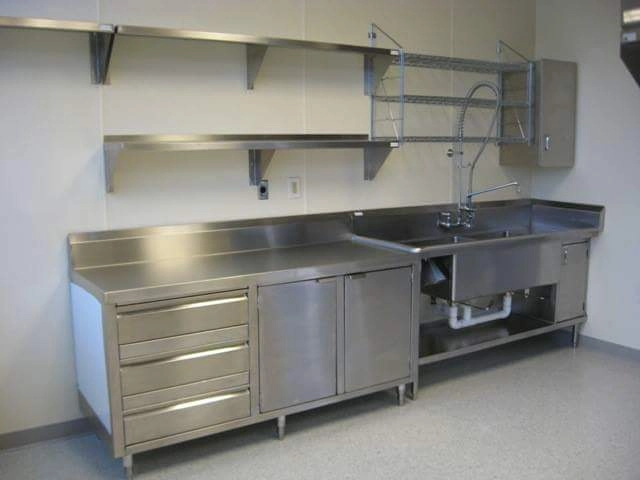
Different types of catering establishments have specific needs for commercial stainless steel sinks. Full-service restaurants require durable, multi-compartment sinks to handle heavy dishwashing, large pots, and constant food prep—built for frequent use and cleaning.
Bars need shallower sinks designed for glassware, often with features like glass rack slides or integrated ice bins. Cafeterias, serving many people quickly, need large, sturdy sinks for high-capacity dishwashing and handling trays.
Each setting has unique demands. Understanding these helps you choose the right sink for your operation.
| Establishment | Primary Sink Needs | Common Sink Type |
|---|---|---|
| Restaurant | High-volume dishwashing, food prep, washing large pots | Deep three-compartment sinks |
| Bar | Glassware washing, quick rinsing, ice storage | Shallow multi-compartment bar sinks |
| Cafeteria | High-capacity warewashing, trays and utensils | Large three-compartment sinks with drainboards |
Certification Guidelines
When buying commercial equipment, ensure it meets safety standards. Certifications show a product is tested and suitable for professional use. For sinks, compliance with regulations protects public health.
Following these guidelines is essential for legal and responsible food service. Choosing a certified stainless steel sink prioritizes food safety and ensures smooth health inspections. One certification is recognized as the gold standard for commercial kitchen equipment.
NSF Certification and Its Importance
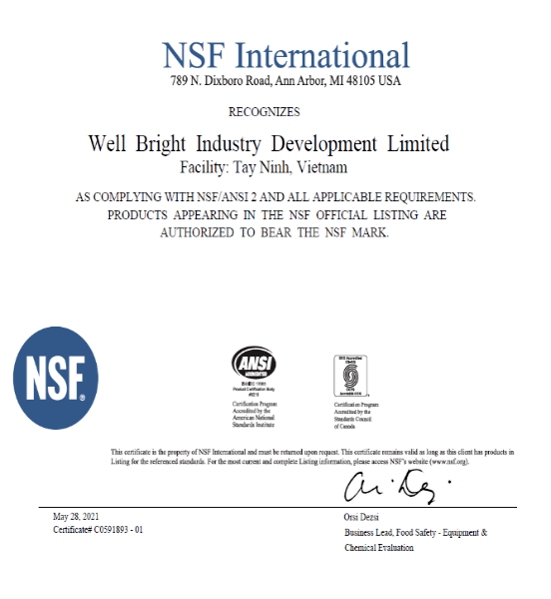
NSF International sets health and safety standards and tests products for compliance. An NSF tag on a commercial sink means it has passed rigorous safety and cleanliness tests. We helped clients get custom stainless steel sink NSF-certified, providing complete documentation as proof of timely delivery and strict compliance.
NSF approval is vital for food businesses, signaling to inspectors that you prioritize safety and use certified equipment. Kitchens with NSF-certified sinks are 40% less likely to receive critical violations during inspections (2022 Food Safety Insights survey), highlighting their popularity and reliability.
Attached are our certifications image for details.
Conclusion
In conclusion, selecting the right commercial stainless sink is vital for maintaining efficiency and hygiene in any professional kitchen. Understanding the different types, materials, and configurations available can help you make an informed choice that suits your specific needs. Whether you’re managing a bustling restaurant or a busy cafeteria, the right sink will enhance your workflow and ensure compliance with health regulations. Don’t overlook the importance of certifications like NSF, which guarantee quality and safety standards.
For personalized advice and insights into the best options for your establishment, don’t hesitate to reach out. Get a free consultation today and elevate your kitchen experience!
FAQ
Are three sink compartment options better than single compartment sinks?
Yes, for most commercial kitchens, a three compartment sink is better because it is essential for following the required wash, rinse, and sanitize workflow. This setup is crucial for food safety and is often mandated by health codes for manual dishwashing, especially under heavy use conditions.
What is a four-compartment sink used for?
A four compartment sink offers extra flexibility for busy kitchen operations. The additional basin can be used for pre-soaking heavily soiled dishes, as part of an advanced dishwashing process, or as a dedicated space for food prep, accommodating the different needs of a high-volume kitchen.
How do I choose the right size commercial stainless sink for my restaurant?
To choose the right sink, first assess your kitchen layout and available space. Then, consider the volume of dishes you wash daily and your unique needs, such as washing large pots. The type of sink, whether single or multi-compartment, should align with these factors to ensure efficiency.
What is the longest lasting kitchen sink?
The longest-lasting kitchen sink for commercial use is one made from thick, high-grade stainless steel, such as 16-gauge, 304-grade steel. This material offers unmatched durability and corrosion resistance. With proper care, it can withstand the demands of a professional kitchen for many years.