How Toilet with Sink on Top Designs Cut Water Waste
A toilet with sink on top helps save water by utilizing the water from handwashing to flush. This innovative design also saves space by combining two essential functions into one compact unit. Facility managers recognize the real benefits of this system in busy environments. Xinhe’s stainless steel solutions, including their combined models, ensure these systems operate efficiently and endure in high-traffic areas. They effectively prevent water waste and maximize the use of all restroom space.
How Toilet with Sink on Top Designs Work
Water Recycling Mechanism
A toilet with sink on top has a smart water recycling system. The handwashing basin sits right above the toilet tank. When you wash your hands, water comes out of the faucet into the sink. The used water does not go down the drain. It moves into the toilet tank below. The tank keeps this greywater and uses it for flushing next time.
Here’s how the main parts work together:
| Component | Description |
|---|---|
| Integrated Sink Basin | Sits above the toilet cistern and collects handwashing water. |
| Faucet | Connects to fresh water and gives clean water for washing hands. |
| Drain Assembly | Sends used water from the sink into the toilet tank, not the waste pipe. |
| Cistern with Float Valve | Controls water levels and makes sure there is enough water for flushing. |
| Storage Tank | Holds greywater until it is needed for flushing. |
| Filtration (optional) | Some models have filters to catch dirt before water goes into the tank. |
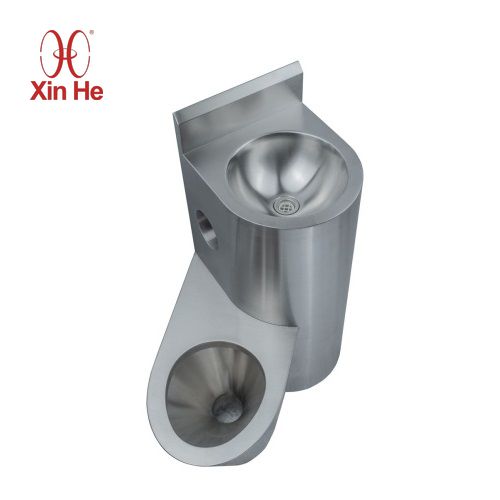
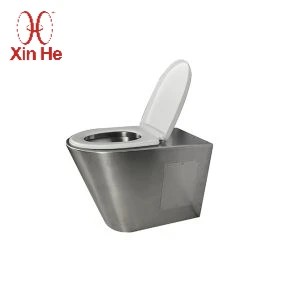
This system keeps greywater away from blackwater. This helps keep things clean. The storage tank uses strong materials like stainless steel. This stops bacteria from growing. Xinhe’s Stainless Steel Jail Toilet with Integrated Sink (PQ433) has a smooth, rounded shape. It is easy to clean and safe for busy places.
Tip: The water recycling system saves water and needs less plumbing.
Handwashing Water for Flushing
Reusing handwashing water for flushing is simple. Here are the steps:
- Clean water fills the sink basin above the toilet tank.
- After you wash your hands, water drains into the toilet tank below.
- The tank stores this greywater for the next flush.
- If the tank needs more water, fresh water adds more automatically.
- Some units have a filter to catch soap or dirt.
This way, every handwash helps save water. Used water does not go down the drain. The system uses it again. In busy places like prisons, hospitals, or public restrooms, this can save thousands of liters of water each year.
Xinhe’s PQ433 model is great for high-security places. It has anti-ligature and anti-tamper features. This makes it safe for correctional facilities. The thick stainless steel shell is tough. It keeps the system working well, even with lots of use.
Comparison to Traditional Toilets
A toilet with sink on top has many benefits over regular toilets and sinks. Let’s look at how they compare:
| Feature | Toilet with Sink on Top | Traditional Toilet & Sink |
|---|---|---|
| Water Usage | Reuses handwashing water for flushing | Uses fresh water for both functions |
| Space Requirement | Compact, combines two fixtures | Needs separate space for each |
| Maintenance | Easy to clean design, less frequent servicing | More cleaning, separate plumbing |
| Installation | Fewer pipes, simpler setup | More complex plumbing |
| Hygiene | Seamless design, less bacteria buildup | More surfaces, higher risk |
| Cost Savings | Lower water bills, reduced plumbing | Higher water and maintenance costs |
The toilet with sink on top design recycles water. Regular toilets only use less water per flush. Pressure-assist toilets use less water but do not reuse greywater. In places like Japan, this system has saved millions of liters of water every year.
Facility managers in public and commercial places see big benefits. The PQ433 model from Xinhe needs less cleaning than regular portable toilets. Its smooth stainless steel surface is easy to wipe and keep clean. The design also stops misuse and theft of supplies. This is a common problem in busy places.
Water and Space Saving Benefits
Reduced Water Consumption
A toilet with sink on top helps places use less water. When someone washes their hands, the water is saved for flushing. This means the same water gets used two times. Regular toilets only use clean water to flush. Normal sinks send all handwashing water down the drain.
Here’s an example. In a busy restroom, many people wash hands and flush every day. With this system, each handwash can save up to 6 liters of water. Over a year, this saves thousands of liters. Facility managers notice lower water bills. They also help the planet by using less clean water.
Xinhe’s PQ433 model has a strong stainless steel tank. It keeps the saved water safe and clean until needed. The smooth surface is easy to wipe and keeps germs away. People in schools, hospitals, and prisons see the change. There are fewer leaks and less wasted water.
Water-saving designs like this help buildings go green. They also show that the facility cares about the environment.
Space Optimization in Public/Commercial Space
Space is important in public restrooms and schools. A toilet with sink on top puts two things in one small unit. This design gives more floor space for other things. In small restrooms, every inch matters. Planners can fit more toilets or add grab bars for people who need them.
Xinhe’s PQ433 model is slim and easy to install. It fits in tight corners or busy hallways. You can put it on the wall or floor. This makes it easy to plan any restroom. Maintenance teams like the access door for repairs. They do not have to take out the whole unit to fix something.
Here’s a quick comparison:
| Feature | Toilet with Sink on Top | Traditional Toilet & Sink |
|---|---|---|
| Floor Space Needed | Minimal | Double |
| Installation Points | One | Two |
| Accessibility | High | Medium |
| Flexibility | High | Low |
Facility managers in busy places like airports pick this design. It serves more people in less space. The small unit also makes cleaning faster. Staff can wipe one fixture instead of two.
Cost Savings Over Time
A toilet with sink on top saves more than just water and space. It also helps places save money over time. These units have fewer parts and simple plumbing. Maintenance teams spend less time fixing leaks or clogs. The PQ433 model uses thick stainless steel. It does not break easily and stops damage. This means fewer repairs and replacements.
Some models use foot-pump systems and do not need power. They work even if the lights go out. Fewer moving parts mean fewer things break. Regular toilets need more pipes and sometimes use electricity. This can cost more to fix and keep running.
Over the years, these savings add up. Buying a toilet with sink on top pays off fast, especially in busy places.
Additional Advantages of Integrated Toilet-Sink
Hygiene and Easy Cleaning
The one-piece molded trap has no seams. This means bacteria have nowhere to hide. Facility managers see fewer leaks. This makes restrooms cleaner and easier to take care of. The stainless steel surface does not let germs or viruses stick. Staff can use strong cleaners without hurting the unit. The sink and toilet are close together. This helps people remember to wash their hands, especially in jails.
| Feature | Description |
|---|---|
| One-piece molded trap | No welded seams, reducing bacterial hiding spots |
| Eliminates leak points | Lowers maintenance needs and enhances hygiene |
| Enhances sanitation | Improves overall hygiene in toilets |
Vandal-Resistant and Durable Features
It uses 304-grade stainless steel. This metal is hard to break or damage. Porcelain toilets break much faster. The seamless design stops weak spots from forming. The unit can handle rough use and vandalism. Reports show repairs for vandalism go down by 40% after switching to stainless steel. The anti-ligature and anti-tamper design makes it safer. It lowers the risk of people hurting themselves or climbing.
- 304-grade stainless steel stands up to hits and tampering.
- Seamless design keeps weak spots from happening.
- Safety features help stop self-harm and keep people safe.
Customization and Versatility
Xinhe lets you customize the toilet-sink for your needs. Facility managers can pick the shape, how it mounts, bowl size, and thickness. The toilet-sink works well in jails, hospitals, schools, and public bathrooms. You can put it on the wall or floor.
| Product Type | Typical Use | Customizable Aspects |
|---|---|---|
| Stainless Steel Toilet | Prisons, detention centers, public restrooms, institutional facilities | Shape & footprint, mounting style, bowl size, thickness/grate strength |
| Stainless Steel Urinal & Trough | Schools, parks, stadiums, public wash zones | Length/width/depth of troughs, number and spacing of urinal outlets, mounting style, customized dimensions for wall-hung or floor models |
| Stainless Steel Hand Basin / Washbasin | Clinics, public toilets, accessible restrooms, small wash corners | Basin shape and size, wall-mount or pedestal style, sink depth, basin thickness/modular design |

Facility managers like how flexible the unit is. The stainless steel does not rust or scratch easily. This makes it great for busy places. Schools, hospitals, and public buildings find it easy to clean and very strong.
User Experience and Practical Applications
Daily Convenience and Accessibility
Integrated toilet-sink units make daily life easier for everyone. People can wash their hands and flush in one place. This helps people who have trouble moving around. They do not need to walk far or reach too much. The small size of the unit keeps everything close. Many places add bumpy markers, so people with vision problems can feel where things are. Some models let people change the setup to fit their needs. Features like soft sounds or nice smells help people know where they are in the restroom.
Facility managers often:
- Add bumpy markers to help people find things.
- Pick setups that work for different users.
- Use sounds or smells to guide everyone.
A good integrated unit helps all people, even those with disabilities. It follows rules for accessibility and fits many needs.
Feedback from Real-World Installations
Places that use integrated toilet-sink units see good results. In jails, staff get fewer calls to fix things and see less damage. Hospitals say patients and visitors find the bathrooms easier to use. Schools and public buildings like saving space and easy cleaning. Many people say they feel safer and more able to do things on their own with these units.
| Setting | User Feedback | Practical Outcome |
|---|---|---|
| Prisons | Fewer problems, safer for everyone | Lower repair costs |
| Hospitals | Easier for patients and visitors | Better accessibility |
| Public Restrooms | Cleaner, better use of space | More people are satisfied |

A toilet with sink on top helps places save water and space. Many buildings use about 20% less water than before. The small design fits well in tiny bathrooms. It also makes cleaning simple and fast. Experts say to look for certifications and check local rules. Facility managers can count on Xinhe’s stainless steel units to last a long time.
Do you want better restrooms? Contact Xinhe for help or look at their models today.
FAQ
How does a toilet with sink on top save water?
This system uses handwashing water to flush. Every time you wash your hands, you help save water. Facility managers notice lower water bills. The environment is helped by less water waste.
Is the integrated toilet-sink easy to clean?
Yes. The smooth stainless steel stops bacteria from growing. Cleaning staff can wipe it fast. Maintenance teams do not need to scrub much.
Where can Xinhe’s integrated toilet-sink be installed?
Facility managers put these units in prisons, hospitals, and schools. They also use them in public restrooms. The small design fits tight spaces and busy places.
Can the toilet-sink be customized for different needs?
Xinhe lets you pick the size and how it mounts. You can also choose the thickness. Facility managers select features for their projects.
What makes the unit vandal-resistant?
The thick stainless steel shell is hard to break. Anti-ligature features make it safer. The design works well in tough places with lots of use.