Home > Products > Drinking Fountain >
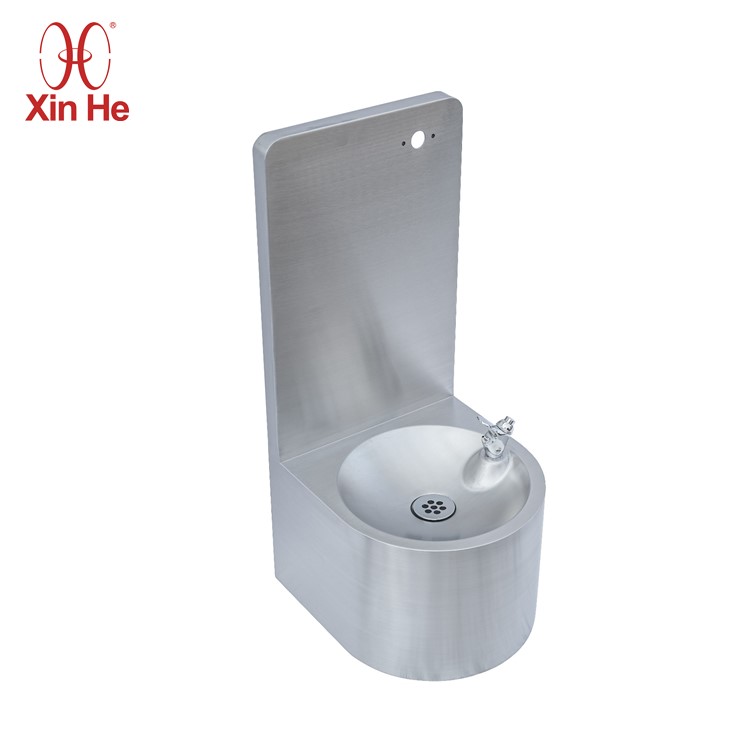
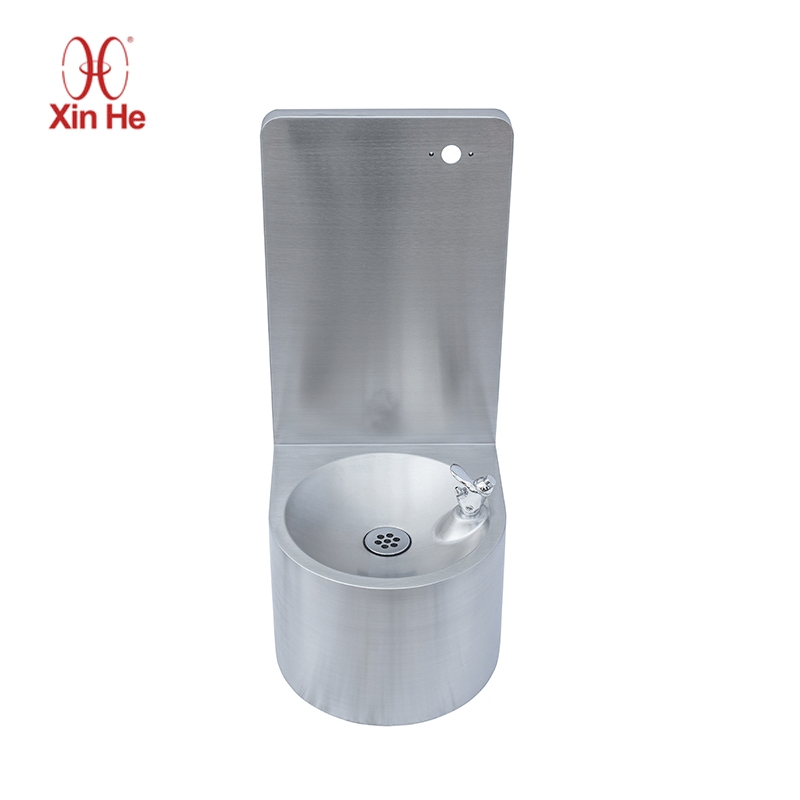
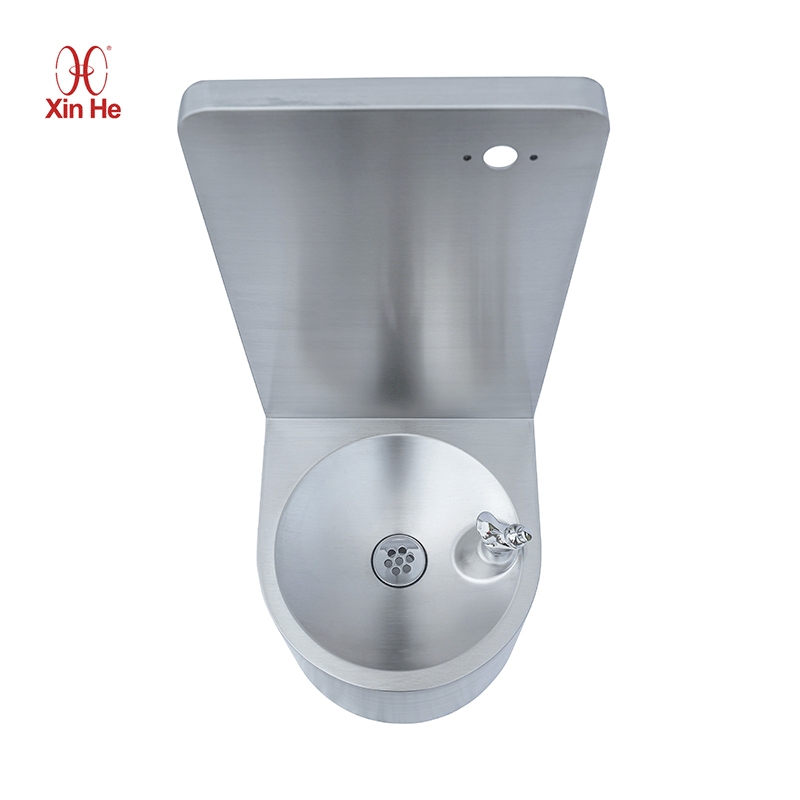
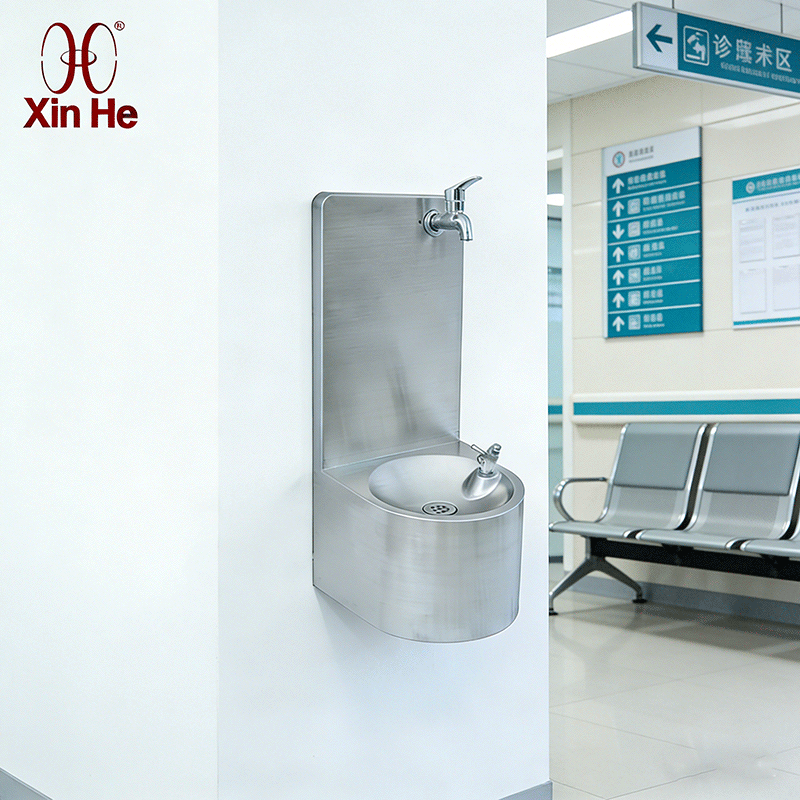
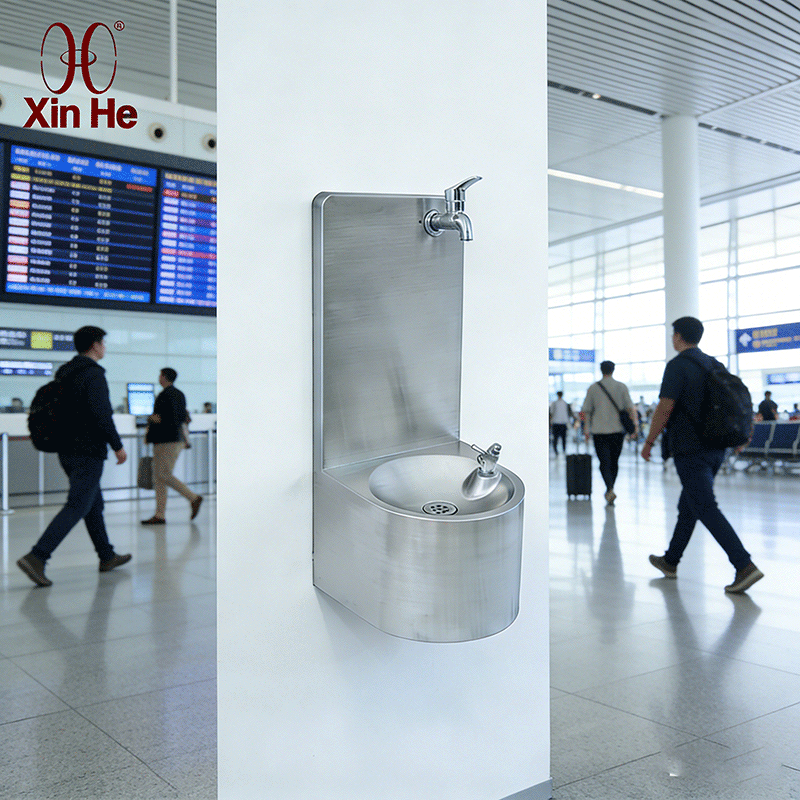
Indoor Stainless Steel Drinking Fountain with Dual Water Supply — Bottled and Tap

Model Number: PF34-333674
-
External Dimensions: 325*360*744mm
-
Material: 304 stainless steel
-
Color: Stainless steel orginal/Black or as required
-
Thickness: 1.35
-
Installation Type: Wall Mounted
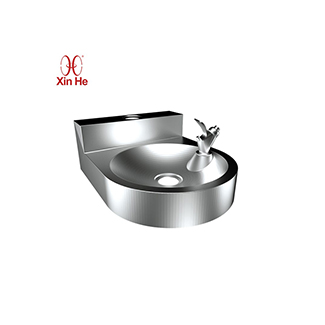
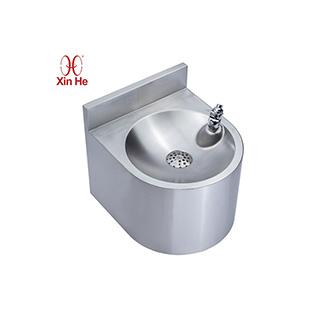
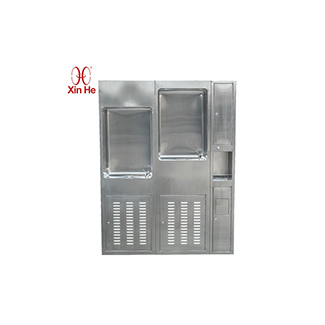
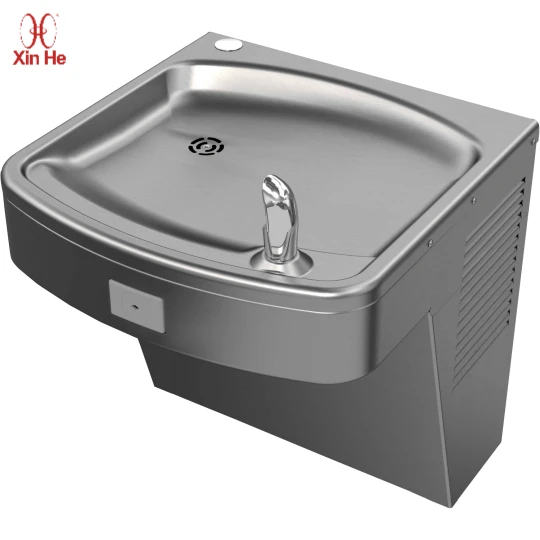
An indoor wall-mounted drinking fountain that draws from two independent water sources: a bottled water supply in the upper section and a direct municipal tap connection at the lower faucet. The PF34-333674 operates without electricity, providing a non-electric hydration solution for hospitals, offices, schools, and transport hubs where water quality redundancy and installation simplicity are priorities.


Durable

Waterproof

Eco-friendly

Fire Retardant

Pet Friendly

Easy-to-install
The dual supply system is the defining engineering feature of this model. The upper section accepts a standard bottled water container, providing filtered-quality water through the upper dispensing point. The lower faucet connects directly to the building’s municipal water line, delivering tap water through a separate outlet. Both supplies operate independently, meaning that if one source is interrupted — a bottle runs empty, or the municipal supply is temporarily shut off — the other remains functional.
Why Dual Supply Matters for Facility Redundancy
In healthcare environments, water quality interruptions can have direct patient-safety implications. A dual-supply fountain ensures that hydration access continues even when one water source is unavailable. The bottled water section provides a known-quality supply that facility managers can control and monitor, while the tap connection provides unlimited volume for high-traffic periods.
Bottled Water Section Specifications
The upper compartment is designed to accommodate standard 5-gallon (18.9-liter) water bottles with a screw-on or press-in dispenser cap. The bottle sits inverted in the housing, and water is delivered through a gravity-fed dispensing tube. No pump or electrical component is involved in the bottled water delivery path.
Non-Electric Mechanical Operation
This fountain operates entirely on mechanical principles — gravity for the bottled section and line pressure for the tap section. There is no electrical connection, no power switch, and no electronic component to fail. This makes the unit suitable for installation in areas where electrical code restrictions apply, such as damp environments, or where facility policy prioritizes low-maintenance, non-electric fixtures.
Energy and Cost Implications
Because the unit draws no power, it contributes nothing to the building’s electrical load and incurs no energy cost over its service life. For green building projects targeting LEED or equivalent certification, a non-electric water fixture can contribute to energy reduction calculations. The absence of a compressor or heating element also eliminates the most common failure points in electric water dispensers.
Indoor Installation Profile and Space Efficiency
The wall-mounted configuration occupies minimal floor space, projecting only 744 mm in height from the mounting point. This compact form factor is suited for installation in corridors, waiting areas, staff break rooms, and alcoves where a freestanding unit would obstruct circulation paths.
Wall Substrate and Mounting Requirements
The unit requires a load-bearing wall or a wall with installed structural backing. The mounting system distributes the weight of the fountain plus a full water bottle across the mounting plate, so the wall substrate must be rated for the combined load. For drywall installations, backing blocking or a carrier system is required.
Hygiene and Surface Design for Clinical Environments
The fountain is fabricated from food-grade 304 stainless steel with a seamless basin design. The absence of seams, joints, and crevices in the bowl area means there are no accumulation points for dirt, biofilm, or mineral deposits. Surfaces can be cleaned with standard clinical disinfectants without damaging the finish.
Non-Porous Surface Benefits
Unlike plastic or composite fountain bodies, stainless steel is non-porous and does not absorb contaminants. In hospital and clinic settings where surface contamination control is a daily protocol, the stainless surface supports the cleaning regimens that environmental services teams already use on other fixtures.
Application Scenarios for Institutional Buyers
Hospital Waiting Areas and Clinical Corridors
Healthcare facility planners specify dual-supply fountains in waiting areas where patients and visitors need reliable access to drinking water. The bottled water section provides a quality-controlled supply that does not depend on building plumbing integrity, while the tap section serves high-volume demand during visiting hours.
Corporate Office Buildings
Office facility managers value the dual-supply configuration because it accommodates employees who prefer bottled water while still providing tap water for those who use refillable containers. The non-electric operation also means the fountain continues to function during power outages, which is a consideration for buildings with continuity-of-operations requirements.
Transport Hubs and Public Buildings
Airport concourses, train station platforms, and municipal building lobbies benefit from the dual-supply design because it provides redundancy in environments where water supply interruptions would create immediate public inconvenience. The wall-mounted form factor keeps floor circulation paths clear in high-footfall areas.
Customization and Project Integration
The unit supports OEM customization including dimension modifications, finish options, and the integration of a filtration system on the tap-water supply path. For projects requiring filtered tap water, a carbon or UF filter can be installed within the housing during production — this must be specified at the design stage because the internal routing must accommodate the filter housing.
MOQ and Production Documentation
The minimum order quantity is 5 units. For project submittals, Xinhe provides dimensioned drawings, material certificates, CE compliance documentation, and NSF/ANSI 61 data for water-contact components. Custom configurations require a drawing approval cycle before production begins.
Why Choose Xinhe Solutions
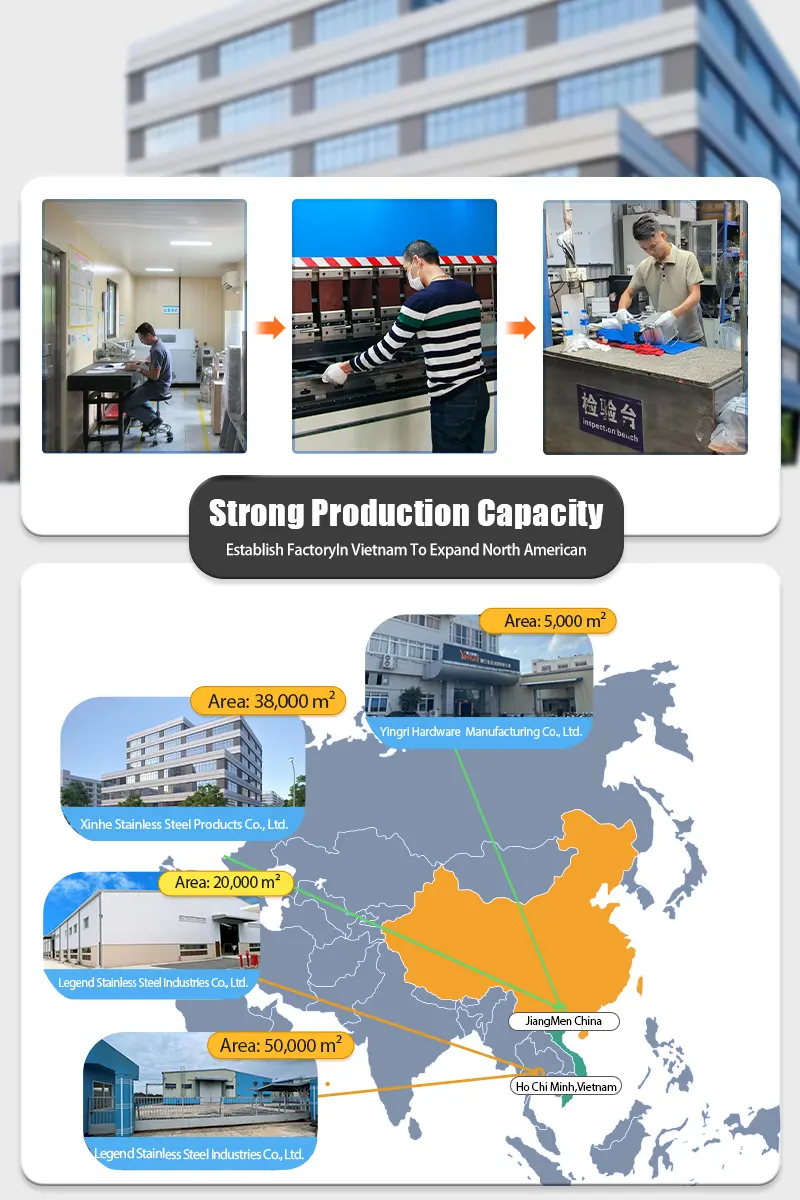
Choosing the right sanitary ware manufacturer is crucial for long-term project success. With 4 production base across China and Vietnam, Xinhe offers more than just products—we provide comprehensive project solutions.
- Customization (OEM/ODM): We can modify dimensions, add filtration systems, or adjust finishes to meet specific tender requirements.
- Proven Reliability: Our fixtures are installed in over 80 countries, trusted by global brands.
- Expert Support: Benefit from 30+ years of export experience with our dedicated technical support team.
| Product Name | Stainless Steel Dual Water Dispenser |
| Model Number | PF34-333674 |
| Brand Name | XINHE |
| Place of Origin | Guangdong, China |
| Application Scenario | indoor, Office, Park, Hospital, School, Playground, Airport, Station |
| Accessories | (Optional)faucet/drainer/drain pipes |
| Warranty Service | 5 years |
| After-sales Service | Online technical support, Return and Replacement, Other |
| Material | 304 stainless steel (201 and 316 stainless steel are also available) |
| Size | As the sample / Customized |
| Color | Stainless steel orginal/Black or as required |
| Surface Treatment | Polished bowl, Brushed outer frame / Satin |
| Installation Type | Wall Mounted |
| Customization | OEM ODM Accecptable |
| Certificates | CE |
| Project Solution Capability | Graphic Design, 3d Model Design, Total Solution For Projects, Cross Categories Consolidation, Others |
| MOQ | 5 pcs |
Yes. The bottled water section and the tap water section are independent supply paths with separate outlets. Both can dispense simultaneously because they do not share a valve or supply line.
2. What happens when the bottled water runs out?
The tap water section continues to operate normally. The bottled water section simply stops dispensing until a replacement bottle is installed. The two systems are fully independent, so one being empty does not affect the other.
3. Can a filtration system be added to the tap water supply?
Yes. A carbon block or ultrafiltration system can be integrated into the tap water path within the fountain housing. This must be specified during the design phase so that the internal plumbing routing accommodates the filter housing and replacement access.
4. Does this fountain require any electrical connection?
No. The unit operates entirely on mechanical principles — gravity for the bottled section and municipal water pressure for the tap section. There is no power cord, no switch, and no electrical component anywhere in the system.
5. What bottle sizes are compatible with the upper section?
The upper compartment is designed for standard 5-gallon (18.9-liter) water bottles with either a screw-on or press-in dispenser cap. This is the most common bottle format used in commercial water dispensing globally.
6. Can the fountain be converted to a single-supply configuration?
Key Features:
Dual Water Source Design: Bottle-fed water + direct tap water
Non-Electric Operation: Safer and lower maintenance cost
Food-Grade Stainless Steel: 304 SS standard, 316 SS optional
Indoor Application Optimized: Clean, professional appearance
Easy to Clean: Seamless basin reduces hygiene risks
Project-Oriented Product: Ideal for public and institutional projects