Stainless Steel Work Tables: Essential Additions for Any Kitchen
Efficiency and organization are vital in any professional kitchen. Stainless steel work tables are essential, offering a durable, hygienic surface that ensures safe and swift food preparation. Their versatility makes them a cornerstone of modern kitchen operations. Most new stainless steel work tables do require some assembly upon delivery; however, the process is typically straightforward and is designed to be completed with basic tools, making it manageable for most users.
The Role of Stainless Steel Work Tables in Modern Kitchens
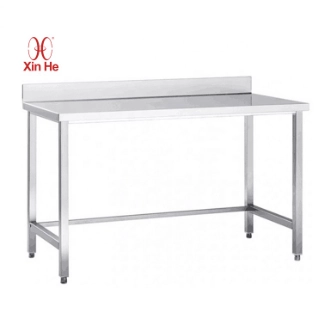
Stainless steel work tables are more than just a surface for chopping and mixing; they are the command center of food preparation. In the fast-paced foodservice industry, these tables optimize kitchen workflows by providing a centralized and reliable area for a variety of tasks. Their design supports efficiency and helps maintain order during busy periods
As a fundamental piece of commercial kitchen equipment, stainless steel kitchen work tables are designed to meet rigorous food safety standards. Their robust construction and hygienic properties make them an essential investment for any business committed to quality and safety in its food service operations.
Why Stainless Steel Is Preferred Over Other Materials
When choosing materials for kitchen equipment, stainless steel consistently comes out on top, and for good reason. Unlike porous materials like wood or plastic, stainless steel offers a superior combination of strength and hygiene. Its resilience makes it the ideal choice for the demanding environment of a commercial kitchen.
The benefits of stainless steel construction are clear when compared to alternatives. It provides a level of durability that other materials simply cannot match, ensuring a long-term, cost-effective solution for your business.
Key advantages include:
- Corrosion Resistance: It stands up to moisture, acidic foods, and cleaning chemicals without rusting.
- Impact Resistance: It can withstand dents, scratches, and heavy use, maintaining its integrity for years.
- Heat Resistance: Hot pots and pans can be placed on the surface without causing damage.
Food Safety and Hygiene Advantages
Maintaining impeccable food safety is non-negotiable in any food preparation environment. Stainless steel surfaces are a critical asset in achieving this goal. The non-porous nature of the material means it doesn’t harbor bacteria, viruses, or odors, which is essential for preventing cross-contamination during food prep.
To keep your table in pristine condition:
- Wipe down the surface with hot, soapy water or a designated sanitizer after each use.
- Avoid using abrasive cleaners or steel wool, which can scratch the surface and compromise its hygienic properties.
Key Benefits of Stainless Steel Work Tables
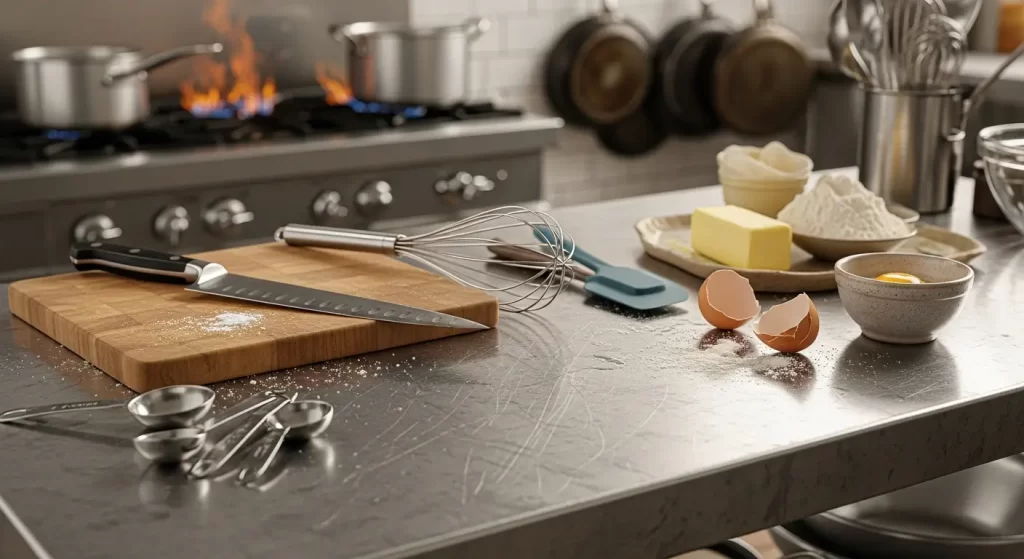
Investing in stainless steel work tables brings a host of advantages that directly impact your kitchen’s efficiency and bottom line. From their strength to their sleek appearance, the benefits of stainless steel are undeniable.
Durability, Strength, and Longevity
In the demanding world of commercial settings, equipment must be built to last. Stainless steel work tables are renowned for their exceptional durability and strength. The robust stainless steel construction is designed to withstand constant, heavy use without warping, bending, or breaking.
Easy Cleaning, Stain Resistance, and Maintenance
One of the most significant advantages of stainless steel surfaces is how simple they are to clean and maintain. Their non-porous quality is key to stain resistance, as liquids and food particles cannot seep into the material.
Customizing the Workflow
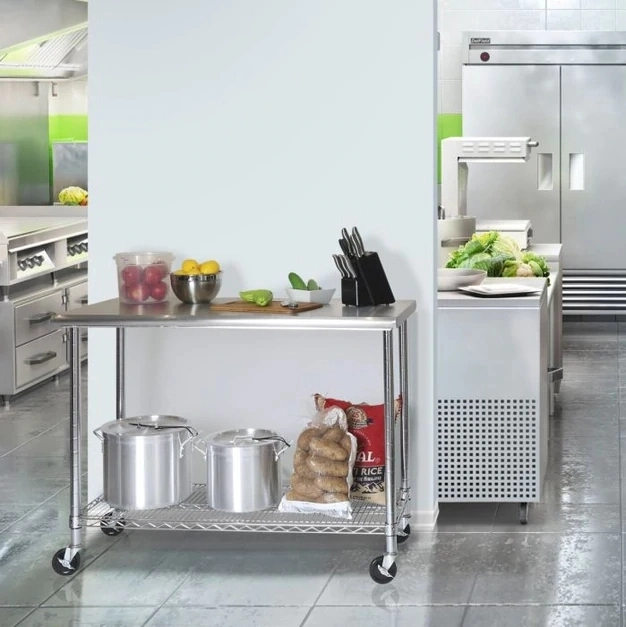
The specific configuration of a table should reflect your staff’s daily routine. A simple flat-top unit offers flexibility, while models with an undershelf keep tools off the floor.
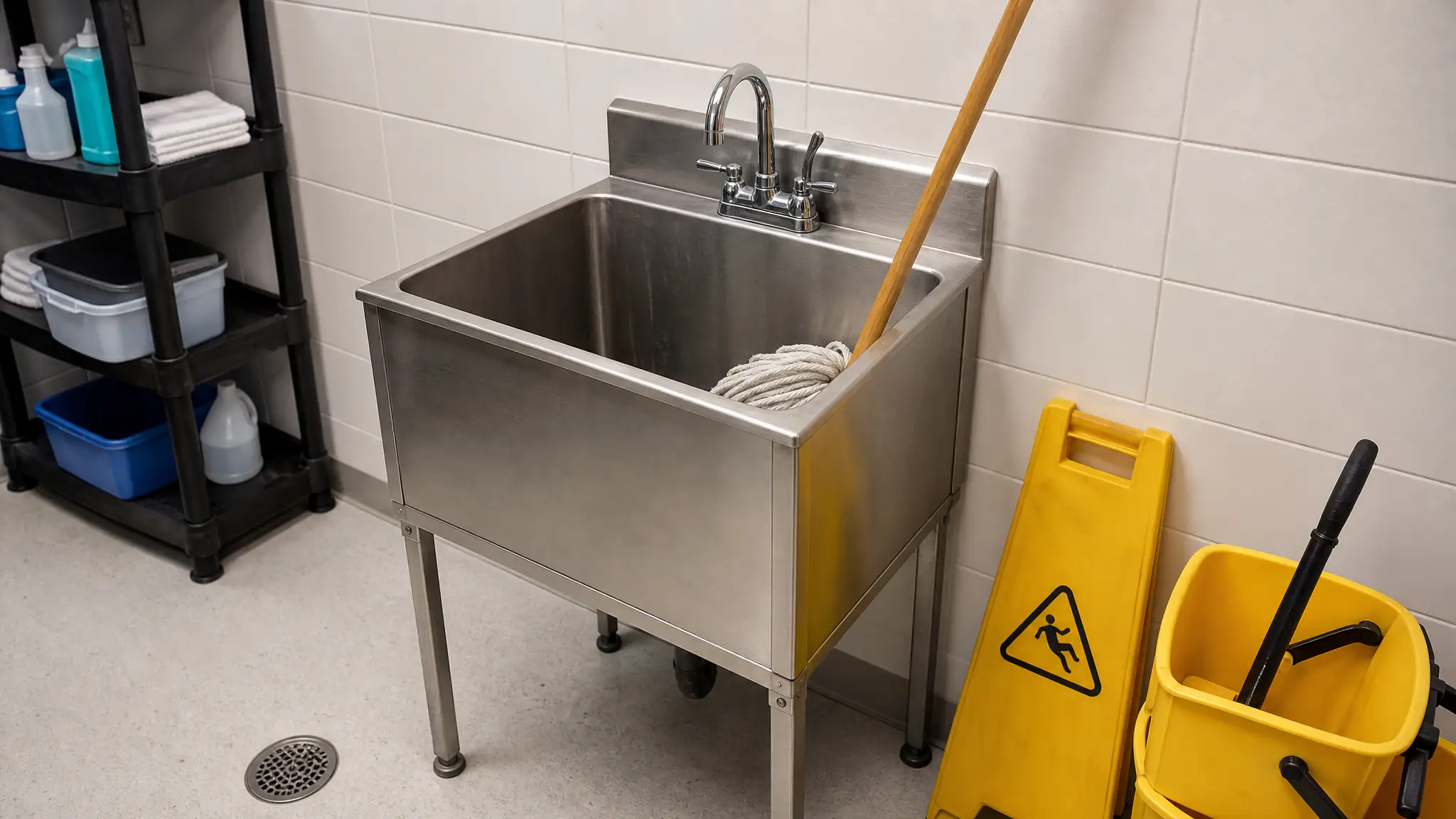
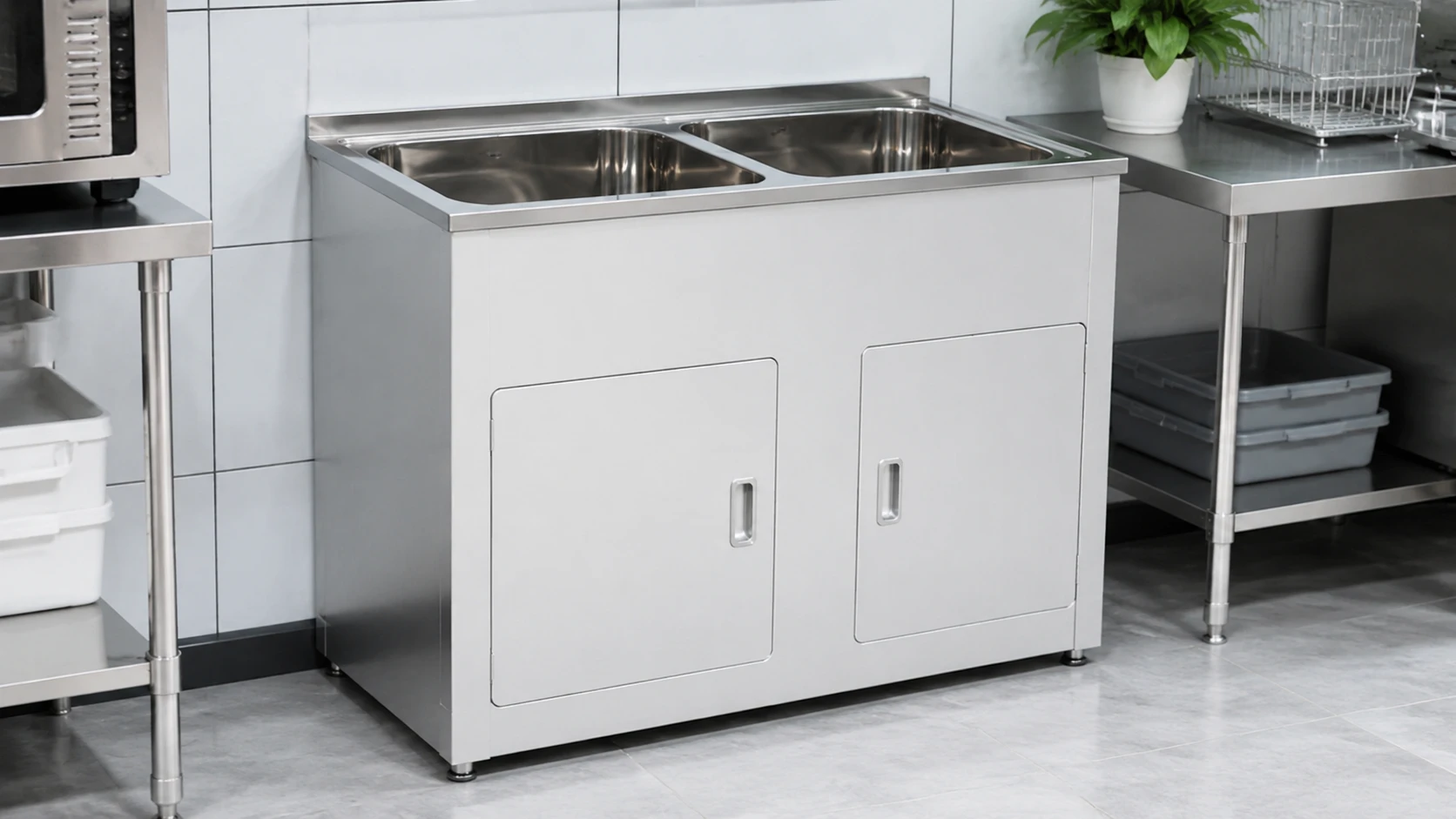
For tighter spaces, we recently helped a boutique restaurant client optimize their layout using a high-quality stainless steel corner work table, which turned a “dead zone” into a fully functional prep station. Some units even feature integrated sinks. While this creates a dedicated rinsing station, you must decide if you need a stainless steel table with a sink based on your plumbing availability.
Finding the Perfect Size
The right size for a workspace depends on the intended use and the available floor space. A four-foot table is generally sufficient for one person, while a six-foot table allows two people to work together comfortably. For home kitchens or workshops, a smaller thirty-inch table can provide extra surface area without blocking walkways.
Essential Features to Consider
| Feature | Description | Recommendation |
|---|---|---|
| Material Grade | Indicates the composition and corrosion resistance. | 304-grade offers the best balance. |
| Gauge | Measures the thickness of the steel (lower is thicker). | 14 or 16-gauge for heavy-duty apps. |
| Weight Capacity | The maximum load the table can safely support. | Varies; confirm for heavy equipment. |
Useful Accessories and Customization Options
- Backsplashes: To prevent spills and splashes from hitting the wall.
- Casters (Wheels): For mobility, allowing you to easily reconfigure layout.
- Integrated Sinks: To create an all-in-one prep station.
Conclusion
Stainless steel work tables are essential for any kitchen, combining durability, hygiene, and versatility. Their sturdy build ensures long-lasting use and easy cleaning, making them ideal for both commercial and home settings. Get quotes today to find the perfect fit for your space.
FAQ
Is 304 stainless steel worth the extra cost?
Yes, especially in commercial settings. The nickel content provides significantly better resistance to corrosion and pitting compared to 430-grade steel.
What is the difference between gauges?
Lower numbers mean thicker metal. A 14-gauge table is thicker and more stable than a 16 or 18-gauge table.
Can I add wheels to my existing work table?
Most standard commercial tables are designed to accept universal 5-inch casters, provided the legs are the standard diameter (usually 1.5 or 1.625 inches).