Wall Hung vs Floor Standing Urinal: Which Fits Public Restrooms
Choosing between a wall hung urinal vs floor standing urinal is rarely just a design decision. In a public restroom, the better option depends on what the building can actually support, how the drainage is arranged, how busy the restroom gets, and how the maintenance team cleans the space every day.
A wall hung unit can make the floor easier to wash and gives the restroom a cleaner, more open look. A floor standing model, though, may be the safer and more practical choice in high-traffic public toilets, renovation projects, or buildings where the wall structure is not strong enough for mounted fixtures. For commercial stainless steel urinal projects, buyers usually need to look at the wall, the pipework, the user volume, and the customization options before placing an order.
Why Installation Type Matters in Public Restrooms
The installation style affects far more than the way the restroom looks. It can change the plumbing plan, installation cost, cleaning routine, and long-term repair workload.
Before deciding on a wall hung urinal vs floor standing urinal, buyers should check the real site conditions. Is the wall reinforced? Is the drainage already in the floor? Will the restroom be used by office staff, students, factory workers, travelers, or outdoor park visitors? These details matter because a public restroom urinal is part of a working system, not just a single fixture on a product list.
A smart choice can reduce future maintenance problems. A poor choice can mean extra wall reinforcement, pipe rerouting, cleaning difficulties, or fixtures that loosen under heavy use.
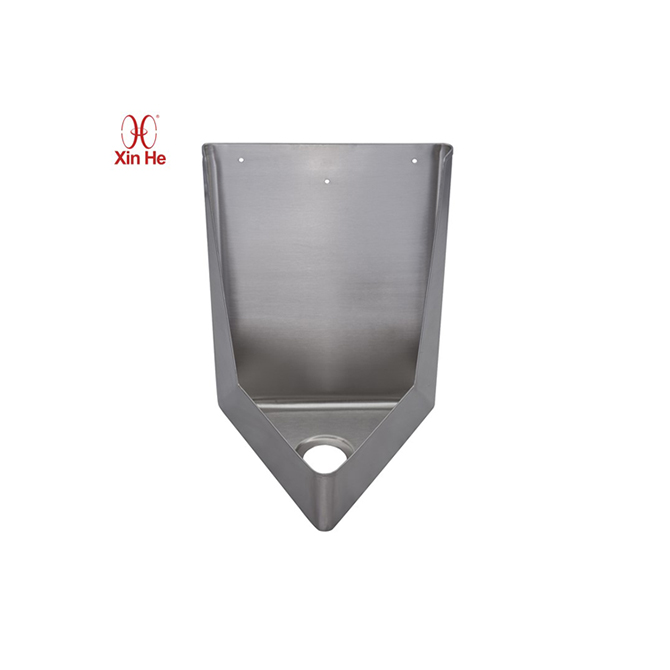
What Is a Wall Hung Urinal
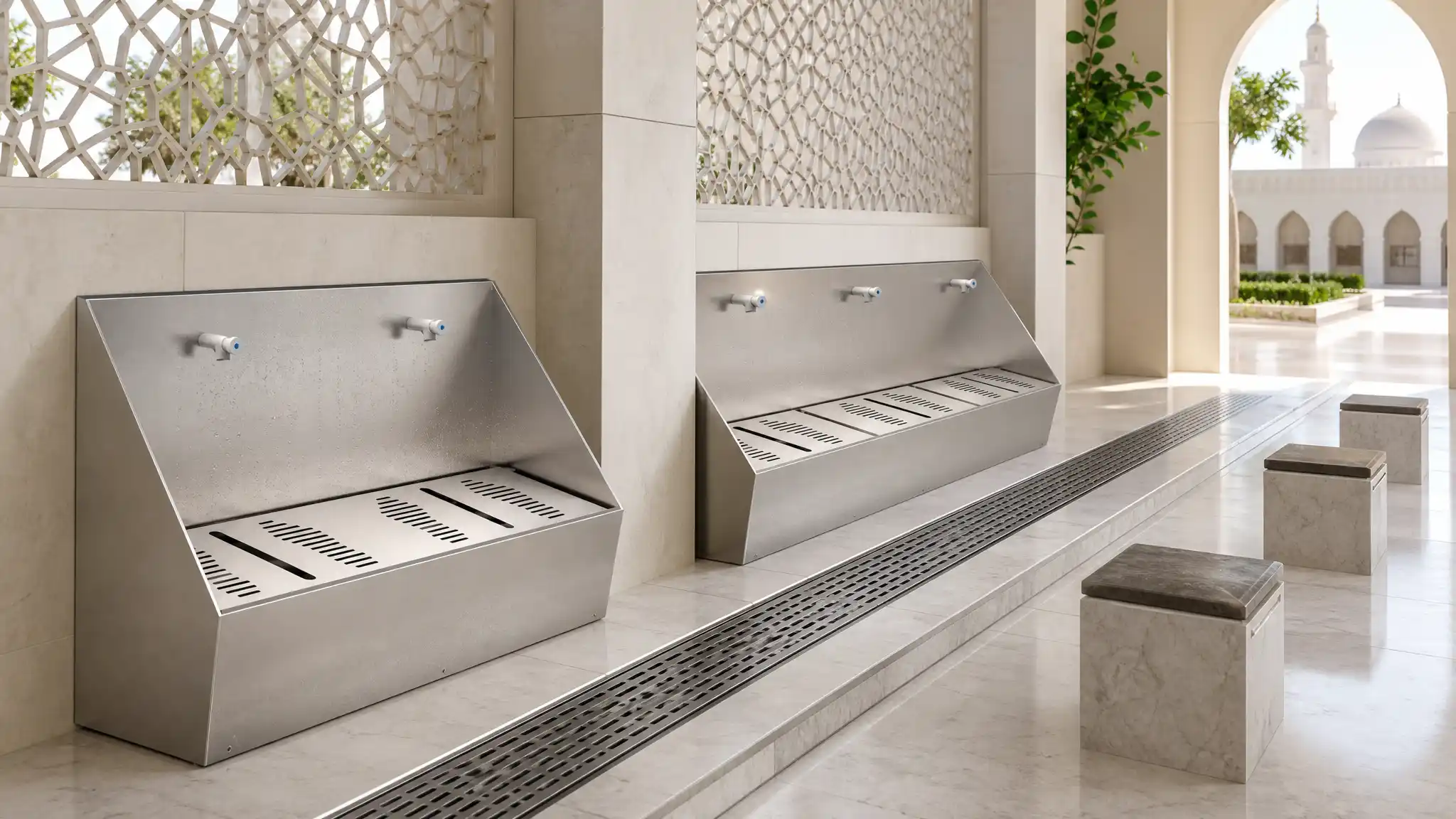
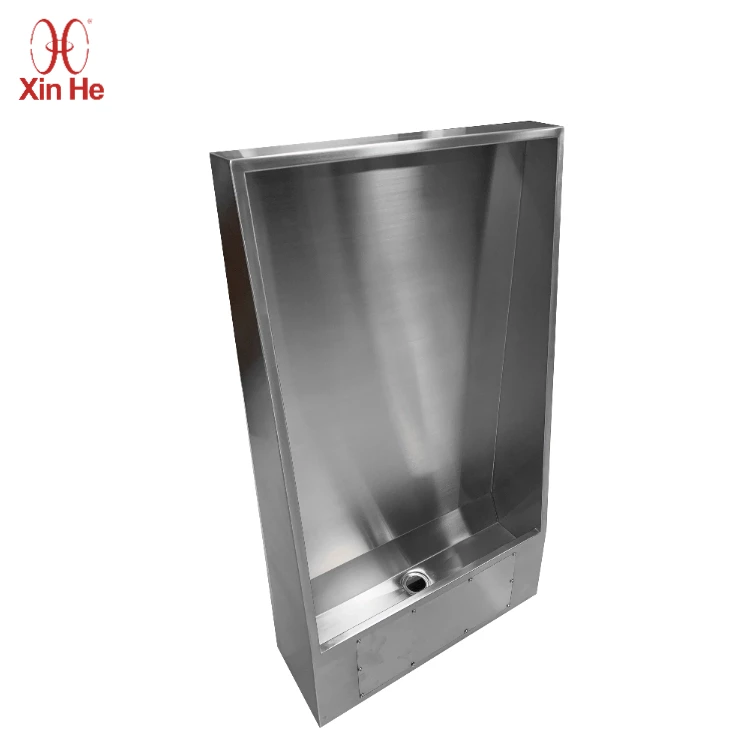
Wall hung urinals are fixed to the wall, leaving the floor underneath open. This is one reason they are common in modern commercial restrooms. Cleaners can mop underneath the fixture without working around a floor base, and the restroom often feels less crowded.
For a durable wall mounted stainless steel urinal for public restrooms, buyers can usually request different dimensions, finishes, flushing methods, and drainage positions. This makes wall-mounted units a good fit for schools, offices, hospitals, transport facilities, and other public projects where hygiene and layout control are both important.
The main condition is simple: the wall must be strong enough. A wall hung stainless steel urinal should be installed on a reinforced or load-bearing wall. If the wall is weak, hollow, or not designed for fixture loads, the installation may become unsafe over time.
What Is a Floor Standing Urinal
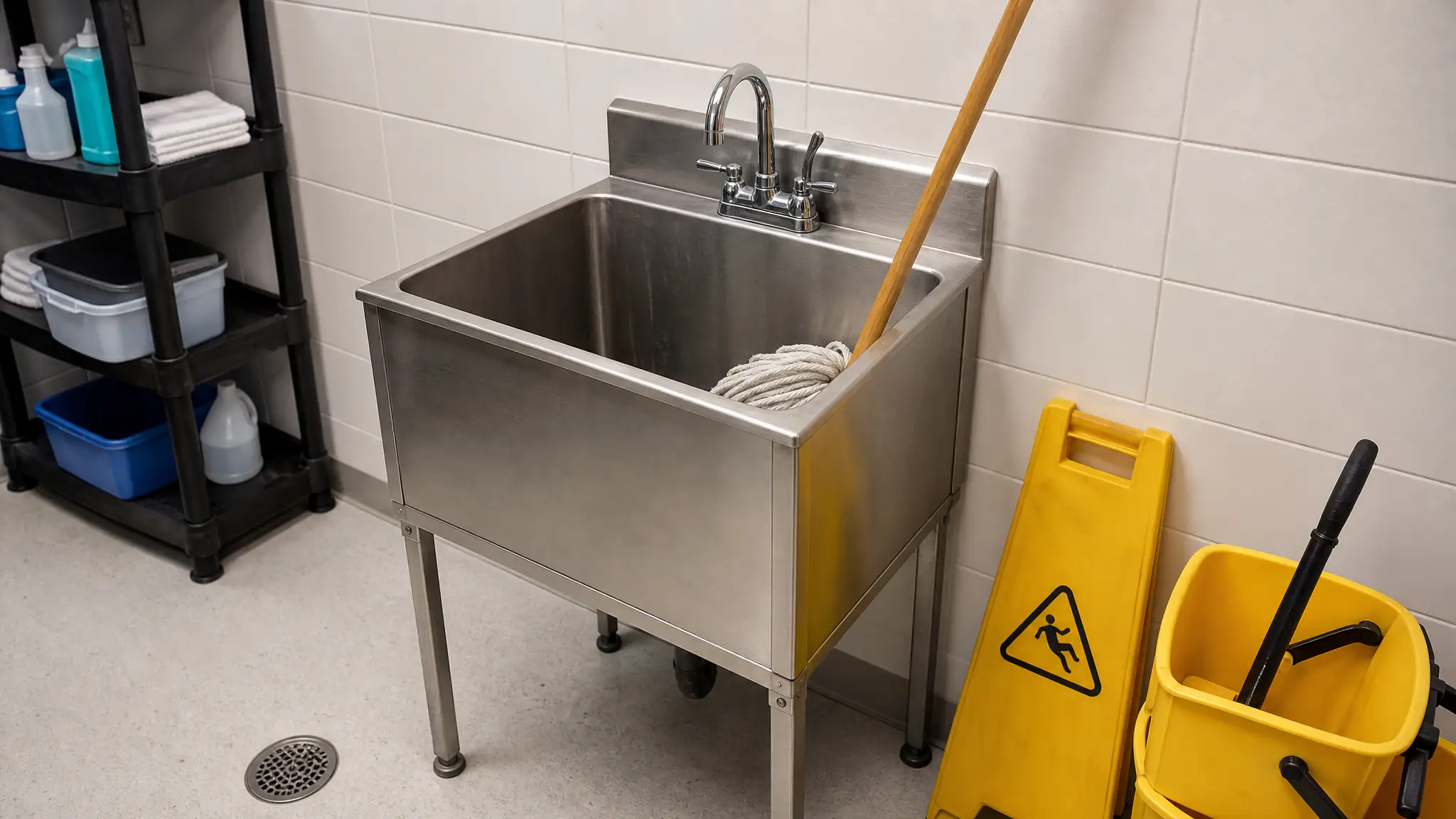
A floor standing urinal is supported from the ground. It does not rely as heavily on the wall for structural support, which makes it useful when the wall condition is uncertain or when the restroom is being renovated around existing floor drainage.
This type is often chosen for public toilets with heavy daily use. Transit hubs, factories, parks, stadiums, and busy school restrooms all put extra stress on fixtures. In those settings, a floor standing urinal for public toilet projects can feel more secure because the base sits directly on the floor.
It is also practical in older buildings. If the drainage pipe is already in the floor, keeping that layout may save time and cost compared with moving the pipe to suit a wall-mounted model.
Wall Hung Vs Floor Standing Urinal: Key Differences
A quick comparison helps show where each option performs better. The best choice depends on the restroom layout, traffic level, wall strength, and drainage plan.
| Factor | Wall hung urinal | Floor standing urinal |
|---|---|---|
| Cleaning | Easier to clean the open floor area below the fixture | The floor contact area needs more attention during cleaning |
| Installation | Needs reinforced wall support and careful mounting | More stable when wall support is limited |
| Space | Gives a lighter, more open look | Takes more visual space but feels solid |
| Maintenance | Easier access around the floor and lower wall area | Can be easier when matching existing floor drainage |
| Best use | Modern commercial restrooms, schools, offices, hospitals | Transit hubs, parks, factories, stadiums, renovation projects |
A wall-mounted urinal is not automatically better. It works well when the building has the right wall structure and the project values fast floor cleaning. A floor standing model makes more sense when stability, impact resistance, or existing floor drainage is the bigger concern.
When to Choose a Wall Hung Stainless Steel Urinal
A wall hung unit is a strong option when the restroom is being built new or when the walls can be reinforced without much trouble. Buyers reviewing a stainless steel urinal collection will usually find wall-mounted models with several configuration choices, especially for modern commercial projects.
Choose a wall hung urinal when:
- The project is a new build, or the wall can be reinforced properly.
- Daily cleaning needs to be fast and the floor should stay easy to access.
- The restroom layout is compact and needs a cleaner, lighter appearance.
- The project is for schools, hospitals, offices, airports, malls, or similar public facilities.
- Custom requirements are needed, such as sensor flushing, special dimensions, or adjusted drainage locations.
For many buyers, the appeal is the cleaning convenience. In restrooms where hygiene checks happen often, having no base on the floor can make routine cleaning faster and more consistent.
When a Floor Standing Urinal Is the Better Choice
A floor-mounted model is usually the safer option when the wall cannot carry the load or when the site already has floor drainage. This is common in renovation work, older public buildings, and outdoor toilet projects.
When sourcing complete sanitary systems, reviewing stainless steel toilet and urinal fixtures can help buyers compare floor-standing urinals with matching toilets, basins, and other public restroom fixtures.
Choose a floor standing urinal when:
- The project is a renovation and the wall structure is weak or uncertain.
- Existing floor drainage is already in place and rerouting pipes would be costly.
- The restroom receives heavy traffic throughout the day.
- The site is an outdoor public toilet, factory, stadium, park, or train station.
- The fixture may face physical impact, rough use, or vandalism risk.
- Long-term stability is more important than a minimal visual footprint.
This is where floor standing models earn their place. They may not look as light as wall hung units, but in demanding public spaces, that extra physical presence can be useful.
Why Stainless Steel Works Well for Public Restroom Urinals
The installation type matters, but material choice also decides how long the fixture will hold up. A stainless steel urinal for public restrooms usually handles impact better than ceramic. It is also less likely to crack, chip, or break in rough-use environments.
Stainless steel is well suited for humid restrooms because it resists corrosion and has a smooth, non-porous surface that is easier to clean. For most indoor commercial toilets, 304 stainless steel is the common choice. For coastal areas, high-humidity locations, chemical exposure, or harsher environments, 316 stainless steel is often the better material.
Another advantage is fabrication flexibility. Stainless steel can be made to suit project drawings, special wall conditions, different flushing systems, and non-standard drainage positions. When a project needs a unified restroom upgrade, matching the urinals with stainless steel toilet solutions for public facilities can keep the whole space more consistent and durable.
Buyer Checklist Before Ordering Urinals
Before contacting a commercial stainless steel urinal supplier, it helps to prepare the site details first. Clear information saves time and reduces the chance of ordering a fixture that does not match the plumbing or wall structure.
Use this checklist before requesting a quote:
- Is the restroom a new build or a renovation?
- Can the wall safely support a wall hung urinal?
- Is the drainage arranged through the wall or the floor?
- What is the expected daily user traffic?
- Will the urinals be installed indoors, outdoors, or in a semi-open area?
- Is the project located in a coastal, humid, or corrosive environment?
- Which flushing method is required: sensor, gravity, manual, or siphon flushing?
- Is 304 stainless steel enough, or does the site require 316 stainless steel?
- Are custom dimensions, special finishes, or OEM/ODM modifications needed?
- Are certifications such as CE, cUPC, WaterMark, or ISO required for the target market?
For global commercial buyers, these details are often requested early by the factory. Buyers from Europe, the Middle East, Southeast Asia, South America, and other regions may also need to confirm local plumbing standards, water-saving requirements, installation height, and certification documents before production.
Which Urinal Type Is Best for Your Project
The right answer depends on the building. If the restroom has reinforced walls, a clean modern layout, and strict cleaning routines, a wall-hung model is usually a smart choice. It keeps the floor open and makes daily sanitation easier.
If the project involves older plumbing, weak walls, outdoor exposure, heavy use, or vandalism concerns, a floor-standing model is often the more dependable option. It gives the installation more physical support and can work better with existing floor drainage.
For commercial stainless steel urinal projects, the safest approach is to review the architectural drawings, drainage plan, wall condition, traffic level, and maintenance routine together. Once those details are clear, the choice between a wall hung urinal vs floor standing urinal becomes much easier.
Compare custom urinal options for your next project
Need sturdy sanitary fixtures for a public restroom upgrade? Xinhe supports wall-mounted, floor-standing, and customized stainless steel urinal projects for schools, airports, stadiums, hospitals, factories, parks, and commercial buildings. Send the restroom layout, size requirements, material preference, drainage plan, and target market certifications to get a project-based recommendation.
FAQ
Are wall hung urinals better for public restrooms?
Wall hung urinals are a good choice for public restrooms that need easy floor cleaning and a compact layout. They work best when the wall is reinforced and the plumbing has been planned for wall-mounted installation. If the wall is not strong enough, a floor standing urinal may be the safer option.
When should a floor standing urinal be used?
A floor standing urinal is usually better for renovation projects, outdoor public toilets, and high-use areas where the wall cannot safely hold a mounted fixture. It is also practical when the existing drainage pipe is already in the floor.
Is stainless steel a good material for commercial urinals?
Yes. Stainless steel is durable, corrosion-resistant, and better suited to impact-prone public areas than many traditional materials. 304 stainless steel is widely used for indoor public restrooms, while 316 stainless steel is preferred for coastal or more corrosive environments.
Can stainless steel urinals be customized for public restroom projects?
Yes. Buyers can usually specify dimensions, installation type, finish, flushing method, and drainage position. A custom stainless steel urinal manufacturer will normally ask for layout drawings, installation conditions, and certification requirements before confirming production details.