Essential Guide to Choosing a Commercial Mop Sink
Key Highlights
- A commercial mop sink is a specialized janitor basin designed for filling buckets and safely disposing of dirty water, which is crucial for hygiene.
- Selecting the right material, like durable stainless steel, ensures longevity and resistance to harsh cleaning chemicals.
- Consider the installation type; a floor mop sink is sturdy, while a wall-mounted model saves space.
- Proper drainage is essential to prevent clogs and maintain a sanitary environment for handling dirty mops.
- Meeting local health codes with a dedicated commercial mop sink is non-negotiable for passing inspections.
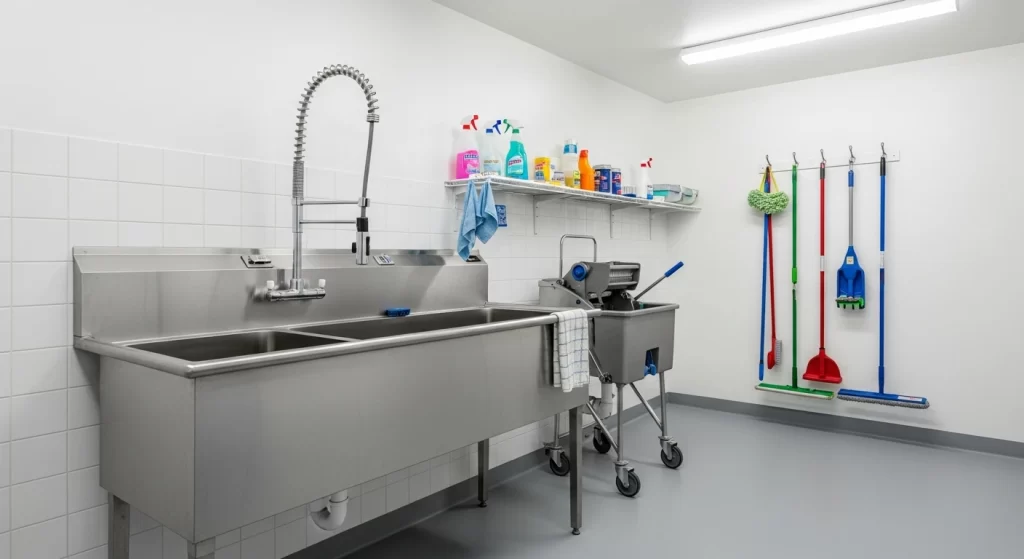
Selecting the right equipment is essential for maintaining cleanliness and efficiency. A commercial mop sink, though not glamorous, is crucial for any professional cleaning operation, especially in commercial kitchens. It provides a dedicated space for janitorial tasks, keeping dirty water separate from food prep areas. At Xinhe, we have helped numerous facility managers optimize their floor plans by integrating high-performance commercial stainless steel sink solutions that withstand the most demanding environments.
Understanding Commercial Mop Sinks for Professional Facilities
A commercial mop sink, sometimes called a janitor wash basin, is a purpose-built fixture designed to handle the rigorous demands of janitorial work. Its primary function is to provide a safe and convenient place to fill mop buckets and dispose of dirty mop water without contaminating other areas. This separation is vital for maintaining hygiene standards.
Understanding the role of this essential fixture helps you appreciate its importance beyond simple convenience. If you are unsure if this is the right fit for your facility, it helps to understand what is a mop sink in terms of specific service uses and features.
Key Functions and Purposes in Janitorial Operations
The janitor mop sink is the unsung hero of any cleaning crew, simplifying daily cleaning chores and enhancing overall sanitation. In busy commercial buildings, its role is indispensable for creating a streamlined and hygienic workflow. It acts as a central hub for all mopping-related activities.
This dedicated fixture serves several critical purposes:
- Safe Water Disposal: It provides a designated place to pour out dirty water, preventing cross-contamination with food prep or handwashing sinks.
- Easy Bucket Filling: The low height and deep basin are designed to accommodate large mop buckets, making them easy to fill without heavy lifting or splashing.
- Equipment Rinsing: It offers a convenient spot to rinse dirty mops and other cleaning tools, keeping them ready for the next use.

How Commercial Mop Sinks Differ from Utility Sinks
While often confused, commercial mop sinks and utility (service) sinks serve different purposes. Mop sinks are deep, floor-mounted basins designed for janitorial use, making it easy to handle dirty water and heavy mop buckets.
Utility sinks are more general-purpose and typically not as deep. They’re used for tasks like washing equipment—not for cleaning mops or disposing of dirty floor water. Using a designated mop sink contains the mess from the dirtiest cleaning jobs, prevents germ spread, protects plumbing from debris, and meets health code requirements.
Main Types of Commercial Mop Sinks
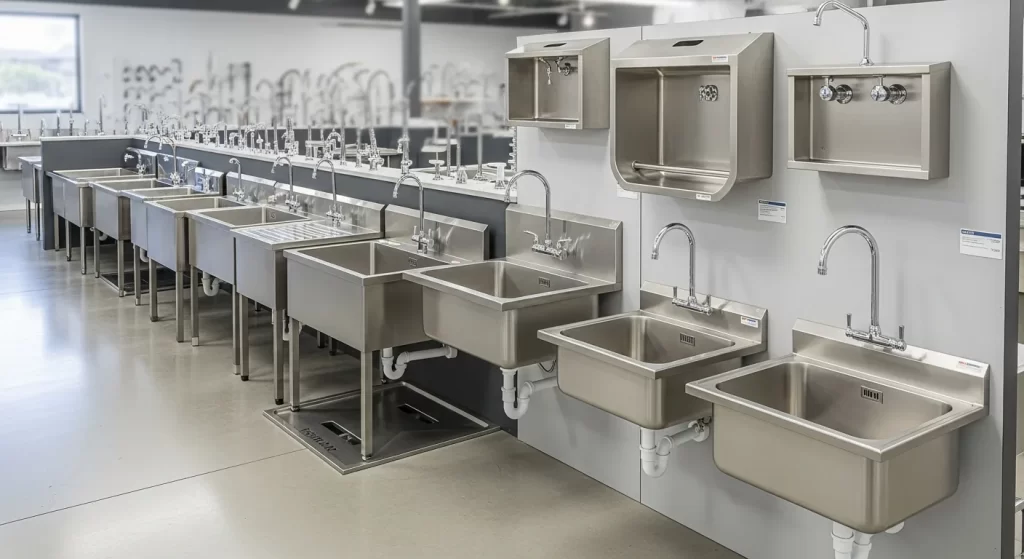
When selecting a commercial mop sink, you’ll encounter a few primary types. Your choice will depend on your available space, budget, and the daily demands of your facility.
Floor-Mounted vs Wall-Mounted Models
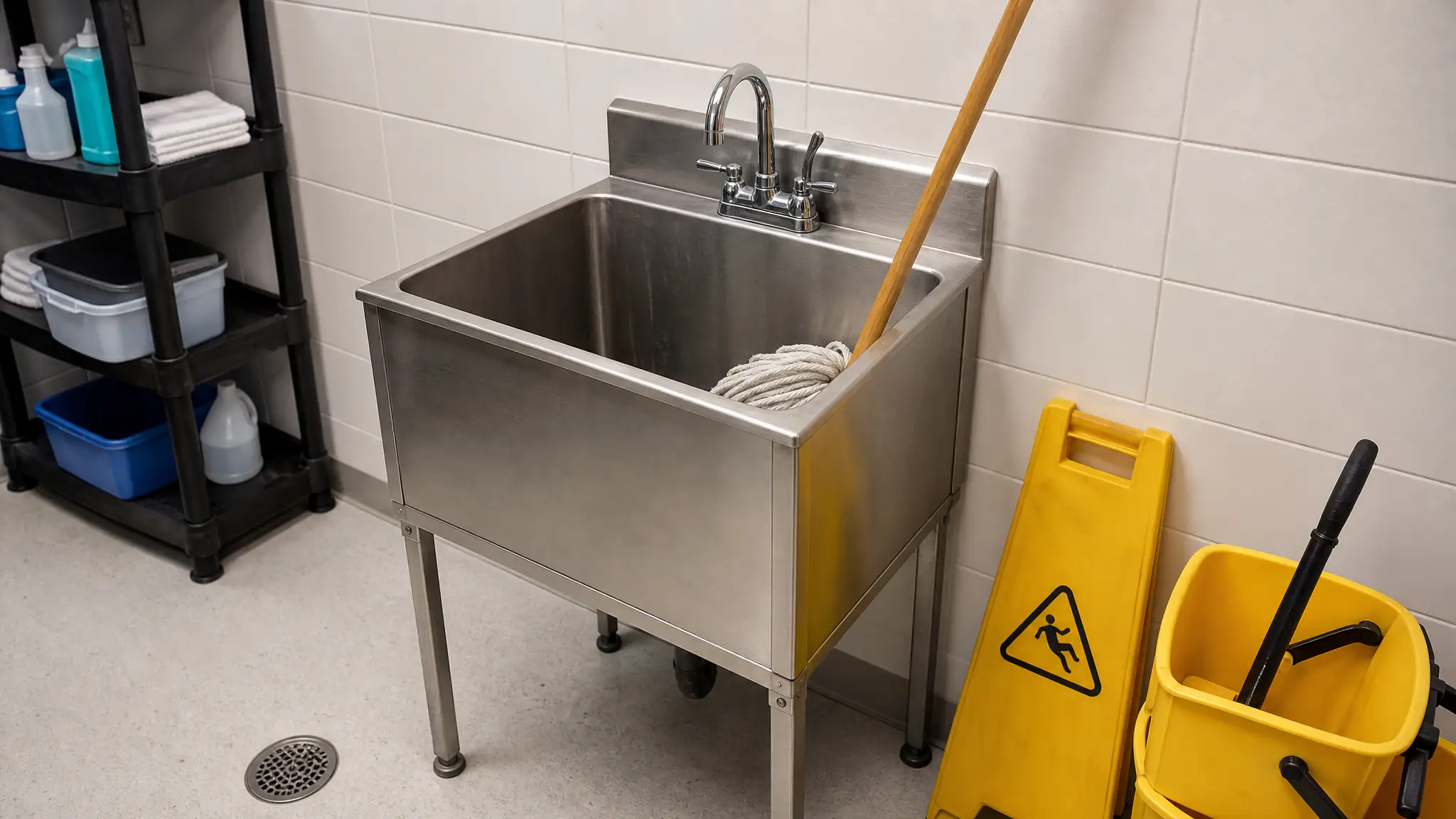
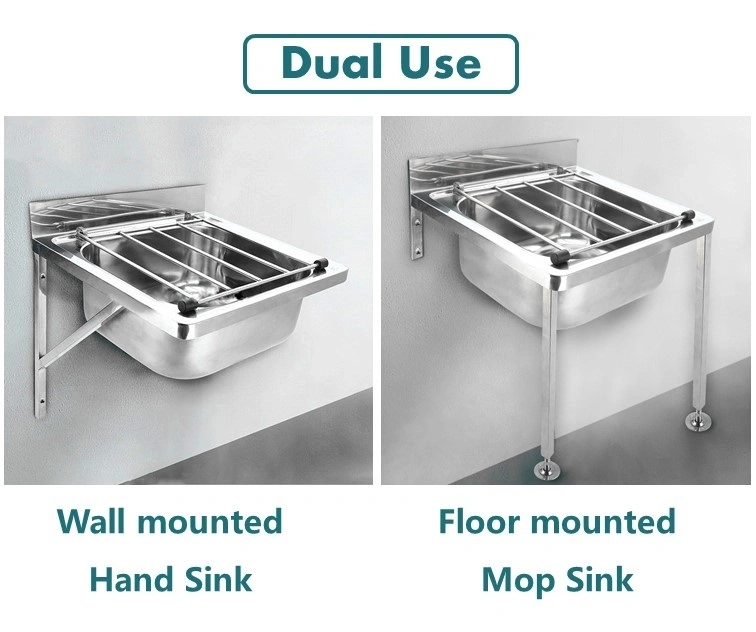
Your first major decision is whether to choose a commercial floor mop sink or a wall-mounted mop sink. Floor-mounted sinks rest directly on the ground, offering excellent stability. This makes them ideal for handling very heavy buckets of water, as there is no strain on wall fixtures. They are the traditional workhorse for high-traffic environments.
On the other hand, a wall-mounted mop sink is a great space-saver. By elevating the basin, it frees up floor space and makes it much easier to clean the area underneath, which is a significant plus for sanitation. However, it requires secure anchoring to the wall to support the weight of the sink and its contents.
When deciding, consider your kitchen’s layout and workflow. It is also crucial to get the proper mop sink dimensions to ensure a perfect fit.
| Feature | Floor-Mounted Mop Sink | Wall-Mounted Mop Sink |
|---|---|---|
| Stability | Excellent; rests directly on the floor | Good, but depends on secure wall anchoring |
| Space Usage | Takes up floor space | Saves floor space |
| Best For | High-volume facilities | Smaller kitchens or tight spaces |
Key Features of Stainless Steel Versus Composite Sinks
The material of your mop sink is critical for its durability and ease of maintenance. A commercial stainless steel mop sink is the industry standard for good reason. It is incredibly resilient, resistant to corrosion, and can withstand the daily abuse of a busy commercial environment, including exposure to harsh chemicals.
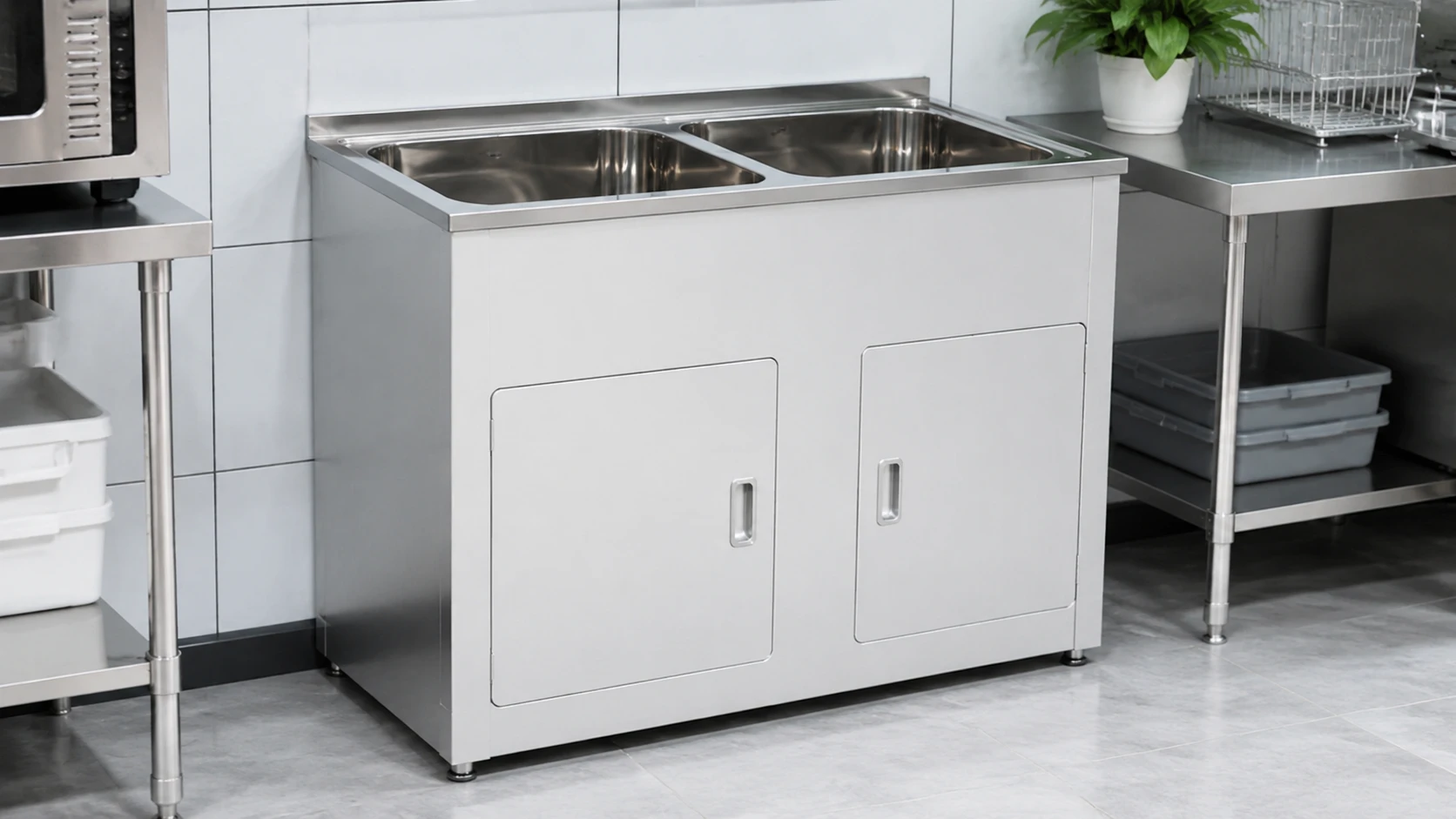
While composite sinks made from materials like fiberglass or terrazzo are available and can be a more budget-friendly option, they may not offer the same level of longevity. Composites can be prone to chipping or staining over time, especially with heavy use. For most professional settings, a stainless steel utility sink provides the best long-term value.
Key advantages of stainless steel include:
- Durability: It resists dents, scratches, and rust, ensuring a long service life.
- Sanitation: The non-porous surface makes for easy cleaning and prevents bacteria from harboring.
- Chemical Resistance: It stands up well against the aggressive cleaning agents commonly used in commercial settings.
Essential Criteria for Selecting a Commercial Mop Sink
Choosing the right commercial mop sink involves more than just picking a model that fits your budget. You need to assess several key criteria to ensure the sink meets the specific needs of your establishment. This includes evaluating its material, size, and capacity.
Assessing Durability, Material, and Gauge for Longevity
For a long-lasting mop sink, durability is paramount. These industrial sinks must be heavy duty enough to withstand the rigors of daily use. Stainless steel is the preferred material for most commercial applications due to its exceptional strength and resistance to rust and corrosion. It ensures your investment will endure for years.
When evaluating stainless steel sinks, pay attention to the gauge number. This number indicates the thickness of the steel; a lower gauge number means thicker, stronger steel. For a busy commercial environment, 16-gauge stainless steel offers an excellent balance of durability and value, making it a reliable choice.
To ensure you select a truly durable sink, look for these features:
- Material: Opt for type 304 stainless steel for general use or type 316 for environments with very harsh chemicals.
- Gauge: Choose 16-gauge or lower for optimal strength and dent resistance.
- Construction: Welded, seamless corners add strength and make the sink easier to clean.
Determining Size, Depth, and Capacity for High-Traffic Applications
The size and capacity of your mop sink are vital, especially in high-traffic areas. Measure your space carefully before buying, as commercial mop sinks can be bulky. Consider workflow and accessibility, not just whether it fits.
A deep basin is important for easy bucket filling and to prevent splashes and overflows. Shallow sinks slow down cleaning and reduce efficiency.
For busy operations, invest in a larger, deeper basin. It can handle more water and waste, helping your team clean efficiently and maintain a tidy environment, even during peak times.
Compliance and Recommended Accessories
Beyond selecting the right model, ensuring your mop sink is compliant with local health codes is critical. Janitor sinks are often mandated in a commercial kitchen and other facilities, and there are specific rules governing their installation and use. Familiarizing yourself with these requirements can save you from costly fines and rework.
Industry Codes and Local Plumbing Requirements
Most local health departments mandate a dedicated mop sink to prevent cross-contamination. Choosing an NSF-certified sink provides assurance that the equipment meets strict public health standards.
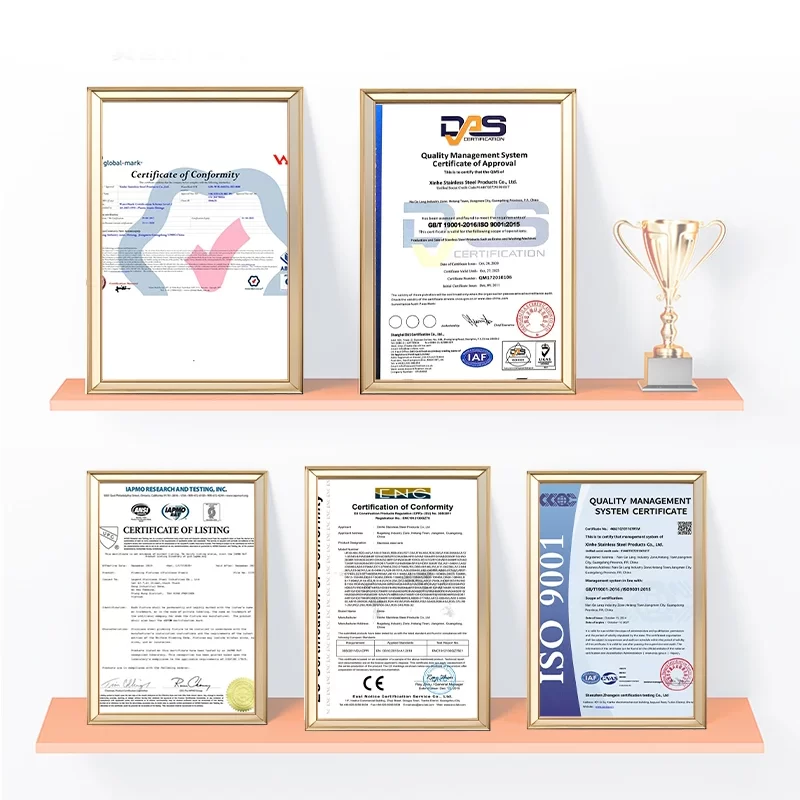
At Xinhe, our products are built to meet international standards. For example, our Watermark certified laundry and service sinks are rigorously tested to ensure they pass the strictest inspections.
Must-Have Accessories for Optimal Operation
To maximize your commercial mop sink, a few key accessories can boost both efficiency and durability. These additions simplify cleaning and protect your plumbing, transforming a basic basin into an efficient workstation.
Must-have accessories for your commercial mop sink:
- Drain Strainer: Prevents debris from clogging drains.
- Service Faucet: Durable faucet with hose and bucket hook for easy filling.
- Splash Guards: High sides and back to protect walls and floors from water.
Conclusion
Choosing the right commercial mop sink is essential for efficient and compliant janitorial operations. Whether you opt for stainless steel or composite, ensure it meets the structural demands of your business.
Ready to upgrade your cleaning station? Contact us for tailored quotes—your ideal solution awaits!
Frequently Asked Questions
Is a service sink the same as a mop sink?
Although often used interchangeably, a mop sink is a low-profile, deep service sink for janitorial tasks. General commercial utility sinks may differ in design. It’s important to have a separate mopping area away from food-related sinks.
Can you have a mop sink in a commercial kitchen?
Yes, in most cases, health codes require it. A commercial kitchen mop sink is essential for public health, keeping dirty water and cleaning chemicals separate from food areas to prevent cross-contamination.
Are there any code or plumbing requirements for commercial mop sinks?
Yes. Local health codes require mop sinks and specify installation details like drainage and faucet types. Health inspectors check for compliance. Using an NSF-approved mop sink helps ensure you meet these standards, which are essential in any commercial kitchen.
Can commercial mop sinks be customized for specific project requirements?
Many manufacturers offer customized commercial mop sinks to suit your needs. You can request custom basin dimensions, faucet configurations, or specialized splash guards for unique spaces. Contact a solutions partner like Xinhe to explore these options.
What accessories are recommended for commercial mop sinks?
The most recommended accessories for a janitor basin are a heavy-duty drain strainer to prevent clogs and a service faucet with a hook for mop buckets. Adding splash guards is also a best practice for a commercial floor mop sink to protect walls and maintain a tidy cleaning station.