Home > Blog > Drinking Fountains >
Drinking Fountain with Bottle Filler: When Is It Worth Adding
A drinking fountain with bottle filler is worth adding when your facility experiences high foot traffic, has clear sustainability goals, or requires a more hygienic way to provide hydration. For schools, offices, parks, and public buildings, upgrading to a water bottle filling station can significantly reduce single-use plastic waste and improve the user experience.
However, a full upgrade isn’t always necessary for every site. The right decision depends on your specific traffic volume, installation conditions, and maintenance capacity. As a professional buyer or project manager, understanding these variables is key to securing the best return on your facility investment.
What Is a Drinking Fountain with Bottle Filler
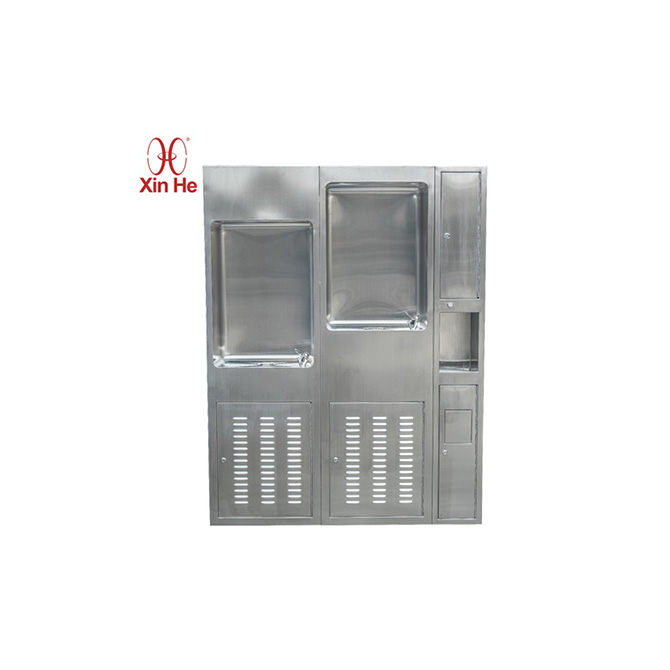
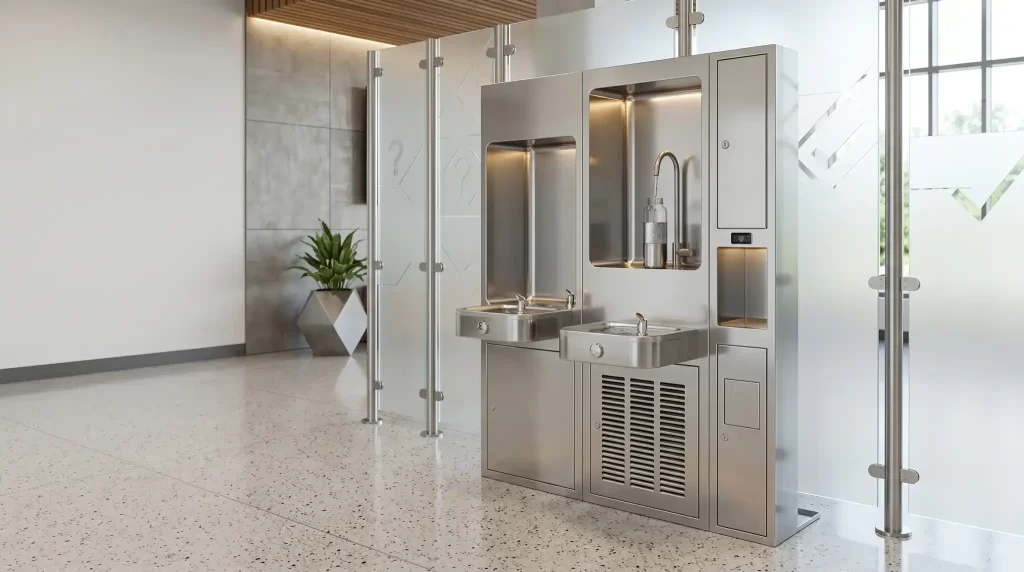
At its core, this unit is a hybrid hydration solution that combines a traditional bubbler for direct drinking with a dedicated high-flow spout designed for refilling reusable containers. Unlike standalone fountains, a bottle filler fountain addresses the modern user’s preference for carrying their own water bottles.
These units are typically constructed from heavy-duty materials to withstand public use. For example, a stainless steel bottle filler fountain offers the durability needed for high-traffic environments while maintaining a sleek, professional appearance. If you need a basic explanation of the refill mechanism, sensor options, and water flow design, you can also read our guide on how a water bottle filler station works. The real question for procurement officers isn’t just what they are, but when the extra functionality justifies the initial cost.
When Is It Worth Adding a Bottle Filler
Deciding to integrate a filling station into your facility plan usually comes down to utility and user demand. Here are the primary scenarios where the upgrade is highly recommended:
1. High-Traffic Public Facilities
In locations like airports, transit hubs, and large shopping malls, standard fountains often lead to congestion. A commercial drinking fountain with bottle filler allows users to fill a 16oz bottle in seconds, which is much faster than drinking from a bubbler. This efficiency reduces queues and keeps floor traffic moving smoothly.
2. Schools and Educational Campuses
Modern educational environments are moving away from disposable plastics. A wall-mounted indoor drinking fountain with bottle filler is an ideal upgrade for school corridors, office pantries, and public building interiors. It encourages students to stay hydrated throughout the day without the mess of traditional fountains or the cost of vending machine water.
3. Corporate Office Environments
Offices are increasingly focused on employee wellness and ESG (Environmental, Social, and Governance) targets. By installing a bottle filling station for offices, companies can eliminate the need for bulky bottled water deliveries and the storage space they require. It’s a one-time infrastructure investment that pays off in reduced recurring costs.
4. Parks and Outdoor Recreation Areas
Outdoor projects require specialized equipment. When a project involves parks or trailheads, an outdoor drinking fountain with bottle filler adds immense value. It can serve pedestrians, cyclists with reusable bottles, and pet owners when a pet bowl is included, making the installation a versatile community asset.
When Is It Not Worth the Upgrade
While highly beneficial, a bottle filler may be an unnecessary expense in certain contexts. It might not be worth adding if:
- The area has very low traffic: In a remote utility room or a small office with only two employees, a standard bubbler is sufficient.
- No stable drainage exists: High-flow bottle fillers require robust drainage to prevent pooling and water damage.
- The project is temporary: For short-term construction sites, a basic standard stainless steel wall-mounted drinking fountain is more cost-effective.
Key Factors to Check Before Buying
Before placing a bulk order, buyers should evaluate the following technical specifications to ensure the product matches the environment. For high-traffic schools, offices, and public facilities, hygiene and maintenance planning are also important, so buyers may want to review the hygiene and maintenance of bottle filler stations before finalizing the specification.
| Factor | What Buyers Should Check | Why It Matters |
|---|---|---|
| Installation Site | Indoor, outdoor, or wall-mounted | Determines the required finish and structural reinforcement. |
| Material Grade | 304 or 316 Stainless Steel | 316 SS is essential for coastal or high-corrosion areas. |
| Operation Type | Push button, sensor, or foot pedal | Impacts hygiene levels and accessibility (ADA compliance). |
| Water Temp | Chilled or non-chilled | Chilled units require electrical access and more maintenance. |
| User Demands | Bubbler only or combined unit | Determines if you need a touchless drinking fountain setup or a manual push-button model. |
Cost Factors: What Affects the Price
The price of a drinking fountain with bottle filler is influenced by more than just the brand name. For B2B buyers, the total cost of ownership is driven by:
- Material Quality: 316 stainless steel carries a premium over 304 but is necessary for longevity in harsh climates.
- Configuration: Units with integrated cooling systems (chillers) or multi-station designs (bubbler + filler + pet bowl) increase the price.
- Operation Technology: Hands-free sensor-activated fillers are generally more expensive than manual push-button models but offer superior hygiene.
- Customization: Bulk orders requiring OEM logos or specific dimensions will vary in cost based on manufacturing complexity.
To get an accurate request for a project quotation, it is best to provide your supplier with the total unit count and destination country to account for logistics and bulk discounts.
Why Choose Stainless Steel
For commercial and public facilities, stainless steel remains the gold standard. It is impact-resistant, easy to sanitize, and maintains its structural integrity over decades. Xinhe, a specialist in high-grade stainless steel fabrication, understands that “commercial grade” means more than just a look—it means surviving the rigors of public use.
Whether you are looking for a foot pedal stainless steel drinking fountain to minimize touchpoints or a heavy-duty outdoor station, choosing a manufacturer-direct partner ensures you get the right material grade for your specific climate. Xinhe provides tailored solutions that balance aesthetic appeal with the rugged durability required for schools and municipal parks.
Final Decision Checklist for Procurement
If you are still undecided, use this quick checklist. It is worth adding a bottle filler if you can answer “Yes” to at least three of the following:
- Is the daily user count over 50 people per unit?
- Do users frequently carry reusable gym or travel bottles?
- Is the facility aiming for “Green” or “Sustainable” certification?
- Is this a long-term installation (5+ years)?
- Is hygiene a top priority for the project stakeholders?
For those managing large-scale developments, when you are ready to move forward, ensure you have your project type, required quantity, and material preferences ready to streamline the quoting process.
Get a Professional Quote
If you are sourcing for a commercial project or a public facility upgrade, Xinhe can help you get a project-based quote and find the ideal hydration solution for your next development.