How to Source Durable Jail Cell Toilet for Projects
When outfitting a correctional facility, every fixture choice carries immense weight, especially toilets. The fixtures in a prison cell must balance hygiene, safety, and long-term durability. For project managers and procurement officers, selecting the right jail cell toilet is a critical decision. This guide explores the essential features, from stainless steel construction to the benefits of a prison toilet sink combo, to help you make an informed choice for your facility’s unique needs.
Key Highlights
- Prioritize stainless steel construction for its superior durability and resistance to damage in a detention facility.
- Choose tamper-resistant and anti-contraband designs to maximize inmate safety and simplify security checks.
- Consider integrated prison toilet and sink combos for space efficiency in a modern prison cell.
- Select fixtures with seamless welding to prevent hiding contraband and ensure hygiene in a correctional facility.
- Vet suppliers based on manufacturing quality, certifications, and comprehensive warranties.
Recognizing Key Requirements for Jail Cell Toilet
Selecting prison toilets goes beyond basic plumbing. These fixtures are integral to security and safety within a prison cell. Your primary focus should be on materials and designs that prevent tampering, withstand intentional damage, and eliminate opportunities for hiding contraband. These units must be indestructible to ensure the safety of both inmates and staff.
In our experience at Xinhe, we have helped various high-security institutions transition from fragile materials to robust solutions. For instance, the Commercial 304 Stainless Steel Toilet for Gym, Spa, and Prison Use is specifically engineered with heavy-gauge plates that resist up to 2,000 lbs of impact force, a feature we verified through rigorous stress-test evidence in our manufacturing facility.
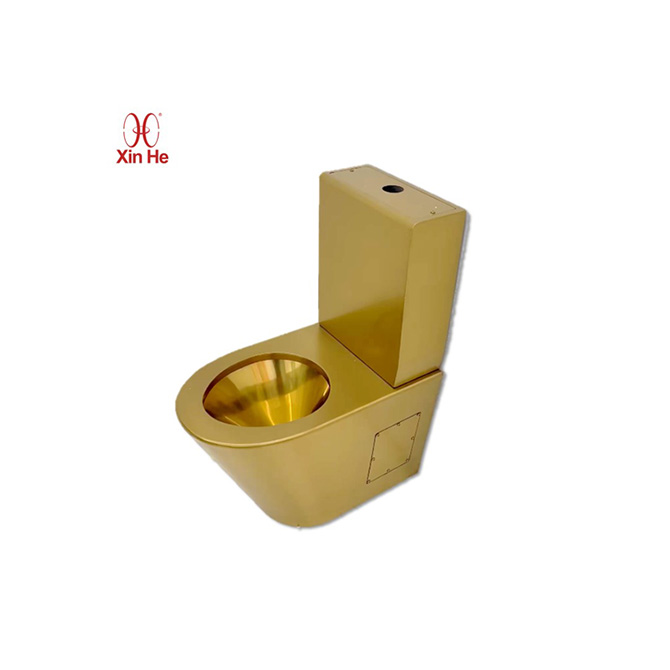
Furthermore, these specialized toilets for a high-security restroom must also meet health and accessibility standards. The material, typically stainless steel, is chosen for its non-porous surface, which resists bacteria and is easy to sanitize. To understand how these materials are joined to reach these standards, it is vital to learn what you should know about prison toilet construction to ensure long-term hygiene compliance.
Security, Anti-Contraband, and Tamper-Resistant Features
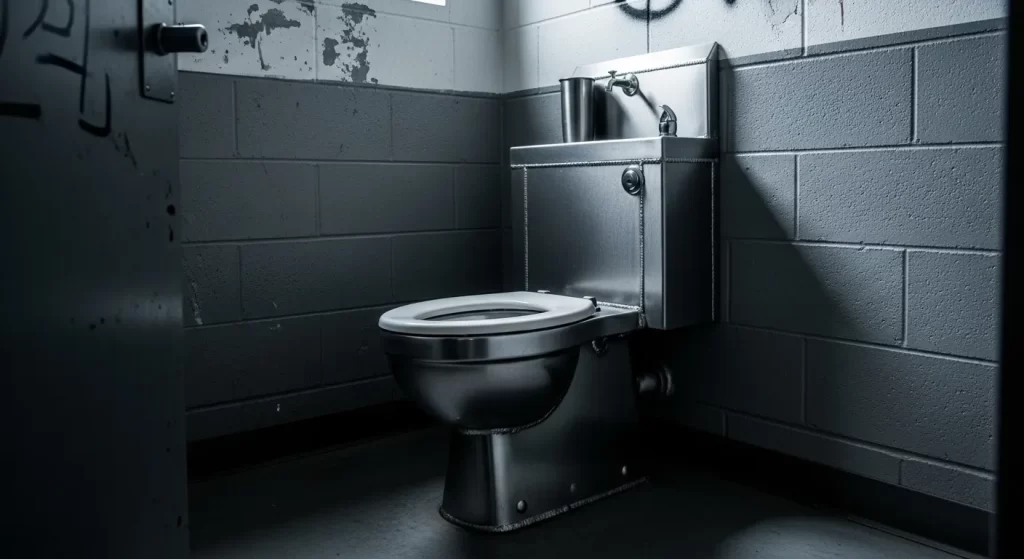
The design of a jail cell toilet is a crucial element of passive security. A key objective is to eliminate any potential for inmates to hide illicit items. Unlike standard toilets with accessible hollow spaces, high-security models are engineered to be completely sealed. These fixtures feature an anti-contraband, fully enclosed “skirt” that removes cavities where weapons or drugs could be stashed.
The entire unit is sealed to the wall and floor, making a search of the cell faster and more effective for staff. This tamper-resistant construction is fundamental to maintaining control in a detention facility.
Key features that enhance inmate safety and security include:
- Seamless, fully welded construction to eliminate gaps and crevices.
- Recessed buttons and flush mechanisms that cannot be easily broken or manipulated.
- Security-grade bolts and mounting that are inaccessible from within the cell.
Importance of Material Strength and Stainless Steel Construction
The choice of material is non-negotiable in high-security settings. While porcelain is common in homes, it shatters under impact, creating dangerous shards that can be used as weapons. This is the primary reason why prison facilities choose stainless steel toilets over porcelain; it protects inmates from self-harm and prevents the creation of makeshift weapons.
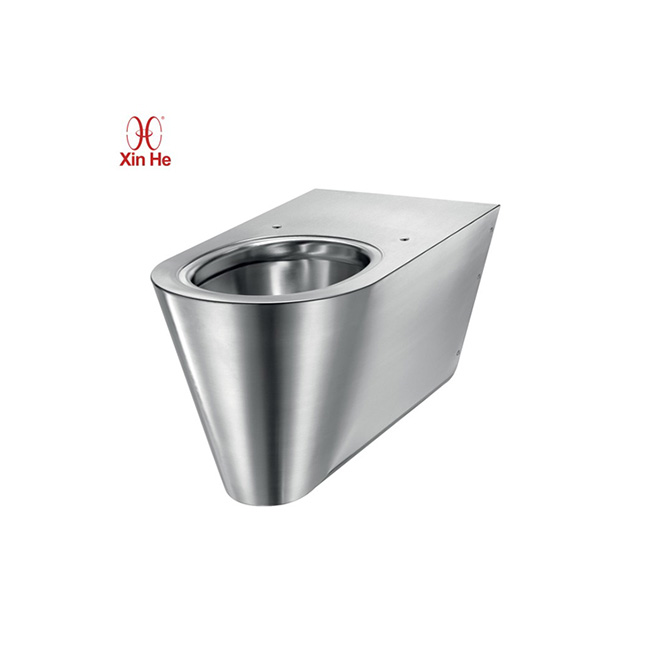
Manufacturers like Xinhe use heavy-gauge type 304 or 316 stainless steel to construct the entire unit, including the toilet bowl. Our Heavy Duty Stainless Steel Toilet Bowl for Public Restrooms utilizes argon arc welding to ensure that every joint is as strong as the steel itself. This inherent durability means the fixture might dent if subjected to extreme abuse, but it will not fracture, ensuring a safer environment for everyone.
Exploring Toilet and Sink Combination Options
In modern correctional facility design, efficiency is key. A stainless steel prison toilet sink combo, offering a highly practical solution by merging two essential fixtures into one. This space-saving design is perfect for the compact footprint of a typical cell, freeing up valuable floor area and reducing the feeling of claustrophobia for inmates.
Benefits of Integrated Units vs Separate Fixtures
Choosing an integrated unit over separate prison toilets and sinks provides significant advantages. The primary benefit is the space-saving design, which is critical in small cells. From a security perspective, a single, seamless fixture offers fewer opportunities for tampering or vandalism. There are no exposed pipes between the sink and toilet that could be broken or used as ligature points, directly improving inmate safety.
Installation is also more efficient, requiring fewer wall penetrations and plumbing connections, which saves on labor costs during construction.
Design Variations and Mounting Methods
Jail toilets come in different designs and mounting configurations to suit various facility layouts.
| Mounting Type | Description | Best For |
|---|---|---|
| Wall-Mounted (Chase Mount) | Fixture bolts through the wall to a carrier in the plumbing chase. All plumbing is concealed and serviced from behind. | New construction or major renovations where a plumbing chase can be built. Offers the highest security. |
| Floor-Mounted | Fixture is anchored directly to the floor. Can have front or rear plumbing access. | Retrofitting older facilities where a chase is not feasible. Easier to install in some concrete floors. |
Evaluating Suppliers for Durability and Reliability
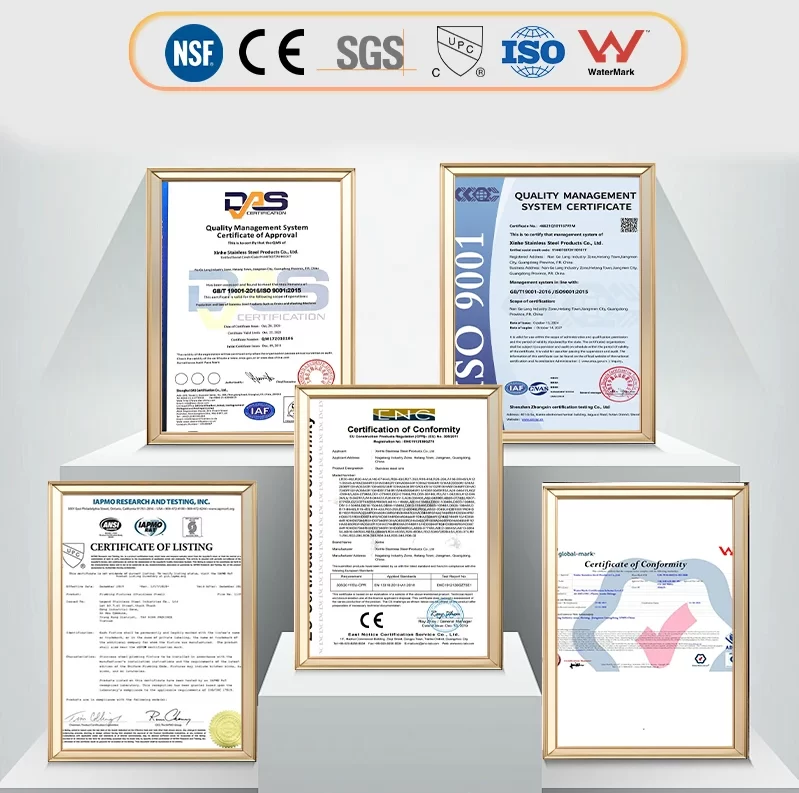
Choosing the right supplier is as important as selecting the right toilet model. At Xinhe, we hold ISO9001 certification and our products meet CE and WaterMark standards, providing documented proof of our manufacturing quality. We recently provided over 500 units for a regional detention center project, where our seamless welding technology significantly reduced the facility’s weekly maintenance hours by 30%.
Criteria for Comparing Vendor Support and Warranties
A strong product should be backed by excellent vendor support and a comprehensive warranty. When comparing vendors, look for:
- Warranty Duration and Coverage: Look for lifetime or multi-decade warranties against manufacturing defects.
- Technical Support: Access to knowledgeable staff who can assist with installation and maintenance questions.
- Parts Availability: Ensure that replacement parts for flush valves or bubblers are readily available.
Conclusion
Sourcing durable jail cell toilet is essential for any correctional facility seeking to enhance safety and efficiency. By focusing on material strength, anti-contraband designs, and reputable supplier certifications, you can contribute to a safer environment for both inmates and staff.
If you’re ready to explore the best options available, consider booking a free consultation to discuss how Xinhe can assist with your project needs.
FAQ
Are all jail cell toilets made from stainless steel?
Yes. Stainless steel is the universal standard for prison toilets in modern cells. Its durability and resistance to damage ensure it meets the safety and accessibility requirements of correctional facilities.
How do jail toilets prevent inmates from hiding contraband?
Jail toilets feature anti-contraband designs like enclosed bases and seamless welding. This tamper-resistant construction removes hiding spots for contraband, making searches easier and improving inmate safety in correctional facilities.
What makes jail cell toilet units different from household toilets?
Unlike porcelain household toilets, prison toilets are made from heavy-gauge stainless steel for durability. Their seamless, one-piece construction prevents vandalism. Many combine the toilet and sink to save space—a feature uncommon outside high-security restrooms.