How Long Should a Stainless Steel Prep Table Really Last
A stainless steel prep table can last 10 years or more, and in many kitchens it lasts much longer. The difference usually comes down to three things: the stainless steel grade, the thickness of the metal, and how the table is used every day.
For restaurants, hotels, catering kitchens, bakeries, food trucks, and central kitchens, the table is not just another flat surface. It takes knife work, hot pans, wet cleaning, sanitizer, heavy trays, and constant movement. A table that looks fine on day one may start to wobble, dent, stain, or rust if the material and construction are not right.
| Factor | Why it matters |
|---|---|
| Stainless steel grade | 304 stainless steel resists rust better than 430 in wet or chemical-heavy kitchens |
| Gauge thickness | Lower gauge means thicker steel and better dent resistance |
| Welds and joints | Clean, strong welds reduce weak points and moisture traps |
| Reinforcement | Strong legs, undershelves, and crossbars help the table hold weight |
| Kitchen environment | Humidity, salt, acids, and harsh cleaners can shorten service life |
Key Takeaways
- Choose 304 stainless steel if the table will be used in a wet, humid, or high-volume kitchen.
- Select a lower gauge number if the table needs to support heavy equipment, bulk ingredients, mixers, slicers, or daily prep work.
- Clean the surface regularly with mild detergent, then rinse and dry it. This simple habit does more for lifespan than most people expect.
- Avoid chlorine-based cleaners, steel wool, and abrasive pads. They can damage the stainless steel surface and make corrosion more likely.
- Inspect the table for loose joints, rust spots, deep scratches, wobbling legs, and broken supports.
- Replace the table if it becomes unstable, heavily pitted, or difficult to sanitize.
- If the table needs to fit a specific workflow, ask for the right material, tabletop size, backsplash, undershelf, caster, and reinforcement before buying. A custom stainless steel prep table often costs less in the long run than replacing a poor-fit model after a few years.
Lifespan Factors
Material Quality(304 vs. 430 Stainless Steel)
The grade of stainless steel has a major effect on how long a stainless steel prep table lasts.
- 304 stainless steel contains more nickel than 430 stainless steel. That makes it more resistant to rust and corrosion, especially in kitchens where the table is exposed to water, steam, salt, food acids, and cleaning chemicals. For commercial kitchens, dishwashing zones, seafood prep areas, hotel kitchens, school cafeterias, and food processing rooms, 304 is usually the safer long-term choice.
- 430 stainless steel is more affordable, and it may be acceptable for dry, light-duty use. The problem is that many kitchens are not dry for long. Water sits near sink areas. Sanitizer gets sprayed. Staff wipe down surfaces several times a day. In that kind of environment, cheaper steel can show rust earlier, especially around seams, welds, corners, and scratched areas.
That does not mean every kitchen needs the most expensive specification. It means the table should match the job. A dry storage prep area and a wet dishwashing zone do not need the same table. If the table will sit near sinks, drainboards, mop areas, seafood prep, or chemical cleaning stations, 304 stainless steel gives better protection.
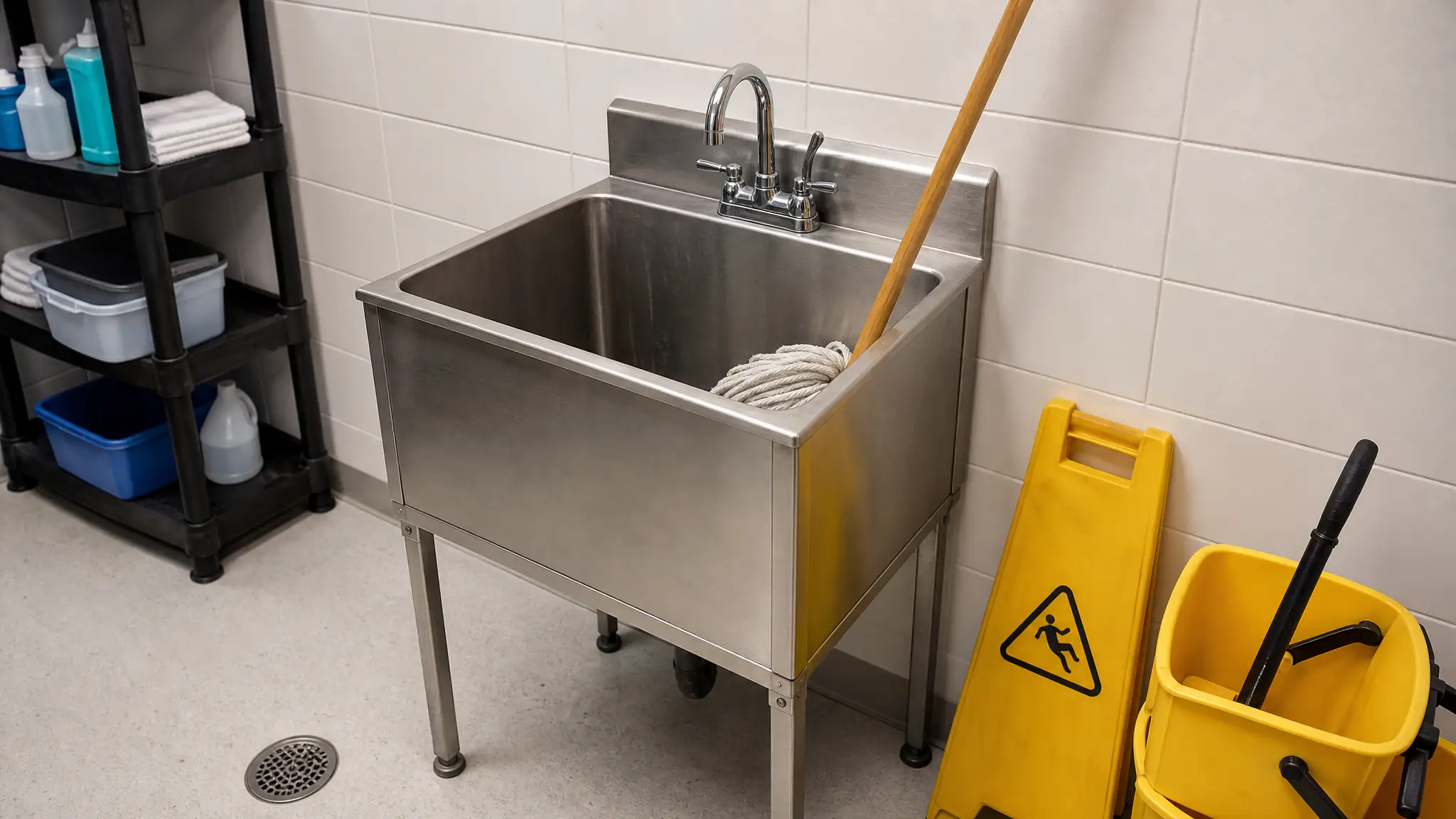
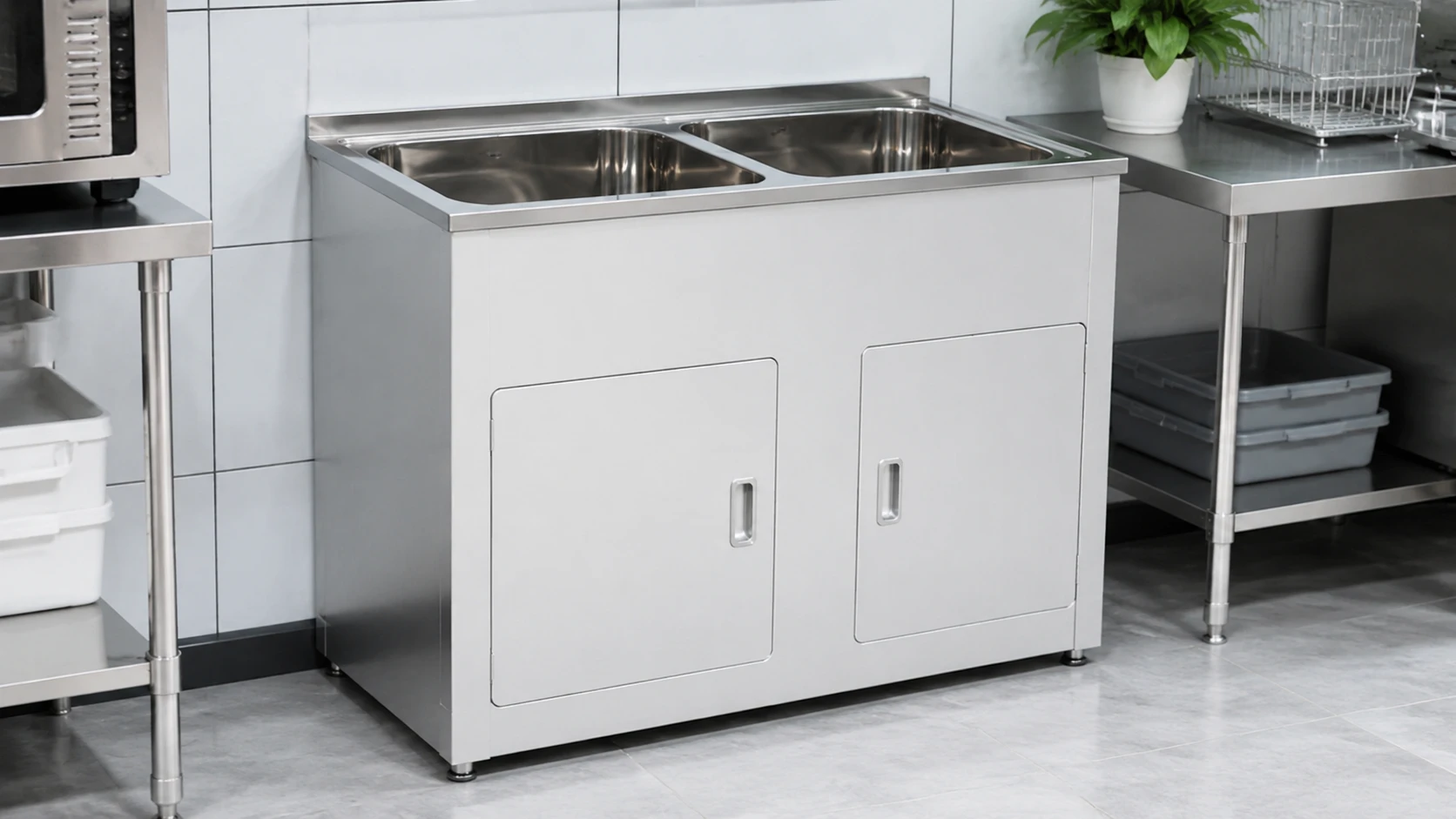
For projects that include sinks or wash zones, it may also help to compare the table with related stainless workstations, such as a stainless steel table with sink or a commercial kitchen sink setup.
Gauge Thickness
Gauge tells you how thick the stainless steel is. A lower gauge number means thicker steel.
- A 16-gauge table usually feels stronger than an 18-gauge table. It resists dents better, stays flatter under load, and feels more stable when staff are chopping, mixing, loading trays, or placing equipment on the surface.
- For light prep, an 18-gauge table may be enough. For high-volume food prep, bakery work, meat processing, heavy containers, or commercial equipment, thicker steel is worth considering.
- A good table should not flex every time someone presses down on it. It should feel steady. That kind of steadiness comes from the combination of gauge thickness, tabletop design, reinforced structure, and leg quality.
Xinhe can recommend suitable gauge thickness, tabletop size, and reinforcement options based on the real workflow instead of a generic product sheet.
Construction
Welds are easy to overlook when buying a stainless steel prep table, but they matter. Poor welds can create weak points. Rough seams can trap moisture, grease, and food debris. Over time, those areas are more likely to rust or crack.
Good welds should look clean and well-finished. They should not have open gaps, sharp edges, or uneven areas where water can sit. In a commercial kitchen, small design issues become daily cleaning problems.
| Weld issue | What can happen |
|---|---|
| Porosity or small gaps | Moisture and residue can collect in the joint |
| Rough seams | Cleaning becomes harder, especially near food contact areas |
| Weak welds | Legs, shelves, or supports may loosen under daily use |
| Poor finishing | Rust can begin around damaged or exposed areas |
Tables with smooth, well-finished welds are easier to clean and less likely to fail early.
Reinforcements
A table can have a good stainless steel top and still perform poorly if the frame is weak. Reinforcement makes the difference between a table that simply stands there and a table that handles real kitchen work.
Look for sturdy legs, strong undershelves, crossbars, and reinforced tabletops. These features help the table hold weight and reduce bending. They also help the table stay stable when staff move equipment, load containers, or roll the unit across the kitchen.
Different kitchens need different structures. A bakery may need a strong flat surface for mixers and dough work. A meat processing area may need a heavier-duty table with better corrosion resistance. A dishwashing area may need a backsplash and a nearby sink. A food truck may need a compact prep table with storage underneath.
For buyers planning stainless work zones, related layouts such as commercial work table vs prep table can help clarify what type of table is actually needed.
Moisture and Chemicals
Moisture and cleaning agents are part of every kitchen. Stainless steel is designed to resist corrosion, but constant exposure can still take a toll.
- High humidity can speed up rust, especially on lower-grade stainless steel.
- Chlorine-based cleaners can attack the protective layer on stainless steel.
- Acidic food residue, salt, and standing water can also create problems if the surface is not cleaned and dried.
This is where daily habits matter. Wipe spills quickly. Rinse off detergent. Dry the table after wet cleaning. Avoid leaving sanitizer or strong chemicals on the surface longer than recommended.
If the table will be installed near sinks, seafood prep, dishwashing areas, high-humidity storage rooms, or cleaning stations, share that information before ordering. The right stainless steel grade, finish, backsplash, undershelf, and leg design can prevent avoidable problems later.
Maintenance
Cleaning Frequency
Regular cleaning is the easiest way to extend the life of a stainless steel prep table. In commercial kitchens, daily cleaning is not optional. It protects both the table and the food being prepared on it.
Clean the table after heavy use, after spills, and at the end of each shift. In high-volume kitchens, surfaces may need to be wiped and sanitized several times a day.
Daily cleaning helps:
- Reduce grease and food buildup
- Prevent rust and water spots
- Lower the risk of bacteria growth
- Keep the table easier to inspect
- Support food safety and hygiene requirements
At home, cleaning can be less frequent, but spills should still be wiped quickly. Water, salt, sauces, and acidic ingredients should not sit on the surface for hours.
Cleaning Agents
The safest cleaning routine is simple: warm water, mild detergent, a soft cloth, rinse, and dry.
Avoid chlorine-based cleaners, chloride-heavy products, steel wool, rough sponges, and abrasive powders. These can scratch the surface or damage the stainless steel finish. Once the finish is damaged, dirt and moisture can collect more easily.
| Cleaning practice | Recommendation |
|---|---|
| Mild detergent | Good for daily cleaning |
| Soft cloth or sponge | Safe for the surface |
| Nylon or plastic brush | Useful for stubborn residue |
| Steel wool | Avoid it because it can scratch the surface |
| Chlorine-based cleaner | Avoid it because it can damage stainless steel |
| Immediate drying | Helps prevent water spots and corrosion |
When wiping the surface, follow the grain of the stainless steel. This reduces streaks and helps preserve the finish.
Maximizing Durability
Daily Routine
A durable table still needs basic care. The routine does not need to be complicated.
- Use warm, soapy water and a mild detergent.
- Wipe with a soft cloth or sponge.
- Rinse the surface with clean water. Dry it right away.
If the table has an undershelf, backsplash, seams, or corners, clean those areas too.
For commercial kitchens, this routine should be built into the closing process. For high-use stations, it should happen during the shift as well.
The best maintenance habit is consistency. Deep cleaning once in a while cannot make up for daily neglect.
Avoiding Harsh Chemicals
Harsh cleaners may seem like a shortcut, but they can shorten the table’s life. Products containing chlorine or strong acids can dull the finish and weaken corrosion resistance.
Use pH-neutral or stainless-safe cleaners when possible. If a stronger cleaner is required, test a small area first, follow the product instructions, rinse thoroughly, and dry the table after cleaning.
Use Cutting Boards
Do not cut directly on the stainless steel surface. A cutting board protects the tabletop from deep scratches. It also keeps knives in better condition and makes sanitation easier.
Deep scratches are more than a cosmetic issue. They can trap food particles, moisture, and bacteria. In a commercial kitchen, that can turn into a food safety concern.
Avoiding Scratches
Scratches, dents, and impact marks are common in busy kitchens. Some light surface marks are normal, but deep damage should be taken seriously.
To reduce damage:
- Use cutting boards for prep work
- Avoid dragging heavy equipment across the surface
- Lift containers instead of sliding them when possible
- Keep abrasive pads and steel wool away from the table
- Do not overload shelves beyond the rated capacity
If the table is being used for heavy equipment, ask about load capacity before purchase. A stainless work table load capacity comparison can help buyers avoid under-specifying the table.
Inspections
Checking for Wear
A short weekly inspection can prevent bigger problems. Check the table legs, feet, shelves, welds, corners, and underside. Look for rust, loose bolts, wobbling, cracked welds, deep scratches, and areas where water collects.
Pay attention to corners and seams. These are the areas where corrosion often starts because moisture and cleaning residue can sit there unnoticed.
Early Repairs
Small issues are easier to fix early. Tighten loose bolts. Replace worn feet or casters. Clean light rust before it spreads. If a shelf begins to loosen, stop overloading it and check the connection points.
If the issue involves welds, structural supports, deep corrosion, or repeated instability, ask the manufacturer or supplier for advice. Continuing to use an unstable table can create safety risks for staff and damage nearby equipment.
When to Replace
Instability
A table that wobbles under normal use should not be ignored. Instability can come from bent legs, weak welds, damaged feet, loose shelves, or an overloaded frame. In a fast kitchen, a shaky table is more than annoying. It can cause spills, equipment damage, and workplace accidents.
If repairs do not solve the problem, replacement is usually the safer decision.
Broken Supports
Supports and reinforcements keep the table strong. Cracked welds, missing crossbars, bent shelves, or broken legs reduce the table’s load capacity. Once the structure is compromised, the table may no longer be safe for commercial use.
Rust Spots
Rust spots are a warning sign. Light surface rust can sometimes be cleaned, especially if it comes from contamination or poor cleaning habits. But rust that keeps coming back usually means the surface has been damaged or the material is not suitable for the environment.
A Stainless Steel Prep Table used near water, salt, or chemicals should not need constant rust removal. If it does, the table may be under-specified.
Pitting
Pitting corrosion looks like small holes or dark spots in the surface. It is more serious than ordinary staining because it can weaken the steel. Pitting can also make the surface harder to sanitize.
If pits are deep or spreading, replacement is usually the right call.
Deep Scratches and Persistent Stains
Deep scratches can trap food residue and bacteria. Stains that do not come out after proper cleaning may also signal surface damage.
Food prep surfaces should be smooth, cleanable, and sanitary. If the table no longer meets that standard, it is time to consider replacing it.
Stainless Steel Prep Table in Real Life
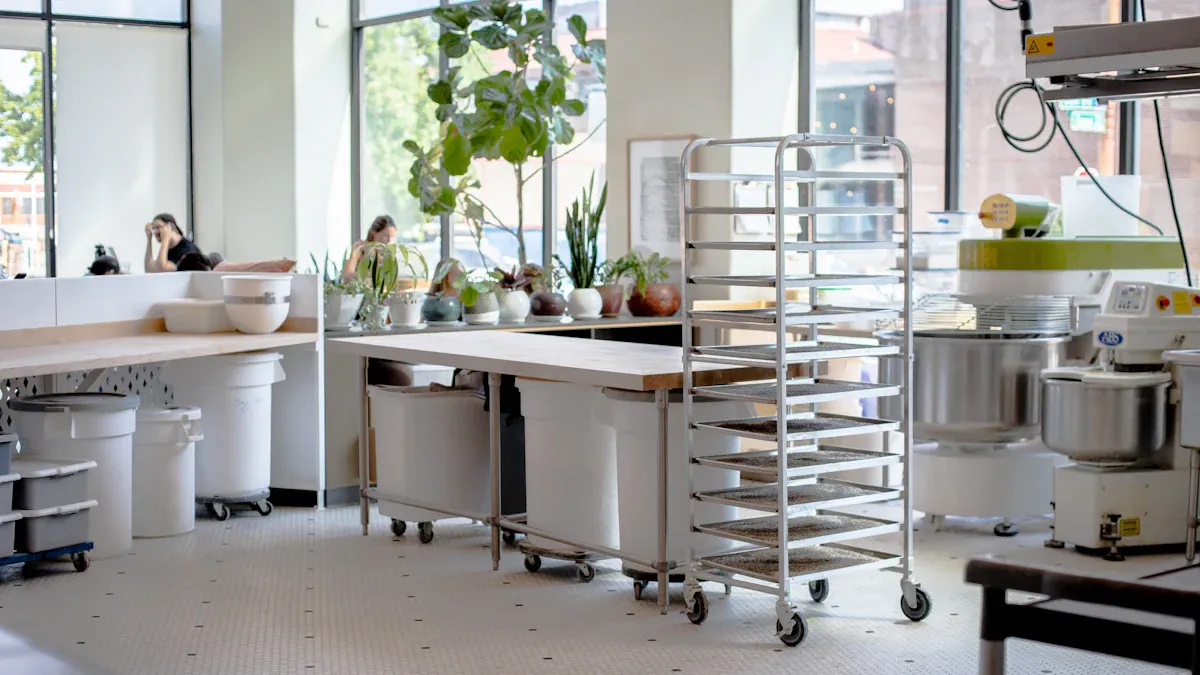
Commercial Kitchens
In restaurants, hotels, bakeries, central kitchens, and catering facilities, a stainless steel prep table usually lasts 7 to 15 years. Better materials and stronger construction push it toward the upper end of that range.
The table will last longer when staff clean it properly, avoid overloading it, use cutting boards, and report damage early. It will wear faster if it is exposed to standing water, harsh cleaners, rough handling, and heavy equipment without proper reinforcement.
For many buyers, the goal is not simply to find the cheapest table. The better question is: which specification will survive the way this kitchen actually works?
Home Kitchens
In home kitchens, stainless steel prep tables often last more than 15 years. They face less impact, lighter cleaning chemicals, and fewer daily shifts. With basic cleaning and careful use, a home prep table can stay in good condition for decades.
Still, the same rules apply. Choose the right grade, avoid cutting directly on the surface, wipe spills quickly, and keep the table dry after cleaning.
Warranty & Claims
Warranty terms tell you something about how much confidence the manufacturer has in the product. Many stainless steel prep tables come with limited coverage for materials and workmanship. Some warranties are short. Others provide longer protection.
Here’s a quick look at typical warranty terms:
| Warranty Length | Description |
|---|---|
| 12 Months | Warranty on stainless steel parts including raw, linished, and powder coated. Chips and scratches are not covered. |
A one-year warranty is common in the industry. It covers defects in materials and workmanship. If you spot a problem with the steel itself, you can make a claim.
Tip: Before ordering, check what the warranty covers. Ask whether it includes material defects, workmanship, weld issues, parts, or structural problems. Also ask what is excluded, such as scratches caused by misuse, chemical damage, or overloading.
Xinhe provides five-year warranty coverage for eligible stainless steel prep tables, giving buyers more confidence when purchasing for commercial kitchens, hotels, restaurants, facility projects, and foodservice operations. For buyers comparing specifications, Xinhe can help match 304 stainless steel options, gauge thickness, table size, load capacity, and warranty coverage to the actual kitchen environment.
FAQ
1. How do I know if my stainless steel prep table is 304 grade?
Check the product label, specification sheet, or supplier documentation. If the table is for wet or high-use commercial areas, ask the supplier to confirm the stainless steel grade before purchase.
2. Can I use my prep table outdoors?
Yes, but the specification matters. 304 performs better outdoors than lower-grade. The stainless steel tables should be wiped dry after rain and protected from harsh chemicals, salt exposure, and standing water when possible.
3. What is the best way to clean my stainless steel table?
Use warm water, mild detergent, and a soft cloth. Wipe with the grain, rinse with clean water, and dry the surface after cleaning.
4. How much weight can a stainless steel prep table hold?
Load capacity depends on tabletop thickness, frame design, legs, shelves, and reinforcement. Many commercial tables support 300–500 pounds, but the exact limit should come from the supplier’s specification.
5. Can the size or features be customized?
Yes. Xinhe can customize table size, backsplash, undershelf, drawers, casters, leg structure, and sink integration based on kitchen layout and workflow.
6. What should be done if rust spots appear?
Clean the area with a stainless steel-safe cleaner and a soft cloth. Rinse and dry the surface. If rust returns, contact the supplier to check whether the material or environment is causing the problem.
7. How often should the table be inspected?
Commercial kitchens should inspect prep tables weekly. Check for loose bolts, rust, scratches, cracked welds, bent legs, damaged shelves, and unstable feet.
8. Does Xinhe offer a warranty for prep tables?
Yes. Xinhe offers five-year warranty coverage for eligible stainless steel prep tables, covering materials and workmanship according to the warranty terms.