Home > Blog > Home Kitchen Products >
Stainless Steel Sink: Single or Double Bowl for Your Kitchen
After dinner, the kitchen sink usually tells the truth about how well a kitchen works. Large pans, plates, cutting boards, vegetables waiting to be rinsed, maybe a pot soaking in the corner. When the sink fits the way the household actually cooks, cleanup feels manageable. When it does not, even a simple meal can leave the counter looking crowded.
A stainless steel sink is still one of the most common choices for home kitchens because it handles daily use well, works with many countertop styles, and does not ask for fussy maintenance. The harder question is usually the bowl layout: single bowl sink or double bowl sink?
There is no one answer that works for every kitchen. A small apartment kitchen may need open counter space more than separate washing zones. A busy family kitchen may care more about soaking, rinsing, and food prep happening at the same time. The right choice depends on kitchen size, cooking habits, cleaning routines, and how often large cookware lands in the sink.
Single bowl sink
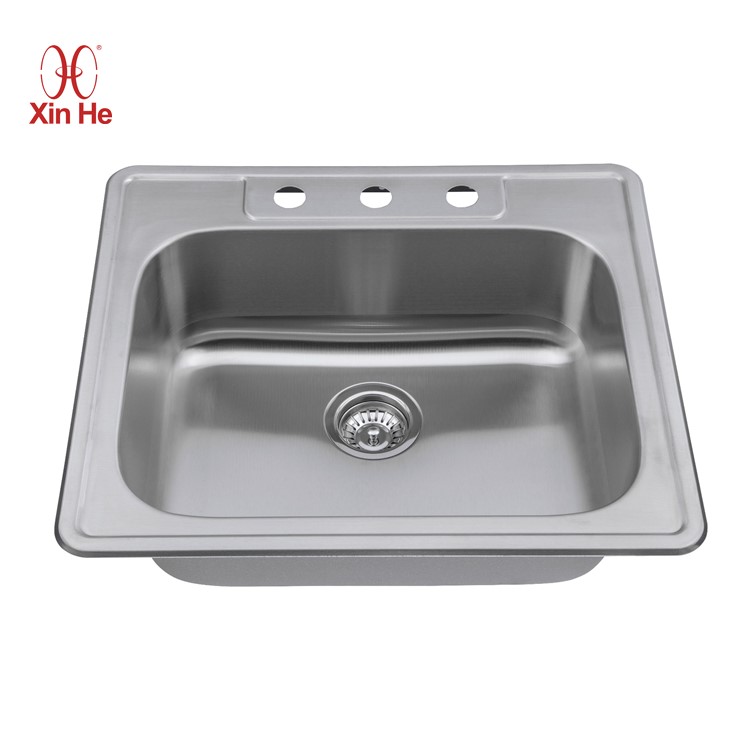
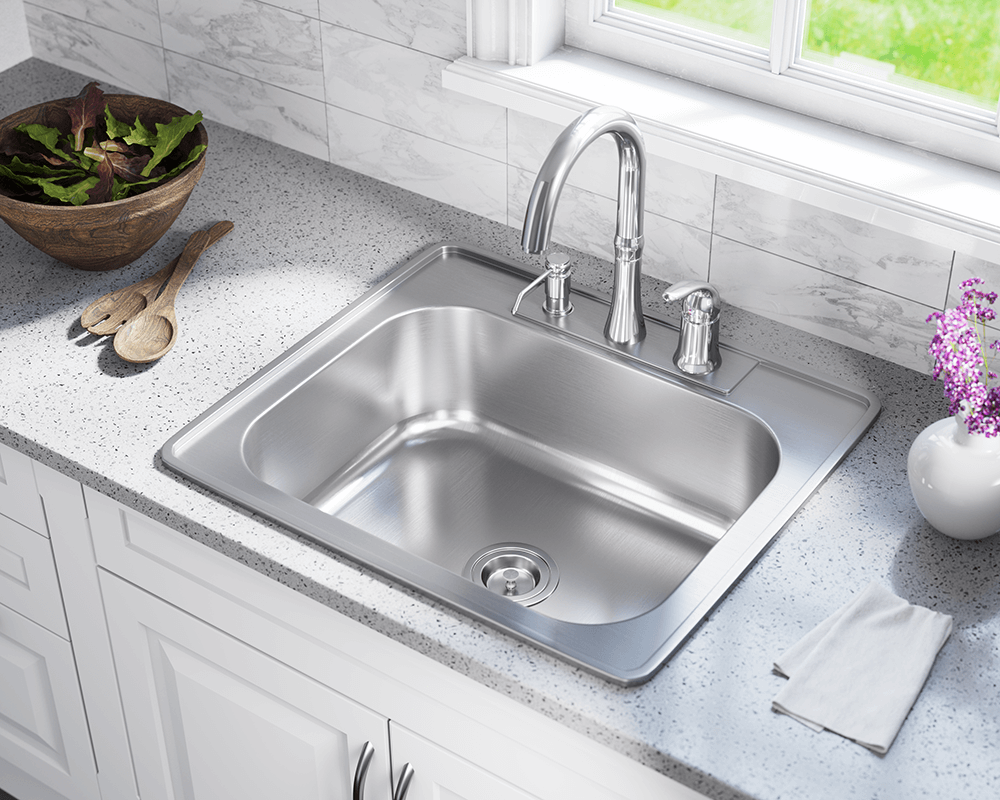
A single basin sink gives the kitchen one large, open basin. That simple layout is the whole point. There is no middle divider, so oversized cookware can sit flat instead of being balanced awkwardly across two smaller bowls.
For people who cook with stockpots, roasting pans, baking trays, woks, or deep soup pots, this matters more than it sounds. A stainless steel single bowl kitchen sink makes it easier to soak and wash big items without water splashing over the counter.
Why choose a single bowl
A single bowl sink works especially well when the kitchen needs more usable space and fewer obstacles. It keeps the sink area straightforward, which is useful in small homes, rental apartments, condos, studio kitchens, and compact open-plan layouts.
The biggest advantage is space inside the basin. Since there is no divider, the full sink width can be used for washing cookware, rinsing produce, filling pots, or cleaning large trays. This is one reason many North American buyers searching for a large single bowl kitchen sink or an undermount stainless steel kitchen sink lean toward this layout.
It can also be easier on the budget. A single bowl sink usually has a simpler structure, whether it is a top-mount sink or an undermount sink. Installation is often more straightforward, and there are fewer edges and corners to clean during daily use.
Best fit for these kitchens
A single bowl stainless steel sink is a practical match for smaller kitchens where every inch of countertop matters. It also suits people who prefer a cleaner, more open-looking sink area instead of a divided workspace.
| Kitchen situation | Why a single bowl works |
|---|---|
| Small apartment or condo kitchen | Keeps the counter from feeling crowded |
| Minimalist kitchen design | Gives the sink area a clean, simple look |
| Light cooking routine | Enough capacity without extra complexity |
| Frequent use of large cookware | Fits pans, trays, and pots more easily |
| Tight renovation budget | Often simpler to buy and install |
For small families, singles, or households that do not cook several dishes at once, a single bowl sink usually does the job without making the kitchen feel overbuilt.
Where it can feel limited
The drawback shows up during multitasking. If dishes are soaking in the basin, there may be no separate place to rinse vegetables. If raw food prep is happening, the sink may need to be cleared before washing cups or cookware. This does not bother everyone, but it can slow down a kitchen where several tasks happen at once.
A good over-the-sink dish rack, roll-up drying rack, or removable basin can help. These accessories give a single bowl sink some of the zoning that a double bowl sink has by default, without taking up permanent space.
A realistic use case
Alex moved into an apartment with a narrow kitchen counter and limited prep space. A double bowl model would have taken up too much room and made the sink area feel cramped. A single bowl sink gave enough room to wash a deep soup pot, rinse baking trays, and still keep the counter looking tidy.
For a compact kitchen, that kind of simple improvement can matter every day.
Double bowl sink
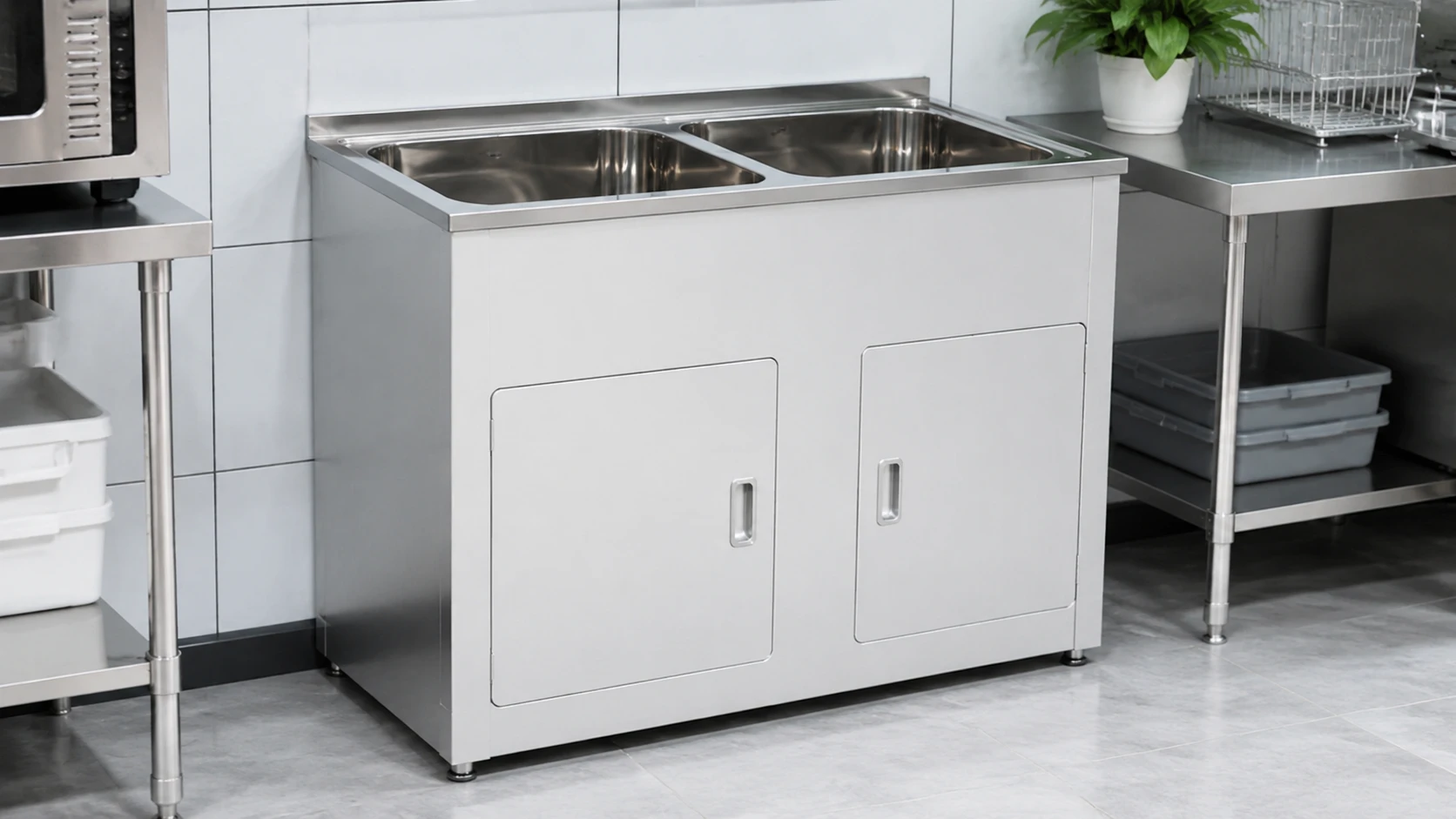
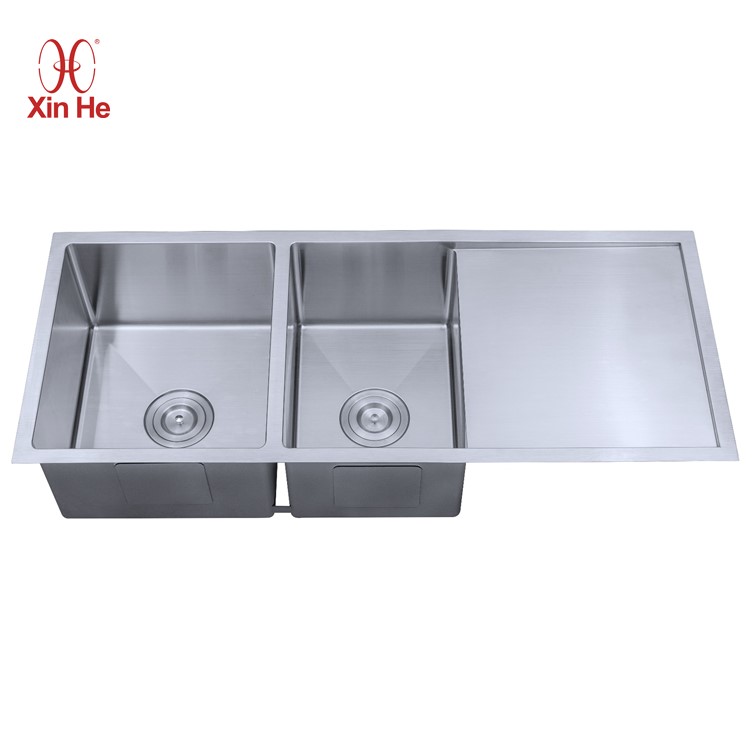
A double basin sink divides the sink into two separate sections. One side can be used for washing, while the other side handles rinsing, soaking, draining, or food prep. This layout is useful when the kitchen is busy and the sink needs to support more than one task at a time.
For families, frequent home cooks, and people who entertain often, a double bowl stainless steel sink can make the workflow feel more controlled. It is not always about having more total space. It is about keeping tasks separated.
Why choose a double bowl
The main benefit is zoning. One bowl can hold soapy water while the other stays clear for rinsing. One side can soak baby bottles, cups, or utensils while the other is used for washing vegetables. In kitchens where raw meat, seafood, vegetables, and cooked dishes are handled close together, that separation can also help reduce cross-contact during prep.
Double bowl sinks come in different layouts. Some are equal 50/50 bowls. Others use a larger main bowl with a smaller side bowl. The unequal layout can be helpful because the large side still fits pots, while the smaller side works for produce, utensils, or draining.
For buyers comparing kitchen sink accessories, a double bowl layout can also support a more flexible workstation setup. A drainer basket, cutting board, colander, or strainer can turn part of the sink into a prep zone, especially in medium and large kitchens.
Best fit for these kitchens
A double bowl stainless steel sink is better suited to kitchens that have enough countertop space and a heavier cooking routine. It is less about minimalism and more about function.
| Kitchen situation | Why a double bowl works |
|---|---|
| Medium or large kitchen | Enough counter space for a wider sink |
| Busy family household | Washing, rinsing, and soaking can happen together |
| Frequent cooking | Makes task switching easier |
| Entertaining or family meals | Helps several people work around the sink |
| Hygiene-focused prep | Separates raw food, rinsing, and dishwashing |
This layout is often chosen by households that cook daily, prepare several dishes at once, or want clearer separation between food prep and dish cleanup.
Where it can feel limited
A double bowl sink needs more room. In a small kitchen, that can reduce the available prep surface and make the counter feel tight. Each bowl is also smaller than one large single basin, so washing a wide roasting pan or oversized wok may take more effort.
Installation can also be slightly more involved, depending on the countertop, drain position, faucet setup, and accessories. The cost may be higher than a basic single bowl sink, especially for handmade stainless steel sinks, undermount models, or workstation-style designs.
A realistic use case
Sarah has a family of four and a kitchen that gets busy quickly. One side of her double bowl sink is often used for soaking bottles or bowls, while the other side stays open for washing produce or rinsing plates. The separate bowls keep small tasks from colliding with each other.
For a household that cooks every day, that separation can save time and reduce the feeling of clutter around the sink.
Single bowl vs double bowl: quick comparison
Both sink types can work well. The better choice depends on what the kitchen needs most: open basin space or separated work zones.
| Feature | Single bowl sink | Double bowl sink |
|---|---|---|
| Basin space | Best for large cookware | Split into two smaller areas |
| Multitasking | Limited unless accessories are added | Strong for washing, soaking, and rinsing |
| Small kitchen fit | Usually better | Can feel too wide |
| Cleaning | Simple, fewer corners | More edges and divider areas |
| Installation cost | Often lower | Often higher |
| Food prep separation | Needs removable accessories | Built-in zoning |
A single bowl sink is usually the better choice for a small kitchen sink setup, especially when large pots and pans are common. A double bowl sink is better when the household needs a clear system for washing, rinsing, soaking, and food prep.
Sink accessories that make the layout work better
The sink itself matters, but accessories can change how it performs. This is especially true for stainless steel kitchen sinks used in small spaces or busy family kitchens.
Useful accessories to consider
Dish rack An over-the-sink dish rack keeps washed dishes, cups, or vegetables above the basin instead of spreading water across the countertop. Foldable styles are useful for small kitchens because they can be stored after use.
Cutting board A fitted cutting board adds temporary prep space. It is especially helpful when the counter is narrow. Vegetables can be chopped, rinsed, and moved without carrying them across the kitchen.
Strainer A strainer catches food scraps before they reach the drain. It is a small accessory, but it can help prevent clogging and makes cleanup faster after meal prep.
Soap dispenser A built-in soap dispenser keeps detergent close to the faucet and reduces clutter around the sink. It also gives the sink area a neater look.
When choosing accessories, size compatibility is worth checking carefully. Adjustable dish racks and custom-fit cutting boards usually work better than generic pieces that slide around or block the faucet.
How to choose the right stainless steel sink
A good stainless steel sink should fit the kitchen layout first, then the cooking routine. The most attractive sink can still be frustrating if it takes too much counter space or cannot handle daily cookware.
Choose a single bowl sink if:
- The kitchen is small or has limited counter space.
- Large pots, pans, trays, or woks are washed often.
- The household cooks lightly or does not need several sink zones.
- A clean, modern sink area is preferred.
- The project needs a more budget-friendly sink installation.
Choose a double bowl sink if:
- The kitchen has enough room for a wider sink.
- Cooking, washing, soaking, and rinsing often happen at the same time.
- The household has children or frequent family meals.
- Food prep separation is a priority.
- Accessories like a drainer basket, cutting board, or strainer will be used often.
For many Southeast Asian and North American kitchens, the decision often comes down to cookware and workflow. Homes that use large woks, stockpots, or baking trays may prefer a single large basin. Homes that prepare several ingredients at once may get more value from a double bowl kitchen sink.
Keeping a stainless steel sink clean
A stainless steel sink does not need complicated care, but small habits make a visible difference. Water spots, grease, and light marks build up faster when the sink is left wet after every use.
Daily cleaning
Use mild dish soap and a soft sponge for regular grease and food residue. For extra shine, mix white vinegar and water in a 1:1 vinegar solution, spray it on the surface, leave it for about five minutes, then wipe with a microfiber cloth.
Avoid steel wool and abrasive cleaners. They can scratch the sink surface and make it look dull over time. After washing dishes, wiping the basin dry helps reduce hard water marks, especially in areas with mineral-heavy water.
Once a month, a very small amount of olive oil can be wiped across the surface to reduce visible water spots and give the sink a cleaner finish. Use only a light layer, then buff it with a clean cloth.
Installation points to check before buying
A sink choice should be made before the countertop is cut, not after. The sink size, mounting style, faucet holes, drain position, and cabinet width all need to match.
Before installation
- Measure the countertop cutout and cabinet space carefully.
- Check whether the model is designed as a top-mount sink or an undermount sink.
- For an undermount sink, make sure the countertop material can support it. Quartz, granite, and similar solid surfaces are common choices.
- For a drop-in sink, use proper silicone sealant around the rim to reduce water leakage.
- Confirm that the faucet, drain system, garbage disposal, and accessories are compatible.
- If the countertop is new or expensive, professional installation is usually safer.
Good installation is not only about appearance. A poorly sealed sink can lead to water damage, loose edges, or drain problems later.
Final thoughts
A stainless steel sink is used every day, so the best choice is the one that fits real kitchen habits. A single bowl sink gives more open washing space and works well in compact kitchens or homes with large cookware. A double bowl sink gives better separation for washing, rinsing, soaking, and food prep, which suits busier households.
Before choosing, measure the countertop, think about the cookware used most often, and picture how cleanup usually happens after dinner. The right sink should make that routine easier, not more complicated.