Home > Blog > Drinking Fountains >
Retrofit or Replace: Upgrading to a Drinking Fountain with Bottle Filler
The push to ditch single-use plastics is no longer just a corporate sustainability trend; it is written into building specifications worldwide. If you manage a school district, a hospital network, or a commercial property, you have likely looked at an aging hallway water cooler and wondered how to modernize it. Facility managers usually face a rigid choice: buy a retrofit kit for the existing basin, or tear it out and install a new drinking fountain with bottle filler.
On paper, retrofitting looks cheaper. In reality, matching old plumbing with new hardware gets complicated fast. Making the right call requires looking at the actual labor costs, maintenance realities, and strict ADA regulations.
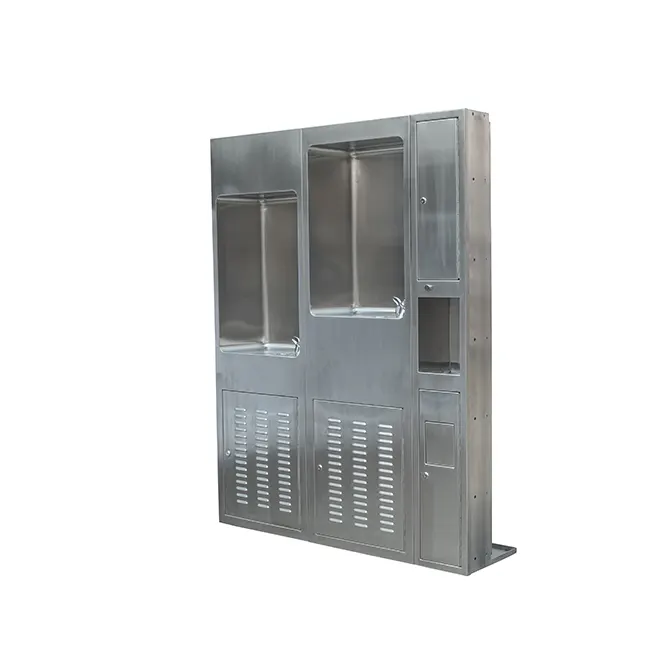
For projects requiring a permanent, high-traffic solution, installing an integrated 304 stainless steel wall mounted indoor drinking fountain with bottle filler is usually the safest route. Factory-built units provide a vandal-resistant, lead-free experience that bolted-on retrofit kits consistently fail to match.
Technical Assessment: Can Your Current Setup Handle a Retrofit
You cannot just bolt new hardware onto a failing system. Before issuing a purchase order, engineering teams need to evaluate the physical state of the plumbing and cooling mechanics.
- Cooling Load: A standard commercial water cooler from a decade ago was calibrated for people taking short sips. Today, users fill 32-ounce insulated cups back-to-back. That heavy continuous draw stresses old compressors, often burning them out shortly after a retrofit.
- Filtration Space: Modern lead-free hydration station standards require bulky, multi-stage filtration systems. Older wall cabinets simply lack the internal clearance to house these filters safely.
- The 15-Year Rule: Facility management data points to a harsh reality. If your existing unit is older than 15 years, trying to retrofit it will consume about 60% of the cost of a new unit, but you will only get a fraction of the lifespan.
Compliance Risks and Accessibility
Upgrading water access is heavily regulated by building codes. When weighing a retrofit kit vs full unit, compliance usually dictates the outcome.
Adding a tall filler module on top of an older basin changes the overall dimensions. You must ensure the final setup does not violate accessibility laws. Reviewing the ADA compliant drinking fountain height guide for public projects is a necessary step, because failing an accessibility audit costs far more than the hardware itself.
A factory-built ADA compliant fountain is dimensionally engineered to clear wheelchair reach and height regulations straight out of the box. Retrofit kits frequently push the push-bars or the water stream just outside the acceptable range. For modern builds, specifiers usually prefer an integrated recessed bottle filler or a built-in drinking fountain with bottle filler to bypass these legal headaches entirely.
Long-Term ROI and Daily Maintenance
Your janitorial staff will be the first to know if an upgrade was successful. A true sustainable hydration station should require less scrubbing, not more.
When you attach a new plastic filler onto a weathered metal basin, you create seams. Those joints become magnets for calcium buildup, mold, and bacteria. A seamless, one-piece commercial stainless steel drinking fountain eliminates those awkward crevices. It is simply easier to keep clean.
| Feature | Retrofit Kit | Full Replacement |
|---|---|---|
| Upfront Cost | Lower material cost | Higher initial capital |
| Material Integrity | Mixed plastics and old metal | Heavy-duty stainless steel grade 304 |
| Hygiene | Seams trap dirt and bacteria | Seamless construction stays clean |
| Best Application | Units under 5 years old | High-traffic zones, bulk water dispenser procurement |
Whether you need a heavy duty water fountain for schools in North America or are sourcing for a transit hub in the Middle East, durability dictates your actual ROI. A complete drinking fountain with bottle filler stands up to public abuse far better than a modified accessory.
The Reality of Installation
Purchasing departments often assume retrofits are quick, plug-and-play jobs. They rarely are. While the parts are cheaper, you pay contractors by the hour to adapt aging plumbing, reroute water lines, and wire new sensors into old electrical boards.
If you look at a standard outdoor fountain installation guide, you can estimate the actual labor hours required for plumbing modifications. Surprisingly, dropping in a brand new chilled water dispenser commercial unit is often faster. The rough-ins for a modern drinking fountain with bottle filler are standardized. Plumbers know exactly what to expect, meaning you avoid the expensive surprises that happen when you open up a wall and find corroded pipes.
Making the Call
Look closely at the age and condition of your current water systems. If the infrastructure is less than five years old and you just need a temporary fix for users, a retrofit kit makes sense. But if you want a permanent asset that guarantees ADA compliance, handles heavy traffic without failing, and keeps maintenance costs low, tearing out the old unit is the pragmatic choice. A new drinking fountain with bottle filler costs more upfront, but it pays off by preventing plumbing failures and compliance issues down the road.
As a global stainless steel water dispenser factory, Xinhe handles major upgrades worldwide. We offer factory-direct pricing, customizable sizing to fit exact architectural wall footprints, and reliable shipping for government projects and large commercial developments. Upgrade your facility with a high-performance drinking fountain with bottle filler today by requesting a custom spec sheet.