Top 5 Durable Mop Sinks for Cleaning Services
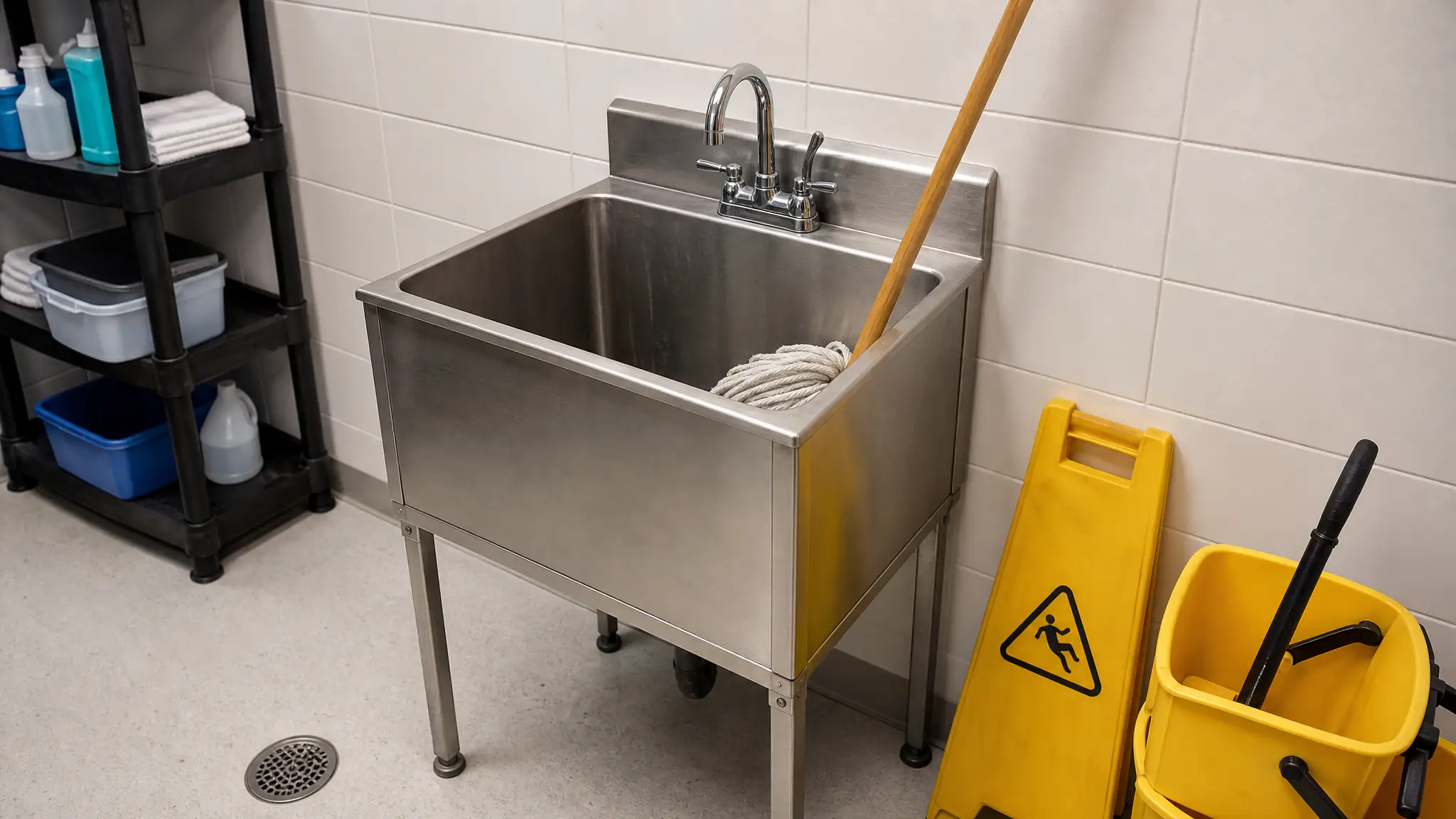
In a high-traffic environment like a hospital, restaurant, or industrial warehouse, a utility sink is more than just a place to dump dirty water. It is the command center for your sanitation team. If a sink cracks, leaks, or rusts, it doesn’t just cost money for repairs; it halts your entire cleaning workflow, leading to safety hazards and potential health code violations. When we talk about durability in mop sinks, we are looking at material integrity, resistance to harsh chemicals, and the ability to withstand the physical impact of heavy buckets and high-pressure water.
Investing in a high-quality basin today prevents the “cheap tax” tomorrow—the cycle of replacing low-end fixtures every few years.
Understanding the Landscape
Before we dive into our top picks, it’s important to recognize how these fixtures have evolved. Modern mop sinks are no longer just concrete boxes in a basement. Today’s options range from medical-grade 304 stainless steel to advanced reinforced polymers that resist fire and impact.
Whether you are managing a boutique hotel or a sprawling distribution center, the utility of your cleaning station depends on specific features like splashbacks, drainage speed, and ease of installation.
The Top 5 Mop Sinks for Professional Use
After analyzing structural durability, long-term user feedback, and rigorous material specifications, we have identified five standout models that cater to diverse facility needs.
1. Xinhe Stainless Steel Utility Mop Sink (Model LA131-05640)
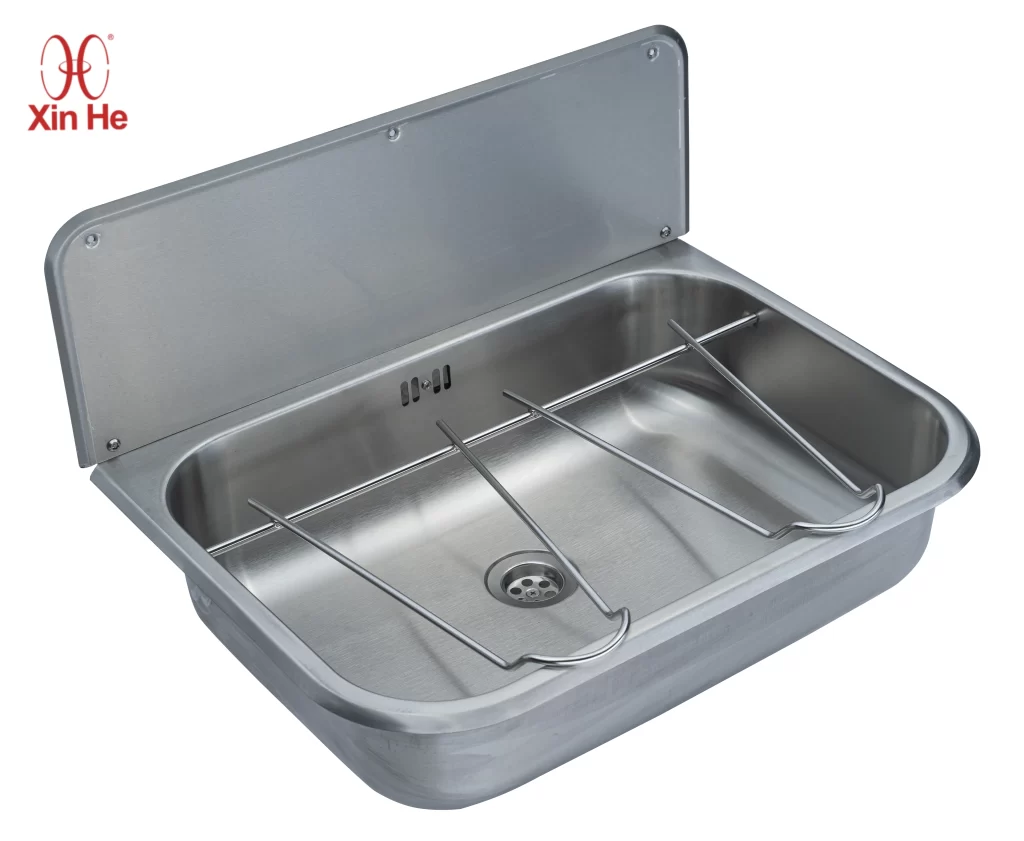
When industrial durability meets thoughtful, human-centric design, the result is the Xinhe Stainless Steel Utility Mop Sink. This model has become a favorite among facility managers who prioritize a “set it and forget it” approach to infrastructure maintenance. While many competitors focus on a single niche, this stainless steel utility mop sink for industrial use is engineered to be a versatile workhorse suitable for hospitals, schools, and rugged commercial environments alike.
The Power of 304 Stainless Steel
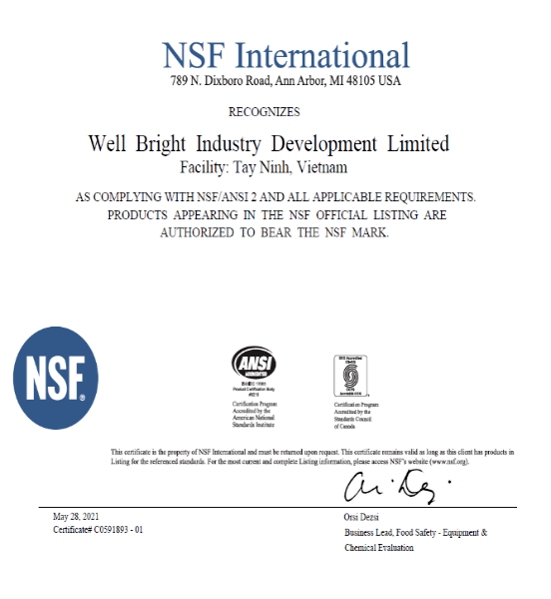
Constructed from premium-grade 304 stainless steel, this basin is naturally resistant to the corrosive nature of industrial detergents, disinfectants, and bleach. Unlike lower-grade ferritic metals that might develop pinhole leaks over time, this heavy-duty construction ensures a lifespan that spans decades. Furthermore, its NSF-certified or cUPC marks status provides peace of mind for facilities where hygiene compliance is non-negotiable.

Key Features and Innovations:
- Integrated Grid Splashback System: Water damage to surrounding walls is a leading cause of mold in janitorial closets. This model features a sophisticated grid splashback that protects your facility’s structural integrity while providing a functional area to hang cleaning tools or dry mop heads.
- Dual Installation Versatility: Whether your plumbing layout requires a wall-mounted setup to save floor space or a sturdy floor-mounted configuration for heavy-duty buckets, this model adapts seamlessly to its environment.
- Human-Centric Safety: In a fast-paced cleaning environment, sharp metal corners are a significant liability. This design features precision-rounded edges, significantly reducing the risk of workplace injuries and improving the ease of wiping down the unit.
- Comprehensive Customization: Recognizing that one size rarely fits all, the manufacturer offers bespoke options for finishes and dimensions, allowing the unit to fit specific architectural requirements in specialized medical or educational settings.
Best For: Industrial janitor closets, hospital sterilization rooms, high-frequency commercial kitchens, and any facility where a balance of safety and extreme durability is required.
2. DuraSteel Stainless Mop Sink
DuraSteel has cultivated a solid reputation within the food service industry for producing rugged, “no-frills” equipment. Their floor-mounted mop sinks follow this tradition of simplicity and strength.
Built for the “Hard Knocks” of Industry
Utilizing 18-gauge stainless steel, DuraSteel offers a pragmatic balance between weight and structural resilience. While slightly thinner than 16-gauge industrial models, the 18-gauge construction is more than sufficient for standard restaurant operations. It effectively resists denting from heavy plastic mop buckets and prevents the accumulation of grime in the corners thanks to its coved (rounded) internal corners.
Operational Highlights:
- Corrosion Resistance: The polished finish is designed to remain bright and professional-looking even after years of constant exposure to moisture and cleaning agents.
- Efficient Drainage: The basin is pitched with high precision toward the drain to ensure no standing water remains—essential for preventing “biofilm” and bacterial growth in sensitive environments.
3. Kraus Pax Single Bowl Mop Sink
Kraus is a brand often associated with high-end residential design, but their Pax series brings that same aesthetic and functional precision to the commercial plumbing sector.
Where Style Meets Substance
The Kraus Pax is an excellent choice for businesses where the cleaning station might be visible to guests or clients, such as in “open” commercial concepts, modern office buildings, or high-end retail showrooms.
Why It Stands Out:
- Extra-Deep Basin: The depth is specifically engineered to minimize splashing. When a worker drops a heavy mop into a full basin, the high walls of the Pax keep the wastewater where it belongs—inside the sink.
- Noise Defend Technology: Cleaning closets are notoriously noisy. Kraus incorporates sound-dampening pads that reduce the “clanging” sound of metal buckets hitting the steel, creating a more pleasant environment for staff.
4. John Boos Deep Bowl Mop Sink
For high-volume industrial plants or large-scale regional hospitals, the John Boos Deep Bowl model is often considered a gold standard for heavy-duty cleaning stations. And their sinks are built for the most extreme conditions.
Industrial Strength at Scale
Their unit is manufactured from 16-gauge, 300-series stainless steel. In the world of metal fabrication, 16-gauge is significantly thicker and more durable than the standard 18-gauge used in lighter commercial models.
Specifications for Professionals:
- Large Capacity: With an overall width often exceeding 32 inches, the sink can accommodate the largest industrial mops and high-capacity rolling mop buckets used in airports or warehouses.
- Heavy-Duty Welds: The joints are TIG-welded and polished to a satin finish, ensuring there are no weak points where structural stress or rust could begin to form.
5. American Standard Fiat Mop Sink
Not every facility requires a metallic solution. For those seeking a lightweight, cost-effective, yet incredibly resilient alternative, the American Standard Fiat (often referred to as a “Molded-Stone” basin) is a market choice.
This kind service sink is crafted from SMC (Sheet Molding Compound) featuring polyester resins and crushed stone. It is reinforced with long glass fibers, creating a basin that is virtually indestructible under normal daily use. They don’t rust, and they are immune to the “pitting” that can occasionally happen to metal when exposed to specific rare acids. However, they lack the absolute sterilization capabilities of 304-grade steel.
The Evolution of Composite Materials
Unique Advantages:
- Chemical and Stain Resistance: The non-porous surface means that even the strongest industrial dyes or chemicals won’t leave a permanent mark, keeping the utility closet looking clean.
- Fire Safety: The material is inherently fire-retardant, an important safety feature for educational facilities or older buildings with strict fire codes.
- Ease of Installation: Because it is significantly lighter than solid steel or cast iron, a single technician can often handle the installation, reducing labor costs for large-scale renovations.

Finding Your Perfect Match
To help you visualize the differences and select the right industrial wash station, we have compiled a detailed comparison of these five leading models.
| Model | Primary Material | Size (inches) | Installation Type | Gauge/Thickness | Use Case | Unique Advantage |
|---|---|---|---|---|---|---|
| Xinhe Utility | 304 Stainless Steel | 22 x 15.9 x 6.7 | Wall-Mounted or Floor-Mounted | Heavy-Duty | Hospitals, Schools, Restaurants, Industrial,etc. | Grid splashback, Safety edges, NSF |
| DuraSteel | 18-Gauge Stainless | 23 x 18 x 6 | Floor-Mounted | Standard | Restaurants/Cafes | Cost-effective NSF option |
| Kraus Pax | 16-Gauge Stainless | 21 x 16 x 10 | Undermount | Premium | Modern Offices/Retail | Sound-dampening & deep basin |
| John Boos | 16/300 Stainless | 32.6 x 23.4 x 10 | Floor-Mounted | Extra Heavy | Hospitals/Large Plants | Massive capacity & TIG welds |
| American Standard | Molded-Stone/SMC | 24 x 24 x 10 | Floor-Mounted | N/A | Schools/Retail | Lightweight & fire-resistant |
Why Quality Saves Money
When a facility manager reviews a budget, the initial purchase price of mop sinks is often the primary focus. However, a true professional looks at the Total Cost of Ownership (TCO). If a cleaning crew has to struggle with a shallow, splashing, or poorly draining sink, they work slower. Understanding what a mop sink is and its features helps you select a model that enhances efficiency rather than hindering it.
The Hidden Costs of Low-Quality Sinks:
- Replacement Labor: Hiring a commercial plumber to remove an old, failed sink and install a new one often costs more than the fixture itself. If you replace a sink three times in ten years, you are paying for labor three times.
- Structural Damage: A cheap sink that develops a hairline crack can leak water into the subfloor for months before being noticed. This leads to mold, wood rot, and expensive structural repairs that can shut down a facility.
- Employee Morale and Efficiency: If a cleaning crew has to struggle with a shallow, splashing, or poorly draining sink, they work slower. Over a year, those wasted minutes add up to thousands of dollars in labor costs.
The Durability Dividend
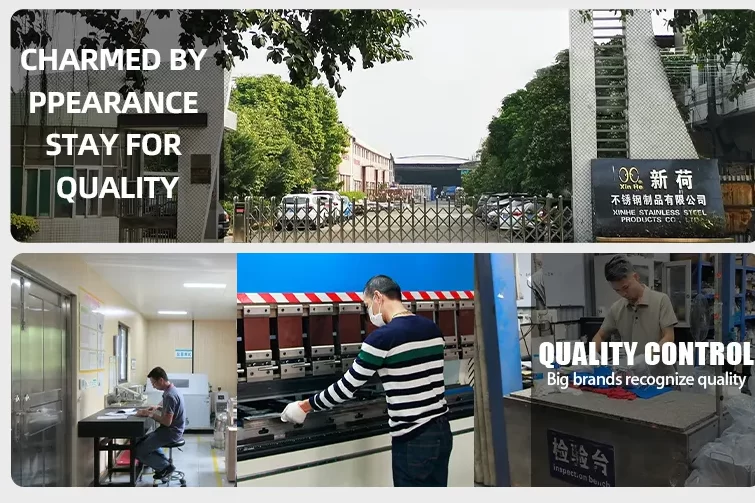
A high-quality 304 stainless steel sink, such as the professional models offered by Xinhe, can easily last 20 to 30 years with minimal maintenance. When you divide the initial cost over that multi-decade lifespan, the annual investment is negligible compared to the reliability and safety it provides to your operations.
Compliance, Safety, and Health Regulations
Installing mop sinks isn’t just a matter of convenience—it is a legal requirement in almost every commercial sector.
1. OSHA Requirements
The Occupational Safety and Health Administration (OSHA) requires employers to maintain a clean and sanitary workplace. Providing a dedicated space for cleaning waste disposal prevents cross-contamination between cleaning chemicals and areas where employees eat or work.
2. Health Department Codes
In food service and healthcare, “cross-contamination” is the primary enemy. Health inspectors require a dedicated service sink to ensure that mops are not being cleaned in the same sinks used for food prep or hand washing. Failure to have a functioning, code-compliant utility basin can result in immediate fines or closure.
3. Backflow Prevention
Regardless of which model you choose, your plumbing must include a backflow preventer. This prevents dirty mop water from being siphoned back into the building’s clean water supply if there is a sudden pressure drop in the city lines.
Which Sink for Which Business
For the Healthcare Sector
Hospitals and clinics require absolute sterilization. A high-end Xinhe model or a John Boos unit is preferred here because stainless steel is non-porous. It can be treated with medical-grade disinfectants and harsh sanitizers daily without degrading the surface, ensuring the facility stays within strict medical hygiene codes.
For Schools and Universities
In educational environments, durability and safety are the top priorities. The American Standard Fiat is a great choice for its impact resistance, while the rounded safety edges of the Xinhe stainless models are excellent for high-traffic janitor closets located near student areas, reducing the risk of accidental injury.
For Boutique Retail and Cafes
Space is usually at a premium in these settings. A wall-mounted unit from Xinhe or DuraSteel allows for additional storage underneath the sink, maximizing every square inch of the utility closet while still providing a professional-grade service sink for daily cleaning.
Final Thoughts
A mop sink might seem like a minor detail in the grand scheme of facility management. However, as any experienced professional will tell you, the quality of your tools dictates the quality of your results.
Ready to upgrade your facility?
Don’t wait for a leak or a health code violation to disrupt your business. Evaluate your current cleaning stations and consider the long-term value of a high-performance utility basin. For custom dimensions, NSF-certified options, or specific industrial requirements, reaching out to a specialized supplier can help you find a solution that fits your space like a glove.
FAQ
What makes a mop sink durable?
A mop sink is strong when made from thick stainless steel or tough polymers. These materials do not dent or stain easily. They also stand up to strong cleaning chemicals. Facility managers like sinks with rounded edges. Reinforced basins make the sink even stronger.
How often should teams clean a mop sink?
Teams need to clean mop sinks every day. This stops germs from spreading. It also keeps the sink looking nice. Rinsing the sink after each use helps stop dirt and bad smells.
Can a mop sink help meet health codes?
Yes. Mop sinks keep dirty water away from food areas. Health inspectors want to see splashbacks and good drainage. These things help businesses pass checks and keep everyone safe.
What installation type works best for small spaces?
Wall-mounted mop sinks help save floor space. They fit well in small janitor closets or kitchens. Facility managers choose these to keep walkways open and tools neat.
Does xinhe offer customization for mop sinks?
Yes. Xinhe lets you pick the size, color, and finish you want. Facility managers can ask for features that fit their space. Custom sinks help teams work faster and stay safe.