Commercial Kitchen Sink: How to Choose the Right One
Choosing a commercial kitchen sink sounds simple until the kitchen actually starts moving. Plates pile up, pots come back greasy, vegetables need washing, and someone still has to keep the prep line clean. A sink that looks fine on paper can become a daily problem if it is too shallow, too narrow, hard to clean, or not accepted by local health inspectors.
The right sink should match the work, not just the countertop. A small café, a hotel kitchen, a bakery, and a central food prep room do not wash the same things. Some need a compact hand sink near the prep area. Some need a deep mop sink for cleaning tools. Many restaurants need a three compartment sink for wash, rinse, and sanitize work. For buyers searching on Google Ads in North America or Southeast Asia, terms like “NSF commercial sink”, “restaurant kitchen sink”, and “3 compartment stainless steel sink” often point to the same basic need: a sink that fits real kitchen pressure.
Clarify What the Sink Needs to Do
Before comparing sizes or prices, start with the job. A commercial kitchen sink used mainly for rinsing vegetables does not need the same bowl depth as one used for soaking stockpots. A prep sink needs fast water flow, easy cleaning, and enough space to handle food safely. A pot-washing sink needs depth, width, and a stronger structure because heavy cookware gets dropped, dragged, and stacked inside it all day.
For light prep work, a medium stainless steel sink with a practical drain may be enough. It keeps greens, fruit, and small tools moving through the station without taking over the whole counter. For dishwashing, especially in a restaurant or catering kitchen, a three compartment sink is usually the better choice because it separates washing, rinsing, and sanitizing. That layout is not just cleaner; it keeps staff from improvising during a rush.
Large cookware changes the decision quickly. Stockpots, sheet pans, mixing bowls, fryer baskets, and hotel pans need open space. A sink that is too small forces staff to tilt items, splash water, or wash in batches. That slows the kitchen down and makes cleaning messier than it needs to be.
Common sink use cases usually fall into a few groups:
- Food prep and vegetable rinsing
- Manual dishwashing
- Pot and pan soaking
- Handwashing stations
- Bar service and glass rinsing
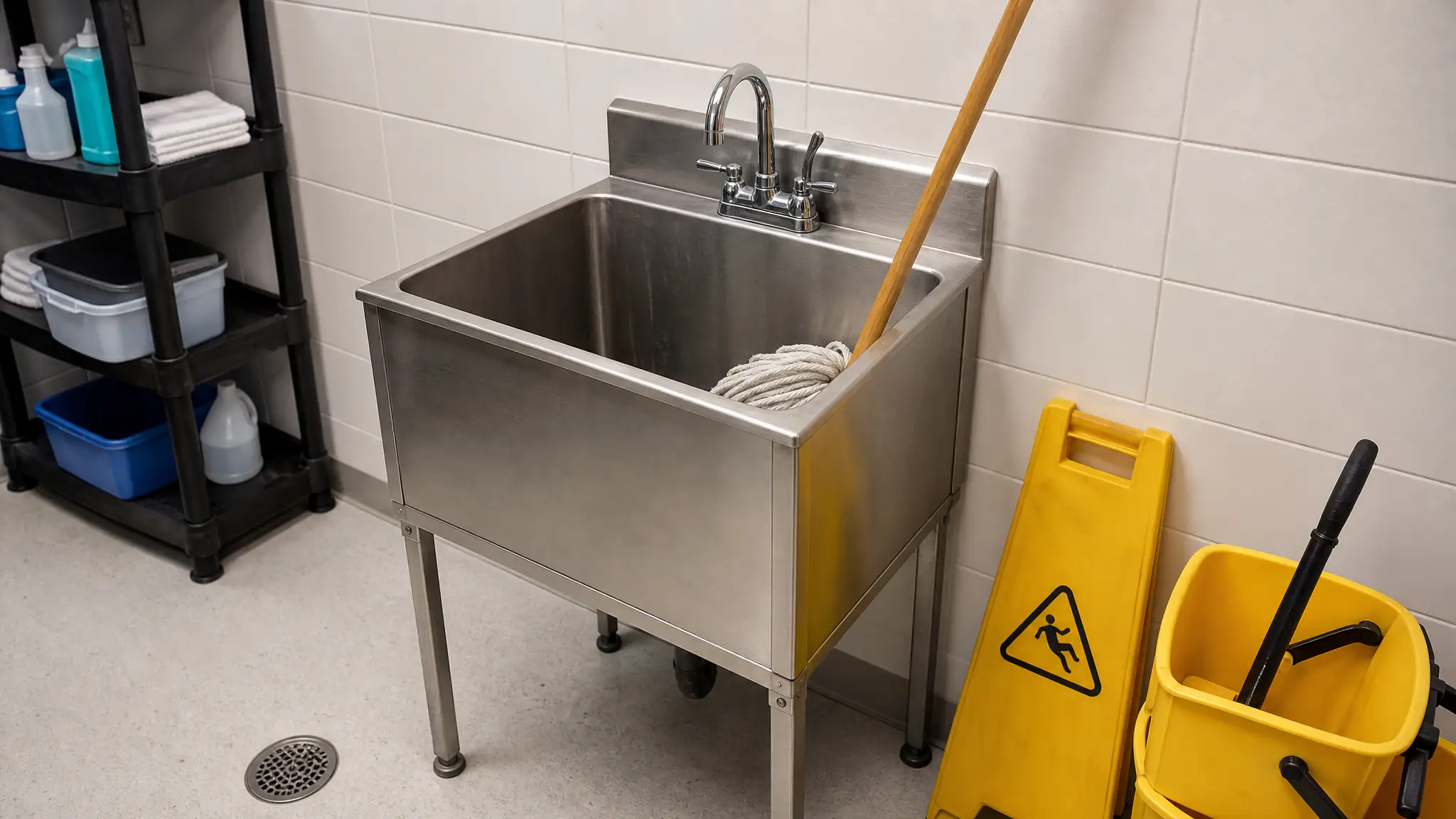
- Mop and janitorial cleaning
- Laundry or utility room use
The clearer the use, the easier the buying decision becomes.
Match the Sink to Daily Volume
A quiet coffee shop and a full-service restaurant may both need a stainless steel sink, but the workload is completely different. In a small café, a compact hand sink, bar sink, or single laundry sink can handle cups, spoons, and light prep without wasting space. In that setting, overbuying can be just as annoying as underbuying because every inch of counter space matters.
A high-volume kitchen needs more room and stronger construction. Dishes come back in waves, not neat little batches. During lunch or dinner service, a small sink can become a bottleneck. Staff wait for space, dirty pans stack up, and cleaning gets pushed behind the pace of cooking. That is where a larger commercial kitchen sink or a three compartment sink earns its place.
Volume also affects the drain, faucet, and accessories. Heavy use creates more food scraps, grease, and standing water. A weak drain setup clogs faster. A short faucet makes rinsing harder. Thin steel dents sooner. A kitchen that washes hundreds of items per day should not be set up with the same sink as a pantry corner.
When estimating volume, look at what gets washed daily, not just how many meals are served. A bakery may wash fewer plates than a restaurant but deal with large mixing bowls and sticky trays. A seafood kitchen may need aggressive rinsing and stronger odor control. A cloud kitchen may run long hours with limited space. The sink should fit that pattern.
Measure the Space Before Shopping
A sink that does not fit the room is not a bargain. Measure the available length, width, and height before choosing a model. Include the countertop, wall clearance, plumbing route, and staff movement around the area. It helps to measure the largest tray, pan, or pot used in the kitchen too. That tells whether the bowl opening is actually usable.
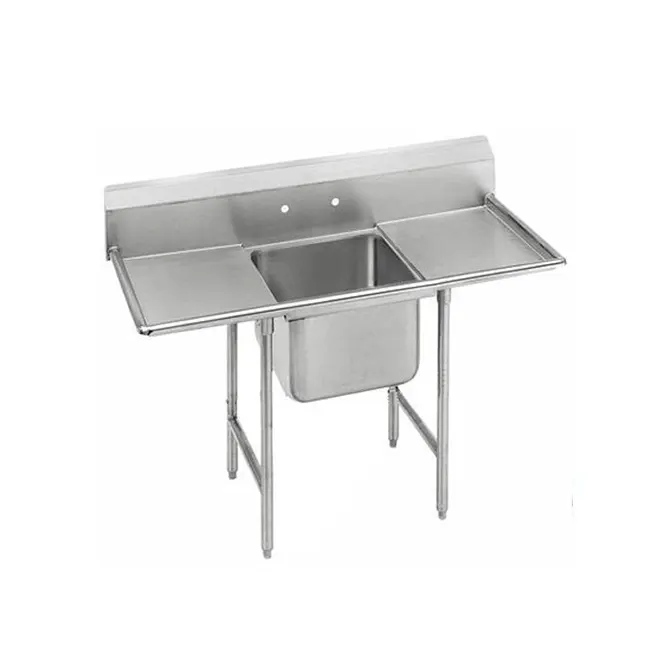
Tight counters often work better with a drop-in bar sink, compact hand sink, or single bowl stainless steel sink. These options save room and still cover basic washing tasks. A larger back-of-house kitchen may support a commercial stainless steel sink with drainboards, splash guards, or multiple bowls. In a dishwashing zone, side drainboards can make a real difference because clean and dirty items need a place to land.
Space is also about workflow. The sink should not block refrigeration doors, prep tables, dish racks, or traffic lanes. A sink placed too far from the dish return area wastes time. A hand sink tucked behind equipment may pass a floor plan but fail in daily use because staff will avoid it. Practical placement matters.
For buyers in North America, check the rough-in plumbing and local code requirements before finalizing dimensions. For many Southeast Asia restaurant kitchens, where space can be tighter, rear drainage and compact bowl layouts are often useful because they leave more storage below the sink.
Choose the Right Size and Compartment Layout
The main size question is simple: single compartment or multi-compartment. The right answer depends on the kitchen workflow.
| Sink type | Best use | Strength | Watch out for |
|---|---|---|---|
| Single compartment sink | Large pots, trays, soaking | Open bowl space | Not ideal for wash-rinse-sanitize flow |
| Two compartment sink | Light dishwashing, prep separation | More flexible than single bowl | May not meet some local codes |
| Three compartment sink | Restaurants, cafés, food service | Supports washing, rinsing, sanitizing | Needs more floor or counter space |
| Hand sink | Staff handwashing | Small and code-friendly | Not for dishes or food prep |
| Mop sink | Cleaning tools and buckets | Keeps janitorial work separate | Needs proper floor or wall placement |
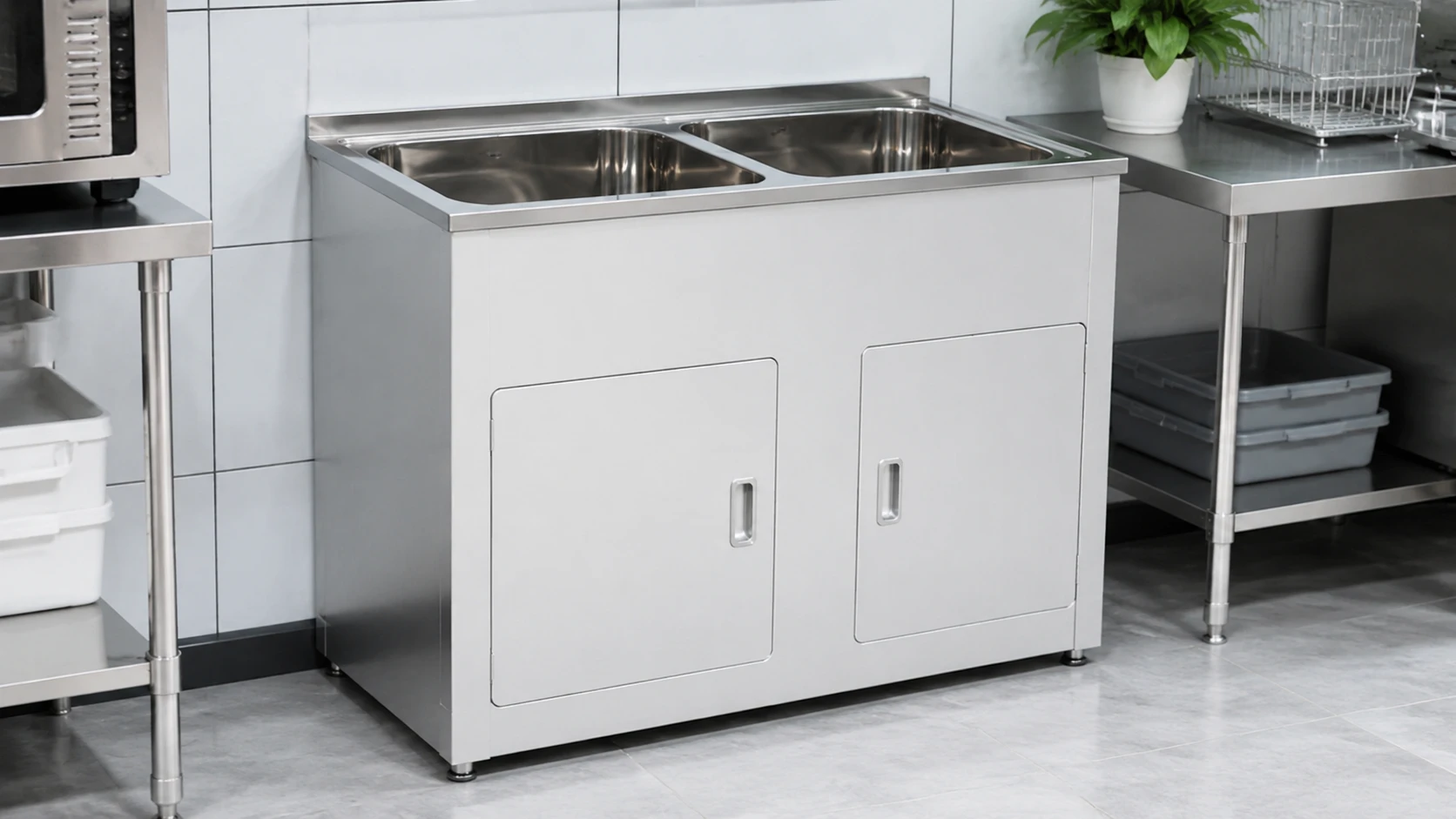
A single kitchen sink works well when the job is washing oversized items. Big bowls, baking sheets, and stockpots need open space more than separate compartments. A laundry sink can sometimes serve similar utility needs in back rooms, though food-service use may require specific certification.
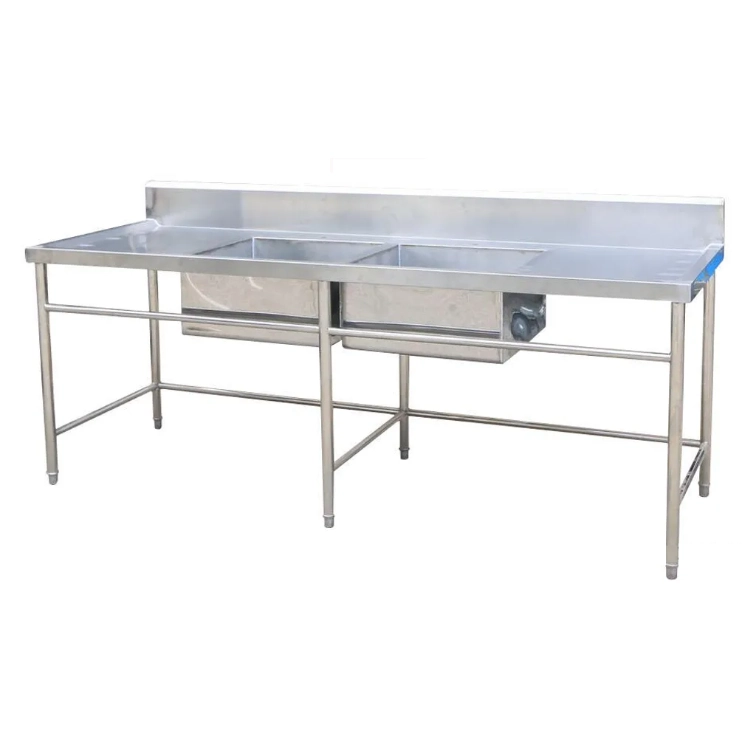
A three compartment sink is better when hygiene workflow matters. One bowl is used for washing, one for rinsing, and one for sanitizing. That clear separation keeps the process simple for staff and easier to inspect. Many restaurants, food trucks, bakeries, and catering operations use this setup because it matches health department expectations.
Depth matters as much as the number of bowls. A shallow 5 to 7 inch sink may be fine for a bar sink, hand sink, or light rinsing station. It is easier to reach into and works well for smaller items. A deeper 8 to 12 inch commercial kitchen sink is better for soaking, washing trays, and controlling splash. Go too shallow, and water ends up on the floor. Go too deep for light work, and staff may find it uncomfortable over long shifts.
Width and length should be based on the largest equipment. If baking trays are common, look for a bowl at least 22 inches wide. If large pots are part of daily cleaning, leave extra room around the bowl so staff can turn and rinse them properly. Compact sizes look tidy in product photos, but they can be frustrating once real cookware hits the sink.
Pick a Material That Can Take Daily Abuse
For commercial food service, 304 stainless steel is the usual safe choice. It resists rust, handles moisture well, and cleans quickly. A commercial stainless steel sink made from 304 stainless steel with an 18/8 or 18/10 composition is a strong fit for restaurants, hotels, canteens, bakeries, and prep kitchens. It does not need delicate care, which is exactly the point.
Gauge is the next thing to check. Stainless steel thickness works backward: the lower the number, the thicker the steel. A 16 gauge sink is tougher and better for heavy use. An 18 gauge sink is still practical for many commercial kitchens and often costs less. Very thin steel may save money at first, but dents, vibration, and noise can become daily annoyances.
A brushed finish is usually better than a mirror-polished finish. It hides small scratches, water marks, and fingerprints. In a working kitchen, that matters. Staff should be able to wipe the sink down quickly without polishing it like showroom equipment. A brushed stainless steel sink looks cleaner for longer and handles normal wear without looking beaten up too soon.
Other materials do exist, but they need caution. Cast iron is heavy and tough, but the coating can chip, and the weight makes installation harder. Composite sinks can look clean in a bar or light-use area, but they are usually not the first choice for heavy pot washing. In a restaurant sink, function should beat appearance every time.
Plan the Drainage Carefully
Drain placement is easy to overlook until the cabinet below the sink becomes unusable. A rear drain or offset drain pushes the plumbing toward the back or side, leaving more open storage below. That can be useful for cleaners, buckets, spare strainers, or small supplies. A center drain works, but it often takes up more under-sink space.
Fast drainage also keeps the bowl cleaner. Food scraps, grease, and sediment should move toward the drain instead of sitting in corners. A good strainer helps catch larger waste before it enters the pipe. This is especially useful in restaurants, bakeries, and food prep rooms where scraps build up quickly.
Splash control deserves attention too. Splash guards protect nearby walls, equipment, and staff. They are especially helpful near hand sinks, mop sinks, and high-use dishwashing stations. A side drainboard gives washed items a proper place to drip dry instead of turning the counter into a puddle.
Useful accessories include:
- Basket strainers for food scraps
- Rear or offset drains for better under-sink storage
- Side drainboards for drying dishes or tools
- Splash guards to protect walls and floors
- Wall-mounted shelves for soap, brushes, or sanitizer
- Pre-rinse faucets for large cookware
Accessories should solve real problems. A kitchen that handles greasy trays may need a strong strainer and pre-rinse faucet. A bar may need a compact drainboard. A mop sink may need a wall guard. Extra features are only valuable when they save time or reduce mess.
Choose a Faucet That Fits the Work
The faucet needs to match the sink, not just look good with it. A high-arc faucet gives more clearance for pots, buckets, and tall containers. A pull-out or pre-rinse faucet helps reach corners of large bowls and trays. In busy dishwashing areas, this can cut cleaning time because staff are not fighting the water angle all day.
A short faucet may be fine for a hand sink or small bar sink. It is not ideal for a commercial kitchen sink used for pans, trays, and deep bowls. If the faucet cannot reach the item properly, staff will rotate heavy cookware under running water, splash the floor, and waste time.
Before buying, check faucet hole spacing, mounting style, water pressure, and whether the sink supports deck-mounted or wall-mounted faucets. A strong sink with the wrong faucet setup still creates a weak station. The pieces need to work together.
Check Hygiene Standards and Local Code
A food-service sink needs to be easy to clean and acceptable to local inspectors. NSF certification is one of the most common things buyers look for, especially in North America. An NSF commercial sink gives operators more confidence that the product is designed for food-contact or food-service environments.
The exact rule depends on location and business type. Some restaurants must have a three compartment sink. Some need a separate hand sink near prep or cooking areas. Some require a mop sink for janitorial cleaning so staff do not dump dirty water into food prep sinks. Hotels, commissaries, bakeries, food trucks, and shared kitchens may all face different requirements.
Before installation, check local health department rules, plumbing codes, and fire or building requirements if they apply. Buying the sink first and asking questions later can lead to expensive changes. A few inches of missing clearance or the wrong compartment layout may force a replacement.
Cleaning design matters too. Rounded corners are easier to wipe down than sharp square corners. Smooth welded seams reduce places where food and grease can collect. A sink with dead corners may look fine when new, but grime will find those spots. In a busy kitchen, cleaning needs to be quick and repeatable, not a detailed repair job at the end of every shift.
Set a Budget Without Buying Too Cheap
Commercial sink pricing varies a lot. A basic single bowl kitchen sink or laundry sink may cost around $200 to $500. A larger three compartment sink, heavy commercial stainless steel sink, or NSF-certified restaurant sink can cost $1,000 or more, depending on size, steel thickness, accessories, and brand.
The cheaper option may be fine for light use. It may not be fine for a restaurant that runs long hours. A sink that dents, rusts, leaks, or fails inspection costs more than the price tag suggests. Downtime is expensive too. If the dishwashing area stops, the whole kitchen feels it.
A realistic budget should include:
- Sink body
- Faucet and sprayer
- Drain fittings and strainers
- Splash guards or drainboards
- Installation labor
- Plumbing changes
- Possible code upgrades
- Maintenance parts
For buyers comparing suppliers through Google Ads or product catalogs, avoid choosing only by the lowest unit price. Look at steel grade, gauge, welding quality, certification, lead time, and warranty support. A supplier that can answer technical questions is usually safer than one that only sends a price sheet.
XinHe Sink is one option for commercial kitchen sink and stainless steel sink products, especially for buyers who want a full range of restaurant, utility, and food-service sink styles. Warranty and after-sales support should be checked before ordering, because a small leak or missing part can become a big operational problem when the kitchen is already open.
Be Careful with Secondhand Sinks
A used stainless steel sink can be a good deal, especially for a startup kitchen or temporary project. Some secondhand three compartment sinks are solid, and the savings can be meaningful. Still, used equipment needs a close inspection.
Check the bowl for cracks, dents, rust spots, deep scratches, and weak welds. Look under the sink, not just at the top surface. Tap around welded areas and inspect drain openings. A small hidden crack can leak after installation, and repairs can erase the savings quickly.
Used sinks also need to match current code. An older sink may not meet local requirements for compartment size, drainboard layout, or certification. Before buying secondhand, confirm the dimensions and whether the model is acceptable for the intended food-service use.
Choose the Installation Style
Drop-in and undermount installations both have their place. A drop-in kitchen sink sits into a cutout from above. It is usually easier to install and works well in tight spaces or utility areas. The rim needs a good seal, because water sitting around the edge can damage counters over time.
An undermount sink attaches below the counter. It gives a cleaner edge, and crumbs or water can be wiped straight into the bowl. This setup can be easier to clean, but it needs stronger support and careful installation. For stainless steel tables or commercial counters, the mounting choice should match the worktop structure.
Freestanding commercial sinks are common in restaurant back-of-house areas. These may include legs, adjustable feet, backsplashes, drainboards, and multiple compartments. They are practical when the sink needs to stand as its own washing station rather than fit into a cabinet.
The sink should also connect cleanly with surrounding equipment. If it sits next to a prep table, the height should feel natural. If it is near a dishwasher, the drainboard direction matters. If it is used as a mop sink, it should be low enough for buckets and away from food prep.
Use Professional Installation
A commercial kitchen sink is not the best place to guess. A licensed plumber can make sure the water lines, drain, trap, and seals are installed correctly. Poor installation can cause leaks, slow drainage, odor, and code problems.
Professional installation is especially important for a three compartment sink, mop sink, wall-mounted hand sink, or any setup tied to local health inspection. The plumber can also confirm whether extra parts are needed, such as backflow prevention, grease handling, or specific drain fittings.
Cutting labor costs may look tempting, but a bad install usually shows up at the worst time. Leaks under a sink can damage floors, cabinets, and stored supplies. Slow drainage can shut down a station during service. A proper installation is less exciting than a low price, but it is usually the better deal.
Keep the Sink Clean and Working Longer
Stainless steel does not need complicated maintenance, but it does need regular care. Wipe the sink daily with mild soap and warm water. Rinse after cleaning, then dry the surface when possible to reduce water spots and mineral marks.
Avoid harsh acids, strong bleach, steel wool, and abrasive powders. These can damage the surface and create spots where corrosion starts. For stubborn stains, use a non-scratch pad and a cleaner made for stainless steel. Clean with the grain of the brushed finish rather than across it.
Drain maintenance matters just as much as the bowl surface. Food scraps and grease can build up quickly in commercial kitchens. Empty strainers often, flush the drain with hot water when appropriate, and schedule deeper cleaning before clogs become emergencies.
A simple maintenance routine can keep the sink in better shape:
- Remove scraps from the strainer after each busy period.
- Wash the bowl with mild cleaner at the end of the shift.
- Rinse and wipe dry to reduce stains.
- Check drains and pipes for slow flow or odors.
- Inspect seals, faucet connections, and splash guards weekly.
- Fix small leaks before they spread.
A commercial kitchen sink works hard every day. When the size, material, drainage, certification, and installation all match the kitchen, the sink becomes one of those pieces of equipment nobody has to think about. That is usually the best sign it was chosen well.
Quick Buying Checklist
Before ordering, confirm these points:
- The sink matches the main task: prep, dishwashing, pot washing, handwashing, bar use, mop use, or laundry use.
- The bowl is wide and deep enough for the largest cookware or tray.
- The layout fits the workflow, especially if a three compartment sink is required.
- The steel is 304 stainless steel, preferably 16 gauge or 18 gauge for commercial use.
- The finish is brushed, not overly polished.
- Drain placement works with the storage and plumbing below.
- Strainers, splash guards, and drainboards match the kitchen’s daily mess.
- The faucet has enough height and reach.
- NSF certification and local code requirements have been checked.
- Installation is handled by a qualified professional.
- The supplier can provide clear product details, warranty terms, and support.