One Piece vs Two Piece Toilet: What Works Best for Your Business
Managing a high-traffic commercial facility is an exercise in balancing durability with operational costs. In environments like airports, shopping malls, and healthcare centers, the restroom is often the most scrutinized area. Facility managers face a constant barrage of challenges, from plumbing clogs and mechanical failures to the unfortunate reality of vandalism. Selecting the right hardware—specifically choosing between a one piece vs two piece toilet—can dictate the maintenance budget for the next decade.
While aesthetic appeal matters, buyers prioritize structural integrity and hygiene. Selecting a commercial stainless steel toilet ensures a rust-proof, easy-to-clean solution that stands up to heavy daily use. Stainless steel has emerged as the gold standard for these demanding environments, offering a level of resilience that traditional ceramics simply cannot match. In this guide, we will dive deep into the technical and practical differences between one-piece and two-piece configurations to help you determine which setup delivers the highest return on investment.
Material Strength in Commercial Settings
When evaluating a one piece vs two piece toilet, the primary concern for a manager is “will it break?” In a high-traffic setting, a toilet isn’t just a fixture; it’s a piece of heavy-duty equipment that must withstand hundreds of uses per day. The debate over durability starts with the physical architecture of the unit and the materials used in its construction.
Structural Integrity of One-Piece vs. Two-Piece Designs
A one-piece toilet is sculpted from a single continuous block of material, meaning the tank and bowl are permanently fused. This eliminates the seam between the tank and the pedestal, which is traditionally a point of vulnerability. In high-traffic environments, a one-piece design offers a lower profile and a more “solid” feel, which can deter certain types of accidental damage.
Conversely, a two piece toilet consists of a separate tank and bowl joined by bolts and a gasket. While this might seem like a weakness, modern industrial engineering has reinforced these connection points. For B2B applications, the two-piece design offers a unique advantage: modularity. If a heavy object impacts the tank of a two-piece unit, you can often replace just the tank rather than the entire fixture. This modularity is a key factor when considering the long-term lifecycle and is part of what you should know about prison toilet construction when planning for maximum longevity in high-abuse areas.
Why Stainless Steel Outperforms Traditional Materials
In the high-traffic sector, the material is often more important than the configuration. While ceramic is common in residential homes, it is prone to cracking and chipping under heavy use or intentional abuse. This is why prison facilities choose stainless steel toilets over porcelain; they require a material that is literally unbreakable.
Stainless steel is a non-porous, high-tensile material that does not shatter. Whether you choose a one piece or a two piece model, using stainless steel provides:
- Impact Resistance: Unlike vitreous china, which can crack upon a sharp impact, stainless steel absorbs energy without fracturing.
- Corrosion Resistance: High-traffic restrooms are cleaned with aggressive chemicals. Stainless steel remains inert, preventing the “pitting” or “yellowing” seen in plastic or lower-grade metals.
- Longevity: A well-maintained stainless steel toilet can last 30 years or more, significantly outperforming ceramic alternatives in prisons, schools, and stadiums.
Comparative Performance Table
| Feature | One-Piece Stainless Steel | Two-Piece Stainless Steel | Ceramic (Vitreous China) |
|---|---|---|---|
| Impact Strength | Extreme | High (Modularity helps) | Low (Fragile) |
| Leak Risk | Near Zero (No seams) | Low (With industrial seals) | Moderate (Gasket wear) |
| Repairability | Must replace whole unit | Can replace tank or bowl | Must replace whole unit |
| Weight | Very Heavy | Manageable (Two parts) | Moderate |
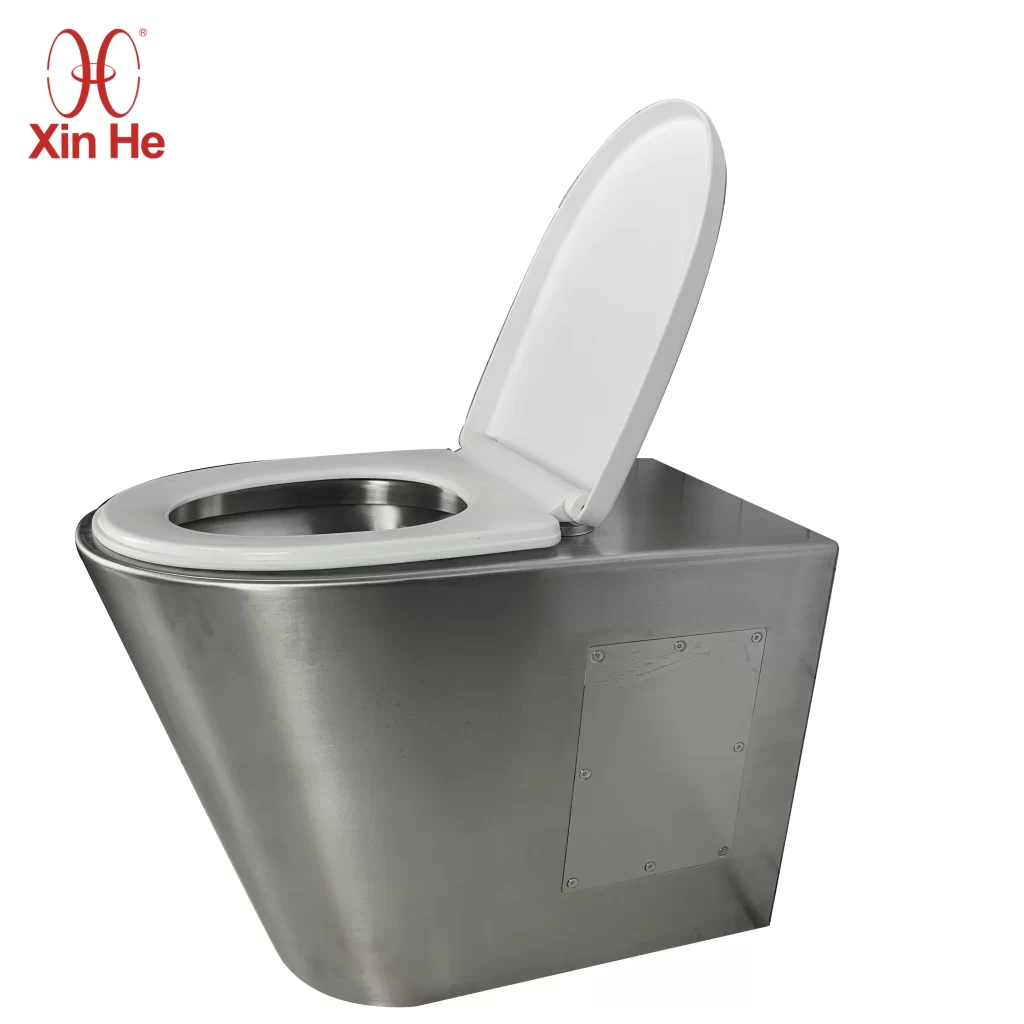
For those looking for a balance of strength and flexibility, the Xinhe Rust-Proof Two Piece Stainless Steel Toilet is engineered specifically to bridge the gap between heavy-duty performance and ease of service.
Why Seamless Design Wins the Hygiene Battle
In the world of facility management, time is money. The faster a cleaning crew can sanitize a restroom, the lower the labor costs. When comparing a one piece vs two piece toilet, the “cleanability” factor often becomes the deciding variable.
Eliminating Bacterial Harboring Points
The biggest drawback of a traditional two-piece design is the “gap” between the tank and the bowl. This crevice is a magnet for moisture, dust, and organic matter. Over time, it becomes a breeding ground for bacteria and odors that are nearly impossible to reach with a standard mop or wipe.
A one-piece toilet is inherently more hygienic because it is seamless. There are no nooks or crannies where germs can hide. However, manufacturers have developed advanced two piece toilet models that use specialized welding and flush-fit gaskets to minimize these gaps. By using a brushed finish on a modern toilet, manufacturers ensure that the surface is easy to wipe down, preventing the buildup of “biofilms” that can plague public restrooms.
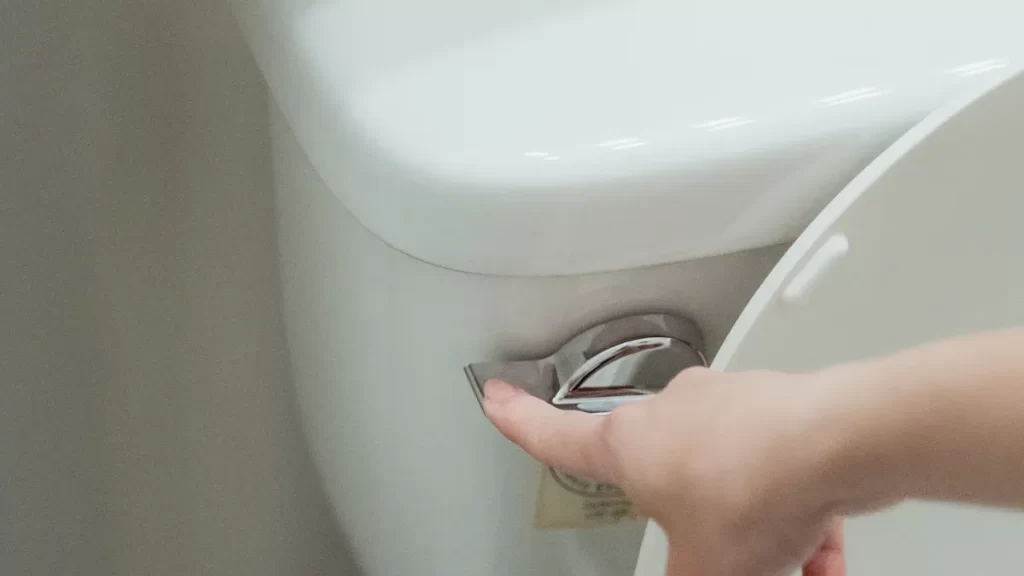
The Role of Rimless Technology
Regardless of whether you choose a one piece vs two piece toilet, the interior design of the bowl matters. Older toilets used a “rim” with small holes to distribute water. These holes frequently clogged with mineral scale and became a haven for mold.
Modern commercial toilets now feature rimless designs. This means the water is propelled around the bowl in a high-velocity “vortex,” leaving no unwashed areas. For a commercial toilet in a high-traffic area, this translates to:
- Reduced Chemical Use: A more efficient flush means less need for harsh scrubbing agents.
- Faster Turnaround: Cleaning staff can sanitize a rimless bowl in roughly 40% less time than a traditional one.
- Improved Air Quality: By eliminating hidden bacteria, the restroom stays smelling fresher for longer.
Vandal Resistance and Public Safety
In public parks, transit hubs, and correctional facilities, “cleaning” often involves removing graffiti or repairing damage from vandalism. A jail toilet or a high-traffic public toilet must be designed so that parts cannot be easily removed or used as weapons.
The two-piece design, if not properly reinforced, could potentially have its tank lid removed. However, industrial-grade stainless steel models use tamper-proof bolts to lock the tank to the bowl and secure the lid. This makes a two piece toilet just as secure as a one-piece unit in most commercial scenarios, provided the hardware is spec’d correctly.
Expert Tip: When choosing a toilet for high-traffic or high-risk areas, look for a “satin finish.” Unlike a mirror finish, a satin or brushed finish hides fingerprints and small scratches, keeping the commercial toilet looking professional even after years of heavy use.
Installation Logistics and Plumbing Compatibility
A common mistake in large procurement is focusing solely on the unit price while ignoring the “landed cost” and installation labor. The logistical differences between a one piece vs two piece toilet can impact your project timeline and budget significantly.
Weight, Handling, and Breakage
A one-piece stainless steel toilet is a heavy, singular object. Moving a 60lb to 80lb metal fixture into a tight bathroom stall requires more physical effort and, in some cases, two people to ensure it is aligned correctly with the floor flange. If a one-piece unit is dropped during installation, the entire investment is at risk.
A two piece toilet is shipped in two separate boxes. This makes it significantly easier for a single plumber to carry the components up stairs or navigate through narrow hallways in an old building. The ability to mount the bowl first and then attach the tank allows for much more precise alignment, reducing the risk of a faulty seal at the wax ring.
Retrofitting and Universal Standards
In renovation projects, you are often limited by existing plumbing. Most high-traffic spaces use standard 12-inch “rough-ins.” Fortunately, both one-piece and two-piece stainless steel models are designed to fit these standard footprints.
However, if you are looking to upgrade to a wall mounted toilet or a wall hung toilet, the two-piece configuration offers more flexibility. In many B2B environments, the “tank” is actually hidden behind a wall (an in-wall cistern), while the bowl is the only visible component. This wall mount toilet setup is the ultimate space-saver and makes floor mopping much easier. If your facility has a floor-drain system, a floor mounted toilet in a two-piece design is generally the most cost-effective and easiest to install.
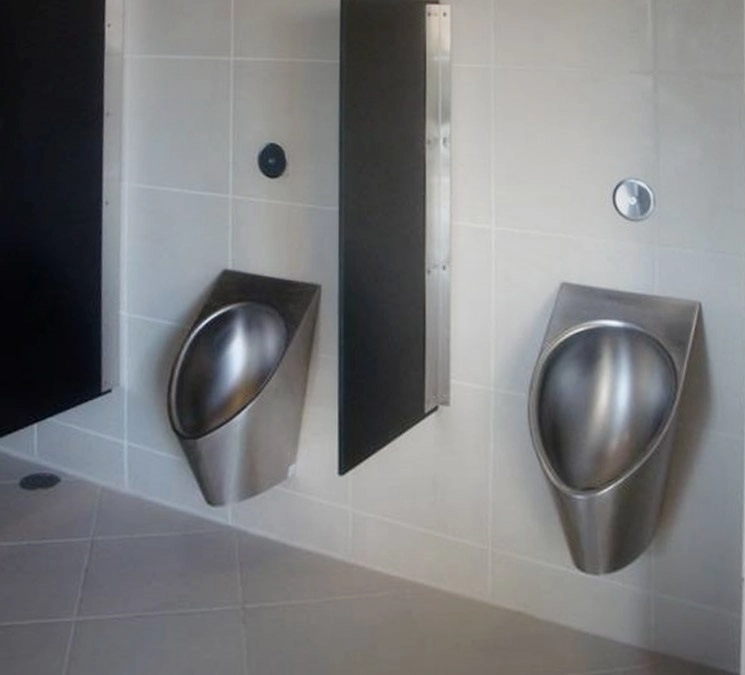
Water Consumption and Environmental Compliance
Sustainability is no longer optional in commercial construction. When debating one piece vs two piece toilet options, look closely at the flushing mechanism.
- Dual-Flush Systems: Many two-piece models now feature dual-flush technology, allowing users to choose a 0.8-gallon flush for liquids or a 1.28-gallon flush for solids.
- Pressure-Assisted Flushing: In high-traffic areas, “gravity” isn’t always enough. Pressure-assisted systems use compressed air to blast water into the bowl, virtually eliminating clogs.
- ADA Compliant Toilets: It is vital that the chosen model meets the height requirements set by the Americans with Disabilities Act. A comfort height toilet (usually 17-19 inches from floor to seat) is a requirement for most public restrooms to ensure accessibility for all users.
Cost-Benefit Analysis
The “cheapest” option is rarely the most economical. To truly understand the value of a one piece vs two piece toilet, we must look at the Total Cost of Ownership over a 10-year period.
Initial Purchase and Shipping
Generally, a two piece toilet is less expensive to manufacture and ship than a one-piece unit. Because the components can be boxed separately, they take up less volume in a shipping container, which lowers the per-unit freight cost—a major factor for large-scale developments.
| Expense Category | One-Piece (Stainless) | Two-Piece (Stainless) |
|---|---|---|
| Unit Cost | $400 – $800 | $250 – $600 |
| Shipping Cost | High (Bulky) | Moderate (Stackable) |
| Labor (Install) | Moderate (Needs 2 people) | Low (1 person) |
| Repair Cost | High (Replace whole unit) | Low (Replace parts) |
Long-Term Maintenance Savings
This is where the one piece vs two piece toilet debate gets interesting. While a one-piece unit has fewer gaskets to replace, a two-piece unit allows for “targeted repairs.”
- Leak Prevention: Modern gaskets are made from synthetic polymers that last for decades. The fear of a “leaky tank-to-bowl seal” is largely a thing of the past in commercial-grade hardware.
- Vandalism Costs: If a vandal manages to damage the flush lever or the tank lid in a public restroom, replacing those individual parts on a two-piece stainless steel toilet costs a fraction of what it would to replace an entire molded one-piece unit.
- Water Bills: High-efficiency commercial toilets can save a facility thousands of dollars a year in water costs. For instance, replacing a 3.5-gallon-per-flush (GPF) toilet with a 1.28 GPF model in a stadium can pay for itself in less than two years.
User Experience, Compliance, and Specialized Applications
A restroom is more than just a functional space; it is a reflection of the organization. Whether you are outfitting an airport or a small restaurant, the user experience matters. When choosing between a one piece vs two piece toilet, you must consider the demographics of your users and the specific constraints of the space.
Space Efficiency in Tight Restrooms
In metropolitan areas where real estate is expensive, every square inch counts.
- Compact Toilet Designs: One-piece toilets often have a shorter “depth” (the distance from the wall to the front of the bowl), making them ideal for small stalls.
- Round vs. Elongated Bowls: A round toilet saves space, but an elongated toilet is generally considered more comfortable and hygienic for adult users. Most commercial codes now mandate elongated bowls for public use.
- Wall Hung Options: A wall hung toilet is the ultimate space-saver. By moving the tank inside the wall, you can save up to 10 inches of floor space, allowing for more stalls in a smaller footprint.
Special Environments: Jails, Schools, and Hospitals
Different high-traffic spaces have vastly different needs:
- Correctional Facilities: Here, safety is the only priority. A jail toilet must be made of thick-gauge stainless steel, usually with an integrated toilet with sink on top to save space and prevent tampering with plumbing lines.
- Hospitals: Hygiene is king. A stainless steel toilet with a non-porous surface prevents the growth of MRSA and other hospital-acquired infections. The seamless look of a one-piece or a high-quality two-piece is essential for infection control.
- Public Schools: Durability is tested daily by students. A robust two piece toilet with a locked tank lid is often the most practical choice, as it allows maintenance staff to quickly fix clogs caused by foreign objects.
ADA Compliance and Universal Design
Every B2B project must adhere to ada compliant toilets standards. This includes:
- Seat Height: Must be between 17 and 19 inches.
- Flush Valve Position: Must be on the “open” side of the stall for easy access.
- Clearance: There must be enough space around the ada toilet for a wheelchair to maneuver.
- Sensors: In many high-traffic areas, a sensor flush system is preferred to improve hygiene and ensure the toilet is always flushed after use.
Conclusion: Making the Final Choice
The decision between a one piece vs two piece toilet ultimately depends on your facility’s specific priorities.
- Choose a One-Piece Toilet if: Your primary goal is maximum hygiene with zero crevices, you have a higher upfront budget, and you want a sleek, modern aesthetic for a high-end commercial space.
- Choose a Two-Piece Toilet if: You are managing a large-scale project where shipping costs and installation speed are critical, you want the flexibility of modular repairs, and you need a cost-effective, durable solution that still meets high-traffic standards.
In the world of B2B stainless steel fixtures, the two piece toilet remains a favorite for its balance of performance and practicality. Brands like Xinhe continue to innovate, proving that you don’t have to sacrifice strength for the sake of convenience.
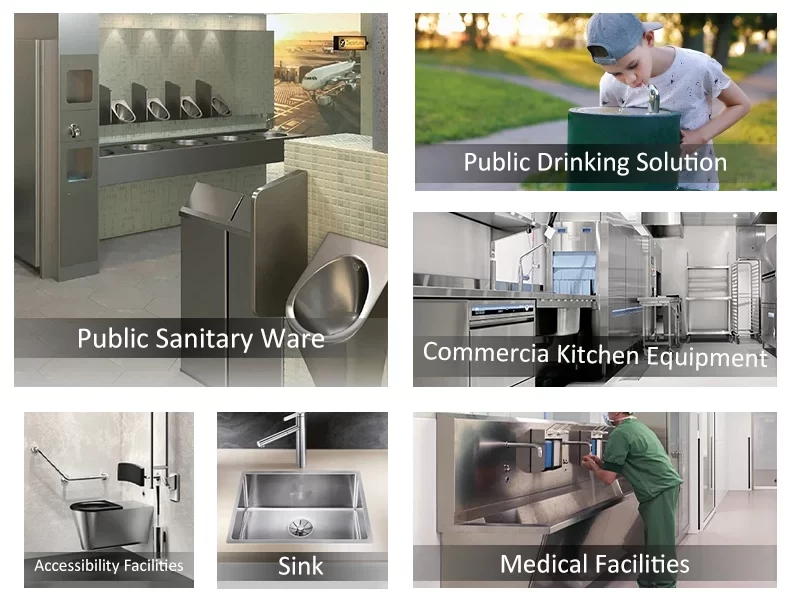
By prioritizing Grade 304 stainless steel, ensuring ADA compliance, and selecting a design that matches your maintenance capabilities, you can turn your high-traffic restrooms from a liability into a low-maintenance asset. Explore the full range of heavy-duty restroom solutions and see how a precision-engineered stainless steel toilet can reduce your overhead today.
FAQs
What makes stainless steel toilets better for high-traffic restrooms?
Stainless steel toilets do not rust or stain. They can take lots of use and strong cleaning. Facility managers like them because they last a long time. These toilets do not break easily and need fewer repairs.
Are two piece toilets harder to clean than one piece toilets?
Not always. New two piece stainless steel toilets have smooth seams. Cleaning crews can wipe them fast. There are not many places for dirt or germs to hide.
Can these toilets fit in any commercial restroom?
Yes. Most stainless steel toilets work with normal plumbing. Many models come in different sizes and finishes. Facility managers can pick what fits their restroom best.
Do stainless steel toilets meet ADA requirements?
Many stainless steel toilets are made to follow ADA rules. They have the right height and shape for easy use. This helps everyone use the restroom safely and with comfort.