Home > Blog > Public Products >
Chemical Storage Base Cabinets in Stainless Steel for Labs or Industrial Use
Laboratories, hospitals, pharmacies, cleanrooms, and industrial facilities are rougher on storage furniture than they look on paper. Cabinets in these spaces may sit near moisture, cleaning chemicals, reagents, disinfectants, tools, sample containers, or heavy daily traffic. A light-duty cabinet can look fine during installation and still become a headache six months later.
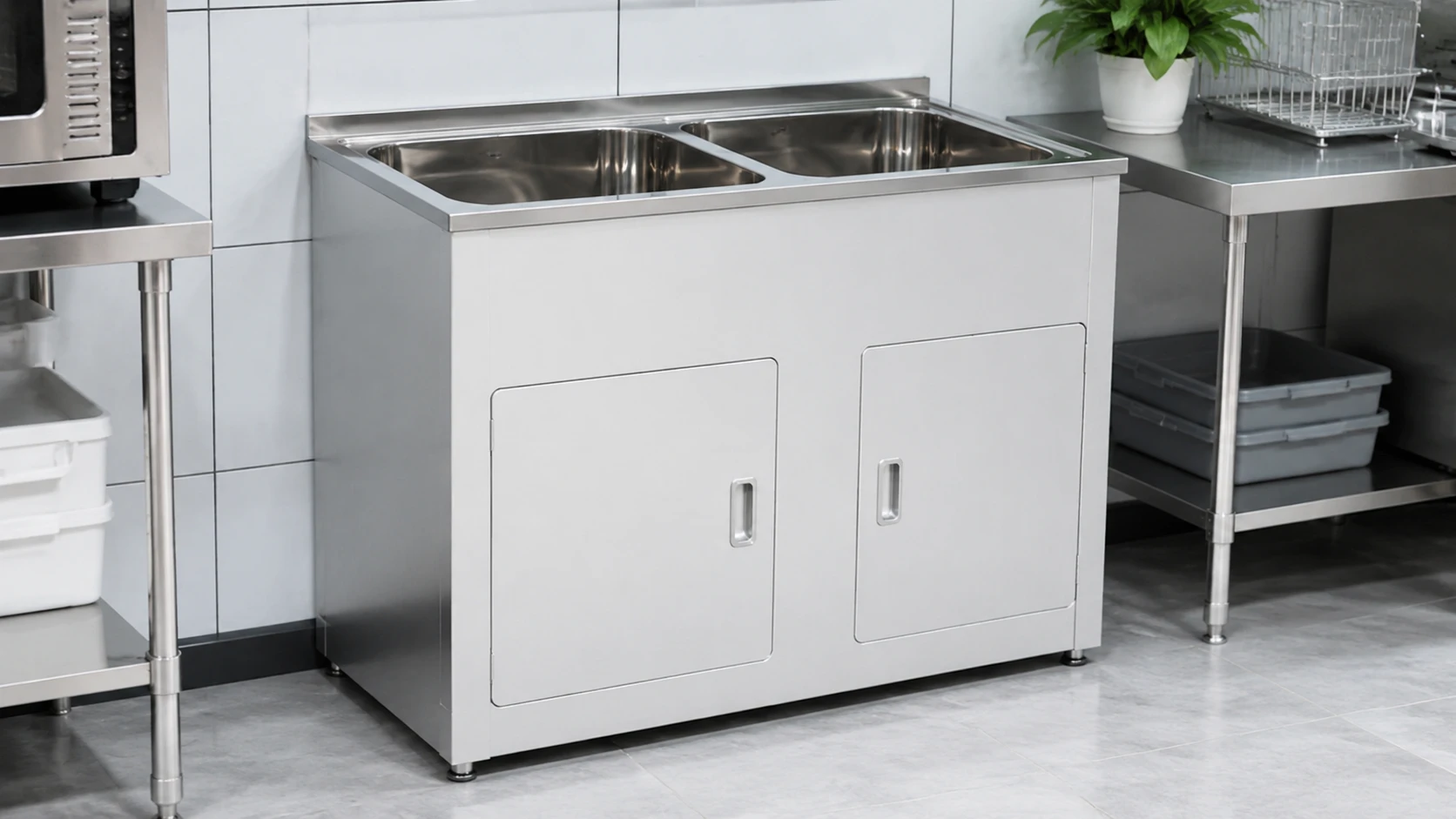
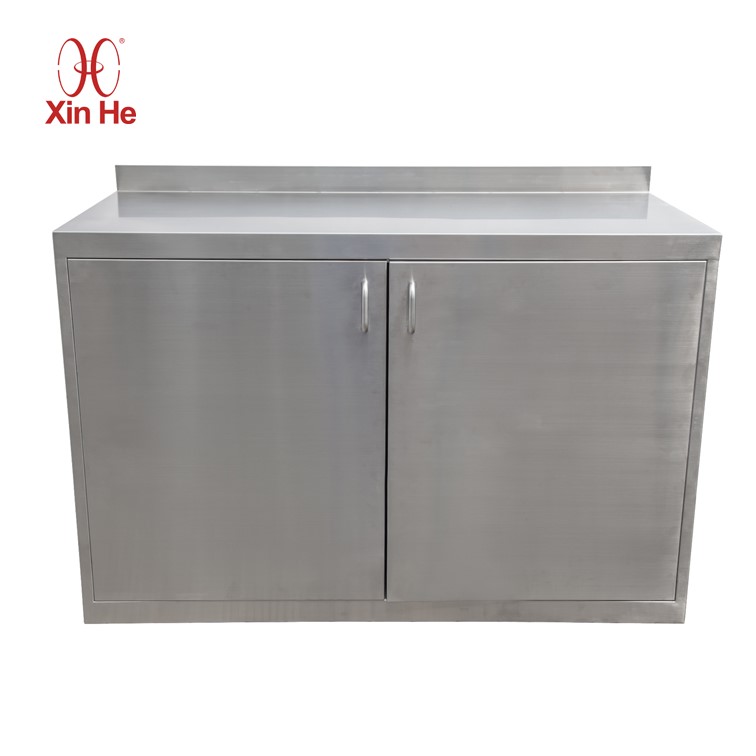
That is why many buyers compare stainless steel storage cabinets when planning lab furniture, medical work areas, pharmacy back rooms, or industrial testing zones. For buyers looking at under-counter options, Xinhe’s stainless steel chemical storage base cabinet gives project teams a practical stainless steel option for demanding storage environments.
A chemical storage base cabinet is usually a small part of a larger room plan. Still, it affects more than storage capacity. It affects how staff reach supplies, how easily the room can be cleaned, how well the cabinet fits under a bench, and whether the installation will hold up after years of wiping, loading, and daily use.
Why Stainless Steel Is Used in Demanding Rooms
In clean, wet, or chemical-related spaces, a cabinet is not just furniture. It becomes part of the working area. A laboratory storage cabinet may hold reagents, glassware, sample containers, gloves, small tools, or cleaning supplies. A medical storage cabinet may be opened dozens of times a day and wiped down just as often. In an industrial testing room, the cabinet may sit near equipment, oils, moisture, or corrosive residues.
Wood cabinets, painted steel cabinets, and low-grade metal units still have their place. A dry office store room does not need the same cabinet as a hospital utility area. The problem starts when buyers treat every storage cabinet as if the environment were the same.
In higher-risk spaces, ordinary materials can run into familiar problems:
- Wood may swell, stain, or absorb moisture.
- Painted steel can chip, especially around doors and edges.
- Poorly finished corners can trap dirt.
- Low-grade metal may corrode faster than expected.
- Weak hinges and thin shelves may fail under repeated use.
This is where stainless steel storage cabinets make sense. Stainless steel has a non-porous surface, handles frequent cleaning better, and works well in rooms where durability and hygiene matter. A corrosion resistant storage cabinet will not solve every site problem, but it can reduce the most common maintenance complaints.
For North American buyers or Southeast Asian distributors, the real question is not whether stainless steel is stronger in general. The better question is whether the cabinet matches the room, the cleaning routine, and the items being stored.
Where These Cabinets Are Usually Specified
The same cabinet shell may look suitable for several projects, but the buying logic changes by room type. A hospital buyer does not think like a school lab contractor. A pharmacy does not have the same priorities as an industrial maintenance zone.
Laboratories
In laboratories, stainless steel lab cabinets are often installed below benches or next to workstations. They may be used for reagent storage, glassware, sample bottles, hand tools, PPE, or cleaning materials.
A good laboratory cabinet should be checked against the actual bench layout. Height, depth, door swing, shelf placement, and pipe clearance all matter. This sounds basic, but it is where many project mistakes begin. A cabinet that looks right in a quotation can still hit a pipe, block a door, or leave no room for staff to work comfortably.
For lab projects, buyers usually ask about:
- 304 stainless steel or 316 stainless steel
- Under-counter cabinet dimensions
- Adjustable shelving
- Lockable doors
- Weld quality and edge finishing
- Surface finish for routine cleaning
- Export packing for site delivery
Hospitals and Clinical Areas
Hospital storage cabinets need to support fast access and frequent cleaning. In clinical areas, surfaces are touched constantly. The cabinet may hold gloves, dressings, cleaning supplies, instruments, or support items for daily procedures.
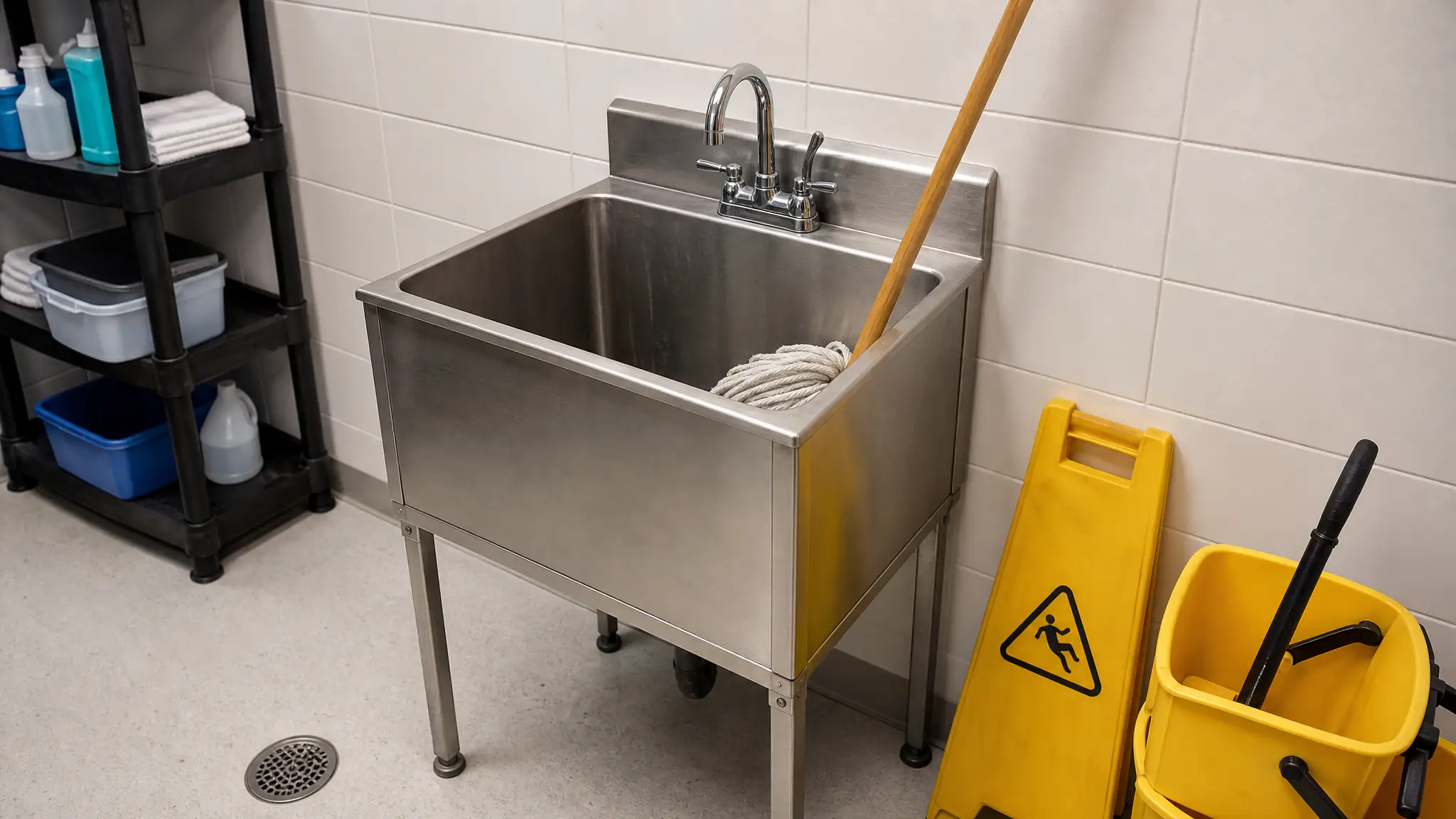
In medical rooms, stainless steel cabinets are often planned alongside other washable fixtures. For example, a stainless steel scrub sink for medical areas may be used near treatment, preparation, or hygiene spaces. The point is simple: the more often an area is cleaned, the less patience staff have for surfaces that stain, chip, or trap dirt.
A medical cabinet does not need to look complicated. It needs to be easy to clean, easy to open, and strong enough for repeated use.
Pharmacies and Cleanrooms
Pharmacy storage cabinets and cleanroom storage cabinets are usually judged by surface quality, dust control, and organization. Buyers may ask for smooth panels, simple shelf layouts, minimal gaps, and clean internal corners.
A hairline brushed finish is common because it gives the cabinet a clean appearance and holds up better under normal handling than many decorative finishes. For cleanroom furniture, buyers should pay close attention to welds, handles, hinges, shelf supports, and any hard-to-clean areas.
This is where small details become expensive later. A tiny ledge that collects dust may not seem important during purchasing. In a cleanroom or pharmacy support area, it can become part of the daily cleaning burden.
Industrial Testing and Maintenance Rooms
Industrial storage cabinets are used in workshops, production support rooms, inspection areas, and testing zones. These rooms can be hard on furniture. Cabinets may face moisture, tools, oils, cleaning chemicals, or constant opening and closing.
An industrial storage cabinet should be reviewed for:
- Sheet thickness
- Shelf load
- Door strength
- Hinge quality
- Base stability
- Corrosion resistance
- Packaging protection during shipping
For importers and distributors, these details affect more than one order. If cabinets arrive bent, shelves feel weak, or doors sag after use, the customer does not blame the specification sheet. They blame the supplier.
Schools and Training Labs
Schools and universities need cabinets that can survive inconsistent use. Students are rarely gentle with lab furniture. Doors get pulled hard. Shelves are overloaded. Cleaning is not always perfect.
A stainless steel base cabinet can be a sensible choice for school laboratories because it is easier to maintain than many wood or coated materials. It also gives facility teams a longer service life when the room is used by different groups over many years.
What Buyers Should Check Before Ordering
Before selecting a stainless storage cabinet, buyers should define the room first. A dry storage room, wet lab, hospital utility room, pharmacy back area, and industrial inspection space should not all receive the same cabinet specification.
Material Grade
304 stainless steel is widely used for general laboratory, medical, and industrial environments. It works well where the cabinet needs good corrosion resistance, cleanability, and long-term use.
316 stainless steel may be worth discussing when the cabinet will face more aggressive corrosion risks, such as certain chemical-related workflows, coastal environments, or harsher cleaning conditions. It costs more, so it should be specified for a reason.
A quick way to narrow the choice:
| Project condition | Common material direction |
|---|---|
| General lab or medical storage | 304 stainless steel cabinet |
| Frequent moisture and cleaning | 304 stainless steel, reviewed by use case |
| Coastal or stronger corrosion risk | 316 stainless steel cabinet |
| Light dry storage | 304 may be enough, depending on budget |
| Chemical-related storage | Confirm material and local requirements first |
The cheapest cabinet is rarely cheap if it has to be replaced early.
Sheet Thickness and Structure
Thickness affects how the cabinet feels in use. Thin panels may flex. Weak shelves may bend. Poorly supported doors may become noisy or loose after repeated opening.
For project work, buyers often discuss 1.2 mm or 1.5 mm stainless steel, depending on the cabinet size and use. The door panel, side panels, base, shelf supports, and welded areas should all be reviewed. A light medical supply cabinet does not need the same structure as a tool cabinet in an industrial testing room, but both need a realistic specification.
Installation Type
An under-counter storage cabinet works well below a workbench, laboratory bench, medical lab workstation, or pharmacy counter. A freestanding cabinet may be better when the layout needs more flexibility.
Before production, buyers should confirm:
- Cabinet width, depth, and height
- Workbench or counter height
- Door opening direction
- Shelf layout
- Floor leveling conditions
- Wall, pipe, or service conflicts
- Packing size and site handling route
These are not glamorous details. They are the details that stop installation delays.
Finish and Cleaning
A hairline brushed finish is often chosen for stainless steel cabinets because it looks clean without being overly decorative. More importantly, the finish should support daily cleaning.
For hospitals, cleanrooms, and laboratories, buyers should check whether staff can wipe handles, hinges, shelf corners, and internal surfaces without fighting the cabinet design. An easy to clean stainless steel cabinet saves time every day. That matters more than a brochure photo.
Chemical Storage Needs
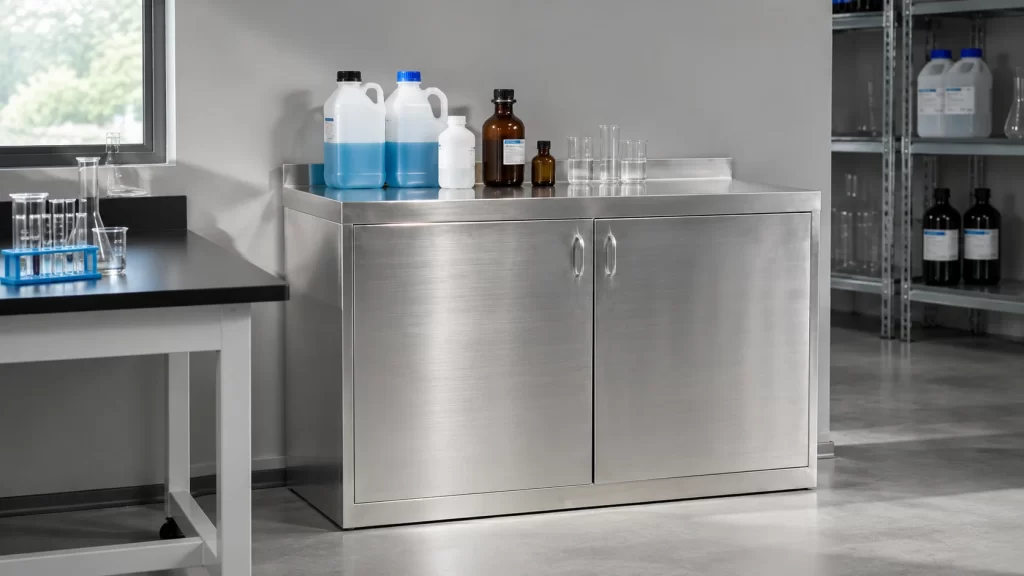
A chemical storage base cabinet is useful when a team needs organized storage close to the working area. It may sit below a lab bench, beside a testing workstation, inside a pharmacy support room, or near an industrial inspection table.
Depending on the project, it may be used for:
- Reagent storage
- Cleaning supplies
- Lab tools
- Sample containers
- Clinical accessories
- Non-regulated chemical-related items
- Small equipment used near a workstation
There is one point buyers should not skip. A chemical storage cabinet is not automatically suitable for every chemical. Flammable liquids, strong acids, hazardous materials, and regulated substances may require special safety cabinets, labeling, ventilation, separation, or local compliance review.
That language may sound cautious, but it is the honest way to specify these products. Unless a cabinet has clear certification for a regulated use, it should not be sold as fireproof, explosion-proof, or fully compliant for hazardous chemical storage.
For a safer sourcing process, define the storage purpose first:
- What will be stored inside?
- Will the cabinet sit near moisture or cleaning chemicals?
- Are any stored materials regulated locally?
- Does the project require locks, vents, trays, or special separation?
- Will the cabinet be under-counter or freestanding?
- Is 304 stainless steel enough, or should 316 be reviewed?
Once those answers are clear, the supplier can recommend a more practical cabinet structure.
Hygiene and Long-Term Maintenance
A major reason buyers choose stainless steel storage cabinets is hygiene. Stainless steel has a non-porous surface, so it does not absorb moisture the way porous materials can. It also handles routine wiping better than many coated surfaces.
Bacteriostatic stainless steel is valued in medical cabinet, laboratory, and cleanroom furniture applications because it supports cleaner working conditions when proper cleaning procedures are followed. The material does not replace cleaning discipline. Nothing does. But it gives staff a surface that is easier to maintain over years of use.
In healthcare support areas, storage cabinets may be part of a wider stainless steel setup. A sluice sink for healthcare utility rooms may be specified where cleaning, disposal, or back-of-house tasks need washable fixtures. In these rooms, stainless steel is often chosen because maintenance staff know what they are dealing with: wipeable surfaces, strong construction, and fewer fragile finishes.
Before ordering, buyers should ask plain questions:
- Which disinfectants will be used?
- How often will the cabinet be cleaned?
- Is standing water possible?
- Will staff need removable shelves?
- Are there internal corners that are hard to reach?
- Will the cabinet sit near a sink, bench, or chemical area?
A cabinet that is easy to clean on day one should still be easy to clean after years of use.
Customization for Project Orders
For contractors, distributors, importers, and facility buyers, customization is often the difference between a cabinet that fits and one that creates work on site. Standard sizes are useful, but many lab and medical projects need custom stainless steel storage cabinets because benches, walls, and service lines are already fixed.
A custom stainless steel storage cabinet may need a different width, depth, height, door style, shelf layout, or under-counter clearance. It may also need special packaging for sea freight, batch labeling, or repeat-order consistency.
Buyers working with an OEM stainless steel cabinet or ODM cabinet manufacturer should prepare clear specifications before asking for a final price. A rough message that says “send cabinet quote” usually leads to a rough quote. Better information leads to a better recommendation.
Useful details include:
| Item to confirm | Why it matters |
|---|---|
| Application room | Lab, hospital, pharmacy, cleanroom, or industrial site |
| Cabinet size | Prevents installation conflicts |
| Material grade | Matches corrosion and cleaning needs |
| Door design | Affects access and workflow |
| Internal shelves | Controls storage flexibility |
| Surface finish | Affects cleaning and appearance |
| Packing method | Reduces shipping damage |
| Repeat order needs | Keeps future batches consistent |
Buyers comparing broader stainless steel cabinet solutions should look for a manufacturer that can hold dimensions, communicate clearly, and adjust production details without turning every small change into a problem.
Share cabinet size, storage purpose, and installation environment to get a practical stainless steel cabinet recommendation.
Mistakes That Cause Sourcing Problems
One common mistake is treating all stainless steel storage cabinets as the same product. A cabinet for a dry archive room is not the same as one for a wet lab or hospital utility space. They may share the same shape, but their working life will be very different.
Another mistake is buying a laboratory storage cabinet before checking the bench height, door swing, or pipe location. This is the kind of issue that does not show up in a catalogue. It shows up when the installer is already on site.
A third mistake is using a general chemical storage cabinet for materials that require special local compliance. Some items may need a certified safety cabinet, separate storage, ventilation, warning labels, spill trays, or other controls. Buyers should confirm this before placing the order, not after delivery.
Other problems seen in project sourcing include:
- Choosing only by unit price
- Ignoring stainless steel grade
- Forgetting to confirm sheet thickness
- Assuming all shelves carry the same load
- Overlooking cleaning chemicals
- Using standard sizes for a non-standard room
- Not checking export packing
- Mixing too many cabinet designs in one project
For industrial storage cabinets, these mistakes can lead to damaged goods, installation delays, and complaints from end users. A careful specification process is slower at the beginning, but it usually saves time later.
When Stainless Steel Beats Painted Steel or Wood
Wood storage cabinets and painted steel cabinets are not bad materials. They are simply better suited to different environments. Wood can work in dry offices, staff rooms, and light storage spaces. Painted steel can work for general storage where cleaning is mild and corrosion risk is low.
Stainless steel is the better fit when the area has moisture, disinfectants, cleaning chemicals, lab workflows, clinical routines, or industrial handling. A corrosion resistant storage cabinet is easier to justify when replacement cost, hygiene, and daily maintenance are part of the buying decision.
The difference becomes obvious in high-use rooms. Painted steel may look good at first, but once the coating chips, the exposed surface becomes more vulnerable. Wood may be cost-effective in a dry room, but it is less suitable for wet, chemical-related, or high-disinfection spaces.
This topic should also be separated from commercial kitchen storage planning. Kitchen storage is about foodservice workflow, utensils, and back-of-house space. This article is about laboratories, hospitals, cleanrooms, pharmacies, and industrial facilities where hygiene, corrosion resistance, and chemical-related storage are the main concerns.
Specification Checklist for Buyers
A clear checklist makes supplier communication easier. It also reduces the chance of vague quotations that look cheap but leave too many questions open.
Project Details to Confirm
- Application area: laboratory, hospital, pharmacy, cleanroom, school lab, or industrial facility
- Storage purpose: reagents, tools, medical supplies, cleaning materials, samples, or equipment
- Material grade: 304 stainless steel or 316 stainless steel
- Cabinet type: under-counter cabinet, freestanding cabinet, or workstation-integrated cabinet
- Dimensions: width, depth, height, and site clearance
- Internal layout: adjustable shelving, fixed shelves, drawers, or open compartments
- Door requirements: lockable doors, swing doors, sliding doors, or soft-close options
- Surface finish: hairline brushed finish, smooth edges, and easy-clean details
- Cleaning routine: disinfectants, cleaning frequency, and moisture exposure
- Compliance needs: whether stored materials require local safety review
- Packaging: export carton, pallet, labeling, and batch shipment requirements
For distributors, this checklist also helps with repeat orders. If the first project is documented properly, the next batch is easier to reproduce.
Final Buying Note
Choosing stainless steel storage cabinets is not only about how much the cabinet can hold. For laboratories, hospitals, cleanrooms, pharmacies, and industrial facilities, the better question is whether the cabinet fits the room, the cleaning routine, the installation space, and the expected working life.
Before placing an order, buyers should confirm material grade, cabinet dimensions, surface finish, internal layout, and any chemical-related storage requirements with the supplier. A clear specification at the beginning can prevent installation trouble and reduce maintenance complaints later.
For buyers sourcing a wider range of stainless steel public products, cabinet selection should be part of the facility plan rather than a last-minute furniture purchase. Contact Xinhe to discuss stainless steel storage cabinet specifications for your lab, medical, cleanroom, or industrial facility project.