Stainless Steel Floor Drain Selection Guide: Commercial Kitchens & Utility Areas
In a high-pressure commercial kitchen or industrial utility area, drainage is often ignored until it becomes a problem. For project contractors, facility managers, importers, and wholesale distributors, choosing the right stainless steel floor drain affects hygiene routines, drainage efficiency, odor control, installation quality, and long-term maintenance cost. Unlike residential spaces, commercial environments deal with hot water, grease, food waste, cleaning chemicals, heavy foot traffic, and frequent floor washdowns.
Why Stainless Steel Matters
Commercial kitchens, hotel back-of-house areas, and foodservice facilities place unusual stress on drainage systems. Floors are cleaned several times a day, wastewater can contain grease and food residue, and the surrounding area may be exposed to alkaline detergents, organic acids, and temperature changes. In these conditions, a basic drain can quickly become a maintenance weak point.
A stainless steel floor drain is commonly preferred because it combines corrosion resistance, stable structure, and easier cleaning. For a restaurant kitchen or hotel kitchen, these qualities are not cosmetic. They help reduce the risk of deformation, surface deterioration, trapped residue, and premature replacement.
Buyers should still look beyond the phrase “stainless steel.” A reliable commercial floor drain depends on material grade, sheet thickness, weld quality, grate design, outlet compatibility, and whether the internal structure is easy to clean during daily operation. A polished product photo is not enough. The better question is whether the drain can handle the actual cleaning routine, waste profile, and traffic level of the project.
For buyers comparing options, a well-designed commercial floor drain should support drainage speed, hygiene access, and practical maintenance rather than simply meeting a size requirement on paper.
Where It Is Used
Different areas within a facility place different demands on drainage. Treating every zone as the same often leads to poor water flow, frequent clogging, or unnecessary installation changes.
| Application Area | Main Drainage Requirement | Recommended Feature |
|---|---|---|
| Main cooking line | Grease, hot water, and frequent cleaning | Heavy-duty grate and removable basket |
| Dishwashing zone | High-volume wastewater | Larger outlet and anti-clog structure |
| Food prep area | Food particles and sanitation control | Removable strainer and easy-clean body |
| Hotel kitchen | Large-area washdown and durability | Stable structure and multiple drain points |
| Utility room | Cleaning chemicals and sediment | Sediment basket and odor-control compatibility |
| Food processing area | Hygiene and solids separation | Channel drain, trough drain, or hygienic design |
Restaurant kitchens
A floor drain for restaurants must deal with food scraps, grease, labels, cleaning water, and regular staff movement. In this environment, buyers should look closely at strainer access and grate strength. A kitchen floor drain that is difficult to clean will eventually become a maintenance problem, even if the drain body itself is well made.
Hotel kitchens
A floor drain for hotel kitchen projects often serves larger work areas and longer operating hours. Buyers may need multiple drain points or larger drainage capacity, especially in banquet kitchens, dishwashing rooms, and central prep areas. Here, the focus is usually long-term durability, outlet planning, and consistency across several installation locations.
Foodservice and processing areas
Foodservice facilities and food processing zones require drainage that supports sanitation routines. A hygienic floor drain should avoid unnecessary dead corners, allow cleaning access, and help prevent residue from collecting inside the drain body. For these areas, commercial kitchen drainage should be planned together with floor slope, cleaning frequency, and equipment layout.
Utility and janitorial spaces
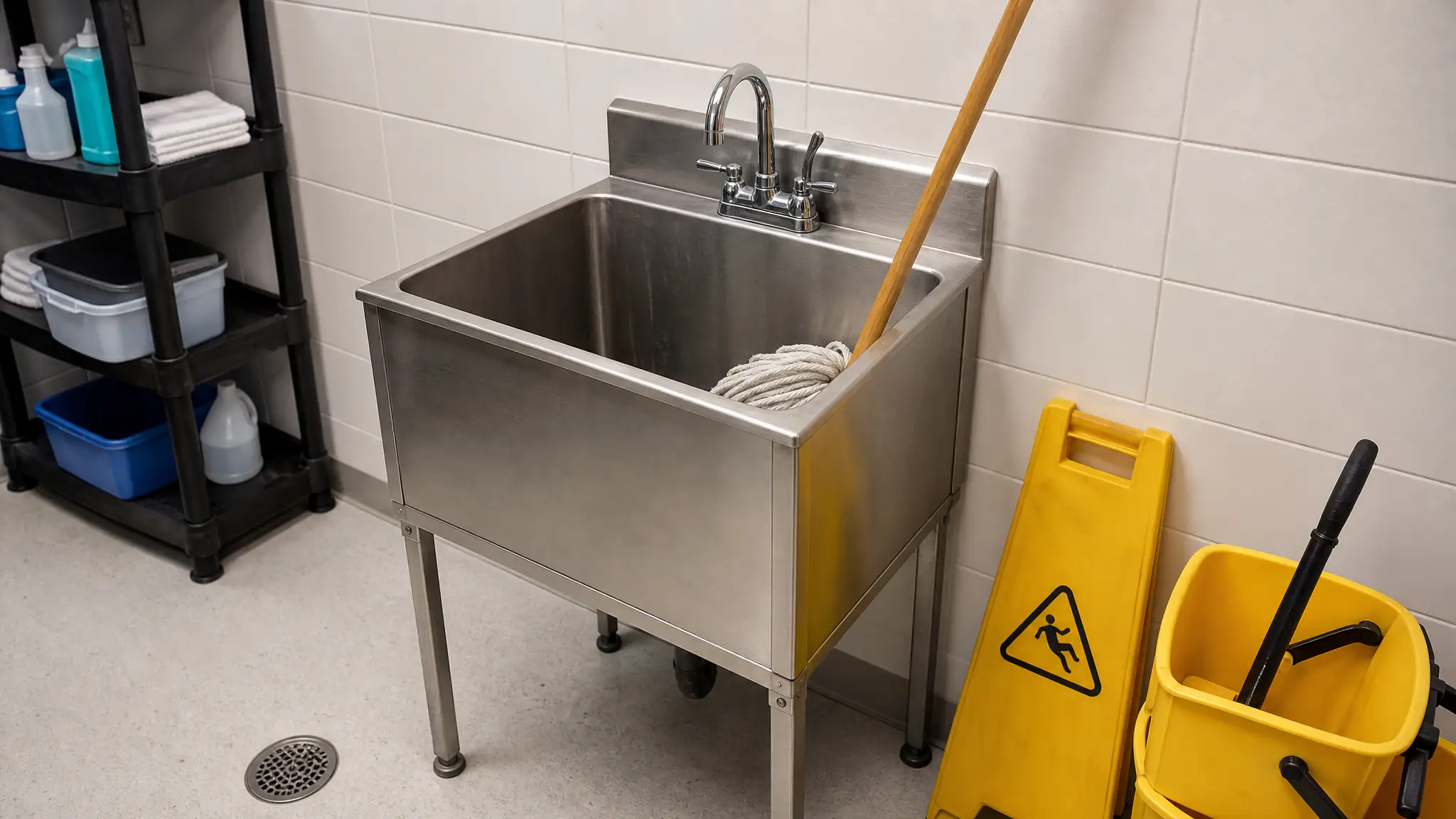
A floor drain for utility area may be used in cleaning rooms, laundry spaces, maintenance zones, or public facility service areas. These locations may not handle the same food waste as a kitchen, but they still require odor control, easy cleaning, and resistance to standing water. Drainage often works alongside a mop sink for facility maintenance or other cleaning equipment, so layout coordination matters.
Material Choice
For most commercial kitchen and hospitality projects, 304 stainless steel offers a practical balance of performance, availability, and cost efficiency. It provides strong corrosion resistance in many wet and high-cleaning environments and is widely used in commercial stainless steel drain products.
That said, buyers should avoid oversimplified claims such as “never rust.” Even a 304 stainless steel floor drain should be properly selected, installed, and maintained. If the drain is exposed to high chloride levels, concentrated chemicals, brine, or unusual wastewater, project managers may need to discuss upgraded material options or special surface treatment.
What buyers should check
Before confirming an order, buyers should review the practical material details rather than relying only on grade labels:
- Stainless steel grade, such as 304 or project-specific alternatives
- Material thickness and structural strength
- Weld quality and finishing consistency
- Surface smoothness and cleanability
- Resistance to the expected cleaning agents
- Whether documentation or material confirmation is available
A stainless floor drain used in a busy commercial facility must perform under repeated cleaning and traffic. The right material decision reduces risk, but the fabrication quality determines how well that material performs in the field.
Drainage Design Options
Drainage design should be selected according to water volume, floor slope, equipment position, and cleaning method. Many project issues happen because buyers choose a drain type based on unit price rather than floor layout.
Point drains
Point drains are square, round, or rectangular drains installed at specific low points. They are suitable for localized drainage near sinks, dishwashing stations, preparation tables, or equipment areas. A point-style stainless steel floor drain works well when water flow is limited to a defined area and the floor slope directs wastewater accurately into the drain.
Channel drains
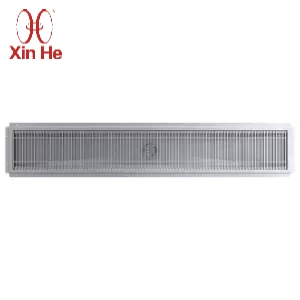
A channel drain for commercial kitchen use is better suited for long washdown areas or large open zones where water needs to be collected across a wider surface. It can reduce pooling and make cleaning more efficient, especially in food prep lines, dishwashing areas, and production spaces.
Floor troughs
A floor trough drain is often used when wastewater volume is high or when washdown happens across a wide working area. Food processing plants, central kitchens, and large hotel kitchens may choose trough drains because they collect water over a longer line and can be easier to integrate into heavy cleaning routines.
Before selecting a drainage format, buyers should ask four practical questions:
- How much wastewater will the area produce during peak cleaning?
- Where will water naturally flow based on floor slope?
- Will staff clean the area by spot washing or full floor washdown?
- Does the site need a single drain point or a linear stainless steel drainage system?
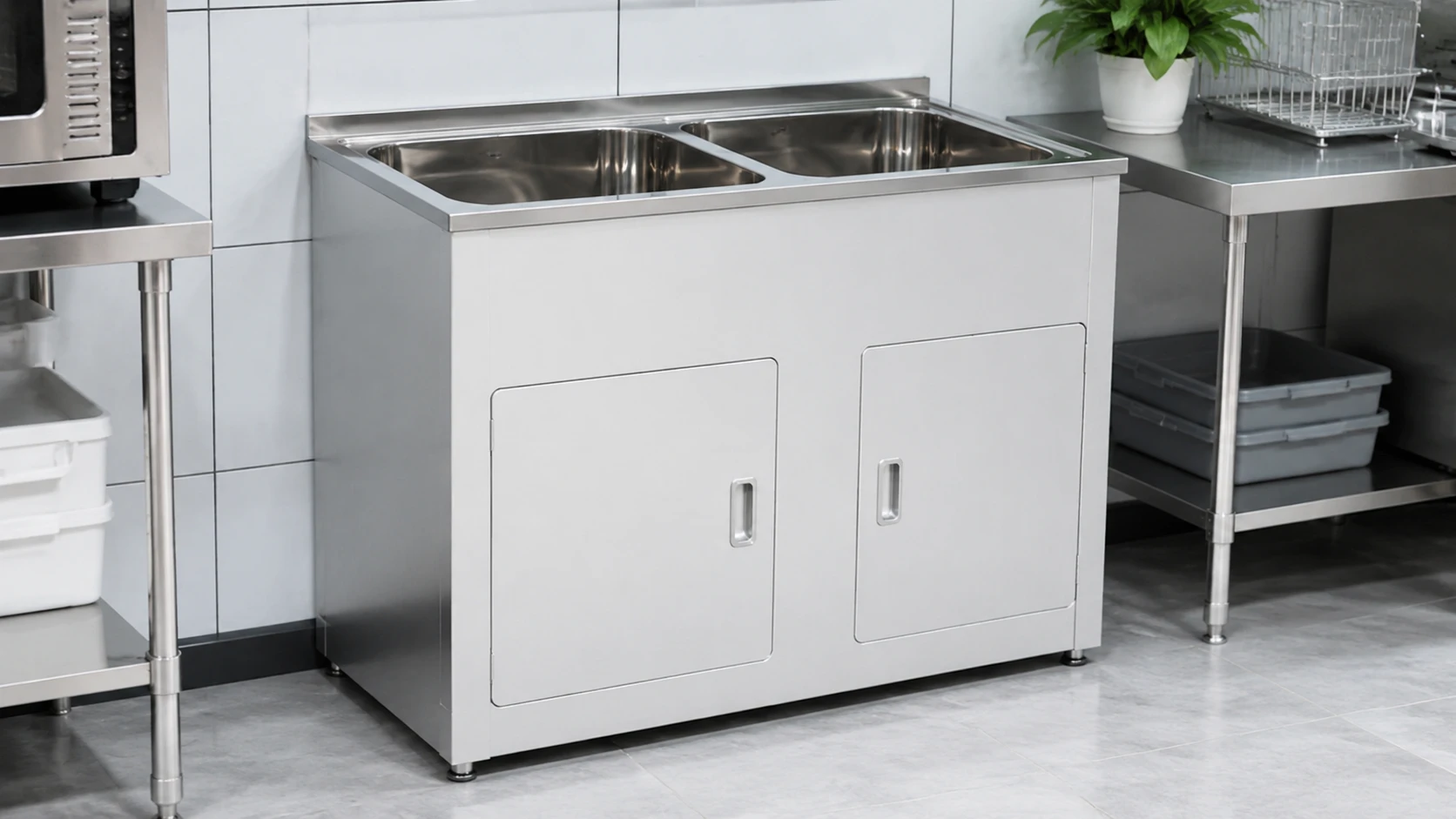
For washing areas that include sinks, prep tables, or dishwashing stations, drainage should be planned together with a commercial kitchen sink or other water-producing equipment.
Grates and Strainers
The grate and strainer often determine whether a drain remains easy to maintain after installation. A drain body may be strong, but if the strainer is poorly designed or difficult to remove, staff may avoid cleaning it regularly. That quickly increases the risk of clogging and odor.
A floor drain with removable strainer is especially useful in commercial kitchens because it captures food particles, packaging fragments, and larger debris before they enter the pipe. This helps reduce blockage risk and makes daily cleaning more manageable.
Grate details to compare
When reviewing a stainless steel floor drain with grate, buyers should check:
- Whether the grate is easy to lift and reinstall
- Whether the openings match the expected waste type
- Whether the surface offers suitable slip resistance
- Whether the grate can handle staff, carts, or light equipment traffic
- Whether the grate sits flush with the finished floor
- Whether replacement or custom grate options are available
Strainer and basket design
A commercial kitchen floor drain strainer should be large enough to hold debris without blocking too quickly, but simple enough for staff to empty and clean. In prep areas, sediment baskets can help intercept food scraps before they reach grease traps or pipes. In utility areas, baskets may also capture sand, mop residue, or cleaning sediment.
An anti-clog floor drain does not eliminate maintenance, but it can make maintenance easier and more consistent. For B2B buyers, that difference matters because labor time and service interruptions often cost more than the drain itself.
Odor and Hygiene
Odor problems in commercial kitchens usually come from a combination of factors: trap design, pipe layout, trapped residue, stagnant water, and poor cleaning access. The drain itself cannot solve every odor issue, but it should support the overall odor-control system.
An odor control floor drain should be compatible with the site’s trap arrangement and should allow staff to clean the internal area without special tools. Smooth surfaces, removable parts, and practical access points help reduce residue buildup. In foodservice environments, these details support cleaner routines and reduce the risk of unpleasant smells during operation.
A good hygienic floor drain should also avoid unnecessary corners or hidden pockets where debris can collect. For a floor drain for foodservice facility use, buyers should think in terms of daily operation: Can staff see the parts that need cleaning? Can they remove the basket quickly? Can they rinse the drain body without leaving residue behind?
When evaluating an easy clean stainless steel floor drain, ask whether the design supports the cleaning habits of real kitchen staff, not just the expectations of a technical drawing.
Sizing and Installation
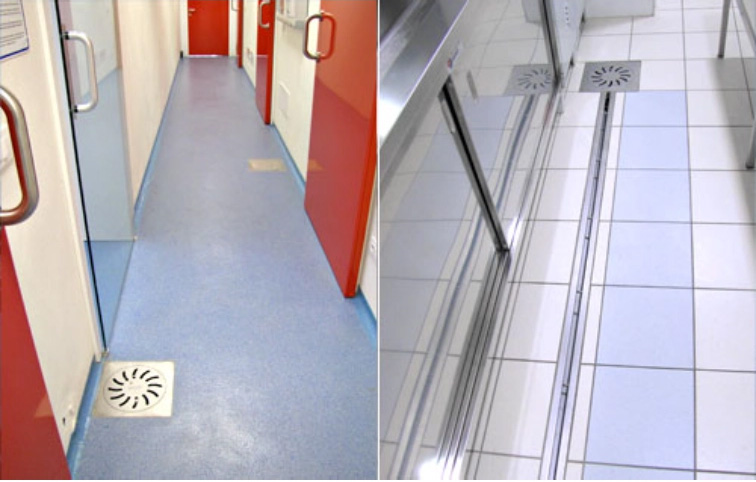
For project buyers, technical fit is more important than appearance. Choosing the correct stainless steel floor drain size requires understanding water flow, pipe connection, floor slope, installation depth, and traffic conditions. For larger commercial projects, drawings or site measurements are often more useful than catalog photos.
Specification checklist
| Specification | Why It Matters |
|---|---|
| Top size | Must match the floor opening and drainage area |
| Outlet diameter | Must handle expected wastewater flow |
| Outlet direction | Must align with site piping |
| Installation height | Affects floor build-up and waterproofing |
| Grate load rating | Important for carts, staff traffic, or equipment movement |
| Strainer structure | Affects clog prevention and cleaning efficiency |
| Custom dimensions | Needed for non-standard project layouts |
A floor drain for commercial kitchen projects should be selected before finalizing flooring work whenever possible. Late changes can affect waterproofing, slope, pipe connection, and construction schedule.
For contractors, one useful habit is to verify the top-of-pipe depth, finished floor level, and drain body height before purchasing. In custom projects, Xinhe can provide technical drawing support to help buyers confirm size, outlet direction, and structure before production.
Supplier Evaluation
Selecting the right stainless steel floor drain supplier is not only about getting a lower unit price. For importers, contractors, and distributors, the supplier’s ability to support specifications, production consistency, packaging, and communication can directly affect project delivery.
A stainless steel floor drain manufacturer should be able to explain available sizes, stainless steel grades, grate styles, outlet configurations, and customization options. If a buyer needs a custom stainless steel floor drain, the supplier should understand drawings, installation limitations, and project quantity requirements.
Questions to ask before ordering
- Can the supplier produce standard and custom sizes?
- Can they adjust outlet direction, depth, or grate design?
- Can they confirm material grade and thickness?
- Do they understand bulk orders and export packaging?
- Can they support project drawings or specification reviews?
- Do they have experience with commercial kitchen floor drain supplier requirements?
A supplier with real manufacturing knowledge can help prevent mismatched outlets, unsuitable grates, weak strainers, or packaging damage. For B2B sourcing, these details often separate a dependable project partner from a simple product seller.
Common Buying Mistakes
1.Choosing by price only
A low-cost drain may look acceptable at first, but if the material is too thin, the grate is weak, or the strainer is inconvenient, maintenance costs can rise quickly. For a high-use commercial kitchen floor drain, durability and service access are part of the real cost.
2.Ignoring load requirements
Some drains are installed in areas where carts, cleaning machines, or heavy equipment pass frequently. If the grate is not strong enough, it may bend, loosen, or become unsafe. This is especially important near stainless steel industrial sinks or production equipment.
3.Overlooking cleaning access
If the grate or basket is difficult to remove, staff may clean it less often. Over time, that leads to buildup, slower drainage, and possible odor. Buyers should always check how the drain will be cleaned during a normal workday.
4.Not matching pipe connections
Outlet size and direction must match the project’s pipe layout. A small mismatch can create delays during installation and may require on-site modification. This is one of the easiest problems to avoid if drawings are reviewed before ordering.
5.Using one drain type everywhere
A small prep area, a dishwashing zone, and a food processing line rarely need the same drain design. The best solution may combine point drains, channel drains, and trough drains based on each area’s wastewater volume and cleaning method.
FAQs
1.What is the best floor drain for a commercial kitchen?
The best option depends on wastewater volume, floor layout, cleaning frequency, and hygiene requirements. In many commercial kitchens, buyers choose a stainless steel floor drain with a removable strainer, durable grate, and suitable outlet size because it supports easier cleaning and long-term use.
2.Is stainless steel better for kitchen floor drains?
Stainless steel is often preferred in commercial kitchens because it offers good corrosion resistance, stable structure, and easier cleaning compared with many basic materials. However, the correct grade and design should still be selected based on the actual site environment.
3.Do commercial kitchen floor drains need removable strainers?
Yes, in most foodservice and restaurant projects, removable strainers are strongly recommended. They help capture food particles and debris before they enter the pipe, reducing clogging risk and simplifying daily maintenance.
4.Can stainless steel floor drains be customized?
Yes. Many project buyers request custom sizes, outlet directions, grate patterns, material thickness, or trough lengths. Providing drawings, site measurements, and drainage requirements makes customization more accurate.
5.Where are ss floor drain products used besides kitchens?
An ss floor drain can be used in hotel service areas, food processing zones, janitorial rooms, laundry areas, public facility utility rooms, and certain industrial washing areas, depending on the material, structure, and drainage requirement.
Conclusion
At the end of the day, a floor drain is a functional part of your facility’s hygiene. For contractors and distributors, working with a knowledgeable commercial kitchen floor drain supplier makes all the difference.
If you’re looking for bulk supply or need help with custom specs, Xinhe can walk you through the technical drawings and material options. Getting the drainage right now means fewer headaches (and smells) later. Feel free to reach out for a quote or a spec review for your next project.