Commercial Coffee Shop Sink Setup for Beverage and Wash Stations
Selecting a commercial coffee shop sink matters more than most project buyers realize. In a busy cafe, juice bar, or beverage counter, this single piece of equipment dictates how fast staff rinse tools, wash cups, manage wastewater, and keep the service line clean during peak hours. Get the layout wrong, and drink prep slows to a crawl. The counter gets cluttered, and back-of-house cleaning turns chaotic during morning rushes.
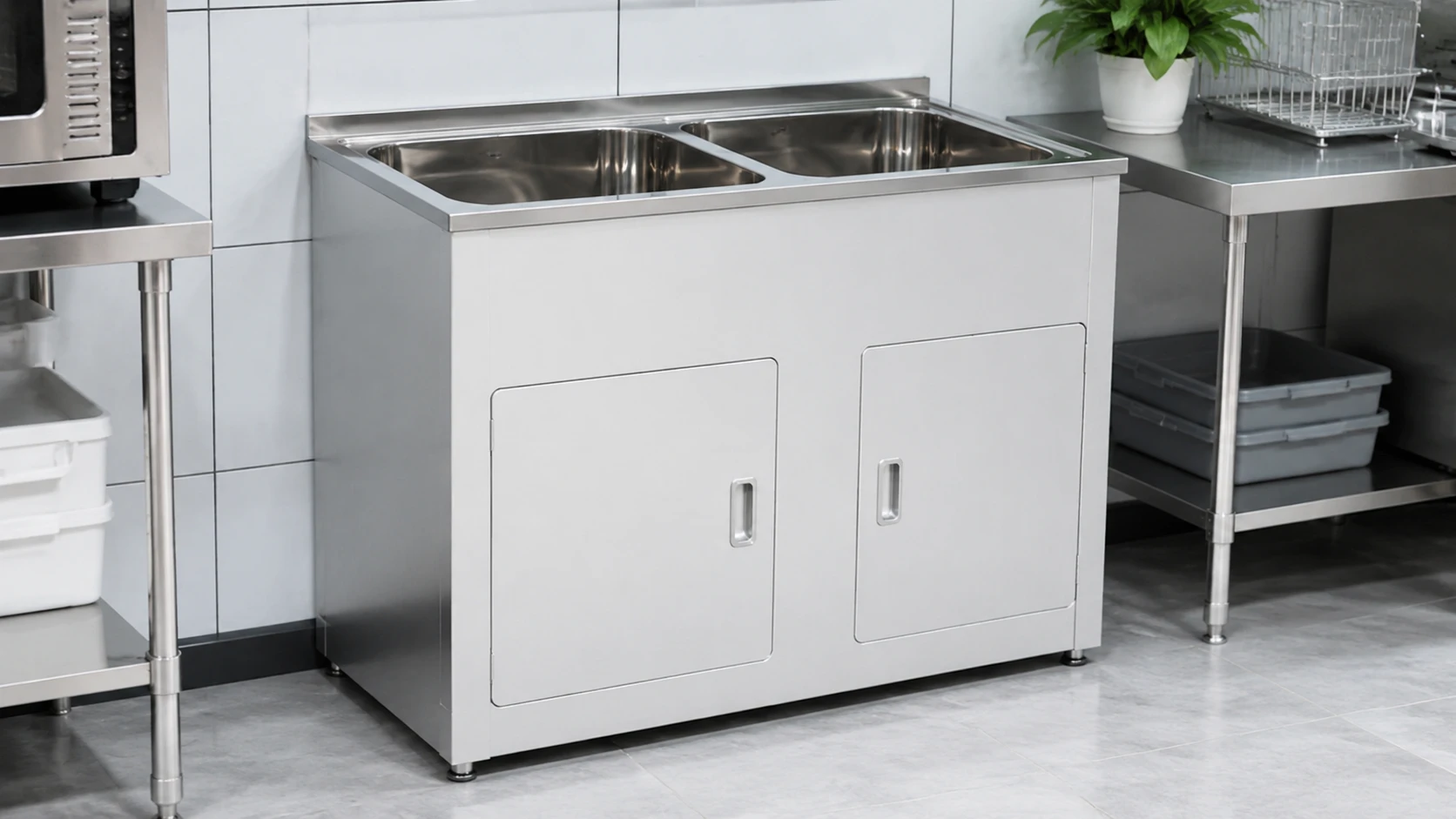
For most coffee shop designs, choosing the right setup depends on counter space, bowl count, drainboard direction, and how it fits into the drink prep line. Some cafes only need a compact underbar wash station for quick tool rinsing. Larger beverage stores need a multi-compartment stainless steel sink for coffee shop setups to handle large-scale rinsing, washing, and drying simultaneously.
Why Coffee Shop Sinks Differ from Restaurant Setups
A standard kitchen sink is built for heavy pots and deep cleaning. A cafe setup operates under completely different conditions. Coffee shops have tighter footprints, and the barista station sits directly in front of customers. Space efficiency and visual cleanliness are everything.
Beverage stations also deal with specific waste profiles. Baristas constantly cycle through cups and small utensils while handling espresso grounds, dairy residue, thick syrups, ice, and loose tea leaves. This fast-paced cycle means a bulky prep sink rarely works. Instead, the focus must be on speed, ergonomics, and keeping the main preparation area completely clear of clutter.
Fitting Underbar Sinks in Beverage Stations
Front-counter space is premium real estate. That is why a commercial bar sink is almost always mounted below the main counter or along the back bar wall. This keeps the primary service counter clear for espresso machines, grinders, POS systems, and customer interactions.
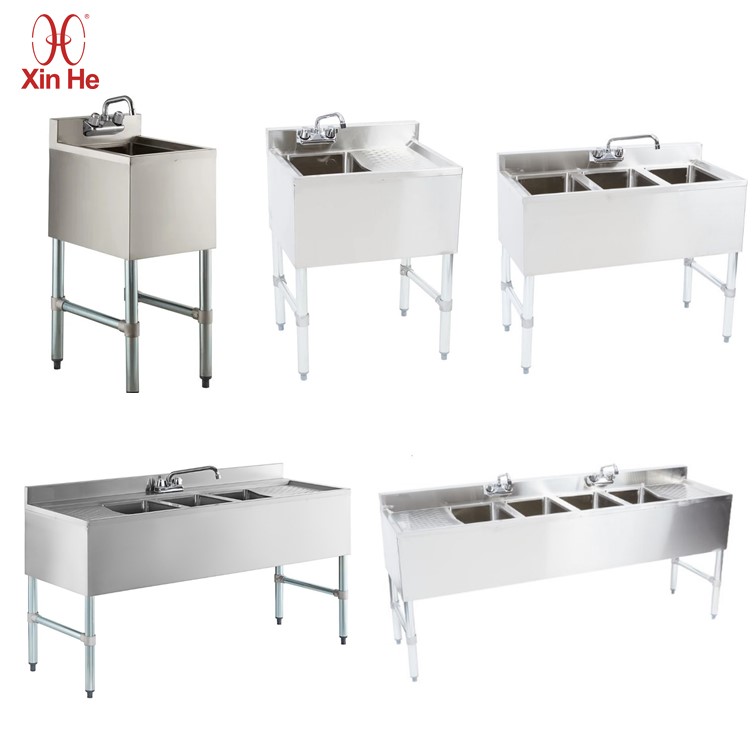
With an under-counter layout, staff can quickly pivot to rinse steaming pitchers, bar spoons, and portafilters without crossing the floor. For contractors or buyers sourcing equipment for a new build, a custom underbar sink for coffee shop layouts offers the flexibility to match exact architectural dimensions so no floor space goes to waste.
Project planners must also separate cup washing from basic health compliance. Safety regulations require a dedicated basin for hand hygiene. When fitting both into a tight floor plan, reviewing proper commercial hand sink placement prevents staff from splashing soapy water into clean beverage zones.
Choosing the Right Compartment Configuration
The number of compartments depends on drink volume, menu items, and back-counter space.
| Configuration | Best suited for | Main function |
|---|---|---|
| Single bowl | Small kiosks, espresso carts, or extra rinse zones. | Rinsing pitchers, dumping liquids, and holding tools. |
| Double bowl | Medium cafes with moderate foot traffic. | Separating the initial dirty rinse from the final wash. |
| Triple bowl | High-volume beverage stores, bubble tea shops, and large chains. | Full wash, rinse, and sanitize cycles for continuous cup washing. |
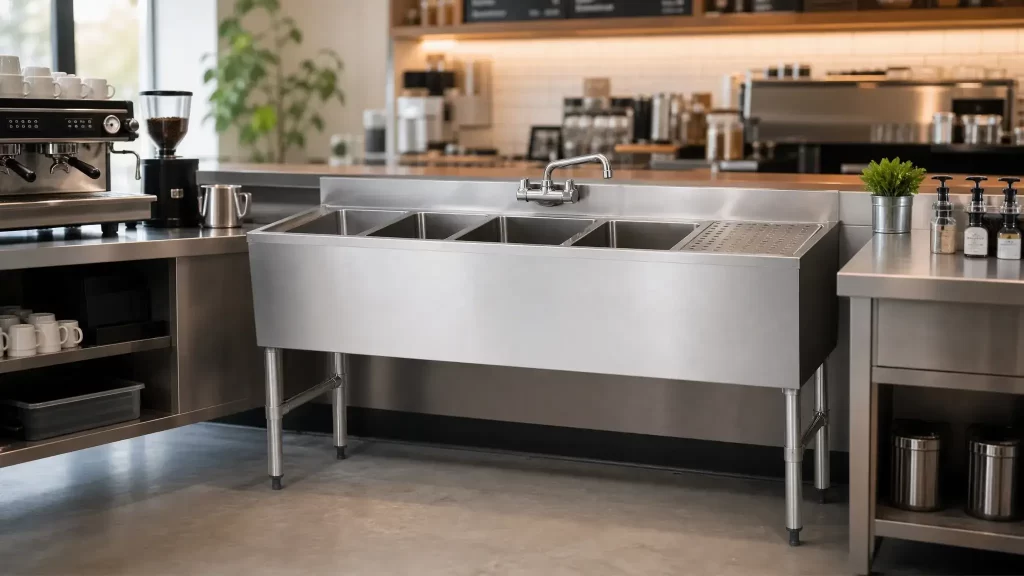
A 3 compartment underbar sink is necessary for high-volume stores using ceramic mugs or glassware, keeping clean and dirty items strictly separated. For larger franchise locations, dimension planning gets more technical. Checking out a guide on commercial 3 compartment sink size planning helps clarify how these larger units impact the back-of-house footprint.
Key Specs: Drainboards, Backsplashes, And Bowl Depth
Buyers often look only at overall width when sourcing a stainless steel model, but small details change daily operations.
- Drainboards: A bar sink with drainboard features provides a practical staging area. It is not just for air-drying; it holds wet blender jars, damp portafilters, and fresh glassware, keeping moisture off stone or wood countertops. Choosing a commercial sink with drainboard extensions on the left, right, or both sides depends entirely on how your baristas move.
- Backsplashes: Installing sinks tight against walls or wood cabinets means a high backsplash is required to prevent water damage and mold. It stops spilled milk or syrups from slipping behind the equipment.
- Bowl depth: Basins need to handle tall gear. A depth of 10 to 12 inches works best for submerging milk pitchers, large blender jugs, and carafes. Shallow bowls cause water to splash back onto the barista’s apron during quick rinses.
Why Stainless Steel Fits Beverage Areas
Beverage counters face constant moisture, acidic coffee oils, dairy, syrups, and chemical sanitizers. That means high-grade commercial materials are a must.
For procurement managers, stainless steel is straightforward to specify, clean, and maintain across multiple properties. Grade 304 stainless steel delivers great corrosion resistance, keeping the unit from rusting after years of wet conditions. Unlike porcelain, it will not chip if a barista drops a heavy metal tamper into the bowl. To see how different grades handle daily commercial wear, consulting a commercial kitchen sink material selection guide offers deeper insights for long-term facility planning.
Positioning the Sink in Coffee Bar Workflows
A smooth workflow relies on smart placement. A practical layout splits the working space into three functional zones:
- Drink preparation zone: Where the espresso machines and grinders sit. The sink needs to be nearby for quick rinses, but far enough away that overspray does not ruin fresh espresso shots.
- Rinsing and washing zone: A central drop-off area where staff can leave dirty ceramic mugs without blocking the barista’s main path.
- Storage and drying zone: Right next to the drainboard, holding clean wares ready to head back to the line.
For multi-store rollouts, contractors need to plan bar lengths, plumbing hookups, and staff movement direction early. Matching these details aligns with standard restaurant sink workflow planning, turning the back bar into an efficient workspace instead of a bottleneck.
What to Confirm Before Ordering
For B2B buyers and contractors, accurate ordering avoids costly installation delays. Before reaching out to an underbar sink supplier, run through this checklist to ensure the commercial sink for cafe projects fits perfectly:
- Overall dimensions: Exact length, width, and height. Millimeter-level accuracy avoids layout clashes with under-counter fridges or ice machines.
- Compartment layout: Single, double, or triple bowl setups based on rush-hour washing needs.
- Drainboard position: Left, right, or dual configurations to match the natural flow of dirty dishes.
- Backsplash height: Must protect back walls and line up cleanly with your tilework.
- Plumbing specs: Check pre-drilled faucet holes (usually 4-inch or 8-inch centers) and exact drain placements.
- Installation type: Freestanding units with adjustable feet versus undermount styles for custom counters.
- Procurement terms: Minimum order quantities (MOQ), production lead times, and special OEM/ODM packaging needs.
Five Common Mistakes in Sink Setup
- Sizing by eye: Choosing a sink just because it fits an empty spot on the blueprint, ignoring the actual volume of cups and pitchers handled during peak hours.
- Skimping on compartments: Buying a single-bowl unit to save budget, only to realize staff cannot wash and sanitize at the same time.
- Wrong drainboard side: Getting a right-side drainboard when your workflow moves left-to-right, causing staff to collide behind the bar.
- Skipping the backsplash or drain check: Missing floor drain locations or skipping a backsplash, leading to rotted millwork later.
- Ignoring hardware compatibility: Failing to check if the sink matches the chosen pre-rinse faucets or plumbing lines before delivery arrives.
When to Choose a Custom Underbar Sink
Standard catalog sizes work fine for basic builds, but larger chains frequently need tailored solutions. Custom work is necessary when dealing with tight bar depths, odd drainboard angles, or multi-bowl setups that stock models do not offer.
For international projects or franchise rollouts, custom underbar units often combine with ice bins, built-in prep tables, or lower storage cabinets. Working with a dedicated manufacturing plant allows buyers to specify exactly what they need—from exact 304 stainless steel sizing to custom OEM/ODM packaging—rather than forcing a standard mass-market product into a unique space.
Final Considerations
Sink procurement should start with workflow, not just dimensions. Consider where drinks are prepared, where dirty cups land, how wastewater drains, and how the setup handles peak rushes without taking over the entire counter space.
For expanding brands and contractors, a tailored approach keeps the bar running smoothly. Before finalizing an order, verify the compartment count, dimensions, drainboard side, backsplash height, and mount style. For upcoming coffee shop, juice bar, or beverage projects, feel free to contact Xinhe with your layout drawings or basic sizing needs to map out a custom configuration built for your operational flow.