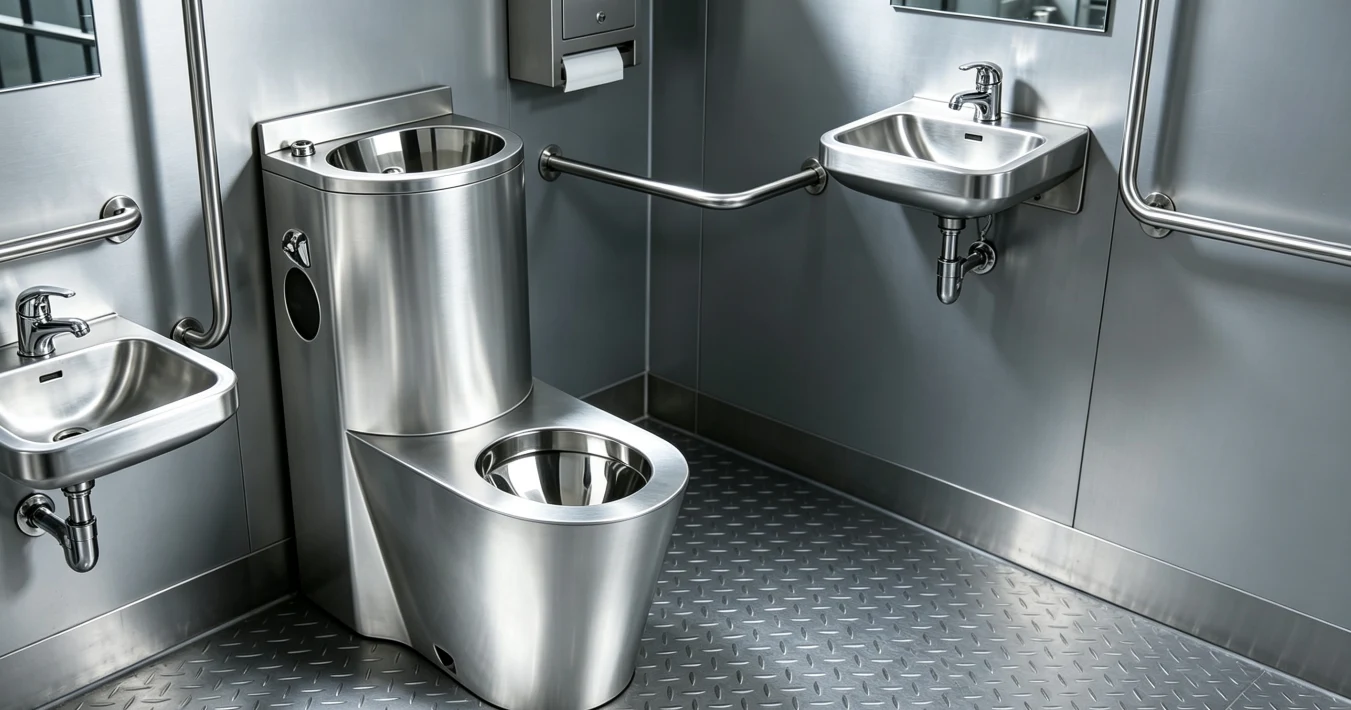
Restrooms in correctional settings and mental health facility wings demand fixtures that remove common self-harm anchor points. Standard commercial toilets, basins, and flush valves give individuals multiple ways to secure cords, laces, or bedding. Specifying high-security anti-ligature stainless steel fixtures gives facility engineers their strongest physical defense for maintaining patient safety, preventing self-harm, and meeting ... Read more
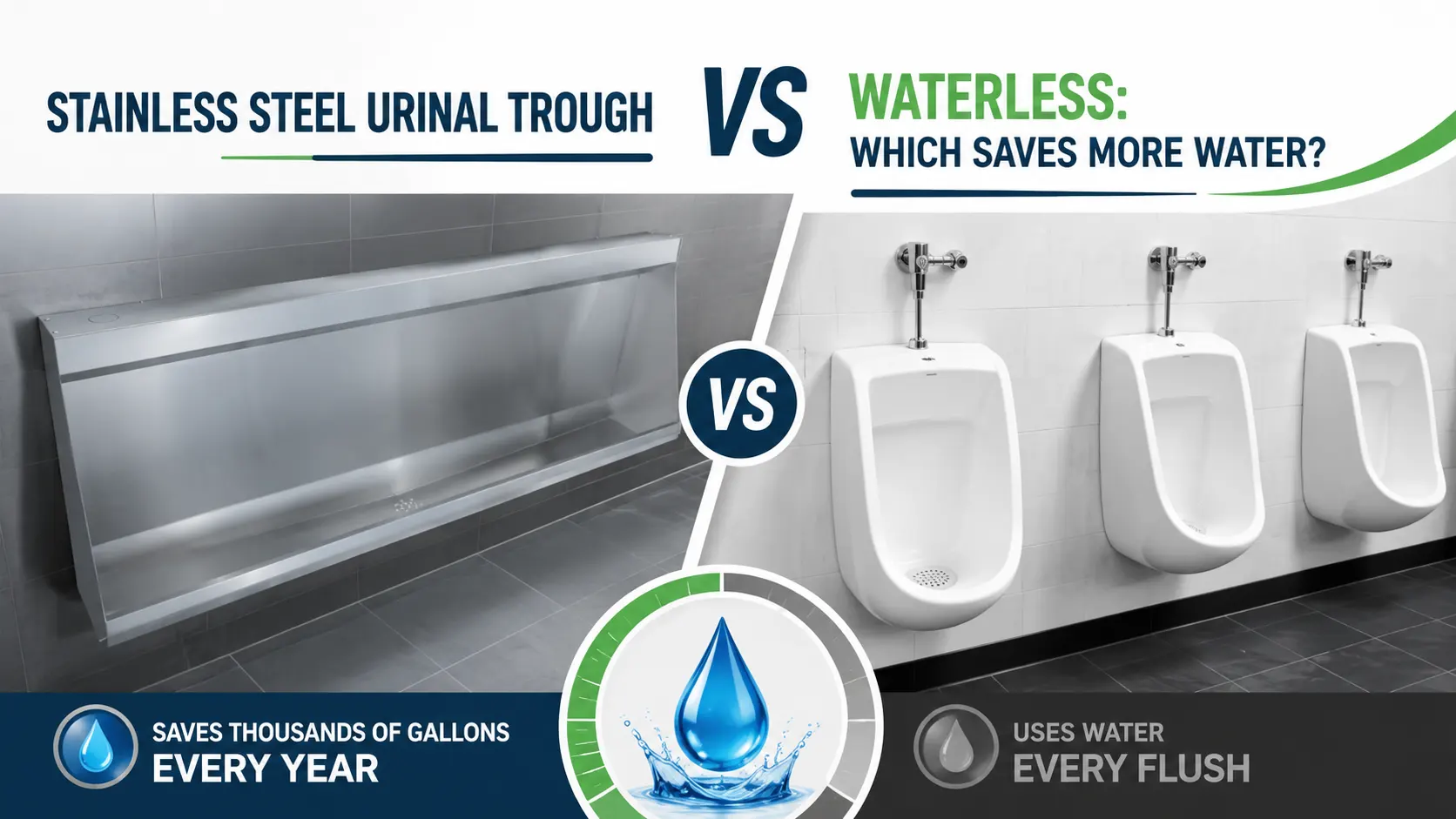
Specifying the wrong urinal system for a stadium or transit hub hits more than your water bill. The initial unit price rarely reflects the true cost. A venue hosting 3,000 concurrent users can face $4,000+ in annual cartridge replacements, blocked drain lines, and odor complaints that damage the guest experience. So choose stainless steel urinal ... Read more
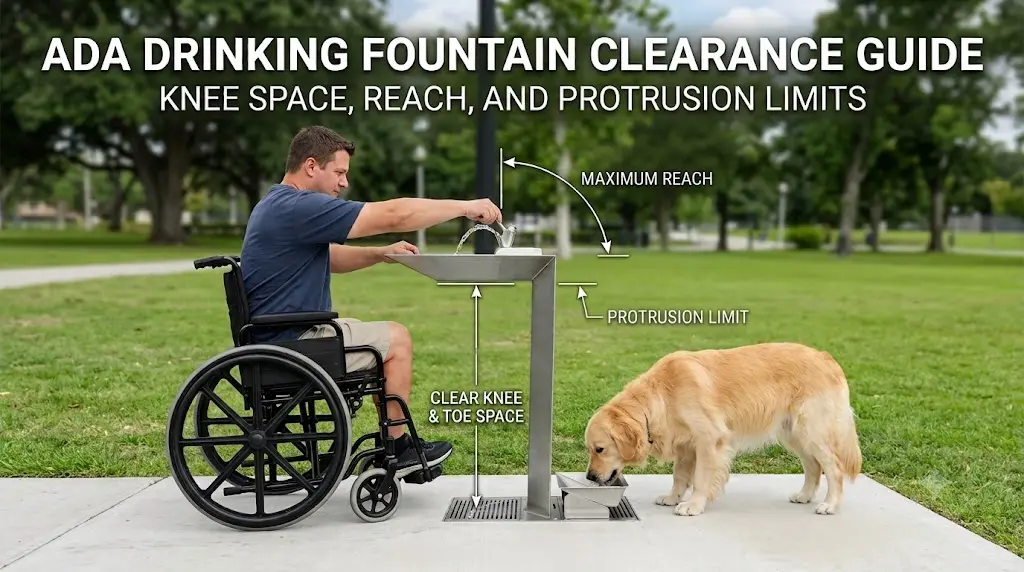
Designing a commercial restroom or public corridor demands strict adherence to federal and local accessibility standards. Among plumbing fixtures, the drinking fountain ranks among the most frequently flagged items during final building inspections. Many specifiers and contractors assume that meeting ADA drinking fountain requirements begins and ends with mounting the spout at the correct height. ... Read more
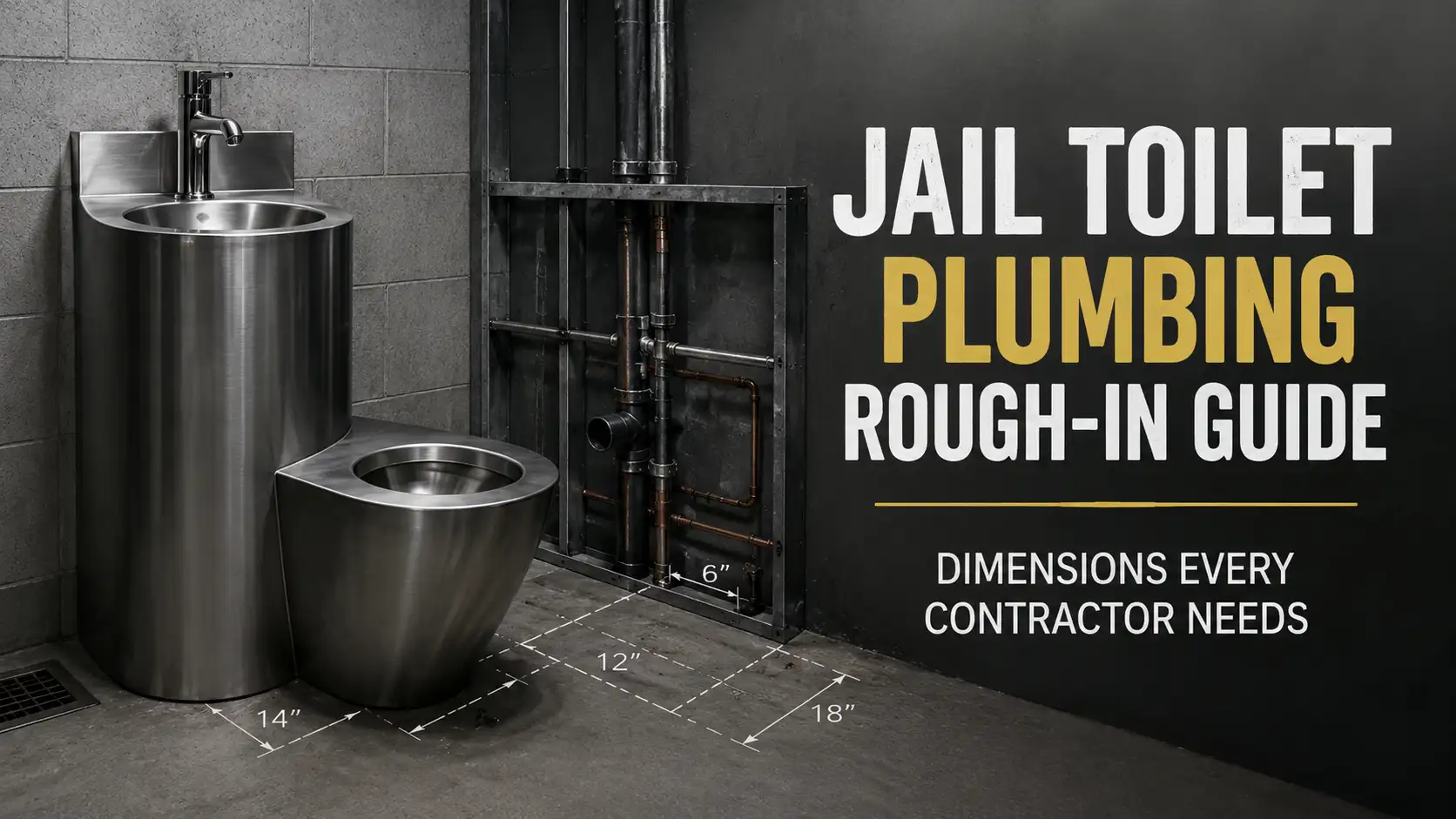
When a detention facility project hits the rough-in phase, the margin for error shrinks to almost nothing. A residential plumber can finesse a slightly off-center floor flange with a flexible connector. On a secure facility job site, that option disappears. A jail toilet bolts through reinforced concrete, seats against a cast-in wall sleeve, and must ... Read more
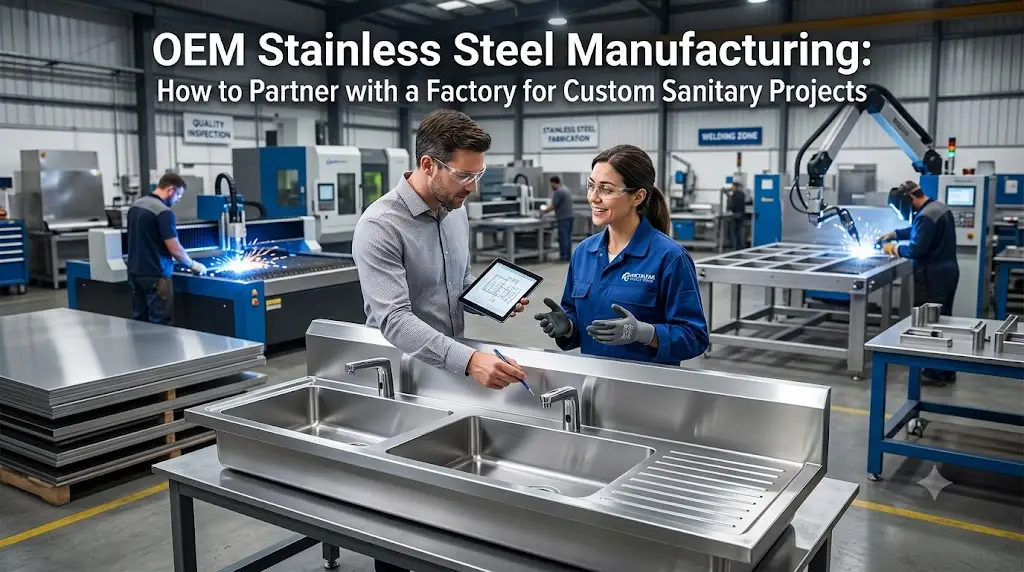
Sourcing custom stainless steel sanitary products for a commercial or institutional project differs fundamentally from buying off a catalog. A procurement director at a North American healthcare company or a European kitchen equipment brand searches for a manufacturing partner, not a SKU. They need a factory that owns a problem from blueprint to shipping container. ... Read more
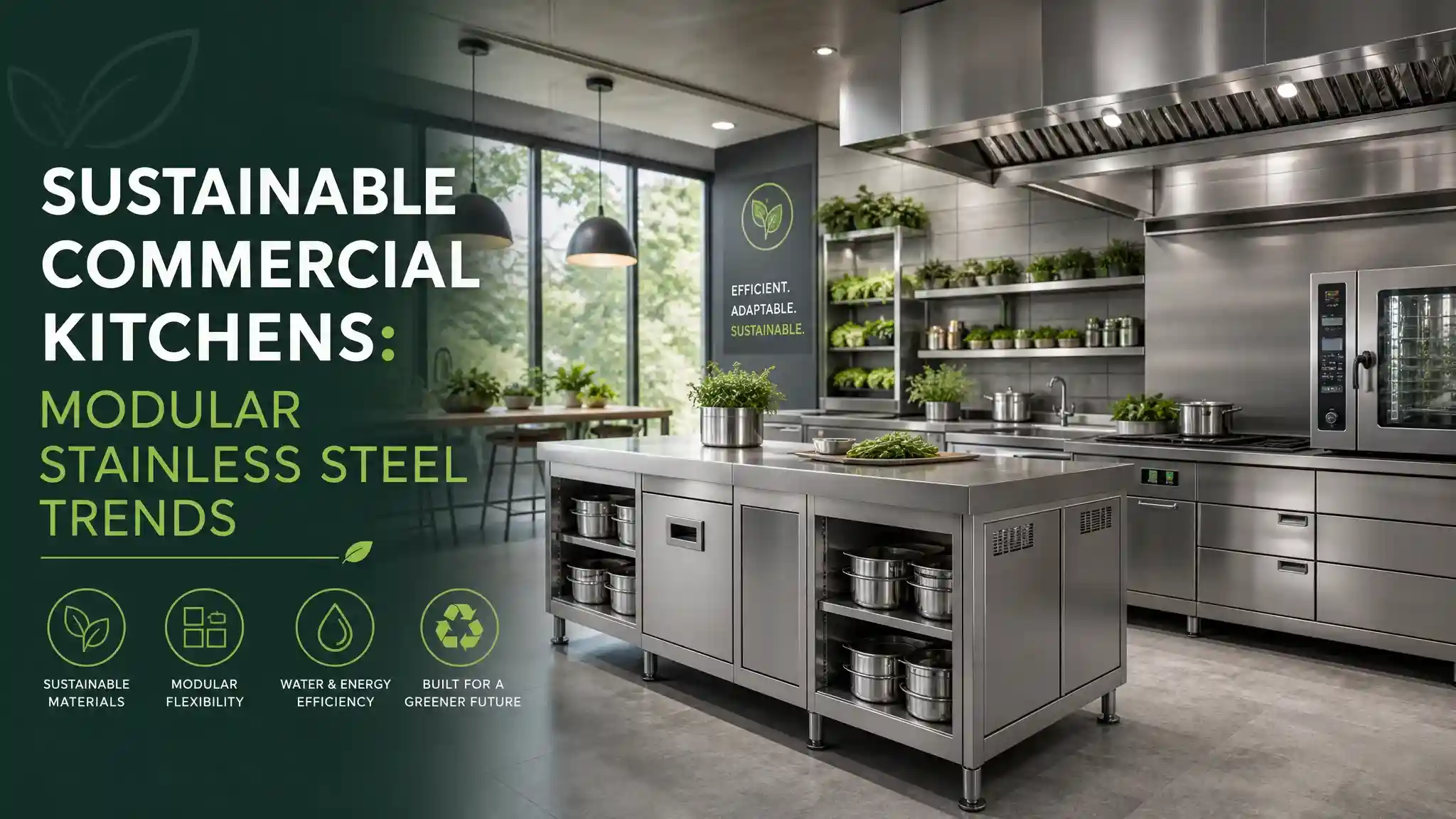
Commercial kitchen equipment is undergoing a structural shift in 2026. Regulatory pressure, rising operational costs, and green building mandates like LEED v4.1 and BREEAM push developers toward modular stainless steel systems. Traditional fixed kitchens generate waste when menus change. Modular configurations solve this by letting teams swap individual units instead of demolishing entire counters. This ... Read more
Phone
WhatsApp
Email