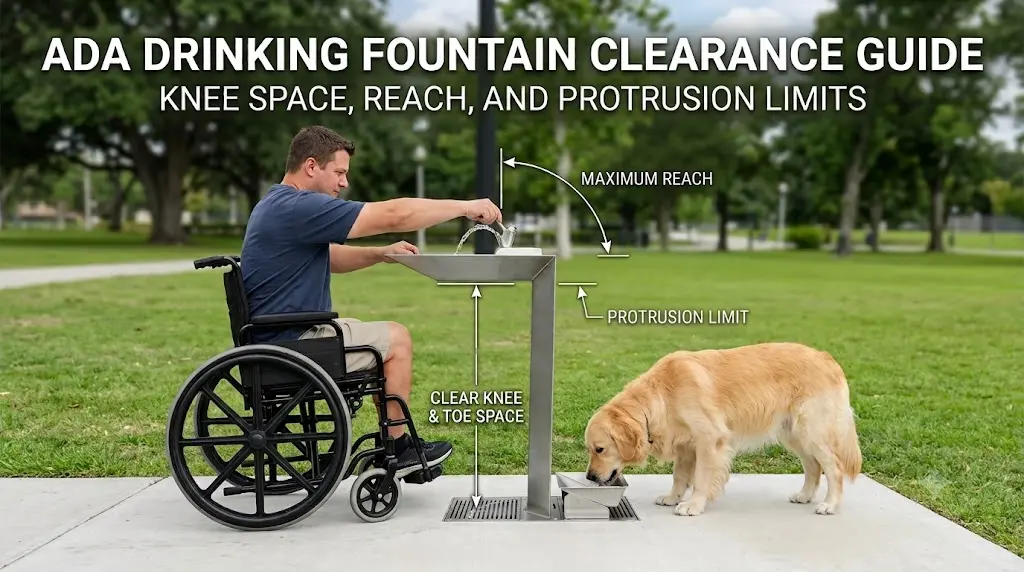
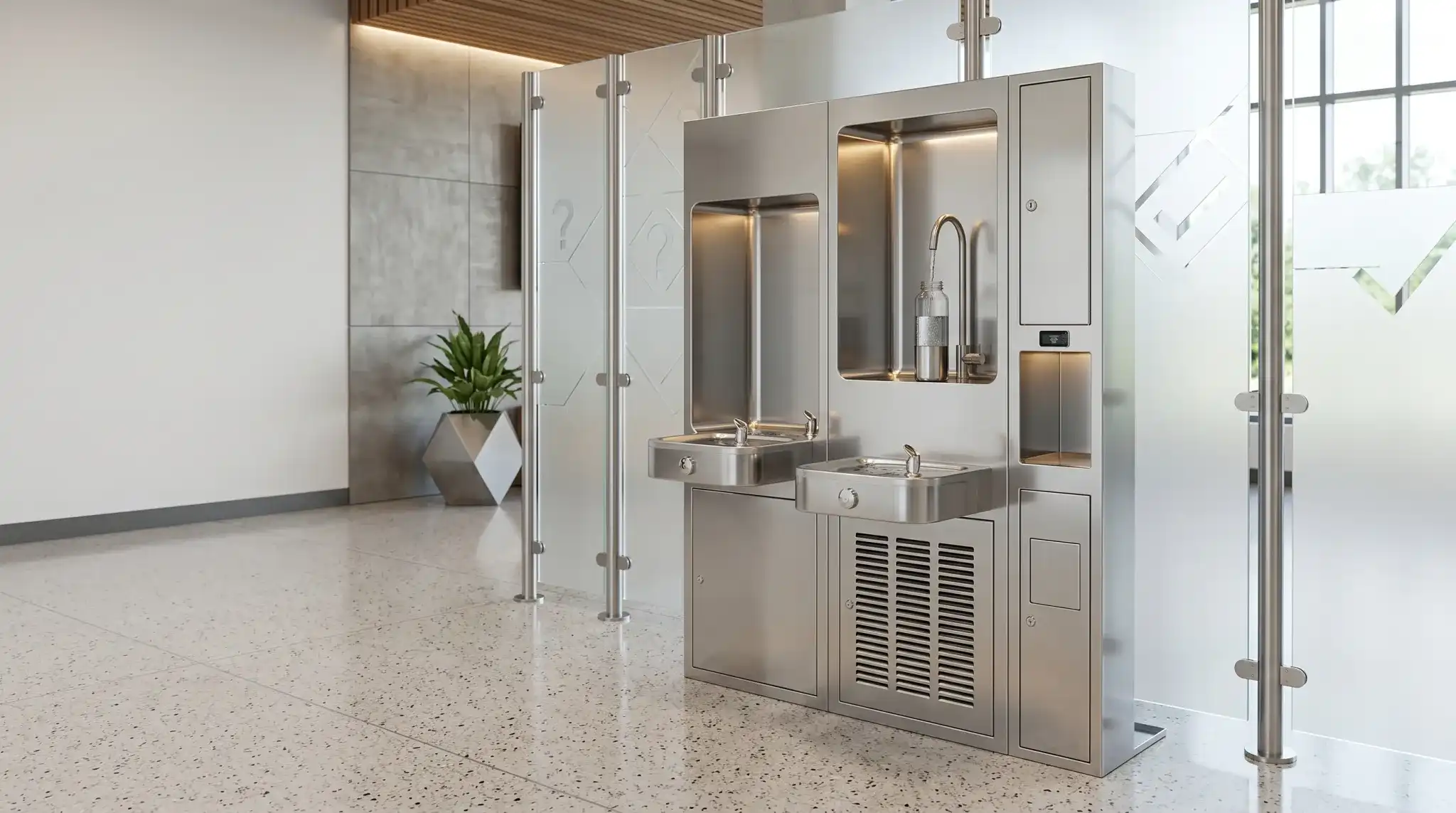
Designing a commercial restroom or public corridor demands strict adherence to federal and local accessibility standards. Among plumbing fixtures, the drinking fountain ranks among the most frequently flagged items during final building inspections. Many specifiers and contractors assume that meeting ADA drinking fountain requirements begins and ends with mounting the spout at the correct height. ... Read more
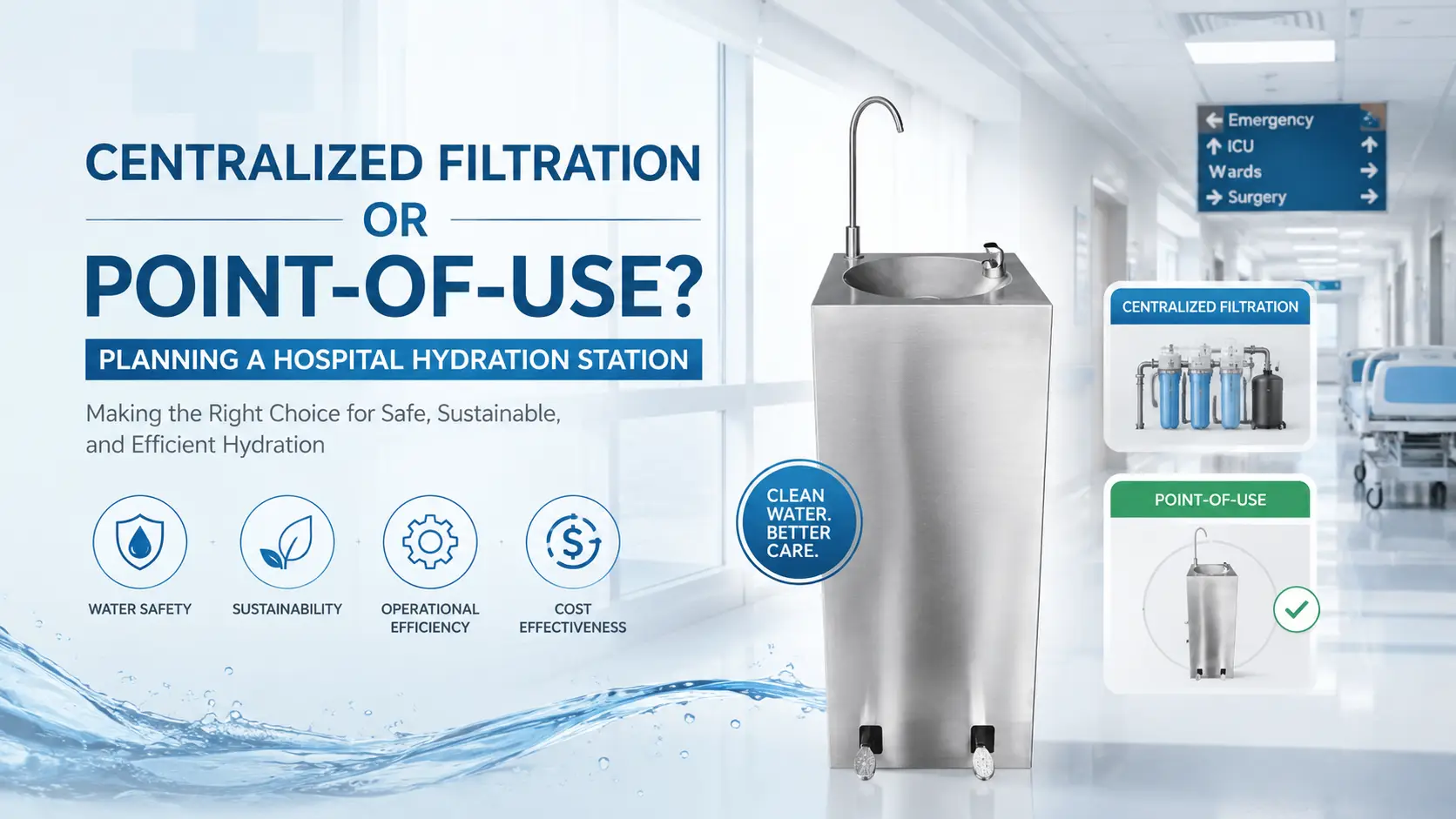
Planning a hospital hydration station involves more than placing a water cooler near a waiting room. Modern healthcare projects must balance Legionella prevention, infection control protocols, ADA accessibility, and continuous demand from patients and staff, often across multiple wards on the same floor. Facility engineers frequently ask whether to invest in a centralized filtration system ... Read more
The push to ditch single-use plastics is no longer just a corporate sustainability trend; it is written into building specifications worldwide. If you manage a school district, a hospital network, or a commercial property, you have likely looked at an aging hallway water cooler and wondered how to modernize it. Facility managers usually face a ... Read more
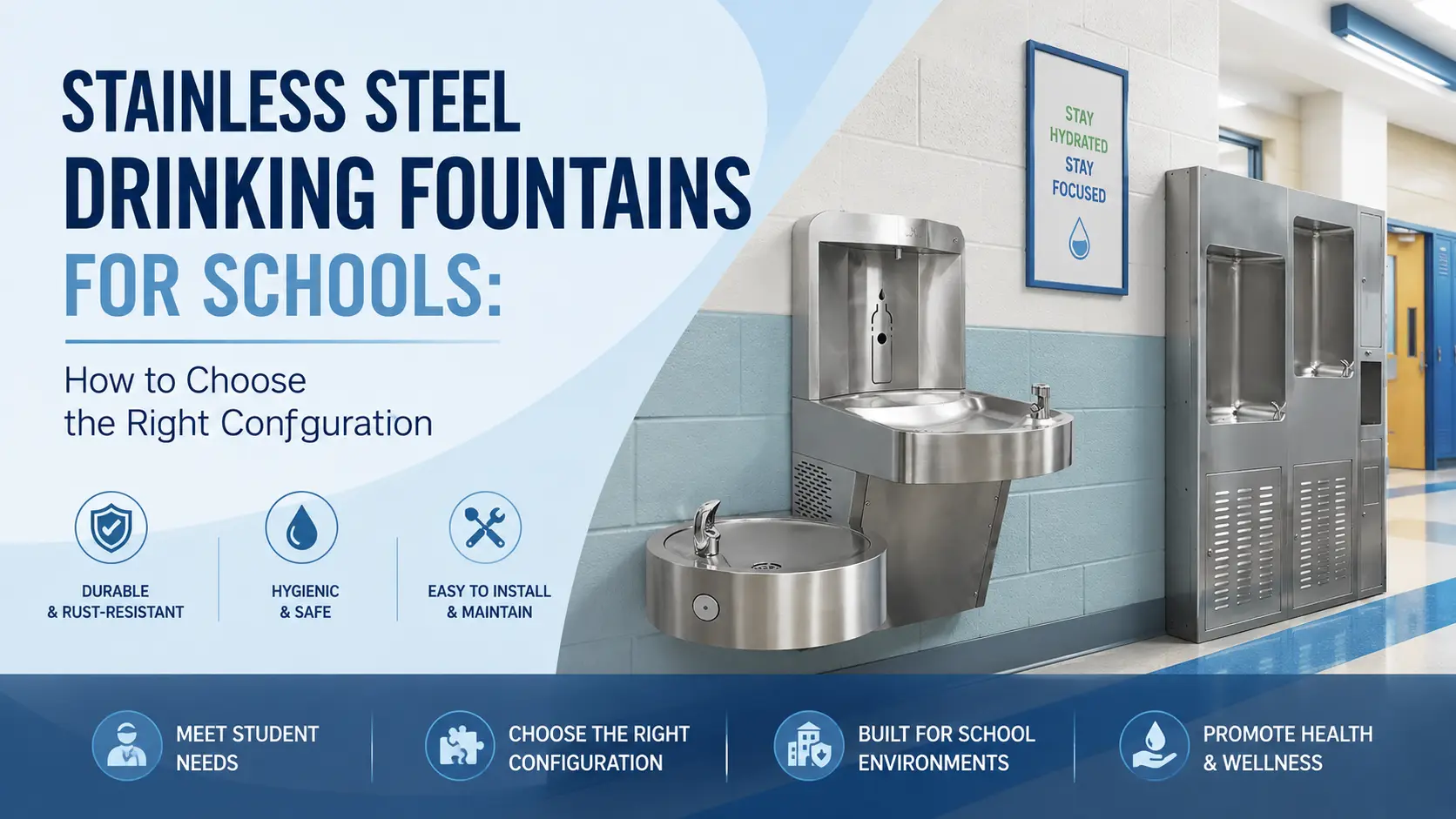
Choosing a stainless steel drinking fountain for schools requires more than simply placing a water point on campus. Facility managers, contractors, and project buyers must evaluate where the unit will be installed, daily student traffic, and whether specific features like bottle filling, wall mounting, or ADA accessibility are necessary. A clear configuration strategy ensures that ... Read more
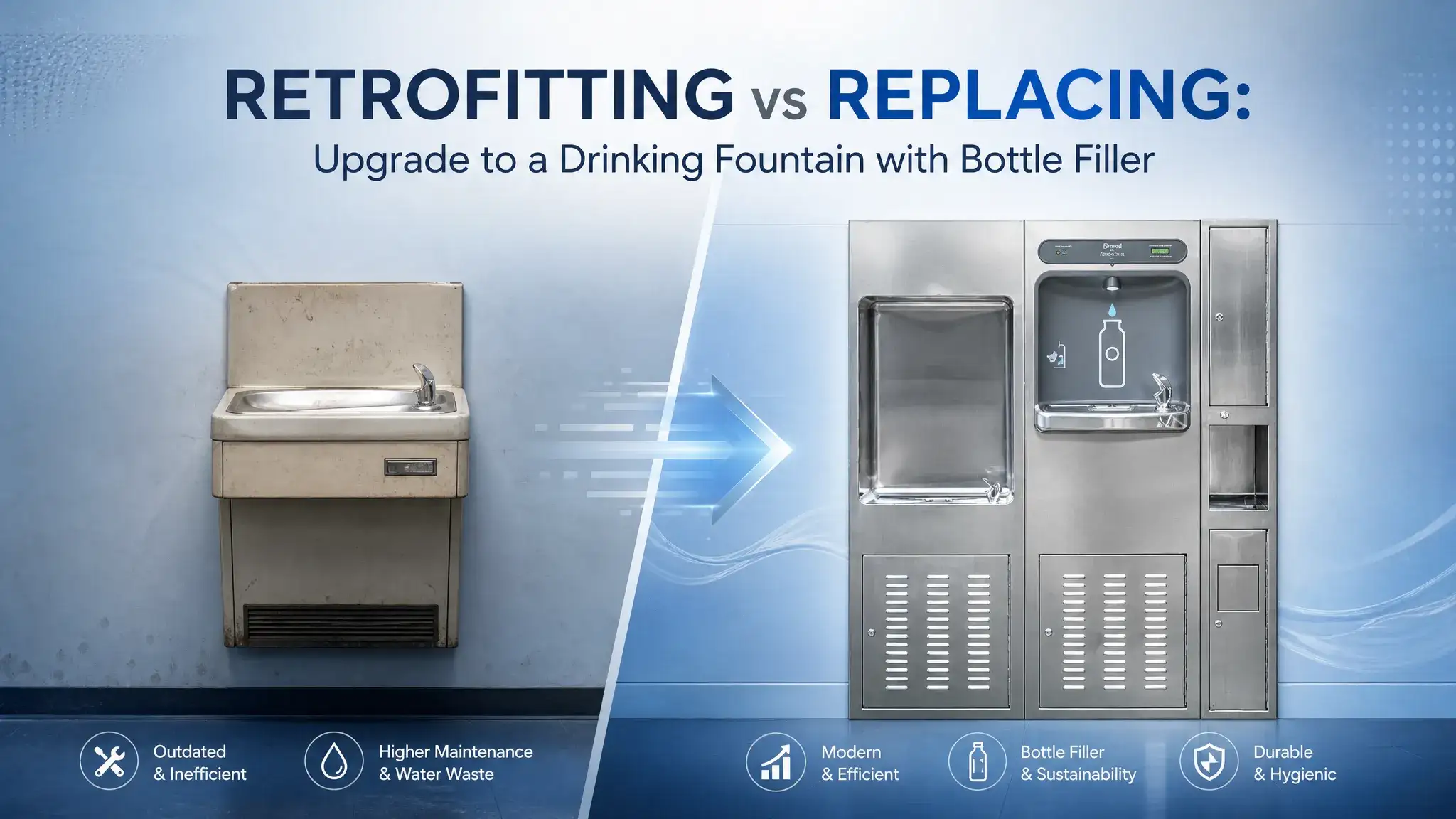
A drinking fountain with bottle filler is worth adding when your facility experiences high foot traffic, has clear sustainability goals, or requires a more hygienic way to provide hydration. For schools, offices, parks, and public buildings, upgrading to a water bottle filling station can significantly reduce single-use plastic waste and improve the user experience. However, ... Read more
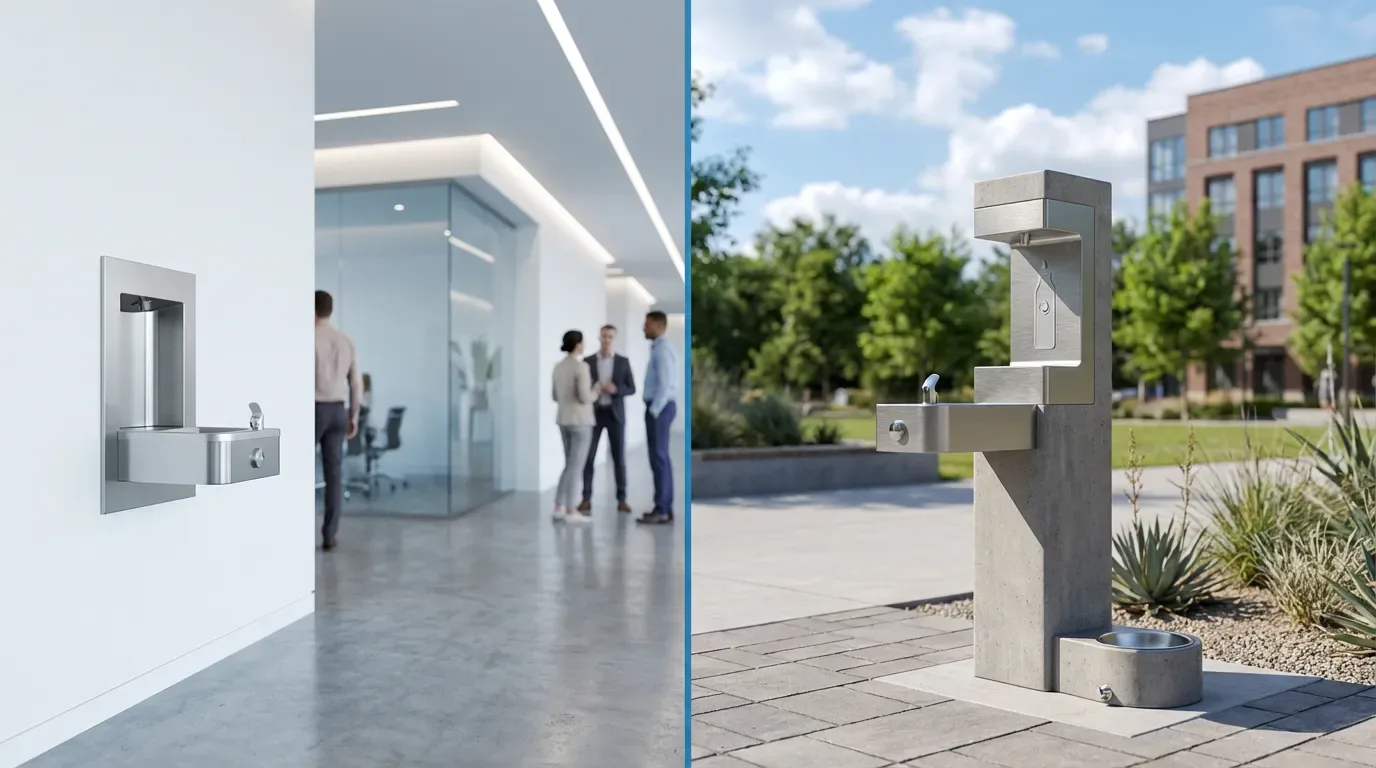
At first glance, indoor and outdoor drinking fountain projects may seem similar, but the planning priorities are often very different. Indoor installations usually focus on traffic flow, plumbing access, and maintenance convenience, while outdoor projects must also consider weather exposure, site drainage, durability, and long-term public use. For buyers, contractors, and facility planners, comparing these ... Read more
Phone
WhatsApp
Email