Correctional Plumbing Fixtures Specification Checklist for Secure Facilities
Buying restroom equipment for a secure facility is not the same as filling out an order form for an office washroom. In prisons, jails, and detention centers, every fixture has to hold up to constant use, resist tampering, stay easy to clean, and let maintenance crews get to it without tearing out a wall. Miss one line on the spec sheet and you can end up with installation delays, a fixture that fails security review, or a part that needs replacing years too early. For procurement teams and contractors, the projects that go smoothly are almost always the ones where the fixture schedule was nailed down before anyone placed an order.
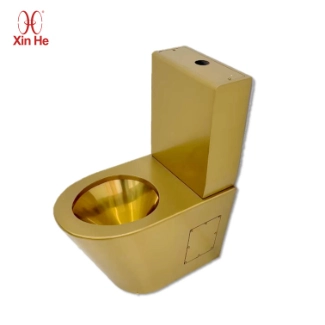
Most teams start with the toilet, and for good reason. It sets the tone for material grade, mounting, and safety across the whole schedule. A heavy-duty stainless steel prison toilet for secure facilities makes a useful anchor here: once you’ve pinned down its grade, mounting type, and vandal-resistant build, the rest of the list — combination units, lavatories, urinals, drainage — falls into place around it. This checklist runs through what to confirm, roughly in the order a project team should confirm it.
Why correctional plumbing fixtures need their own checklist
Standard commercial fixtures get specified around looks, comfort, and price. Correctional plumbing fixtures answer to a tougher list, and treating a holding cell like a hotel bathroom is exactly how gaps creep in. A custody environment pushes a fixture in ways an office never will:
- Continuous, high-frequency use
- Supervised occupancy and deliberate misuse
- Restricted maintenance access
- Zero tolerance for parts that can be broken off or tampered with
A secure facility restroom fixture is part of the building’s safety system, not just its plumbing. It helps reduce self-harm risk, limits vandalism, controls water use, and keeps cleaning manageable for staff. Suppliers in this market build their whole correctional line around those priorities — resistance to vandalism, tampering, and tie-off points — rather than around styling.
The catch is that most of this is invisible in a product photo. That’s why a line-by-line checklist beats a catalog comparison every time. Specify prison plumbing fixtures the way you’d spec a lobby washroom, and you risk fixtures that flunk review, frustrate maintenance, or wear out long before the budget says they should.
The fixture types a secure facility project actually needs
A correctional fixture schedule is rarely one product. It’s a coordinated set of stainless steel fixtures matched to different parts of the building. Suppliers tend to group their correctional lines the same way — combination toilet-sink units, lavatories, toilets, urinals, and showers — and a complete spec should account for each, plus drainage and accessories.
The goal isn’t to fill a cart. It’s to know what each fixture does on the job:
| Fixture type | Where it goes | Why it earns its place |
|---|---|---|
| Stainless steel prison toilets | Cells, holding areas, secure housing | Core sanitation fixture; sets the material, mounting, and security baseline |
| Combination toilet-and-sink units | Single cells, intake, booking | Saves space and cuts wall penetrations by merging two fixtures |
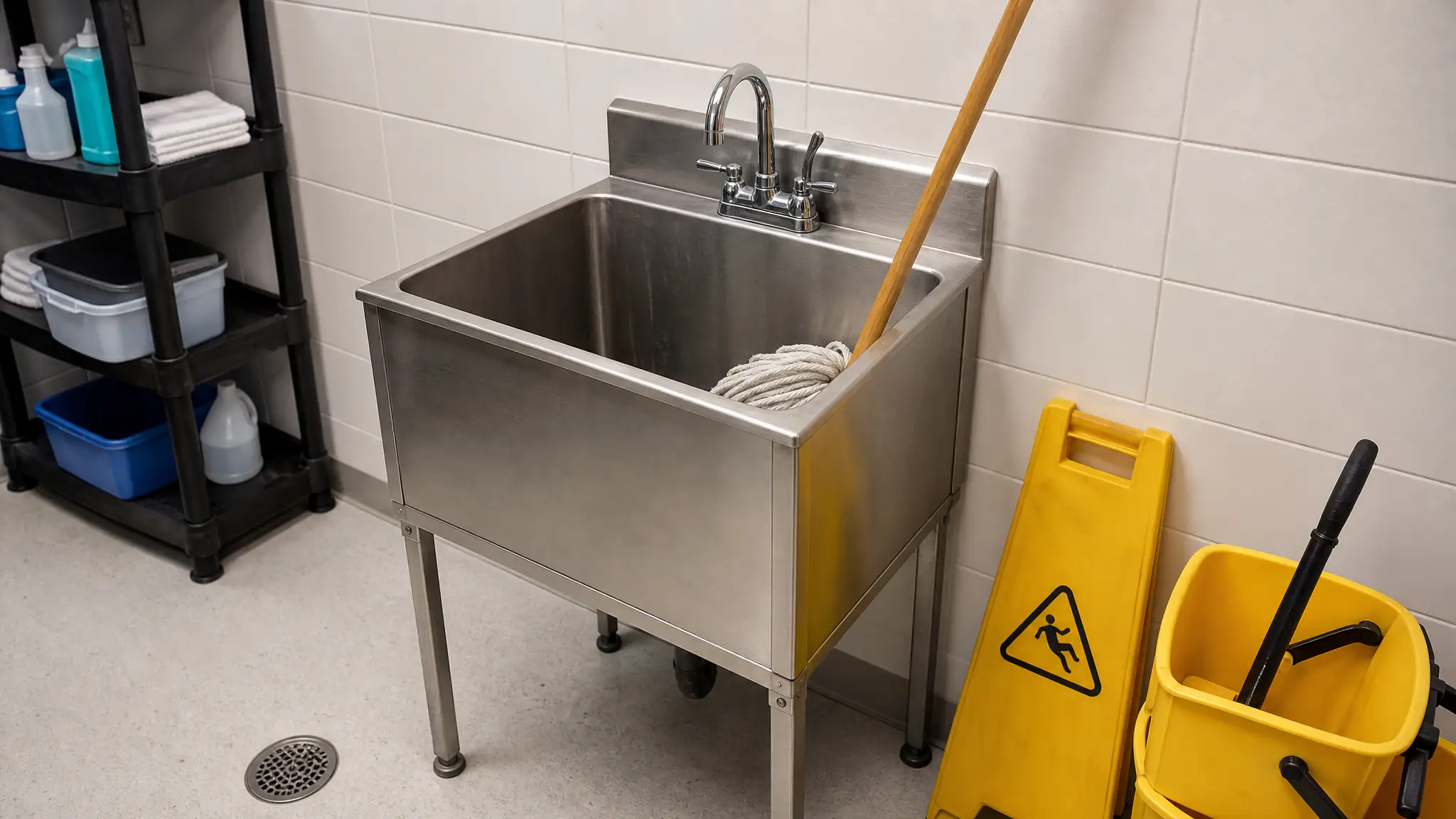
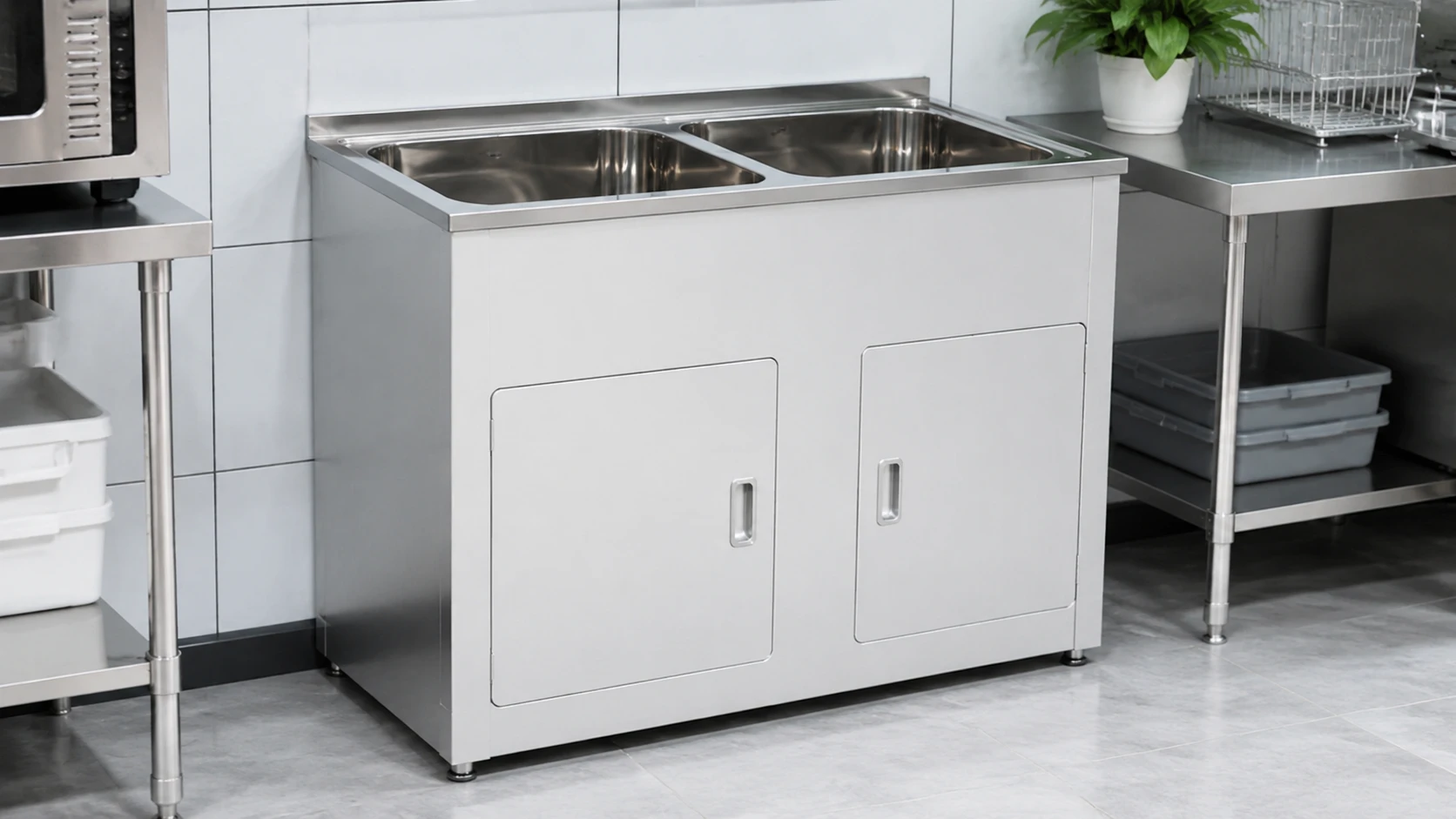
| Lavatories / hand wash sinks | Shared restrooms, medical, staff areas | Backbone of hygiene and infection control |
| Urinals (wall-hung or trough) | Public and high-traffic restrooms | Handles volume cleanly in busy zones |
| Floor drains | Wet areas, cleaning zones, showers | Shapes drainage, cleaning, and long-term upkeep |
| Showers and accessories | Housing units, intake hygiene areas | Closes out the secure restroom with ligature-aware design |
Read the schedule by use, not by product name, and the decisions get obvious. A combination toilet and sink unit suits a single cell where space and exposed plumbing both need to shrink. Trough or wall-hung urinals belong in busier shared restrooms. Floor drains almost never get a second look during procurement, yet they decide how easily a wet area stays clean over a decade of service.
Material and gauge: settle this before anything else
Material is the first line that separates a fixture that lasts from one that fails review. The questions are narrow and technical: steel grade, sheet thickness, weld method, surface finish, corrosion resistance. None of these are nice-to-haves; each one drives product life, cleaning effort, and how often something needs repair.
On grade, here’s the working rule:
- Type 304 is the baseline for most secure facility fixtures — strong corrosion resistance, plenty durable.
- Type 316 gets specified where conditions turn nasty: coastal humidity, heavy chloride exposure, or aggressive cleaning chemicals. The extra molybdenum fights pitting that 304 can’t.
Gauge matters just as much. Correctional-grade fixtures run heavy — combination lavatory-toilet units in this market are commonly built from 14-gauge Type 304 stainless steel, welded into a single vandal-resistant unit with internal stainless piping and a satin-polished finish. Correctional News That gives buyers a real number to hold a supplier to, instead of a vague promise of “heavy duty.”
So ask directly: what grade, what thickness, which weld method, what finish, and was this fixture actually designed for secure use? A fully welded, seamless body with rounded edges stays cleaner and takes more abuse than a thin, spot-welded piece that only photographs the same. The deeper stainless-versus-ceramic argument has its own home — buyers who want it can read this comparison of stainless steel and porcelain toilets in custody settings rather than rehash it on the spec sheet.
Anti-vandal and anti-ligature requirements
This is where correctional plumbing fixtures break hardest from ordinary equipment, and it’s the section worth slowing down on. Across the market, suppliers and facility designers treat ligature resistance, vandal resistance, and tamper resistance as baseline requirements, not upgrades.
In practice, anti-ligature and anti-vandal design follows a recognizable pattern. Surfaces slope or taper so nothing can be tied off or set down. Piping stays hidden. Hardware gets minimized, with no reachable screws or removable corners to pry loose. Edges are rounded and seams welded, so there are no voids or crevices to stash contraband. Any service access sits where staff control it, not occupants.
When you confirm this with a supplier, get specific:
- Any exposed screws or fasteners?
- Corners and edges fixed and rounded, or removable and sharp?
- Can supply and waste piping disappear fully into the wall or chase?
- Is the flush control tamper-resistant and protected against forced operation?
- Is the service opening built for staff-only access?
Each of those is something a buyer can verify before ordering, not a quality to take on faith. Run anti-ligature and vandal-resistant design as a checklist instead of a marketing phrase, and your spec holds up when security review comes knocking.
Mounting, plumbing access, and maintenance
Mounting is where solid fixtures still cause headaches if nobody checked the building first. The point here isn’t to redesign the room. It’s to confirm, early, that the fixture’s configuration matches the site. Anyone wanting the full layout treatment can follow this resource on planning jail toilet installation around available space — but the checklist itself only needs a handful of questions answered up front.
First call: wall-mounted or floor-mounted. Second: which way does service access run? Rear (chase) mount is the most common setup in correctional facilities because it keeps piping behind a controlled wall, though front-access models exist for buildings without an accessible pipe chase. From there, confirm:
- Drain outlet direction
- Water inlet position
- Flush system compatibility
- Clearance for both installation and future replacement
A fixture that looks fine on paper can turn into a real problem if the pipe chase is tight or the maintenance side doesn’t line up with the design. Before ordering, contractors should pin down exactly where crews will reach valves, traps, flush controls, and drain connections. Sort that out alongside the fixture, not during installation, and you’ve dodged the most expensive rework in secure facility plumbing.
Matching combination units, toilets, urinals, and sinks to each zone
Once material, safety, and mounting are settled, the schedule comes down to putting the right fixture in the right zone. A great fixture in the wrong area is still a spec error.
- Single cells: integrated combination toilet and sink units built for cell layouts or standalone stainless steel prison toilets. Consolidating fixtures cuts wall penetrations and exposed parts in the most sensitive part of the building.
- Shared restrooms: a mix of stainless steel toilets, urinals, and hand wash sinks to serve higher occupancy.
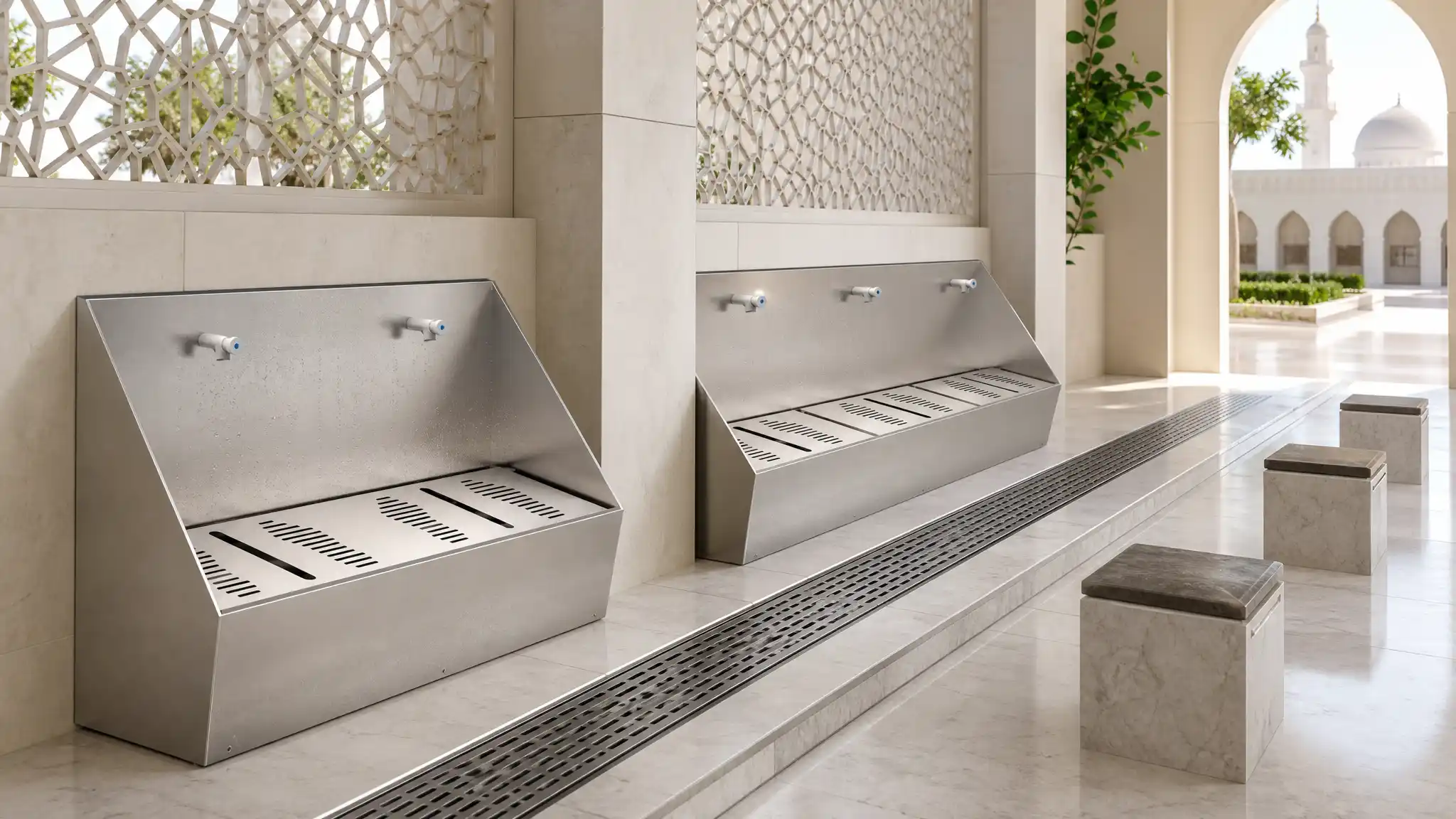
- High-traffic zones: trough or wall-hung urinals for throughput and easy cleaning. A stainless steel urinal trough made for high-traffic restrooms is a practical reference point here.
- Medical and special-supervision areas: the strictest setup — hands-free wash sinks, ligature-resistant fixtures, easy-clean surfaces that support both hygiene and constant observation.
Map fixtures to areas this way and you avoid both traps: over-specifying secure fixtures where they aren’t needed, and under-specifying them where the security level genuinely calls for them.
What documents to request before you order
A spec is only as good as the paperwork behind it. Before confirming any supplier for a correctional facility plumbing fixtures order, ask for a defined set of documents rather than trusting a quote on its own. This request is also a quiet test — it separates suppliers who can support a secure project from those just selling a catalog item.
At minimum, ask for:
- Technical drawings and full material specification
- Installation diagram, with drain and water inlet details
- Surface finish options and packing information
- Certification documents relevant to the project’s market
For project-specific work, also request reference photos, customization options, lead time, MOQ, and warranty terms. These let the engineering and procurement teams check that what ships matches what was specified — grade, gauge, mounting, and access all confirmed on paper before production starts.
Before you request a quote: pull together the fixture list, installation drawings, material requirements, mounting type, and expected quantity first. It lets the supplier tell you whether standard stainless steel fixtures will do, or whether you need custom sizing, concealed plumbing access, or a project-specific build.
Asking for documentation is also where supplier judgment happens naturally. On government and institutional work especially, the depth of these documents says a lot about a vendor’s real capability. Buyers who want a structured approach can lean on this guide to vetting a prison toilet supplier on government contracts instead of treating supplier selection as a separate step.
Specification mistakes that keep showing up
Even seasoned buyers repeat the same avoidable errors on secure facility work. Spotting them early is usually the fastest fix:
- Chasing the lowest price without confirming the security level. A cheap quote means nothing if the fixture can’t pass review.
- Specifying from photos without checking actual mounting and maintenance access — the classic route to a fixture that won’t fit.
- Ignoring thickness and weld method, on the assumption that all stainless steel is the same. Gauge and weld quality decide how long it lasts.
- Treating every zone the same, instead of separating cell areas, public restrooms, and medical rooms.
- Skipping the building check — water supply, drainage, wall structure — and paying for it during installation.
- Ordering without drawings or written customization confirmation, which leaves the final product open to interpretation.
Each one is preventable with a single confirmation step. Skip it, and the problem tends to surface at the worst moment: during installation or inspection.
Turning the checklist into a supplier inquiry
A sharp inquiry is the bridge between a good spec and a good quote. The more precise your information, the better a supplier can recommend the right fixture instead of defaulting to a stock model — and the less back-and-forth drags the project out.
For correctional and detention center work, share:
- Facility type and project country or region
- The required fixture list and mounting method
- Material requirement and any installation drawings
- Access side, custom sizing needs, expected quantity, and delivery timeline
With that in hand, a supplier can tell you whether off-the-shelf stainless steel fixtures meet the need or whether custom dimensions, concealed plumbing access, or a project-specific configuration is required — before you commit. Done right, the inquiry is just your specification checklist restated in a form the supplier can act on.
Final thoughts
A correctional plumbing fixtures checklist helps buyers compare more than price. It pulls safety design, stainless steel material, installation access, maintenance planning, and project documentation into one decision instead of six scattered ones. For prisons, detention centers, and public safety buildings, getting the spec right early is what keeps maintenance problems from piling up later and what gets the fixtures matched to how the facility actually runs.
For secure facility projects, Xinhe can work from your fixture list, drawings, quantities, and material requirements to support stainless steel toilet, toilet-sink combination, urinal, and related restroom fixture configurations — and help sort out which options fit the project layout and procurement needs. Send the drawings and the numbers, and the team can take it from there.