Sourcing Stainless Steel Kitchen Work Tables for Large Projects
Unlike a restaurant owner buying a single prep station, contractors have to juggle exact specs, NSF certifications, custom layouts, bulk production timelines, and messy job-site delivery schedules. A solid stainless steel kitchen work tables sourcing strategy protects your margins and keeps the inspector happy.
Sourcing vs. Buying: What’s the Difference
There’s a big gap between buying a table and actively sourcing one for a commercial build. A restaurant owner just wants something available and functional. For contractors, the physical table is just the start. You’re managing spec control, delivery logistics, and client handovers.
- Scale: You’re buying in bulk, not single units. Consistency across dozens of stations is non-negotiable.
- Selection: It’s less about brand names and more about matching architectural blueprints down to the inch.
- Logistics: You aren’t just getting a box dropped at a door. You’re coordinating freight deliveries with an already crowded construction schedule.
- Compliance: Residential tolerances won’t cut it. Commercial hygiene and structural codes are strict.
Pinning Down Requirements Before You Quote
One of the easiest ways to kill your margin is sending out vague requests. Asking a supplier for “10 commercial tables” leaves the door wide open for errors regarding metal thickness, bracing, and compliance. By the time they arrive on site, they probably won’t match the drawings.
Before you send out an RFQ, nail down these details:
- Facility Type: Is this a high-volume hotel, an institutional cafeteria, or a neighborhood restaurant?
- Volume: The total number of tables needed across the entire build phase.
- Dimensions: Length, width, height, and allowances for uneven concrete floors.
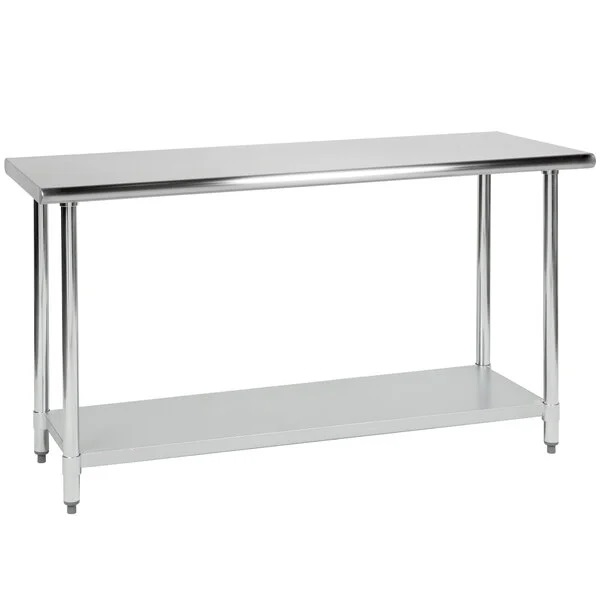
- Configuration: Flat top, integrated backsplash, or a stainless steel work table with undershelf for extra storage?
- Load Limits: Heavy equipment stands need different engineering than standard prep areas. (Check out this load capacity guide for stainless steel work tables for a breakdown of weight limits).
- Compliance: Does the local health inspector demand NSF certification?
- Site Access: Delivery target dates and physical restrictions like loading docks or tight service elevators.
Getting the Specs Right
Cheaper tables might look great on your spreadsheet, but you’ll pay for them during installation or final inspection.
Material Grade (304 vs. 430)
This dictates rust resistance. Type 304 is the industry standard for food contact, packed with nickel to fight off corrosion from acidic foods and harsh cleaners. Type 430 is a budget option, strictly for dry storage.
Contractor Reality: Swapping 304 for 430 usually leads to corrosion callbacks around dishwashing areas. Don’t risk your warranty exposure.
Gauge and Thickness
Lower numbers mean thicker steel. Commercial units generally range from 18-gauge (light) to 14-gauge (heavy duty).
Contractor Reality: Thin steel flexes under heavy mixers, leading to immediate client complaints.
Tops and Edging
You’ll need to choose between flat tops, rear backsplashes, or marine edges to catch spills. Welded seams beat bolted joints every time.
Contractor Reality: A backsplash that doesn’t sit flush against the wall means expensive custom flashing just to pass inspection.
Legs and Frames
The understructure does the heavy lifting. Note the leg gauge, cross-bracing, and whether you need adjustable bullet feet or heavy-duty casters.
Contractor Reality: Weak frames mean wobbly tables. Bullet feet save you massive headaches during floor leveling.
Storage Setup
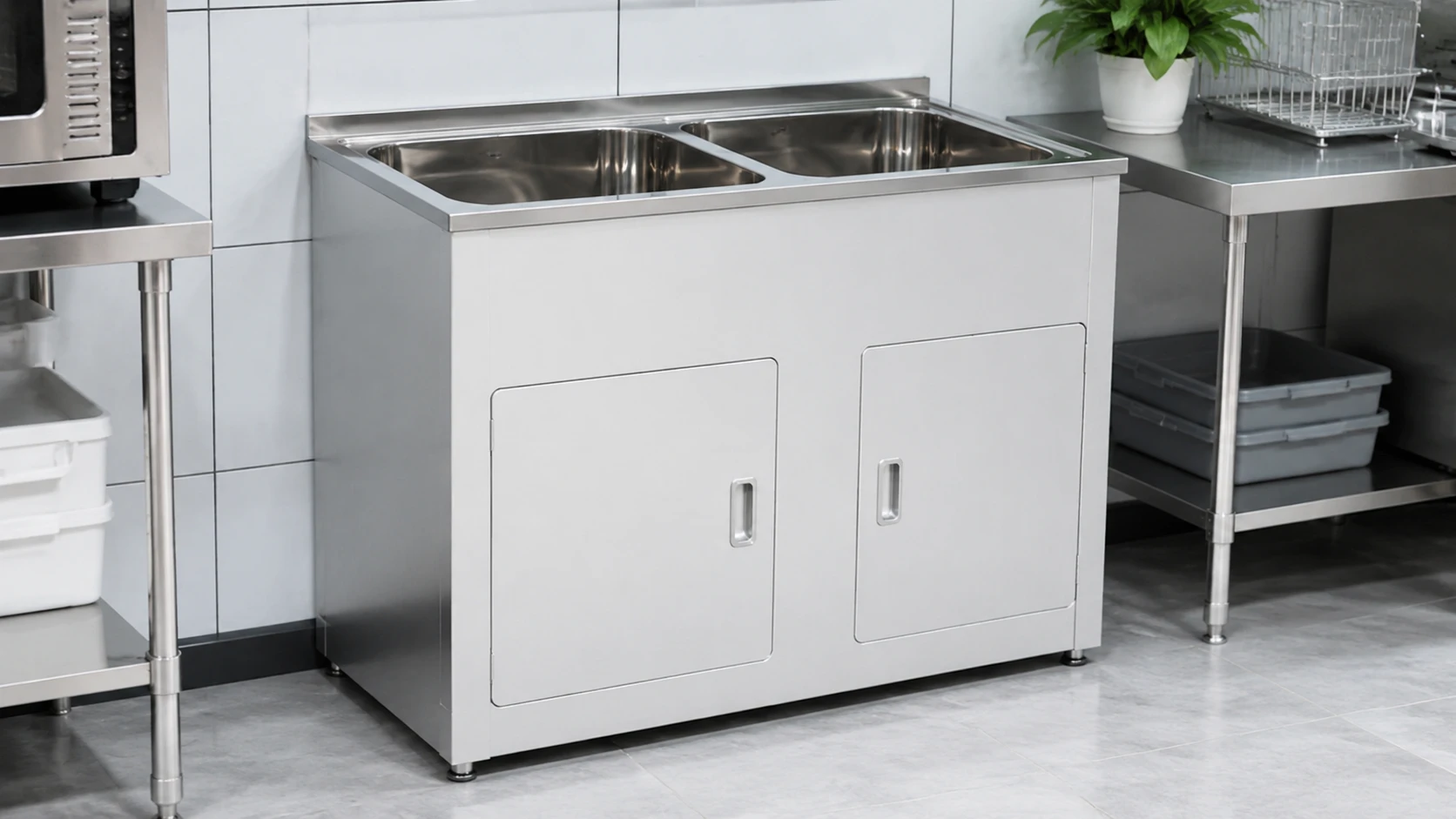
Depending on the kitchen flow, you might need a galvanized shelf, double shelves, enclosed cabinets, or drawers.
Contractor Reality: If the storage doesn’t fit the kitchen’s operational flow, the client won’t be happy. For tricky layouts, an adjustable customizable 304 stainless steel kitchen work table is usually the safest bet.
Certifications
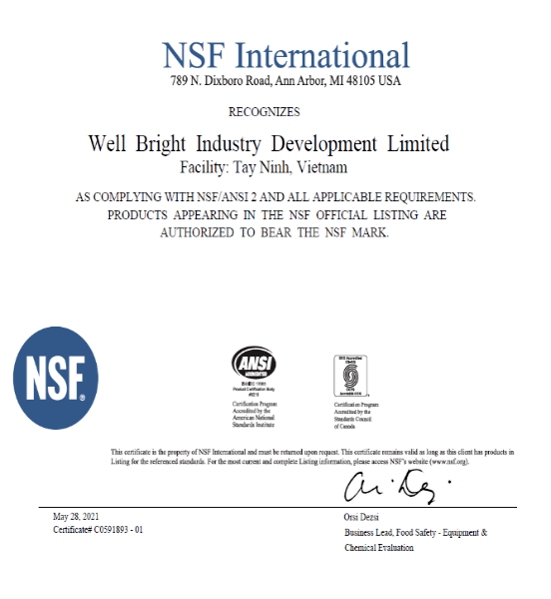
NSF-certified equipment is built to pass health codes, featuring smooth welds and cleanable corners.
Contractor Reality: Skipping NSF when the code requires it means failed inspections and forced replacements.
Standard Catalog vs. Custom Builds
Should you pull from a catalog or order custom? Off-the-shelf units work for standalone stations, but tight layouts usually require custom work.
| Feature | Standard Catalog Work Tables | Custom Stainless Steel Work Tables |
|---|---|---|
| Best Used For | Common layouts, repeatable sizes, temporary setups. | Tight spaces, odd wall lengths, L-shaped runs. |
| Lead Time | Faster; pulls from existing stock. | Takes time for shop drawings and production. |
| Configuration | Fixed sizes, basic undershelves. | Integrated sinks, custom backsplashes, specialized drawers. |
| Project Fit | Budget-conscious jobs with flexible floor plans. | High-end kitchens needing seamless equipment integration. |
When the floor plan gets weird, trying to force standard items into the space will just cause headaches. If you need specific storage, ordering a custom stainless steel kitchen work tables with drawers right out of the gate is the smart move.
Contractor Reality: Custom doesn’t automatically mean overpriced. It often saves money by cutting out the massive labor costs of on-site retrofitting and welding.
Vetting Your Supplier
You need a project partner, not just someone pushing product.
- Factory vs. Trader: Deal with the manufacturer directly if you can. They control the welding, finishing, and custom requests.
- Traceability: A good supplier hands over material certificates proving you actually got 304 steel and the correct gauge.
- Paperwork: They need to provide NSF documents and any required export paperwork.
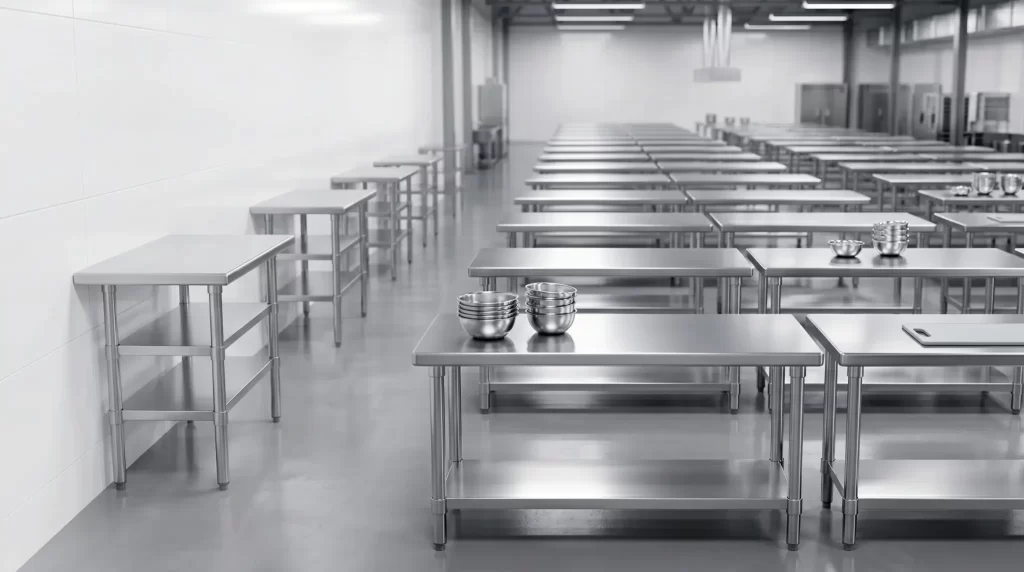
- Capacity: Making one great table is easy. Pumping out 80 identical tables on a deadline is hard. Make sure they have the bandwidth.
- Project Support: Look for teams that handle shop drawing reviews and export packaging. If you handle massive jobs, check out this guide on reliable table sourcing for project-scale buyers.
Surviving Bulk Logistics
Logistics will make or break your installation schedule. Getting a hundred tables to align perfectly requires serious consistency from the factory. Packaging is just as critical. If the factory doesn’t palletize properly, tables arrive scratched or dented, and the client will reject them on the spot.
You also have to decide between receiving everything at once or staggering partial shipments to match your phased installation.
Contractor Reality: Work with a supplier who knows how to pack for export and handles the customs paperwork. It keeps your job site clear and your installation moving.
Procurement Traps to Avoid
Keep your project on track by avoiding these classic mistakes:
- Buying strictly on price: Cheap tables usually mean thin 430 steel and weak spot-welds. You’ll pay the difference in structural failures later.
- Ignoring local codes: Missing an NSF requirement guarantees a failed inspection.
- Forcing square pegs into round holes: Buying catalog tables for irregular rooms leaves awkward gaps and looks unprofessional.
- Neglecting packaging: A great table ruined in transit is useless. Bad packaging leads to rejected batches.
- Writing vague POs: Ordering a “table with drawers” without specifying the layout or depth is a recipe for mismatched gear.
- Misjudging lead times: Forgetting to buffer for ocean freight or customs is why most kitchens open late. Using a commercial stainless steel kitchen work tables buying checklist helps prevent timeline disasters.
A Standard Sourcing Workflow
Make this your baseline for every build:
- Map the footprint: Identify every workstation type needed based on the architectural plans.
- Write the spec list: Document sizes, gauge, undershelves, drawers, NSF needs, and target dates.
- Get quotes: Send the RFQ to two or three established commercial manufacturers.
- Compare everything: Look at material integrity, custom options, and reliable lead times. Don’t just stare at the bottom line.
- Lock it down: Approve the shop drawings, request metal samples if needed, and confirm the production schedule.
- Sort the freight: Finalize packaging, shipping methods, and exactly when the trucks should hit the site.
Demand Better Support
A solid manufacturer should make your life easier. Push them for drawing-based customization so everything fits the plans. They should handle site-variation adjustments and mixed-batch production without breaking a sweat. Demand export-grade packaging, 304 material verification, and schedules that actually match your build phases.
Wrapping It Up
Sourcing isn’t just buying; it’s project management. The tables you spec dictate health compliance, installation speed, and your reputation at handover. Pin down the details early, know when to go custom, and avoid the obvious traps.
Working with a dedicated factory capable of bulk production makes the whole process smoother. At Xinhe, we know the realities of project-level procurement. We build the reliable, custom-fit equipment that general contractors depend on.
Ready to start your next project? Ask about custom configurations for your upcoming floor plans and get bulk pricing and reliable lead times.
FAQ
What specs actually matter before I cut a PO?
Nail down the material grade (strictly 304 for food prep), the gauge (14 or 16 for heavy commercial), precise dimensions, the specific under-structure, and whether your local inspector expects an NSF mark.
When should I drop the catalog and order custom?
Go custom when the room throws you a curveball—tight corners, odd wall lengths, L-shaped runs, integrated sink requirements, or specific storage needs that standard models simply don’t offer.
How do I keep the quality consistent on a massive order?
Deal directly with a factory, not a trading middleman. Demand to see detailed shop drawings before production starts, ask for material trace certificates to prove it’s actually 304 steel, and verify they have the floor space to handle bulk runs without cutting corners.